

For a US lingerie business, DHgate usually makes the most sense for small to mid-sized wholesale orders and assortment testing, while factory-heavy directories, sourcing agents, and niche lingerie platforms tend to be better for large, branded, or highly customized programs. You’re choosing not just suppliers, but a sourcing model: marketplace for speed and variety, directory or agent for control, or specialist site for a narrower but more focused supplier pool.
If your typical order is a few hundred dollars of mixed styles to test demand, DHgate’s broad lingerie catalog and relatively low minimums are structurally convenient. If you’re planning a full collection with custom patterns, consistent grading across sizes, and care labels to US standards, you’ll likely need direct factory relationships found via directories like Alibaba or Made-in-China, or a lingerie-specific sourcing agent.
How lingerie buyers should compare sourcing channels
Lingerie isn’t generic apparel. The way you compare DHgate with other channels should reflect lingerie-specific pain points.
Key dimensions to weigh:
- Order size and MOQs. Are you testing small mixed orders, or placing repeat orders in the thousands? Marketplace sellers often accept smaller mixed-style orders; factory programs commonly expect higher MOQs per style/size run.
- Customization needs. Basic changes (colors, lace choice, strap length) are one thing; full brand development with custom patterns and detailed grading rules is another. The latter usually pushes you toward factory-heavy directories or agents.
- Quality and fabric consistency. Lingerie has comfort-critical components: elastic recovery, lace softness, opacity, and wire shape. For marketplaces, you’ll often manage consistency through sampling and clear specs; factory programs can embed your materials and tests into ongoing production.
- Fit and sizing risk. Cross-border suppliers may work with different size blocks. If you serve US customers, you’ll need to assess how closely the supplier’s “M” matches your target measurements, especially in bras, shapewear, and plus-size pieces.
- Assortment breadth vs control. Marketplaces like DHgate and AliExpress-style sites favor breadth—many suppliers, many SKUs. Direct factories and agents favor control—fewer, deeper relationships with more influence over materials and processes.
- Timeline, cash risk, and returns sensitivity. Lingerie returns can be more frequent and more sensitive than outerwear because comfort, modesty, and hygiene are involved. Misfit pieces are hard to resell. Channels that allow smaller test runs let you learn about fit and return patterns without tying up as much cash in a single style.
Keeping these lenses in mind lets you evaluate DHgate, alternatives, and factory options using the same yardstick.
What different lingerie sourcing channels actually offer
Several types of channels are commonly mentioned in lingerie sourcing guides for working with Chinese suppliers.
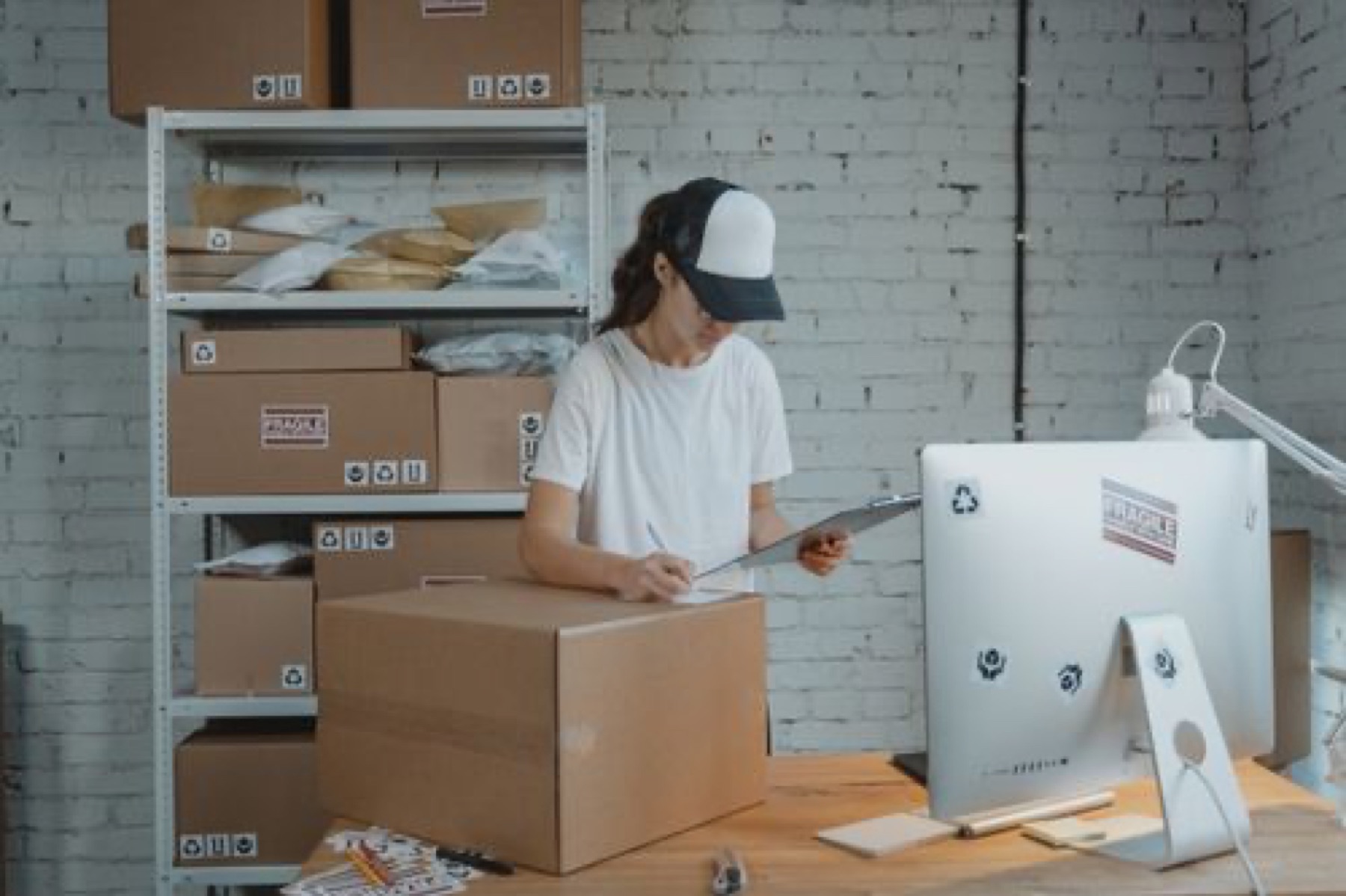
1. DHgate and similar generalist marketplaces
DHgate is described in its own editorial content as a popular B2B wholesale platform connecting international buyers with Chinese suppliers and supporting small and medium-sized businesses buying clothing in relatively small wholesale quantities. It carries a broad clothing catalog and presents itself as a cost-effective option for fashion sourcing.
Current listing snapshots show suppliers pitching cross-border shapewear and lingerie directly at European and American markets. For example (observed 2026-09-14; listings and details may change):
- Cross-border shapewear bodysuit – “Lingerie Cross-border European and American shapewear bodysuit with waist cinching, butt-lifting, enhanced tummy control… plus-size” in the Basic & Casual Dresses category from seller miles28, positioned for plus-size shapewear buyers (listing example).
- Mesh tummy-control shapewear – “Lingerie European and American cross-border independent site best-selling mesh 5-bone shapewear” in Basic & Casual Dresses, referencing independent-site buyers (listing example).
- Global-market sets – “Global Market Ready Lingerie Line Featuring Versatility & Quality Assurance – Perfect For Wholesalers” in the Sexy Set category, pitched at wholesale customers (listing example).
- Specialty panties – “Women’s Panties Sissy Lingerie For Men Crossdress Underwear…” in Women’s Panties, illustrating more niche subcategories (listing example).
These examples illustrate DHgate’s variety: mainstream shapewear, niche styles, and cross-border positioning.
Similar generalist marketplaces (often highlighted as DHgate-like alternatives by sites such as NextSmartShip and Global Sources) typically:
- Allow small or even single-piece orders, making them attractive for micro-sellers.
- Offer limited direct access to full manufacturing customization compared with factory directories.
2. Factory-heavy B2B directories (e.g., Alibaba, Made-in-China)
Large directories are often described as factory-heavy and geared toward higher MOQs and more customized production than generalist marketplaces. Lingerie sourcing guides mention them as a core route to find Chinese lingerie factories online (lingeriesourcing.com overview).
Patterns you’ll usually see:
- More suppliers that are true manufacturers, not just traders.
- More openness to custom designs, branded labels, and OEM/ODM arrangements.
- MOQs that often skew higher per style, reflecting factory economics.
These directories tend to be where you go once you’re ready to scale proven styles into stable, repeatable production.
3. Lingerie-focused sourcing sites and agents
Some independent guides highlight niche lingerie sourcing websites and dedicated agents who specialize in underwear and intimates. While specific platforms vary, their role is similar:
- Focused supplier pool. They pre-select factories experienced in lingerie, sometimes with Western brands.
- Hands-on support. Agents may help refine patterns, manage grading, and coordinate sampling and production.
- Higher cost, higher control. You pay in fees or margin but reduce the trial-and-error of vetting many marketplace sellers.
This route tends to appeal to emerging DTC brands and retailers who see lingerie as a core category, not just a test.
4. Other DHgate-like options
Lists of DHgate alternatives mention a mix of China-focused platforms and global directories. These aren’t lingerie-specific, but they:
- Expand your options if DHgate’s catalog doesn’t match your niche.
- Give you different mixes of MOQs, price structures, and supplier types.
| Channel type | Typical buyer use-case | Assortment & MOQ pattern (editorial) |
|---|---|---|
| DHgate & general marketplaces | Small/mid-sized lingerie orders, dropshipping tests | Broad variety; often lower MOQs, easy to mix styles |
| Factory-heavy directories | Large wholesale, custom brand programs | Factory-centric; MOQs often higher per style |
| Lingerie-focused sites/agents | Emerging lingerie brands needing fit and fabric control | Narrower pool; deeper collaboration, project-based |
| Other DHgate-like platforms | Extra marketplace options for fashion and intimates | Similar breadth; MOQs vary by platform and supplier |
This table is editorial, based on how independent guides describe these channels, not hard rules for every supplier.
DHgate vs other channels on key lingerie sourcing dimensions
Using the criteria above, here’s how DHgate generally compares.
Order size and test-order friendliness
DHgate’s own clothing and wholesale commentary emphasizes its role for small and medium-sized businesses buying Chinese goods in smaller wholesale amounts. Compared with factory directories, DHgate suppliers often support lower minimum order quantities, especially across mixed sizes and colors.
That tends to make DHgate well-suited for:
- First-time tests of new silhouettes (e.g., small runs of several bodysuits and bra sets).
- Assortment building for multi-brand online lingerie shops without committing to large runs.
Factory directories and lingerie agents, in contrast, are usually better matched to:
- Larger orders per style where you’ve already validated demand.
- Long-term replenishment of a core line.
Variety vs control
DHgate lists tens of thousands of bra and lingerie-related SKUs across styles and price points, according to promotional content about its fashion categories. That breadth is helpful if you’re:
- Looking for niche aesthetics (e.g., harness sets alongside everyday T-shirt bras).
- Serving multiple sub-niches (plus-size shapewear, cross-dressing lingerie, honeymoon sets) without committing to each style in depth.
The trade-off is control. With many suppliers and SKUs:
- Fabric composition and feel can vary between listings.
- Size blocks aren’t standardized; a “XL” in one store can fit differently from another.
On factory directories or through agents, you typically focus on fewer suppliers but have more control over:
- Fabric sourcing (same lace and elastic across multiple styles).
- Pattern and grading, especially for bra cups and band lengths.
Customization and branding
Many DHgate sellers appear to target cross-border markets with semi-standardized designs rather than fully custom brand programs. You might negotiate minor changes, but in-depth customization—custom molded cups, proprietary lace designs, branded hardware—is typically the domain of factories found via directories or specialist agents.
If your brand strategy relies on:
- Unique designs and a consistent fit philosophy.
- Detailed care labels and packaging tailored to US regulations.
then DHgate is better used as a testing and sourcing channel, not your primary long-term manufacturing base.
Managing lingerie-specific risk (fit, fabric, discretion)
Because lingerie touches comfort and body confidence directly, risk management matters.
On DHgate and similar marketplaces, you’ll generally need to:
- Order samples across sizes to check elastic, lace, opacity, and fit on real bodies before committing.
- Compare listings that explicitly mention targeting “European and American” sizing, as seen in several shapewear products, to align closer to US expectations.
- Keep initial orders small so that any misfit or higher-than-expected return rate doesn’t lock up too much inventory.
With factories, agents, and niche lingerie sites, risk management shifts toward:
- Building measurement charts together and adjusting grading over successive runs.
- Locking in fabric specs and test protocols.
No channel eliminates risk; they move it between more variety and less control (marketplaces) and less variety with more control (factories/agents).
Which channel fits which lingerie buyer profile?
Different lingerie businesses will land in different places. Here’s how channels typically line up.
1. Micro-dropshipper or side-hustle store
Profile: Instagram/TikTok-driven shop, Shopify store, or marketplace seller experimenting with swimsuits, babydolls, and shapewear.
- Primary channel: DHgate or similar marketplaces. The relatively low MOQs and broad style range let you test multiple aesthetics with limited capital.
- Secondary channel: Other DHgate-like sites for gap-filling specific niches (e.g., plus-size, fetish, men’s lingerie) if you can’t find them on DHgate.
2. Amazon or multi-marketplace seller scaling lingerie
Profile: You already understand listing optimization and returns; lingerie is one of several categories.
- Start with: DHgate and AliExpress-style marketplaces to identify fast-moving SKUs and validate demand for categories like shapewear, lounge sets, or bridal lingerie.
- Then add: Factory directories like Alibaba or Made-in-China for styles that prove stable, moving them into higher-margin, more controlled production.
- Optional: Lingerie-focused sourcing sites if you want to specialize and improve fit/materials beyond generic marketplace sourcing.
3. Emerging DTC lingerie or shapewear brand
Profile: You’re building a brand narrative around comfort, inclusivity, and fit; margins and long-term consistency matter.
- Primary channel: Factory-heavy directories and lingerie-focused agents. You need collaboration on patterns, grading, and materials.
- Support role for DHgate: Use DHgate selectively to spot trending silhouettes or to test audience reaction with small batches before investing in full design and development.
4. Boutique retailer adding a lingerie corner
Profile: Physical or online boutique adding a modest lingerie assortment to complement dresses or occasionwear.
- Primary channel: DHgate and similar marketplaces for initial breadth—mix of everyday sets, romantic pieces, and shapewear with moderate order sizes.
- Next step: For core styles that become your store staples, gradually transition to factory relationships via directories or agents for steadier supply and more tailored sizing.
In each scenario, DHgate is rarely “the one answer”; it’s a tool that complements more controlled channels as your volume and brand ambition grow.
Query-time DHgate listing example
Observed on 2026-09-14, “Lingerie High-Quality Cross-Border Encrypted European and American Shapewear Bodysuit for Plus Size Women, Tummy Control, Waist Shaping, Body Shaping” appeared in the Basic & Casual Dresses category (listing example). This is a time-bound, illustrative listing example; availability and listing details may change. Compare the stated specifications and order a sample before considering a larger purchase.
Positioning DHgate within a long-term lingerie sourcing strategy
Over a multi-year horizon, DHgate tends to play three roles in lingerie sourcing:
- Discovery and testing. Because DHgate lists tens of thousands of bra and lingerie SKUs across styles and price levels, it’s a practical place to test silhouettes—bodysuits, wired bras, soft bralettes, niche panties—without committing to large runs.
- Bridge for small wholesale. DHgate’s B2B positioning and relatively low MOQ tendency compared with some directories make it accessible for small US wholesalers who are not yet ready for factory MOQs but want wholesale-oriented pricing.
- Trend radar. Cross-border listings explicitly aimed at European and American markets show what some Chinese suppliers think will resonate in Western fashion and shapewear, which can inform your own design roadmap.
Limitations you should factor in:
- It’s not optimized for deeply customized, brand-specific lingerie manufacturing programs where you own patterns and spec sheets end-to-end.
- Quality and fit can vary by seller and listing; you must build your own sampling and vetting process.
A practical strategy for many US lingerie businesses is:
- Use DHgate and similar marketplaces heavily in year 0-1 to test styles, niches, and customer response.
- As winning SKUs emerge, identify factories via directories or lingerie agents that can reproduce or iterate those styles with tighter fit and material control.
- Retain DHgate as a flexible source for trend pieces, limited drops, or ancillary categories (nightwear, accessories), while your core line moves to factory relationships.
That mix gives you DHgate’s accessible variety where it shines, while reserving high-control manufacturing for channels structurally built for lingerie brands.