
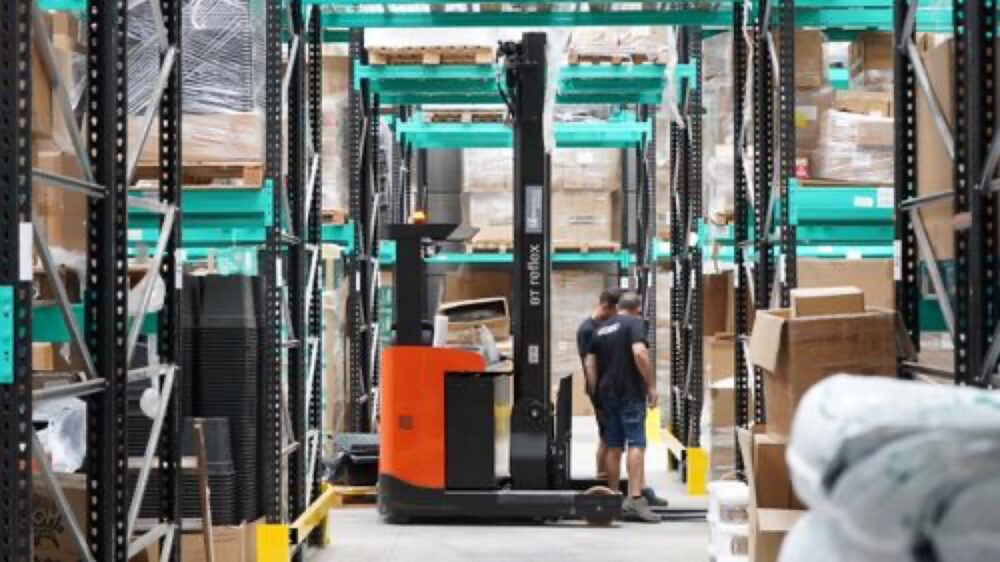
For a US small ecommerce business, DHgate makes the most sense when you’re testing products or placing small cross‑border orders with China-based suppliers. Once you move into larger volumes, regional sourcing, or building a branded wholesale channel for your own customers, other platforms are usually a better fit—Alibaba for higher-volume procurement, US/EU B2B marketplaces for domestic wholesale, and software like Shopify Plus or BigCommerce for running your own wholesale store.
This comparison walks through how DHgate fits against those options, using order size, supplier region, product type, and your long‑term plans as the deciding factors.
What You’re Really Choosing: Sourcing Marketplace vs Wholesale Store Platform
Search results for “best wholesale ecommerce platforms” mix two very different things:
- Sourcing marketplaces (DHgate, Alibaba, Global Sources, various B2B marketplaces) that help you find suppliers and place wholesale orders.
- Wholesale store platforms (Shopify Plus, BigCommerce, Magento, B2Sell, etc.) that help you run your own B2B storefront for selling wholesale to retailers.
Luxury Brand’s wholesale ecommerce platforms guide notes this same split: DHgate is described as a marketplace helping buyers find suppliers and place orders, while tools like Shopify Plus and BigCommerce are framed as software for building a wholesale store and integrating with back‑office systems.Best Wholesale Ecommerce Platforms guide
If you confuse these, you get the wrong solution:
- If your main problem is “I need inventory”, you’re choosing between DHgate vs Alibaba vs other sourcing channels.
- If your main problem is “I need a better way to sell wholesale”, you’re choosing between Shopify Plus vs BigCommerce vs a US/EU B2B marketplace.
This article focuses on the first question—sourcing—with DHgate as one of several marketplace options, then briefly shows where store platforms fit once you’re reselling at scale.

Key Comparison Factors for Small Cross-Border Buyers
If you’re a US-based seller looking at DHgate alongside other wholesale ecommerce channels, broad feature lists aren’t helpful. These five dimensions actually move the needle.
1. Minimum Order Quantities (MOQ) and Order Size
Independent coverage of DHgate alternatives points out a clear pattern: DHgate tends to suit smaller, low‑MOQ orders and even single‑piece wholesale, while Alibaba is structured more around higher‑volume procurement.GTsetu DHgate alternatives
For a small ecommerce business, the question is:
- Do you need around 10-50 units to test a SKU? Low‑MOQ marketplaces like DHgate often fit.
- Are you ready to order hundreds or thousands of units per batch? High‑volume platforms and direct manufacturer relationships tend to work better.
2. Supplier Region and Logistics Strategy
The platforms you see in SERPs fall into three region buckets:
- China‑focused marketplaces (DHgate, Alibaba, AliExpress-style sites, Global Sources) — strong for low to mid-cost goods, private label components, and broad catalogs.
- Global/US‑focused B2B marketplaces — US-focused B2B marketplace roundups (for example, WizCommerce’s top B2B marketplaces list) note that many of these platforms emphasize domestic wholesale relationships and ERP-connected ordering flows.Top B2B Marketplaces
- Collaboration platforms highlighted in DHgate alternative guides (such as GTsetu) — aimed at long-term cooperation between manufacturers, distributors, and raw material suppliers rather than one‑off orders.GTsetu DHgate alternatives
Region matters for:
- Lead times and freight costs
- Regulatory requirements (product safety, labeling)
- Customer expectations on delivery speed
3. Product Type: Generic vs Branded
You’re usually sourcing one of three product types:
- Generic/unbranded products (e.g., cables, generic apparel, home goods): open marketplaces like DHgate and Alibaba have large catalogs.
- Branded wholesale (buying recognizable brands for resale): US/EU wholesale marketplaces and brand-run B2B portals are a more realistic path.
- Custom/private label manufacturing: often starts with marketplace discovery but quickly moves to deeper collaboration tools or direct contracts.
Many DHgate alternative roundups stress that your next platform choice depends on whether you’re testing a product, seeking branded wholesale, or negotiating manufacturing.RunToDropship DHgate alternatives
4. Verification and Relationship Depth
Open marketplaces rely heavily on self-listed suppliers and relatively limited standardized verification. Independent commentators note that this structure works best when:
- You’re placing low‑stakes, low‑volume experimental orders.
- You’re comfortable doing your own vetting before scaling (samples, references, third‑party inspections if needed).GTsetu DHgate alternatives
In contrast, some alternatives highlighted in GTsetu’s article are not marketplaces at all but collaboration tools used for long‑term partnerships and secure document sharing between manufacturers and distributors. Those tend to be used when the relationship itself—and its documentation—is central.
5. Control Over Pricing, Brand, and Customer Experience
If you’re purely sourcing, you care most about unit cost, MOQ, and basic listing transparency. Once you start selling wholesale, you also need:
- Custom price lists
- Customer-specific payment terms
- Integration with your ERP or inventory system
US‑oriented blogs on wholesale ecommerce platforms emphasize how store platforms like Shopify Plus, BigCommerce, Magento or B2Sell are built around these B2B features for distributors.B2Sell wholesale platforms
You won’t get that level of control from a sourcing marketplace; you build it on top of inventory you’ve sourced elsewhere.
How Common Wholesale Channels Fit a Small US Ecommerce Business
Here’s a compact view of where DHgate and other wholesale ecommerce channels tend to sit for a small US ecommerce business.
| Channel type & examples | Typical MOQ / order size fit | Region focus | Product type fit | Relationship depth & control |
|---|---|---|---|---|
| China-focused marketplaces (DHgate, Alibaba, AliExpress-style sites, Global Sources) | DHgate commonly fits low‑MOQ and small-batch testing, while Alibaba is generally oriented toward larger negotiated orders. | Mainly China-based suppliers, global buyers | Strong for generic/unbranded goods; useful for finding potential private label partners | Marketplace listings require buyer-led vetting; best used for testing and early-stage sourcing before deeper supplier review. |
| Global/US B2B marketplaces (examples in WizCommerce’s USA list and similar roundups) | Often used for ongoing wholesale orders between domestic buyers and sellers; typical use-cases involve repeat purchases rather than one‑off small tests.Top B2B Marketplaces | US/EU or regional focus, connecting local brands, distributors, and retailers | Better aligned with branded wholesale, finished goods from regional suppliers | Usually offer more structured onboarding and B2B features (account pricing, ERP-friendly ordering); higher control over terms than open cross-border marketplaces |
| Collaboration/matchmaking platforms (as described in GTsetu’s DHgate alternatives coverage) | Designed around larger or strategic projects, not casual small orders; commonly used when volumes and stakes are high.GTsetu DHgate alternatives | Global, but skewed to manufacturers and industrial suppliers | Custom manufacturing, raw materials, industrial components | High relationship depth; focus on verified partners, secure document exchange, and long‑term agreements with more formal controls |
| Wholesale store software (Shopify Plus, BigCommerce, Magento, B2Sell) | You define MOQ and pricing for your wholesale buyers; fits anything from small opening orders to large B2B replenishment | Wherever your own business operates | You sell your chosen catalog (branded or private label) via a controlled storefront | Maximum control over prices, branding, and customer experience; it’s infrastructure for your wholesale channel, not a sourcing method |
A few specific contrasts:
- DHgate vs Alibaba: Independent sourcing guides and DHgate alternative articles consistently frame DHgate as better suited to small orders and single‑piece wholesale, while Alibaba is “built around higher‑volume procurement” and is widely described as one of the largest global B2B sites.GTsetu DHgate alternatives · Alibaba vs DHgate comparison
- DHgate vs US/EU B2B marketplaces: US‑centric B2B marketplace roundups from WizCommerce and others highlight platforms whose main role is connecting domestic buyers and sellers, often with advanced B2B features and ERP integration.Top B2B Marketplaces These are far better for regional branded wholesale than for direct China sourcing.
- DHgate vs collaboration tools: GTsetu emphasizes that some buyers looking for “DHgate alternatives” actually need a different category—tools for verified long‑term cooperation and secure document handling, not another open marketplace.GTsetu DHgate alternatives
Best-Fit Platforms for Common Wholesale Ecommerce Scenarios
To make this practical, match your situation to a sourcing channel, then check whether DHgate belongs in that mix.
Scenario 1: Testing New Products With Limited Cash
You run a small Shopify or Amazon store and want to test a few new SKUs without committing to pallets. For example, a US Amazon FBA seller might want to test a new phone case design with an initial batch of a few dozen units.
Good fits:
- DHgate and similar low‑MOQ China marketplaces for generic products, accessories, and simple electronics.
- AliExpress-style sites when you prefer “retail‑like” ordering but still need relatively low wholesale pricing.
Why: These platforms are structured around small, experimental orders and broad catalogs, which independent commentators repeatedly associate with DHgate’s typical usage.GTsetu DHgate alternatives
Probably not necessary yet:
- Collaboration platforms; their overhead and verification benefits pay off only when you’re negotiating bigger, longer‑term deals.
- Building your own wholesale store; at this stage, you’re still proving demand.
Scenario 2: Scaling a Winning SKU to Serious Volume
Your test order sold through and you’re ready to invest in hundreds or thousands of units per batch—for instance, a US Amazon FBA seller who has proven that a particular electronics accessory sells reliably and now wants to move from 50-unit test runs to 1,000+ units per shipment.
Good fits:
- Alibaba and similar high‑volume marketplaces to reach more manufacturers and negotiate better per‑unit pricing.Alibaba vs DHgate comparison
- GlobalSources or category‑specific sourcing directories for more targeted supplier discovery.
- For industrial or specialized products, collaboration platforms that emphasize verified long‑term partners.GTsetu DHgate alternatives
Where DHgate sits:
- It can still be part of your mix for ongoing smaller top‑up orders or sourcing adjacent SKUs.
Scenario 3: Building a Branded Wholesale Channel for Your Own Line
You’re now selling your own brand and want to offer wholesale to boutiques, online retailers, or corporate buyers.
Good fits:
- Wholesale store platforms (Shopify Plus, BigCommerce, Magento, B2Sell) to run a branded B2B storefront.B2Sell wholesale platforms
- Select US/EU B2B marketplaces, especially those featuring brands and offering integration with your back‑office systems.Top B2B Marketplaces
Where DHgate sits:
- DHgate is upstream here: you might continue using it (or alternatives) to source generic inputs or test new items.
- It is not the tool you’d use to run your wholesale channel; that’s the job of store platforms and brand‑focused marketplaces.
Scenario 4: Long-Term Manufacturing or Complex Supply Agreements
You’re ready for:
- Private label manufacturing with tooling and molds
- Complex compliance requirements and certifications
- Multi‑year contracts or exclusivity arrangements
A typical case might be a US brand moving from marketplace-sourced generic products to custom-designed goods with unique components and strict regulatory requirements.
Good fits:
- Direct manufacturer relationships initiated via Alibaba, GlobalSources, or industry-specific directories.Alibaba vs DHgate comparison
- Collaboration and matchmaking tools that prioritize verified partners and secure document workflows, as described in GTsetu’s breakdown of DHgate alternatives.GTsetu DHgate alternatives
Where DHgate sits:
- DHgate and similar marketplaces can be useful for initial scouting and small trial orders.
- For the actual long‑term agreement, most manufacturers and distributors move off open marketplaces and onto more structured channels or direct contracts.
Query-time DHgate listing example
Observed on 2026-09-14, Customizable eCommerce Checkout Solution Enhancing Customer Conversion Rates appeared in Other Retail Supplies. This is a time-bound, illustrative listing example; availability and listing details may change. Compare the stated specifications and order a sample before considering a larger purchase.
Where DHgate Fits in Your Wholesale Ecommerce Stack
Stepping back, DHgate is best treated as one tool in a broader sourcing stack, not your only wholesale ecommerce platform.
Independent coverage and alternatives lists consistently highlight two typical uses:
- Low‑MOQ and single‑piece wholesale for early‑stage product testing.GTsetu DHgate alternatives
- Broad product coverage across many categories, which makes it attractive when you’re exploring new niches.Best Wholesale Ecommerce Platforms guide
For a US small ecommerce business, that translates into a practical positioning:
- Use DHgate when you need small batches from China to test ideas, fill gaps in your catalog, or experiment with accessories and low‑complexity items.
- Gradually mix in higher‑volume platforms like Alibaba and more curated directories once SKUs prove themselves and you care more about per‑unit cost, long‑term reliability, and certifications.
- Layer on wholesale store software and, potentially, US/EU B2B marketplaces once you start selling wholesale under your own brand.
- Consider collaboration/matchmaking tools when the relationship with a supplier becomes strategically important and you’re handling contracts, specifications, and sensitive documents.
DHgate is relevant in this picture—as a low‑MOQ, experimentation-friendly sourcing marketplace—but it’s not the right answer for every stage. The strongest wholesale ecommerce setups treat it as an on‑ramp for ideas, then deliberately graduate to other channels as volume, risk, and brand ambitions grow.