

If you’re in the US, 1688 overseas shopping is usually a good idea only after you’ve already proven a product and built some sourcing muscle. 1688 is a Chinese-language, RMB-priced wholesale marketplace aimed at domestic buyers. That often means lower factory-level prices and flexible minimum order quantities (MOQs), but also extra work for you: language barriers, domestic-only payment tools, and DIY logistics using agents and freight forwarders.
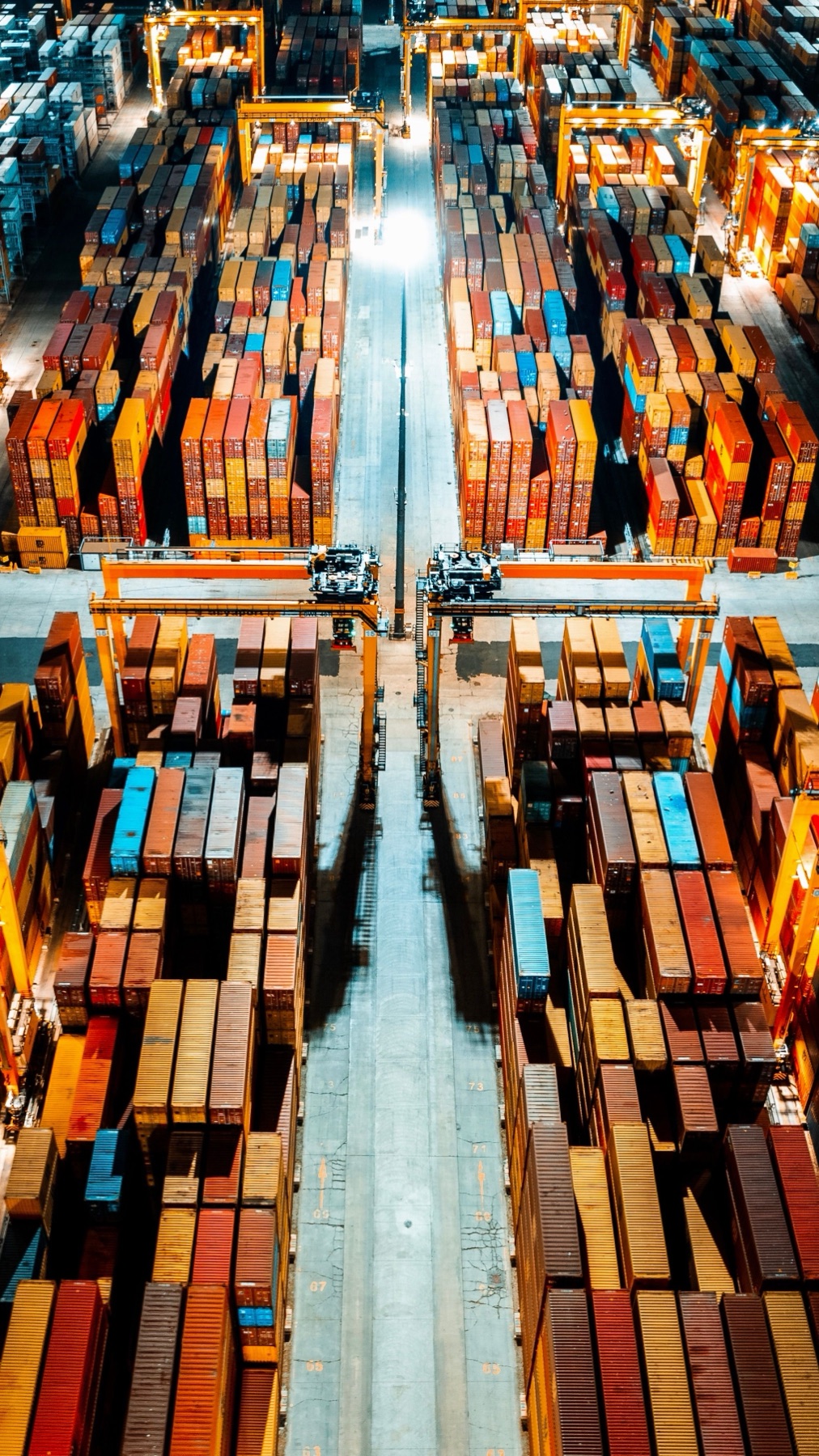
How 1688 overseas sourcing really compares to international marketplaces
From a US buyer’s perspective, the key difference is this:
- 1688 serves China’s domestic B2B market. The interface is in Mandarin and listings are priced in RMB, so an overseas buyer should plan translation, payment and China-side logistics before treating a listing price as comparable. WorldFirst’s guide to sourcing on 1688 provides an external overview of those buyer-side steps; confirm any current platform detail directly before acting.
That leads to different trade-offs:
- On 1688, headline prices and MOQs can look very attractive, especially for commodity products. CrediLinq notes that lower list prices don’t automatically equal lower landed costs once you add agents, FX fees, inspections, and freight.
- On international marketplaces, you often see higher per-unit prices and sometimes higher MOQs, but much of the complexity is already embedded: seller communication in English, platform-level payment rails, and more standardized ways to arrange international shipping.
In practice, 1688 tends to make sense once you’ve already validated demand and can justify extra operational overhead for marginal cost savings or factory access. If you’re still testing products or placing small, irregular orders, international-facing platforms usually fit better.
What matters most when a US buyer considers 1688 vs international marketplaces
Before you decide whether to use 1688 directly or stick with an international marketplace, you need to weigh specific dimensions that roll up into cost, complexity, and risk:
- Pricing & MOQs
- 1688 suppliers often publish wholesale-level prices with very low MOQs, sometimes allowing dozens of units instead of hundreds, which is a major attraction in guides like WorldFirst’s 1688 guide.
- International marketplaces may show higher prices, but you’re paying for simpler access, built-in payments, and shipping options.
- Supplier type: factories vs traders
- 1688 is widely described as a place to find more “original sources” and factories, especially in categories like apparel, home goods, and electronics components.
- International platforms have a mix of factories and trading companies; the proportion of middlemen can be higher, particularly on consumer-facing sites.
- Language and user interface
- 1688’s interface and help content are largely in Mandarin. Buyers who cannot work in Chinese may need translation tools or a bilingual agent.
- International marketplaces are designed in English (often with multiple language options), which makes product research, negotiations, and dispute communication significantly easier for US buyers.
- Payments
- 1688’s native payment and account setup flows are optimized for Chinese entities. Overseas buyers often need cross-border wallets or agents who pay sellers on their behalf, a point highlighted in both WorldFirst and CrediLinq’s coverage.
- International-facing sites take familiar methods (like major cards or global payment services), reducing friction and the need for bespoke financial setups.
- Shipping and logistics
- An overseas buyer should verify whether the supplier will send goods to a China-side warehouse or forwarder, then document who arranges export.
- International platforms generally offer cross-border shipping options where many suppliers are accustomed to quoting international delivery.
- Buyer protection and disputes
- 1688’s protection and dispute systems are primarily oriented toward domestic Chinese transactions and law.
- International marketplaces highlight buyer protection for cross-border orders and frame disputes and evidencing around overseas buyers, though outcomes can still vary.
- Supplier verification and due diligence
- On 1688, verification badges and transaction histories exist but are not easily readable without Chinese. That makes due diligence more work for overseas buyers.
- International platforms typically surface verification badges, reviews, and transaction indicators prominently in English.
- Operational overhead
- Using 1688 from the US usually means adding an extra layer: sourcing agents, third-party payment tools, and freight forwarders. Jingsourcing explicitly notes that they don’t recommend 1688 for most first-time overseas buyers without such support.
- On international marketplaces, those layers are optional enhancements rather than prerequisites.
Every one of these dimensions feeds into the real questions: What will your true landed cost be? How much time and risk are you willing to absorb? And what can your current business realistically handle?
How 1688 works for overseas shoppers and small importers
From the seller’s point of view, 1688 is a domestic wholesale marketplace. For a US buyer, using it well often means building a mini domestic operation inside China.
Core design of 1688
Based on guides like WorldFirst and CrediLinq:
- Language & currency: Interface and support largely in Mandarin; pricing in RMB.
- Audience: Primarily Chinese businesses sourcing wholesale.
- Supplier base: Includes many factories and small manufacturers alongside traders and “virtual factories.”
- Pricing & MOQs: Competitive wholesale pricing, often with low minimum order quantities.
How overseas buyers usually access 1688
In practice, most US-based buyers don’t interact with 1688 in a self-contained, English-friendly way. Common patterns include:
- Translation tools: Some buyers use browser translation for product search and specifications, but this is clumsy for nuanced negotiation.
- Sourcing agents: Many overseas buyers hire third-party agents in China who:
- Search 1688 on your behalf.
- Communicate with suppliers in Chinese.
- Consolidate goods in their warehouse.
- Inspect, repack, and arrange export shipping.
- Cross-border wallets or bank partners: Financial services like those highlighted by WorldFirst provide RMB accounts or payment rails that can pay 1688 suppliers, but they require setup and compliance checks.
- Freight forwarders and consolidators: Because most 1688 orders ship to Chinese addresses by default, buyers often:
- Ship goods to an agent or forwarder’s warehouse in China.
- Combine multiple 1688 orders into a single international shipment.
- Choose air or sea freight based on volume and budget.
Common pitfalls
Several pain points show up repeatedly in third-party guides and forums:
- Language misunderstandings: Auto-translation can misinterpret material specs, compliance requirements, or packaging instructions.
- Payment friction: Sellers may be unfamiliar with your chosen cross-border payment workaround, leading to delays or failed payments.
- Hidden domestic assumptions: A supplier might quote a price that assumes pickup from their warehouse, not delivery to your forwarder, or may not pack for export.
- Dispute complexity: Resolving quality issues through a domestic-oriented platform, across language and legal boundaries, can be slow and uncertain.
None of those are dealbreakers if you treat 1688 as a later-stage tool with professional support. They can be overwhelming if you try to DIY your first international order there.
How Alibaba, AliExpress, DHgate and similar platforms are built for cross-border buyers
While 1688 is domestic by design, several other marketplaces explicitly position themselves around international buyers.
Alibaba.com
- Audience: International B2B buyers.
- Interface & currency: English-first interface; many listings show USD pricing.
- Suppliers: Export-ready factories and trading companies across a wide range of categories.
- Features: Platform-level buyer-protection programs and structured order flows designed for cross-border transactions, as described in CrediLinq’s 1688 vs Alibaba guide.
AliExpress
- Audience: Global retail shoppers and very small buyers.
- Interface & UX: Consumer-style interface, lots of small-quantity listings, often with a “buy 1-5 units” feel.
- Shipping: Integrated international shipping options tailored to individual shoppers.
- Protection: Consumer-style buyer protection and dispute flows.
DHgate
- Audience: International buyers who want wholesale or near-wholesale quantities, often with low MOQs.
- Role: DHgate’s own editorial content describes it as an international B2B marketplace that connects global buyers with China-based suppliers and supports small or even single-unit orders for many SKUs.
Made-in-China and Global Sources
DHgate’s blog and these platforms’ own sites describe both Made-in-China and Global Sources as B2B directories and marketplaces aimed at international buyers:
- Language: English interfaces and multi-language content.
- Role: Connect global buyers with Chinese suppliers, often with a focus on exporters.
- Usage pattern: Buyers frequently use them as discovery and vetting tools, then move to direct negotiations and custom logistics.
In short, all of these platforms converge on the same idea: make cross-border sourcing accessible without requiring you to build a domestic footprint inside China. They differ mainly in target buyer size (consumer vs B2B) and typical MOQs.
1688 vs international marketplaces: pricing, logistics, risk and workload compared
Here’s a compact comparison across key dimensions, summarizing the trade-offs for a US buyer.
| Decision factor | 1688 (domestic focus) | International marketplaces |
|---|---|---|
| Interface | Mandarin-first product and seller information | Interfaces intended for buyers in multiple markets |
| Quote comparison | Compare RMB unit price plus every agent and forwarding input | Compare the live listing, quantity tier and checkout total |
| Supplier review | Translate specifications and verify the business behind the listing | Review each seller, listing and order term independently |
| Logistics planning | Buyer or agent builds the China-side consolidation and export route | Buyer verifies the route and terms displayed for the specific order |
| Workload | More buyer-side coordination before and after ordering | Workload varies by platform, seller and transaction |
Price vs landed cost
On paper, 1688 often wins the price-per-unit contest. CrediLinq notes that for similar listings, 1688 list prices frequently come in below Alibaba’s. But that’s just the start:
- Direct 1688 costs: RMB payment setup or agent fees, inland shipping to a forwarder, export freight, inspections, and potential extra packaging for export.
- International marketplace costs: Higher per-unit price and possibly platform fees, but more standardized payments and logistics.
Once you add all of this, the total landed cost from 1688 may or may not be lower. If your volumes are small, the fixed costs of agents and logistics can easily wipe out any unit savings. The economics improve as you scale.
Access and communication
Because 1688 is Mandarin-first and many suppliers don’t operate in English, you’re effectively adding an internal “translation department,” whether that’s software or people. Misaligned expectations around quality, packaging, or compliance can be expensive.
On international platforms, you still need to be specific, but the baseline—product descriptions, messaging, and contracts—is set up for English users. That saves time and reduces the risk of miscommunication.
Payments and financial setup
On 1688, you typically either:
- Set up an account and connect it via a cross-border wallet or bank solution that supports RMB and aligns with 1688-compatible payments, or
- Use a sourcing agent who pays the supplier locally and invoices you in your home currency.
Each path introduces extra onboarding steps and sometimes compliance checks. International-facing platforms sidestep much of that by accepting familiar cross-border methods on day one.
Logistics and warehouses
1688 treats your orders as domestic until you arrange otherwise. In a common flow:
- Supplier ships to your agent or forwarder inside China.
- Forwarder consolidates shipments and books freight.
- You handle customs and last-mile delivery in the US.
International platforms often let you:
- Purchase with international shipping quotes attached, or
- Work with sellers who already have export processes and, in some cases, inventory closer to your market.
You still bear customs and compliance risk either way, but the mechanical steps tend to be smoother when the platform is built for export.
Buyer protection and verification
Overseas 1688 buyers often rely more on offline risk control: pre-shipment inspections, samples, and strong relationships with agents. Resolving disputes via a domestic platform across borders can be slow and uncertain.
International marketplaces surface more structured protection flows and English-language documentation, plus visible seller reviews and verification badges. That doesn’t eliminate fraud or quality issues, but it gives you a clearer toolbox without having to read Chinese.
Workload and opportunity cost
Finally, factor in your own time and attention. Running 1688-direct is closer to being your own sourcing office in China. For many US-based small businesses, that’s overhead better invested in product development, marketing, or customer service—until volumes justify it.
Which buyers 1688 suits best (and who should start elsewhere)
Different business stages call for different sourcing tools. Here’s where 1688 usually fits.
1. Side hustler testing ideas with limited capital
Profile: You’re experimenting with a few SKUs on Amazon, eBay, Etsy or a small Shopify store. Order sizes are 10-100 units per SKU, and you’re still figuring out what sells.
Better fit: International-facing platforms like AliExpress, DHgate, or smaller-MOQ suppliers on Alibaba. Many listings let you buy in very small quantities and pay with familiar methods, and some DHgate and AliExpress sellers list products specifically tagged for cross-border or foreign-trade use.
Why not 1688 yet? The extra costs of agents and logistics are hard to spread over such small orders, and a single miscommunication on 1688 can wipe out your test budget.
2. Small but growing brand ordering 50-200 units per run
Profile: You have a few proven SKUs and repeat orders. You’re starting to care about branding, packaging, and maybe minor customization. Volumes are bigger but still modest.
Better starting point: Many US brands in this bracket keep working with Alibaba suppliers, DHgate vendors, or export-ready suppliers on Made-in-China or Global Sources. These channels offer:
- More stable communication in English.
- Easier sampling and small-batch production.
- Standardized international logistics.
Where 1688 might fit: If you’ve already validated a product with an export-focused supplier and are now chasing better margins, you might:
- Ask your existing supplier if they also list on 1688 and can extend those prices via your existing relationship, or
- Use an agent to identify the same or similar factories on 1688 for comparison.
Even then, be honest about your bandwidth; juggling agents, new suppliers, and custom logistics while still growing your brand can stretch a small team thin.
3. Experienced importer comfortable with agents and larger volumes
Profile: You’re already importing regularly. Maybe you have a freight forwarder on speed dial, and your average order runs in the hundreds or thousands of units. You can handle some complexity.
1688 is often attractive here. You’re better placed to:
- Work through agents efficiently and negotiate in Chinese via your partners.
- Invest in inspections and factory relationships.
- Spread fixed costs like agent fees and inspections over larger volumes.
This is where 1688’s strengths—access to “original sources,” low MOQs that can still scale, and competitive pricing—can pay off. Many guides that are lukewarm on 1688 for beginners still encourage experienced importers to explore it.
4. Micro-reseller or consumer-level overseas buyer
Profile: You’re mainly shopping for personal use, or you flip a few items locally but don’t run a formal ecommerce business.
Better fit: AliExpress, DHgate, and other consumer-leaning platforms. They’re designed for one-off purchases, offer small-quantity options, and shield you from most of the cross-border infrastructure work.
Why 1688 is overkill: For this profile, the overhead of agents, RMB payments, and consolidating shipments makes little sense. You’d be building an import pipeline for what is essentially retail shopping.
Quick self-check: are you ready to source from 1688 directly?
Use this short checklist to decide if 1688-direct is realistic for you right now:
- Language: Do you have either:
- A trusted bilingual partner or agent, or
- A team member who can operate comfortably in Mandarin?
- Agent or on-the-ground support: Have you identified a credible sourcing agent or service that can:
- Communicate with 1688 suppliers,
- Receive and inspect goods in China, and
- Handle consolidation and export?
- Payment solution: Do you have a cross-border wallet or banking setup capable of paying 1688 suppliers via methods they actually accept—or a clear arrangement where your agent pays domestically and invoices you?
- Logistics partner: Do you have a freight forwarder or logistics partner who can move goods from China to the US, and who understands your product type (e.g., electronics vs apparel) and relevant compliance basics?
- Risk and time tolerance: Can your business absorb:
- A few missteps while you learn, and
- Longer lead times due to experimentation with suppliers, agents, and logistics?
If you can confidently check most of these boxes, 1688 may be a strong channel for driving down costs or accessing factories that don’t prioritize export marketplaces. If several boxes are empty, it’s usually safer to treat 1688 as a future step and rely on international-facing marketplaces for now—where payments, logistics, and buyer protection are aimed squarely at overseas customers.
Example DHgate listing snapshot (cross-border apparel)
To illustrate how international-facing platforms surface cross-border-ready products, here is a snapshot from a DHgate listing (data as of 2026-09-12; listings, availability, and prices can change over time):
| Field | Snapshot detail |
|---|---|
| Product title | Exclusive for overseas cross-border e-commerce platforms: Men’s underwear, European and American large size boxer briefs, extra-long boxer shorts |
| Category | Men’s shorts |
| Price range (USD) | 12.37-12.95 per unit (at 2026-09-12; actual prices may vary) |
| Cross-border note | Title references overseas cross-border e-commerce platforms, indicating targeting of international buyers |
This kind of listing illustrates how some international marketplaces expose cross-border-oriented products with USD pricing visible up front, compared with 1688’s RMB-priced, domestic-first listings.