How DHgate Fits into Reselling: Sourcing vs Selling Platforms
A reselling business always has two layers:
- Where you source inventory (DHgate, Alibaba, Global Sources, domestic wholesalers, dropship platforms).
- Where you sell inventory (Amazon, eBay, Etsy, Facebook Marketplace, Poshmark, Mercari, Shopify/BigCommerce, local flea markets).
DHgate sits firmly in the first layer. Its own editorial content describes it as a leading online wholesale B2B marketplace connecting international buyers to Chinese wholesalers and distributors, with more than 2.2 million sellers and over 22 million products mentioned in one blog article as a sense of scale, not as official statistics.Source
You don’t open a DHgate account to attract US end consumers the way you would on Amazon or Facebook Marketplace. You open it to buy stock or arrange production. Then you ship that stock to yourself, a warehouse, or a 3PL, and list it for sale elsewhere.
For resellers, keeping this distinction clear matters. The stricter your selling marketplace (for example, Amazon or eBay), the more careful you must be about what you source from DHgate—especially around branding, safety, and documentation. On casual or local venues (such as Facebook Marketplace, which DHgate’s own blog lists among major selling sitesSource), you have more flexibility, but you still need honest descriptions and realistic arrival dates.
If you’re looking for guidance on choosing the best selling apps and sites themselves, that lives in a separate DHgateWiki cluster on reselling platforms. Here the focus is using DHgate as a source of goods for those marketplaces.
What Matters When You Source Inventory to Resell Elsewhere
When you buy from DHgate with the intent to resell, you’re not just chasing cheap unit costs. You have to work backwards from your resale venue’s rules and customer expectations.
Key criteria to judge DHgate—or any sourcing marketplace—through a reseller lens:
- Unit cost and minimum order quantities (MOQs)
DHgate is positioned for wholesale buyers but often supports low MOQs: some listings are per-piece, some are per-lot. That’s friendly for testing products with a few dozen units instead of committing to hundreds or thousands.
- Product breadth and niche availability
DHgate blog content and product snapshots show everything from fashion accessories and shoes to exhibition shelving, industrial hydraulic parts, and emergency kits.SourceSourceSourceSource Wide range helps if your resale business is niche or needs both inventory and fixtures.
- Shipping times and reliability to the US
Cross-border shipping from mostly Chinese suppliers usually means longer and more variable delivery times than domestic wholesalers. That can be acceptable if you hold stock before listing, but it’s a bigger issue if you try to sell on fast-shipping marketplaces. Check each listing’s estimated delivery and build in a buffer rather than promising best‑case timings.
- Risk profile: replicas, IP, and authenticity
Community and third‑party editorial sources note concerns about unlicensed branded items on DHgate. Quora discussions, for example, talk about sites like DHgate hosting fake or unlicensed products.Source Reddit users in a “DHgate reselling” thread discuss reselling DHgate items locally, including replicas.Source These are perceptions, not verified platform‑wide facts—but they’re a clear warning. If your resale venue bans counterfeit or unlicensed branded goods (which many do), you should avoid anything that appears to piggyback on brand logos, famous designs, or trademarked names.
- Supplier communication and customization
DHgate is designed for direct contact with suppliers. Some listings, particularly industrial and shelving products, explicitly mention customization.SourceSource That’s useful if you plan private-label bundles or custom dimensions, but it also adds complexity and lead time.
- Scalability and compliance
A simple logic to apply:
- Choose your selling platform first. What rules will you be living under?
- Decide if cross-border wholesale fits those rules. For strict venues, you’ll need more documentation and safer categories.
- Evaluate DHgate against the criteria above and decide if it’s your primary source, a test channel, or a poor fit for that particular business model.
Using DHgate as a Sourcing Marketplace: What You Can Actually Get
DHgate’s catalog isn’t just phone cases and sneakers. Snapshot data from current listings shows how wide the range is and how pricing looks at a glance.
DHgate listing snapshot (observed September 11, 2026)
Prices and availability change constantly; treat this as a feel for categories and ranges, not a recommendation.
| Example listing (category) | Price range (USD) | What it suggests for resellers |
|---|---|---|
| Pegboard / warehouse shelving – Exhibition EquipmentSource | ~44.43–48.05 per unit | You can source store or warehouse fixtures at mid-range wholesale prices and possibly customize dimensions. |
| Warehouse shelving / hardware storage – Exhibition EquipmentSource | ~69.55–75.22 per unit | Higher-load shelving for physical retail or storage; useful if you’re setting up a warehouse or retail space. |
| Emergency preparedness kit – Emergency PreparednessSource | ~7.30–72.66 per kit | Wide-range kits that could appeal to niche sellers, but may sit in regulated territory requiring certifications. |
| Men’s skate shoes – Other ShoesSource | ~32.42–34.89 per pair | Fashion footwear at wholesale-like pricing, potentially attractive for margin but higher risk if design overlaps with branded styles. |
| Hydraulic machinery parts – Machining ServiceSource | ~1005.03 per order | Custom industrial parts showing DHgate’s reach into technical B2B components. |
| Commercial stainless steel sink – Kitchen & BarSource | ~109.95–183.20 per unit | Restaurant and kitchen fixtures for hospitality resellers or local build-outs. |
| Customized substations / switchgear – Circuit Breaker PanelsSource | ~7,999.00 per unit | High-value, specialized industrial equipment for very niche B2B projects. |
From a reseller perspective, this mix shows two useful things:
- You can source both inventory and infrastructure (shelving, sinks, industrial components) on DHgate.
- Price spans are wide, with some categories offering low entry costs (small accessories, basic kits) and others requiring serious capital and technical knowledge.
None of the listings above are recommendations. Suitability for reselling—including quality, safety, and platform rule compliance—must be independently verified for your specific use case.
How DHgate compares to other sourcing marketplaces
DHgate’s own editorial content and third-party blogs mention other wholesale platforms:SourceSource
- Alibaba – Often more manufacturer-oriented, with higher MOQs geared to larger buyers or private label production.
- Global Sources – Positions itself as a curated B2B marketplace and lists DHgate among peer platforms.
- Dropship-focused services – Sites like CJdropshipping or YiwuGo (mentioned in alternative-roundup articles) emphasize direct‑to‑consumer shipping integrations rather than bulk inventory.
In practice:
- If you want lower MOQs and ready-made products to test quickly, DHgate can be easier to start with than many factory-focused Alibaba suppliers.
- If you want stronger pre-curation, a platform that markets itself as curated (such as Global Sources) may be attractive, although you still need to vet suppliers yourself.
- If you want to avoid holding stock entirely, dropship platforms are built for that—but they change your margin and control equation.
DHgate sits in the middle: broad catalog, test-friendly quantities, more work on vetting.
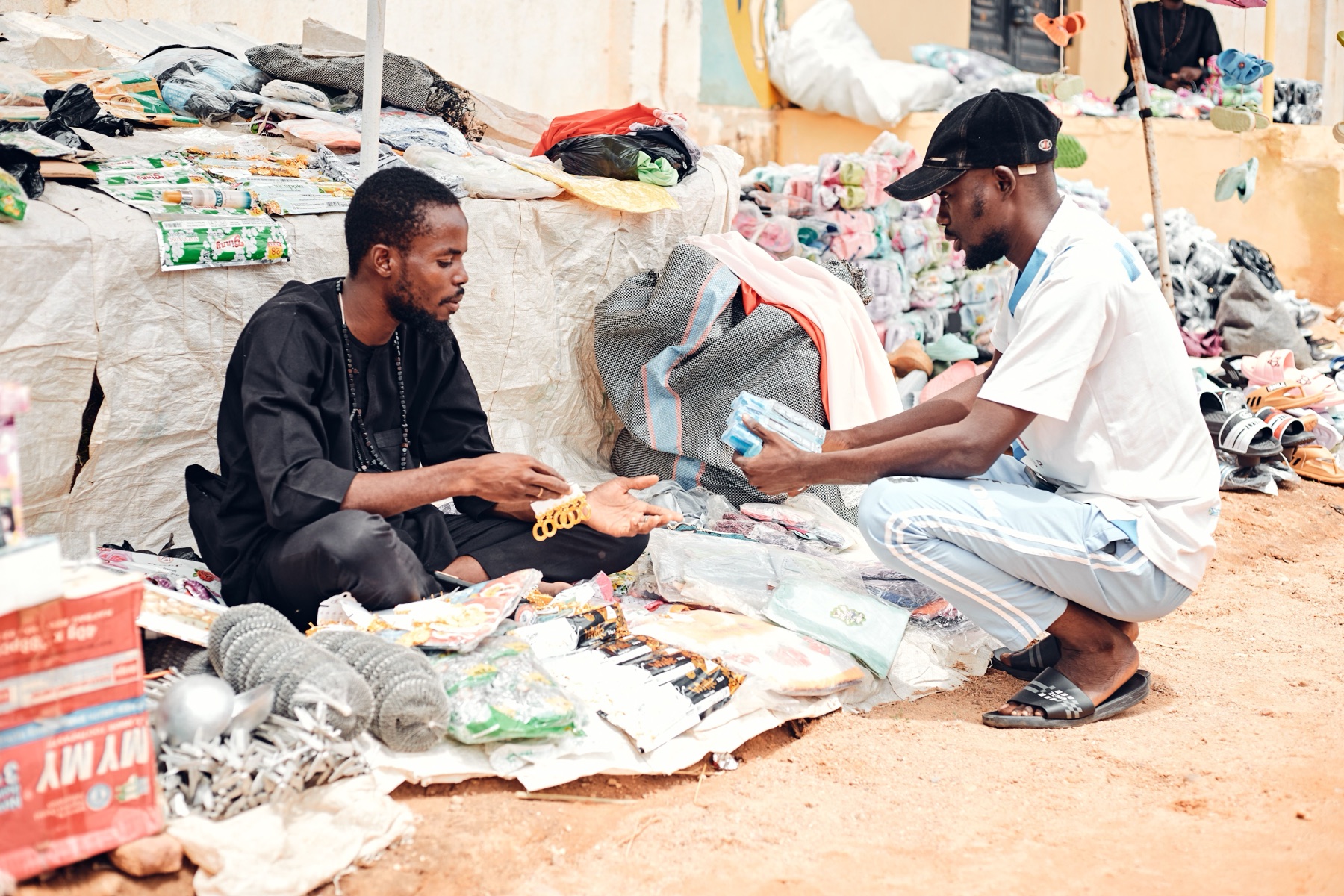
Warehouse shelving with packed boxes, illustrating inventory sourced for resale from wholesale marketplaces like DHgate.
How DHgate Sourcing Plays Out on Different Reselling Marketplaces
The same DHgate-sourced product can be fine on one resale platform and a headache on another. Differences mostly track policy strictness, customer expectations, and how public your brand is.
Amazon and eBay
These marketplaces commonly have strong rules around:
- Authenticity and IP – Branded items, lookalike designs, and trademarked logos can trigger listing removals or account reviews.
- Documentation – They can request invoices or proof of origin for certain categories.
- Returns and customer satisfaction – Long shipping times or inconsistent quality often show up in reviews and defect metrics.
Given community chatter about replicas on DHgate,SourceSource sourcing anything that appears to mimic major brands and listing it as genuine on Amazon or eBay is risky from both a compliance and legal standpoint. For these platforms, DHgate is more suitable for:
- Clearly generic accessories (e.g., unbranded organizers, simple home goods, plain jewelry).
- Products where you can build your own brand and packaging and obtain whatever documentation your category demands.
You’d still want to order samples, test durability, and plan for returns—buyers on these platforms expect consistency. Check Amazon or eBay’s current seller policies directly for exact requirements.
Facebook Marketplace, Mercari, OfferUp, local resale
DHgate editorial posts themselves mention Facebook Marketplace as a major selling venue.Source Platforms in this group:
- Tend to have looser enforcement on branding and documentation for casual sellers.
- Often support local, face-to-face transactions or small parcel sales.
Risks are still real:
- If you misrepresent a replica as authentic, buyers can complain or seek refunds.
- Quality surprises can kill word-of-mouth quickly in local groups.
Honest descriptions and sticking to generic products are safer even in informal markets.
Shopify, BigCommerce, and other own-site stores
Your own store sits between strict and casual venues. You set your own policies—but payment processors, ad platforms, and regulators still apply.
DHgate can be useful here for:
- Building private-label lines around generic hardware, decor, or accessories.
- Sourcing bundles (e.g., combining a generic emergency kit with your own digital instructions) if you’re careful about regulations.
You’re responsible for:
- Any regulatory compliance (safety, labeling, certifications in emergency gear, electronics, children’s products, etc.).
- Handling returns and quality control.
Etsy, Poshmark, niche fashion marketplaces
These platforms have strong brand positions and specific rules. DHgate-sourced items may conflict with Etsy’s handmade focus if you don’t clearly label them as supplies or manufactured goods. Poshmark allows fashion reselling but has guidelines around counterfeit luxury items.
For these markets, DHgate is only appropriate if:
- You’re selling non-branded, clearly commercial items that align with platform rules.
- You avoid any listings that imitate luxury logos or trademarked designs.
Always review each marketplace’s most recent policies rather than relying on assumptions.
Is DHgate the Right Sourcing Choice for Your Reselling Model?
Different reseller profiles will get very different value out of DHgate. DHgate’s own resale-focused blogs describe it as popular for procuring products for resale, emphasizing OEM access and competitive pricing, but also stressing that success requires research and strategic planning.Source Here’s how DHgate often fits by profile.
1. Casual local reseller (Facebook Marketplace, Mercari, flea markets)
DHgate role: Often a viable experimental source.
- You can buy small quantities of low-cost, generic goods—think simple home accessories, basic tools, or unbranded fashion—and test them with local buyers.
- Shipping time matters less because you don’t list until the product is in hand.
What you must verify:
- Order a small test batch first and physically inspect it.
- Avoid listings that reference famous brands, logos, or luxury design language.
- Check your local platform’s rules on replicas—even casual venues are tightening.
2. Small Shopify/BigCommerce brand
DHgate role: Good for product discovery and low-risk testing, not always the main long-term source.
- Use DHgate to identify generic product concepts you can private-label or bundle.
- Once a product proves itself, you might eventually migrate sourcing to a single manufacturer (sometimes via another B2B platform or a domestic partner) for consistency.
Verification needs:
- Samples for every product; test for durability and any safety concerns.
- Clarify customization options with suppliers (colors, packaging) and confirm realistic lead times.
- For regulated products (emergency kits, electronics, children’s items), research US requirements and obtain documentation from the manufacturer, not just the DHgate listing.
DHgate’s own market research guide stresses looking at product trends, competitor listings, and ratings before committing.Source
3. Amazon/eBay seller
DHgate role: Usually a secondary or high-risk channel unless you’re extremely disciplined.
- Variable quality and community reports of replicas make it riskier for brand-sensitive marketplaces.
- Some enforcement actions on these platforms revolve around inadequate documentation or authenticity issues.
Where DHgate can fit:
- Generic items with no IP overlap, in categories that don’t demand complex certifications.
- Early idea testing before you commit to larger runs from factory-direct sources.
When alternatives are safer:
- Branded or heavily regulated categories where you need rock-solid authenticity and paperwork—domestic wholesalers, manufacturer-direct platforms, or curated B2B sites can be better aligned.
4. Niche B2B/industrial reseller
DHgate role: A targeted sourcing option with high due-diligence requirements.
Product snapshots show industrial and mechanical components, custom hydraulic parts, and even substations on DHgate.SourceSource If you’re a niche B2B reseller:
- DHgate might expose you to suppliers you couldn’t find domestically.
- Prices can be attractive, but technical and safety stakes are high.
Verification needs:
- Detailed technical specs directly from the manufacturer.
- Compliance documentation (electrical, safety, industry standards as applicable).
- Test orders and, ideally, independent quality checks before integrating into critical systems.
In many industrial cases, more curated platforms or direct manufacturer relationships are preferable.
5. Dropship-focused entrepreneur
DHgate role: Typically not the primary platform; better as a backup source.
DHgate can support dropship-like models, but many dedicated dropshipping services (such as those listed in NextSmartShip’s overview of DHgate alternativesSource) are built specifically to sync with storefronts and ship directly to customers.
You might use DHgate to:
- Source unique products that aren’t on mainstream dropship catalogs.
- Test items before asking a manufacturer to support direct shipping.
But if you don’t want to hold any inventory, you’ll likely lean on dropship platforms first and treat DHgate as a way to broaden your product research.
Where DHgate Really Fits in a US Reseller’s Sourcing Strategy
DHgate is best understood as a flexible but higher-work sourcing marketplace. Its blogs emphasize competitive pricing, broad product choice, and access to OEM-type factories, while also noting that successful reselling requires research and strategic planning.SourceSource
External and community sources describe DHgate as a large marketplace with mixed perceptions around quality and legitimacy,SourceSource which is typical for platforms hosting millions of independent sellers.
For US resellers, DHgate is genuinely useful for:
- Testing product ideas in low volumes without committing to huge MOQs.
- Sourcing generic accessories and simple home goods where brand isn’t the selling point and margins matter.
- Buying fixtures and equipment (shelving, sinks, some industrial hardware) for retail or warehouse setups while controlling costs.
It tends to fall short or require heavy due diligence for:
- Strict marketplaces—especially for branded or regulated products, where authenticity and compliance documentation are critical.
- Highly regulated categories (safety gear, children’s items, complex electronics) where you must have clear certifications and traceable manufacturing.
- Situations where you need platform-backed guarantees on quality or authenticity rather than case-by-case supplier vetting.
A practical way to integrate DHgate:
- Treat it as one sourcing channel among several—not your only pipeline.
- Start in low-risk, unbranded categories, order samples, read listing reviews, and talk to suppliers before placing larger orders.
- Always align your purchases with the rules of your chosen reselling platforms, especially on IP, authenticity, and returns, by checking their official policy pages.
Used this way, DHgate can be a helpful tool for US resellers willing to do the legwork. If you want plug-and-play compliance and standardized quality for strict marketplaces, you’ll likely combine it with more curated or domestic sources as your business grows.