
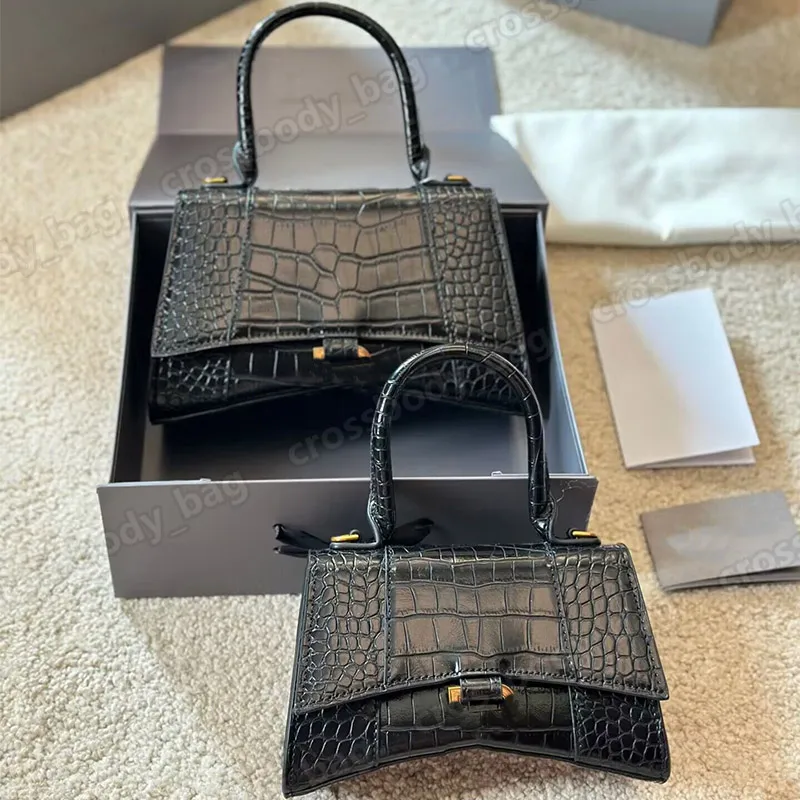
Quick answer: A DHgate handbag listing does not, by itself, prove that a branded item is authentic. Product photos, packaging images, seller ratings, reviews, price, and a seller’s written claim can help you understand what is being offered, but none of them independently establishes brand authorization, provenance, or authenticity. If verified authenticity matters to you, buy through the brand’s official channels, an authorized retailer listed by the brand, or a seller with independent authentication and a clear return policy.
DHgate is a marketplace with listings from different sellers. That means you should evaluate each listing carefully, but it also means you should not treat the marketplace name, a polished listing, or an order record as proof that a branded handbag is genuine. If you cannot verify an item’s status, do not buy it as an authentic branded product.
What can a DHgate handbag listing actually prove?
A listing can help you assess what a seller is claiming to offer. It can show the selected product option, stated material, dimensions, price, shipping information, seller feedback, and the terms currently visible on the page. Those details are useful for deciding whether a product is clearly described and whether the order is worth considering.
However, a listing cannot independently establish that a branded handbag is authentic. A page may contain photos, a brand name, packaging images, reviews, or a seller statement, but these elements are not a substitute for verified authorization, traceable provenance, or independent authentication.
| Listing signal | What it may help you assess | What it cannot prove on its own |
|---|---|---|
| Product photos | Visible design, color, shape, hardware, and the seller’s presentation of the item. | That the photographed item is genuine, authorized, or identical to the item you will receive. |
| Seller rating and reviews | Patterns in buyer communication, delivery experience, and whether previous buyers described the order clearly. | That a branded handbag is authentic or that your selected item will be identical to another buyer’s order. |
| Packaging photos or accessories | What the seller chose to show with the listing. | That the packaging, cards, dust bag, box, or other accessories establish authenticity. |
| A seller’s written claim | What the seller says about the item. | Brand authorization, documented provenance, or independent verification. |
| Price | Whether the price is consistent with the seller’s own stated materials and product description. | Authenticity. A high price and a low price are both insufficient proof. |
If the product is sold as an unbranded fashion handbag, evaluate it based on the stated materials, dimensions, construction, price, shipping terms, and return conditions. Do not assume that an unbranded product is connected to a luxury brand merely because its shape or styling looks familiar.
When should you treat a handbag as unverified?
Treat a branded handbag as unverified when the listing does not provide a reliable way to establish its source and authorization. This is especially important when the product page uses brand names, logos, luxury-style language, or imagery that implies a connection to a trademark owner without giving the buyer a verifiable basis for that claim.
Do not treat the following as enough evidence of authenticity:
- A close-up photo of a logo, label, serial-looking number, box, dust bag, or card.
- A seller statement that the product is “real,” “genuine,” “original,” or similar wording.
- Positive feedback that does not independently verify the product’s origin.
- A product price that appears unusually low or unusually high.
- A comparison between the listing photos and photos found elsewhere online.
- A claim that an item is “inspired by” or similar to a branded design.
If the seller cannot provide a clear, verifiable basis for a branded authenticity claim, do not purchase the item as genuine. Do not rely on coded language, altered branding, or off-platform communication as a substitute for trustworthy product information.
What is the safest way to buy a verified authentic handbag?
If verified authenticity is essential, start with the brand rather than with a marketplace listing. Use the brand’s official website to identify its own stores, online shop, or authorized retail partners. If you are considering a pre-owned handbag, choose a seller or service that provides item-specific authentication, clear condition information, and a return process you can review before paying.
Before buying from any source, make sure you can answer these questions:
- Who is selling the exact item?
- Is the seller an authorized retailer, the brand itself, or a resale business with a defined authentication process?
- What documentation or verification process applies to this specific item?
- What return option applies if the item is not as represented?
- Can you review the condition, price, shipping, and final payment terms before purchase?
If the seller, source, authentication method, or return terms are unclear, the safest decision is to walk away rather than fill in the missing information with assumptions.
How should you evaluate an unbranded handbag listing on DHgate?
An unbranded fashion handbag can still be evaluated as a product purchase. The task is different: you are assessing whether the material, dimensions, construction, color, included accessories, price, shipping, and return terms fit your needs.
For an unbranded handbag, check:
- Selected option: Confirm the exact color, size, material, closure type, and included accessories.
- Dimensions: Check the stated width, height, depth, handle drop, and strap length rather than estimating from photos alone.
- Materials: Look for a clear description of the outer material, lining, hardware, and any care instructions.
- Photo consistency: Compare the title, selected variant, written description, and photos to make sure they describe the same item.
- Seller communication: Ask direct questions about a missing product detail and keep the answer on the platform.
- Order terms: Check the available shipping option, total cost, estimated delivery information, and current return or dispute options before paying.
A clear listing is not a guarantee of quality, but it gives you a more useful basis for deciding whether the product is worth a small, manageable purchase.
What should you ask a seller if a listing claims a branded item is authentic?
Do not ask broad questions such as “Is this real?” A simple yes or no answer is not evidence. Ask for information that identifies the exact listing and the basis for the seller’s claim. If the response cannot be independently verified, do not treat the item as authentic.
Copy and send this message:
Hello, I am considering the exact item shown in this listing. Before I make a purchase, please confirm:
- Is this item being sold as an authentic branded product or as an unbranded fashion item?
- If it is sold as an authentic branded product, what is the verifiable basis for that claim?
- Please confirm the exact material, dimensions, hardware, included accessories, and selected color or variant.
- Will the item sent match the photos and written description in this listing?
- What shipping option and delivery estimate apply to my destination?
- What option is available if the delivered item materially differs from the listing?
Please reply through the DHgate message system so I can compare the response with the listing and order details before paying. Thank you.
A seller reply can clarify what the seller is claiming, but it does not independently authenticate a branded product. If verified authenticity is your requirement, choose a source that can support that requirement with a trustworthy, item-specific process.
What should you save before placing a DHgate order?
If you decide to buy an unbranded handbag or another product you have evaluated on its own terms, save the information that defines the order before you pay. Listings, availability, prices, and shipping options can change.
- The product-page URL and listing title.
- The selected variant, color, quantity, and stated specifications.
- Photos and written description shown at the time of purchase.
- The seller’s relevant written replies in the DHgate message system.
- The checkout summary, shipping option, total amount, and order number.
- Tracking information and photos of the delivered parcel if an issue arises.
These records do not prove brand authenticity. They do help you compare the delivered product with the order you actually placed if the item arrives damaged, incorrect, incomplete, or materially different from its listing.
What should you do if the handbag does not match the listing?
If a handbag arrives and materially differs from the documented listing, act promptly and use the current order options shown in your DHgate account. Review the order details and any available return, refund, or dispute process for that specific order.
- Take clear photos of the item, packaging, labels, and any difference from the listing.
- Keep the shipping label, order number, tracking record, and seller messages.
- Compare the delivered item with the saved product photos, selected option, and written description.
- Use the platform’s order-based support, return, refund, or dispute path that is currently available for the order.
- Review the relevant deadline before taking action, because available options can depend on order status and timing.
Do not make assumptions about the outcome of a claim. The available process, evidence requirements, and decision can depend on the current order record and DHgate’s terms at the time you submit it.
When should you walk away from a handbag listing?
Do not buy the listing as an authentic branded handbag when:
- The only evidence is a photo, product title, seller statement, review, packaging image, or price.
- The seller cannot give a clear, verifiable basis for an authenticity claim.
- The listing uses vague or contradictory wording about the brand, materials, or source.
- The photos, selected option, product description, and seller message do not describe the same item.
- You cannot determine what return or order-resolution option applies before paying.
- You would need to rely on assumptions to decide whether the item is genuine.
The safest rule is simple: if you need verified authenticity, use a source designed to provide it. If you cannot verify it, do not purchase or represent the handbag as authentic.
FAQ: DHgate handbags and authenticity
Are handbags on DHgate automatically authentic?
No. DHgate is a marketplace with listings from different sellers. A marketplace listing does not automatically establish that a branded handbag is authentic.
Can photos or packaging prove that a handbag is real?
No. Photos, boxes, cards, dust bags, labels, and packaging can show what appears in a listing, but they do not independently establish authenticity or brand authorization.
Can seller reviews prove authenticity?
No. Reviews can offer context about previous buyers’ experiences, but they do not independently verify the source or authenticity of a branded handbag.
What should I do if I need a verified authentic handbag?
Buy through the brand’s official channel, an authorized retailer identified by the brand, or a resale source with an item-specific authentication process and clear return terms.
What if the delivered handbag differs from the listing?
Save photos, packaging, tracking details, the listing, and seller messages. Then review the current order details in your DHgate account and use the available order-based return, refund, or dispute option promptly.
Sources and further reading
- DHgate: Does DHgate Sell Fake Products? – How To Choose Best Quality Authentic Items
- DHgate: How To Find Real Designer Products (High-Quality Buying Tips)
These DHgate articles provide platform context only. They do not verify the authenticity, source, authorization, or quality of a particular handbag listing or order.