
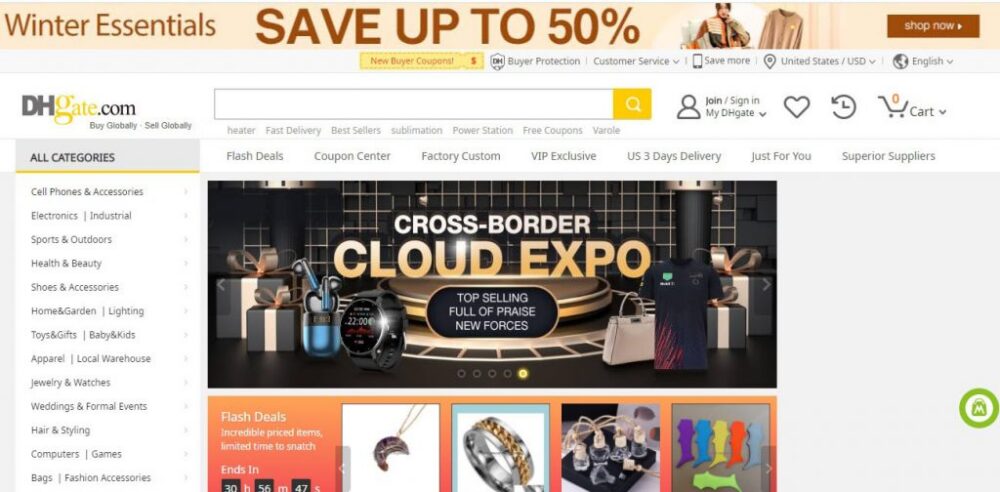
Quick answer: DHgate sales safe means checking more than a discount label: compare the exact selected variation, seller signals, coupon conditions, delivery charge and final checkout total. If the deal details are unclear, do not rush payment because of a countdown or promotional claim.
If you are asking whether DHgate sales are safe, the real question is usually simpler: can you use DHgate in a way that gives you a clear order record, visible seller signals, and a documented path if something goes wrong? For U.S. buyers and small-business readers, the answer is tied to how you use the marketplace tools. DHgate is a real marketplace with documented order records, buyer-protection steps, and dispute pathways, so the practical focus is on using those tools correctly from the start.
What first-time buyers are asking
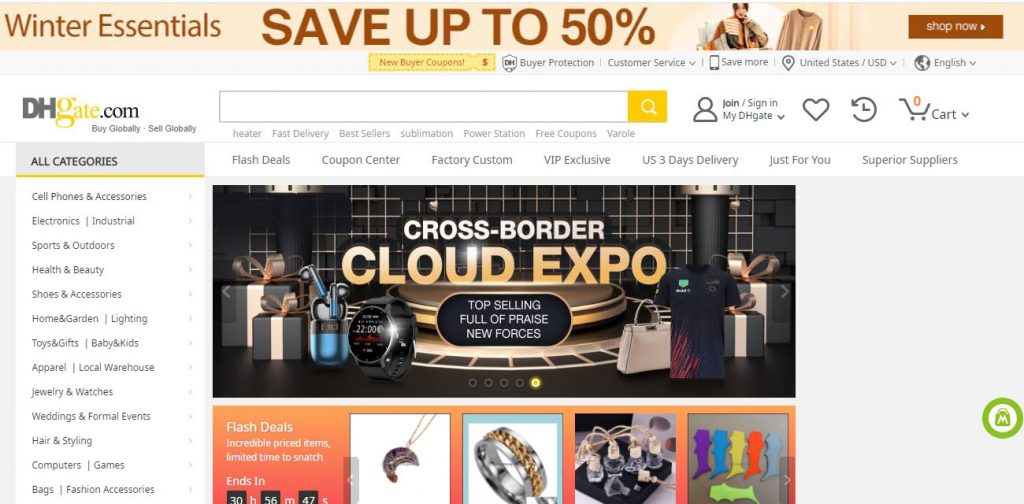
When people search are dhgate sales safe, they are usually trying to answer three practical questions:
- Is DHgate a real marketplace with actual order tools?
- What happens if an item does not arrive or does not match the listing?
- How do I avoid making a purchase I cannot document later?
That is the right frame. Safety on DHgate is not about a single yes-or-no label. It is about whether the listing, the seller record, the order page, and the dispute path give you enough information to manage the transaction well.
A useful way to think about DHgate safety is this: the platform gives buyers a process, and the buyer’s job is to use that process carefully.
Two expectation-setting boundaries matter here. Buyer protection is an order-based process. Timing and documentation support case review.
How DHgate works as a marketplace
DHgate operates as a marketplace, not as the manufacturer of the products listed on it. That matters because the platform’s role is to provide the transaction environment: product pages, seller accounts, order records, messaging, and the buyer-protection flow that supports dispute review.
From DHgate’s own guidance, the platform is built around transaction governance. Sellers operate through the marketplace, buyers place orders through the platform, and the order record becomes the basis for later review if there is a problem. DHgate also publishes buyer-facing help pages that describe how disputes are handled and how buyers can move from order status to a formal case when needed.
In practical terms, DHgate is a marketplace with official order tools and buyer-protection pathways, so the transaction record matters as much as the product page.
For U.S. buyers, that means the practical approach is to stay inside the platform workflow: read the listing, message the seller on-platform, place the order through DHgate, and keep the order history intact.
How DHgate buyer protection and disputes work
DHgate’s buyer protection is tied to the order itself. The platform’s help pages describe a process for items that are not received, damaged, or not as described, and they direct buyers to use the order page to open a return or refund request. DHgate’s after-sale guidance also shows that disputes are reviewed through the platform’s own case process, with evidence from both sides considered during review.
The practical sequence is straightforward:
- Go to My Orders.
- Open the relevant order details.
- Use the platform’s Return & Refund or dispute option when the order is still within the applicable window.
- Upload evidence that supports your claim.
- Keep communication inside DHgate while the case is active.
- Escalate through the platform if the seller and buyer do not resolve the issue directly.
The key point is that DHgate buyer protection is an order-based process, not a general promise detached from the order record.
That is why documentation matters. Screenshots of the listing, order confirmation, messages, tracking updates, photos of what arrived, and any customs or delivery notices can all help the case review. If you wait too long or confirm receipt before checking the item, you may make the review path harder to use.
How to evaluate a DHgate seller and listing
Before you order, look at the signals that are visible on the DHgate listing and seller page. The goal is not to guess; it is to compare what the page says with what you need.
Start with these checks:
- Seller history and feedback: Look for a seller profile with a meaningful transaction history and recent feedback.
- Review detail: Read the comments, not just the star rating. Photo reviews and recent reviews are especially useful because they show what buyers actually received.
- Listing clarity: A strong product page should describe the item clearly, including variant options, materials, dimensions, or other details that matter to your purchase.
- Message quality: Send a short pre-order message and see whether the seller answers clearly and consistently.
- Order terms: Check delivery estimates, return or dispute language, and any notes that affect how the order will be handled.
A useful DHgate listing is one that gives you enough detail to compare the page to the item later.
For small-business readers, this step is especially important because a first order is often a test order. Use the listing to verify whether the product page supports your use case before you commit to a larger purchase.
A practical first-order workflow on DHgate
Here is a simple workflow you can use for a first DHgate order:
- Search with a specific term. Use the product name, size, style, or material you actually need.
- Open several listings. Compare the product page details, not just the headline image.
- Message the seller before paying. Ask one or two direct questions about the item, variant, or order terms.
- Place the order through DHgate. Keep payment and order details inside the platform.
- Save evidence immediately. Screenshot the listing, seller messages, and order confirmation.
- Track the order in your account. Watch the status and keep any delivery updates.
- Inspect before confirming receipt. If there is a problem, use the order page to open a dispute or return request with your evidence attached.
If you want a simple rule, use this: search, inspect, message, order, document, and only then confirm receipt. That sequence keeps the transaction inside DHgate’s own workflow and gives you the clearest path if a review is needed later.
For a first-time buyer, the practical answer to are dhgate sales safe is that DHgate provides documented order and dispute tools, and buyers can use them more effectively when they keep the transaction record complete and act within the platform process.
Quick answer
DHgate sales can be used more safely when you stay inside the platform workflow, check the seller page carefully, and keep clear records of the listing, messages, and order details. Safety depends less on a single promise and more on how well you document the purchase and use DHgate’s buyer-protection and dispute steps if something goes wrong.
FAQ
Is DHgate buyer protection automatic?
It is tied to the order process, so you still need to use the platform’s order and dispute tools correctly.
What should I save before placing an order?
Save the listing page, seller messages, and order confirmation so you have a record if you need to review the purchase later.
Should I message the seller first?
Yes. A short pre-order message can help you check whether the seller responds clearly and consistently.
What if the item arrives with a problem?
Use the order page and follow DHgate’s return or dispute steps within the applicable window, with evidence attached.
Is it better to inspect before confirming receipt?
Yes. Inspecting first helps you keep the platform review path available if there is an issue.
Next step
If you are comparing listings, open a few seller pages, save screenshots, and use the order record as your main reference before you buy.
Sources and further reading
- DHgate brand blog: https://www.dhgate.com/blog/?p=12366
- DHgate brand blog: https://www.dhgate.com/blog/?p=7972
- DHgate brand blog: https://www.dhgate.com/blog/?p=8511
- DHgate brand blog: https://www.dhgate.com/blog/?p=13034
- DHgate brand blog: https://www.dhgate.com/blog/?p=12378
- U.S. Customs and Border Protection, Basic import and export guidance: https://www.cbp.gov/trade/basic-import-export
- FedEx packing guidance: https://www.fedex.com/en-us/shipping/packing/how-to-pack.html
Note: The DHgate brand blog sources above were used as first-party grounding for marketplace and buyer-protection context. They are editorial blog pages, so they should be treated as platform guidance rather than independent verification of any individual seller, listing, or order outcome.