
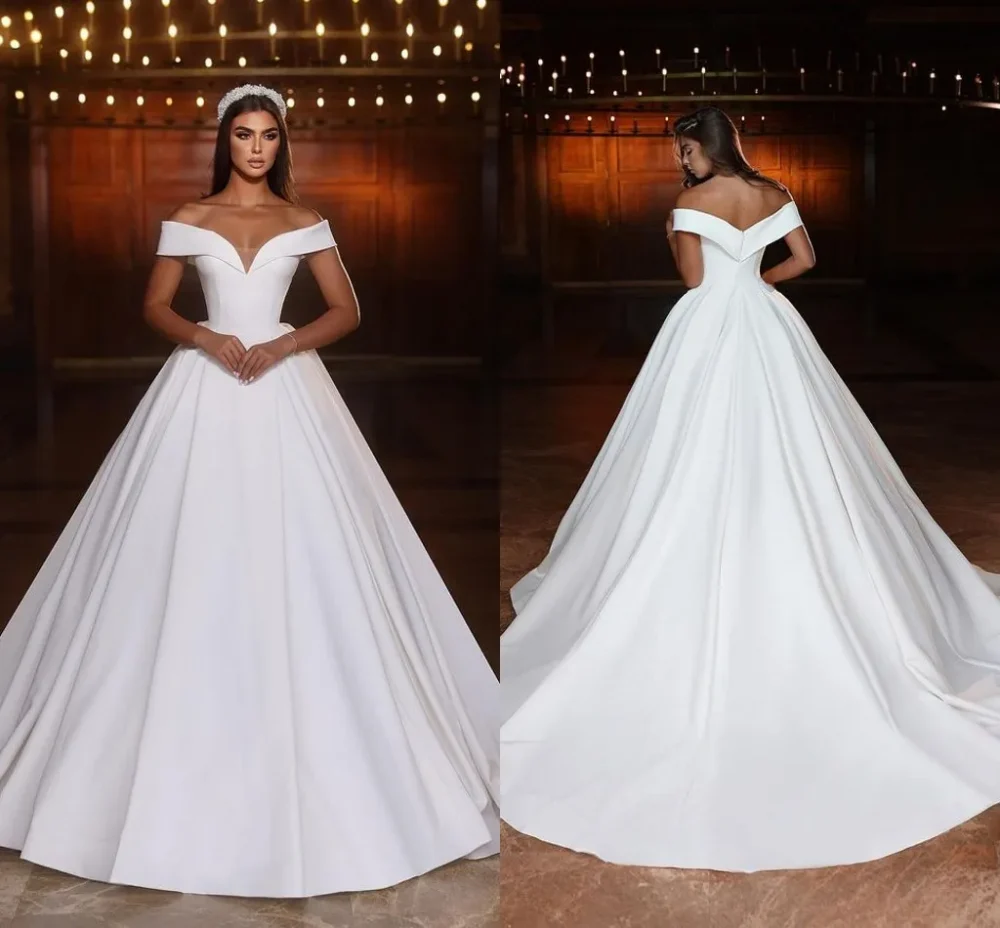
DHgate wedding dress listings are easier to compare when you turn a style search into a specification check: measurements, fabric, lining, closure, customization, delivery and return details.
Quick answer: use the marketplace to compare visible listing information across several sellers, but do not treat a search result or one product photo as proof of fit, stock or final delivery. Keep a record of the exact product page, selected variation and seller messages before checkout.
How to Compare Wedding Dress Listings on DHgate
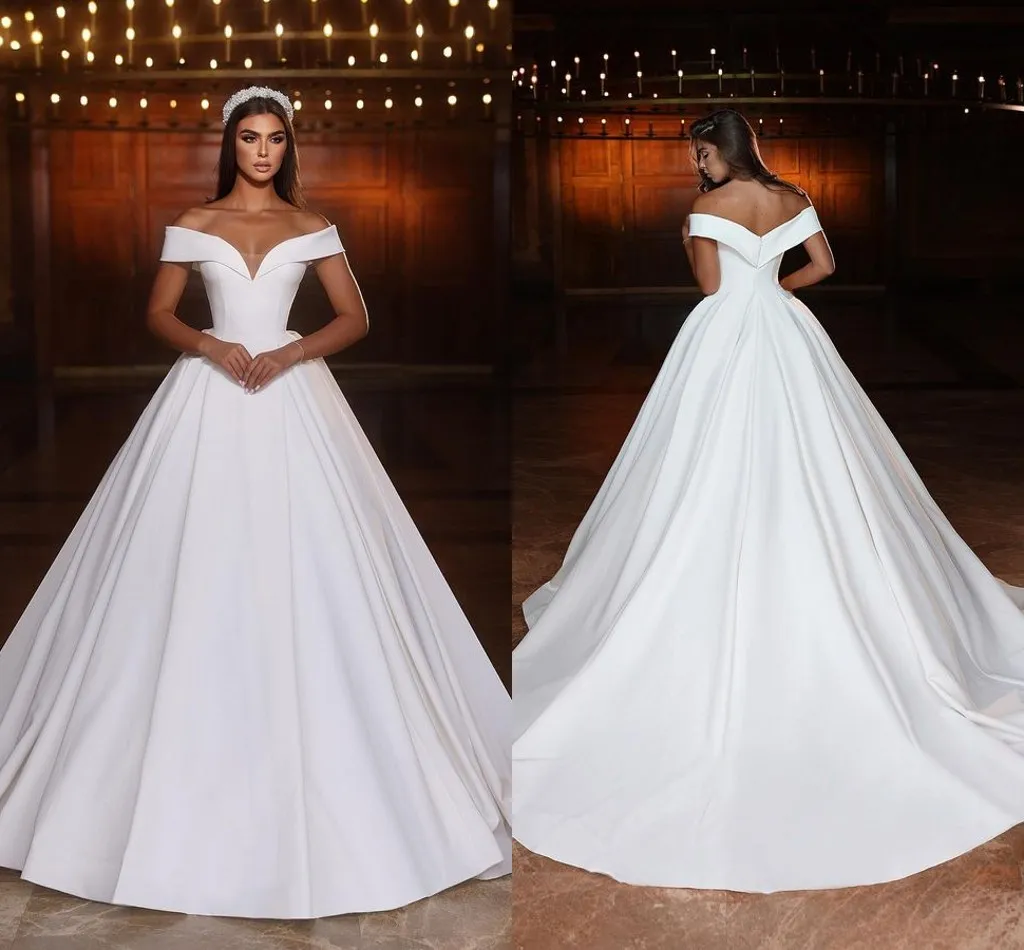
A wedding dress is a formal garment chosen for a ceremony, reception, elopement, courthouse wedding, or related bridal event. Buyers usually evaluate it as a fit-and-timing purchase, not just a style purchase. The silhouette, fabric, structure, and alteration needs all affect whether the dress works for the event.
For many buyers, the decision starts with the occasion. A gown for a formal ceremony may call for more structure and volume, while a dress for a smaller event may prioritize movement, comfort, or easier packing. Because wedding dresses often need ordering time, try-on time, and possible tailoring, the listing details matter as much as the photos.
Platform Types
Wedding dresses come in several common styles, and each one creates a different look and level of structure.
- A-line: fitted through the bodice and gradually wider toward the hem.
- Ball gown: fuller skirt with a more dramatic bridal shape.
- Mermaid or trumpet: fitted through the body and flaring lower down.
- Sheath or column: straighter shape with less volume.
- Tea-length or short bridal styles: often chosen for smaller ceremonies or a second look.
Fabric changes the result just as much as silhouette. Satin gives a smoother, more structured appearance. Tulle adds softness and volume. Lace adds texture and detail. Chiffon is lighter and more fluid. Buyers should also look at lining, boning, embroidery, beading, and closure type, because those details affect comfort and how the dress holds its shape.
Sizing is another major factor. Bridal sizing often differs from everyday sizing, and many dresses are made to a seller’s size chart rather than street size. If a listing offers custom measurements, the buyer still needs to compare those measurements against the chart and leave room for alterations.
Platform Overview
Different wedding dress styles fit different settings.
A ball gown usually fits a formal ceremony, ballroom venue, or traditional church wedding. An A-line dress is flexible enough for many ceremony types and is often easier to move in. A sheath or short bridal dress may fit a courthouse wedding, elopement, city hall ceremony, or reception-only event. Lighter fabrics and simpler shapes also tend to work well for outdoor weddings, beach settings, and photoshoots where movement matters.
If the dress is for a second event rather than the main ceremony, the buyer may prioritize comfort, mobility, and ease of packing over dramatic structure. That is why the same dress style can feel right for one setting and too formal or too simple for another.
Scenario-Based Selection Guide
When you are narrowing a wedding dress choice, use the event and buying situation to guide the search:
- Formal ceremony buyer: start with structured silhouettes, fuller skirts, and fabrics that hold shape.
- Courthouse or elopement buyer: look for simpler silhouettes, lighter fabrics, and easier movement.
- Outdoor or beach wedding buyer: prioritize lighter construction, less bulk, and comfort in motion.
- Photoshoot or reception-only buyer: focus on visual impact, packing ease, and how the dress reads on camera.
- Buyer expecting alterations: compare the size chart carefully and leave time for tailoring.
The most useful sequence is silhouette first, then fabric, then fit details, then timing. That order helps buyers compare listings without getting distracted by photos alone.
DHgate as One Marketplace Option in the Product Search Process
The checked DHgate search snapshot shows related results only, not a verified exact match for the requested wedding-dress query. That means the snapshot supports DHgate as a discovery tool for broad browsing, but it does not prove exact product availability for a specific dress. The search page is time-bound, so the results can change after the check.
The visible results also do not verify stock, final shipping cost, seller performance, product quality, or transaction outcome. For a buyer, DHgate can still be useful as a way to refine a broad wedding-dress search into more specific styles or variants, then compare the listing details that each seller shows.
May suit buyers who
- want to browse small-order wedding-dress listings before committing to a larger sourcing step
- want to compare visible listing details in English across multiple sellers on DHgate
- want to test a style idea before moving to a different sourcing channel
Consider another channel when
- the buyer needs a direct factory relationship or custom development workflow
- the buyer is doing domestic-China price research rather than marketplace browsing
- the buyer needs a market-specific supplier directory instead of a general marketplace search
How to Search and Buy on DHgate
If you want to use DHgate for wedding-dress discovery, keep the workflow simple and product-specific. The snapshot is time-bound, so treat it as a starting point, not a final answer.
- Start broad, then narrow the style. Search by silhouette, fabric, neckline, or event type rather than only by the words “wedding dress.”
- Open multiple DHgate listing pages. Compare the visible photos, size chart, fabric notes, and customization details across sellers.
- Check the listing record carefully. Look for measurements, delivery estimates, return terms, and any notes about alterations or custom sizing.
- Compare what is visible, not what is implied. Use DHgate to compare listing details across sellers, but do not assume the first result is the right match.
- Confirm timing before ordering. Make sure the shipping window leaves room for try-on and alterations before the event date.
- Save the order information. Keep screenshots or records of the listing, size chart, messages, and order confirmation so you can refer back to them later.
- Recheck the product page after placing the order. If the seller provides updates or asks for measurements, keep those messages with your records.
DHgate works here as a search-and-compare marketplace: you can refine a broad wedding-dress search into a more specific style, then compare visible listing details across sellers before you decide. Because the checked DHgate snapshot is time-bound, the practical value is in discovery and comparison, not in assuming exact availability from the search page alone.
For wedding dresses, the most useful habit is documentation: compare the listing, confirm the measurements, and keep the record. That matters more than any single search result.
Quick answer
DHgate can be used as a wedding-dress discovery marketplace, but the checked search snapshot shows related results only, not a verified exact match for a specific requested dress. Treat the page as a starting point for browsing silhouettes, fabrics, and seller listings, then confirm measurements, timing, and listing details before ordering.
Compare the Listing, Not Just the Dress Photo
Build a short comparison table for every finalist: seller size chart, your matching body measurements, stated fabric and lining, closure, train or hem length, customization wording, shipping estimate, return terms and any buyer photos. Ask questions in writing when details conflict. If the date is fixed, choose only an option that leaves a realistic buffer for delivery, inspection and alterations—and have a backup plan rather than assuming a marketplace listing will resolve timing pressure.
FAQ
Can I use DHgate to browse wedding-dress ideas?
Yes. The search snapshot supports broad discovery and comparison, but not a claim that one exact dress is available.
Does a search result prove the dress is in stock?
No. A search page is a time-bound snapshot and does not verify stock or final order outcome.
Should I rely on photos alone?
No. Compare the size chart, fabric notes, closure type, and any customization details.
What should I save before ordering?
Save screenshots of the listing, measurements, seller messages, and order confirmation.
When should I look at another sourcing channel?
If you need a direct factory workflow, market-specific supplier directory, or a more specialized sourcing process.
Next step
If you are comparing wedding-dress options, open several listings, check the size chart and timing details, and keep a record of what each seller shows before you decide.
Sources and further reading
- DHgate search snapshot: https://www.dhgate.com/wholesale/search.do?act=search&searchkey=DHgate+products — checked as a first-party marketplace snapshot for the query “DHgate products”; limitations: time-bound results, related-match only, and no verification of stock, shipping cost, seller performance, product quality, or transaction outcome.
- DHgate blog grounding: https://www.dhgate.com/blog/?p=12321 — first-party DHgate blog content used for brand grounding on wedding-dress browsing context.
- U.S. Customs and Border Protection, Basic Importing and Exporting: https://www.cbp.gov/trade/basic-import-export
- FedEx packing guidance: https://www.fedex.com/en-us/shipping/packing/how-to-pack.html