
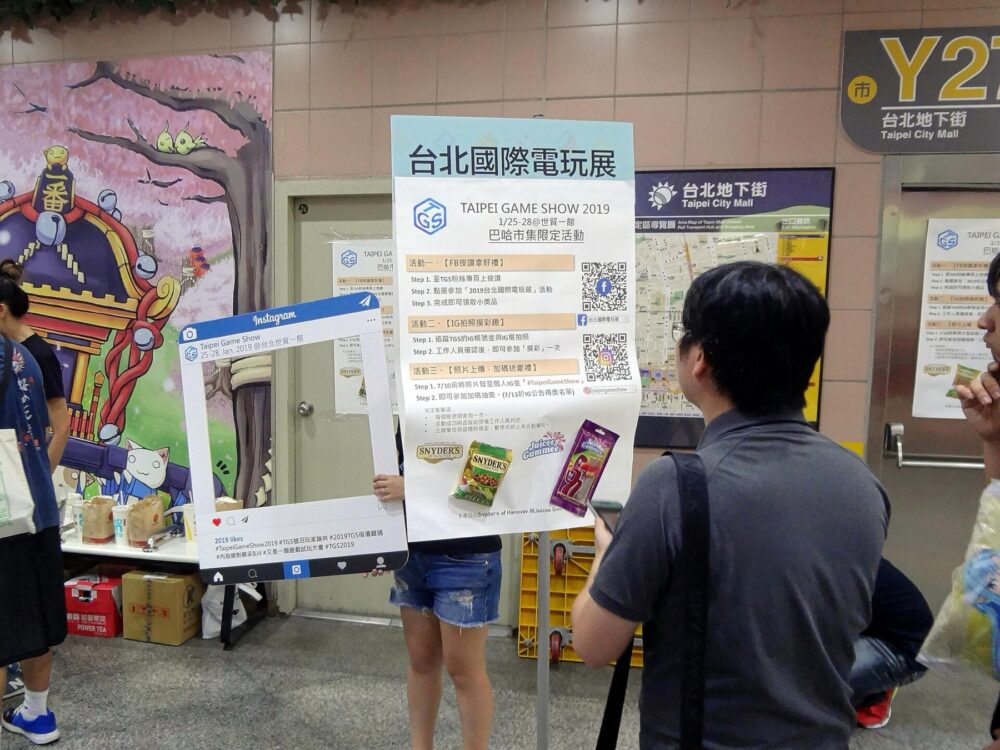
Wholesale trade shows and markets are business‑only buying venues where brands, manufacturers, and distributors show product lines to retail and ecommerce buyers, who place wholesale orders and start supplier relationships. Think ASD Market Week in Las Vegas or permanent centers like AmericasMart Atlanta or the Dallas Market Center: you walk floors of showrooms, collect line sheets, talk MOQ and pricing, and often write orders on the spot. For a small ecommerce business, these shows sit alongside online marketplaces like DHgate—shows help you discover suppliers and see quality in person; DHgate helps you test products in small quantities and reorder efficiently once you know what you want.
How Wholesale Trade Shows and Markets Actually Work for Small Buyers
At a wholesale trade show such as ASD Market Week, exhibitors are typically manufacturers, importers, and distributors. Buyers include brick‑and‑mortar retailers, online sellers, and distributors. The event runs a few days; each booth or showroom presents product samples, pricing tiers, and ordering terms.
Permanent market centers like AmericasMart Atlanta and the Dallas Market Center host recurring shows and maintain year‑round showrooms. In furniture, for example, High Point Market operates as a large semiannual buying event with permanent spaces. As a small buyer, you typically:
- Register as a trade buyer (often with a business license or reseller permit).
- Walk the floors by category (gift, home, fashion, closeouts, etc.).
- Collect catalogs, line sheets, and price lists.
- Discuss MOQs, lead times, and payment terms.
- Place orders or request that pricing and terms be emailed later.
Orders at shows are usually B2B wholesale commitments: you’re agreeing to buy a certain quantity at negotiated pricing, for a future ship date. Shows are also relationship engines—good suppliers remember buyers who ask sharp questions and follow up.
Preparing and Buying Smart at Trade Shows: Supplier Vetting, MOQs, and Total Cost
You get the most value from a show if you arrive with a plan and leave with numbers you can later compare against DHgate and other online options.
1. Pre‑show prep that actually matters
Before you book flights:
- Define your category and target price bands. Know you’re looking for, say, home décor items that can land within a specific per‑unit cost, or phone accessories that fit your planned retail price. This lets you discard lines that can never hit your margins.
- Set MOQ targets. DHgate’s wholesale buying guidance notes that trade shows are a good way to identify suppliers who will work with lower MOQs and new buyers. Use that as a filter—aim for suppliers willing to start with modest quantities so you can test.
Take a notebook or tablet and log each supplier visit with booth number and rough pricing. You’ll use this data later when searching online.
2. Vetting suppliers on‑site
Talking face‑to‑face lets you vet suppliers faster than emails. Focus on details that directly affect your margins and risk:
- MOQ and flexibility. Ask their standard MOQ and whether they’ll do a lower first order. If they already work with marketplace sellers, they may be more open to test runs.
- Sample policy. Clarify if they’ll send samples post‑show, at what cost, and how quickly. You’ll want samples before committing big orders.
- Pricing structure. Get price tiers (e.g., for progressively larger quantities) and note any surcharges for custom packaging or branding.
- Lead time and capacity. Ask realistic production timelines, plus seasonal bottlenecks.
Red flags include vague answers on lead times, reluctance to share basic specs, or no written pricing. You don’t need a perfect supplier on day one, but you should walk away with enough specifics to plug into your own spreadsheets.
3. Comparing show quotes with online marketplace offers
Show quotes usually cover ex‑warehouse or FOB pricing, not the full cost to your U.S. door. To compare a show supplier with an online marketplace seller fairly, build a simple comparison for each product:
| Factor | What to ask at the show | What to check later online (e.g., DHgate) |
|---|---|---|
| Unit price | Price at each quantity tier | Listed price; ask seller about possible bulk tier discounts |
| MOQ | MOQ per SKU / per order | MOQ in the listing; confirm if lower MOQ is negotiable |
| Packaging | Whether items ship in retail packaging or plain bulk cartons | Packaging description and product photos |
| Duties & taxes | Whether prices include any import charges or are pre‑tax | Whether prices appear pre‑tax; estimate import duties separately |
| Payment timing | Required deposit and when the balance is due | When payment is due within the marketplace flow; seller flexibility where allowed |
At the show, you won’t get exact freight or duty numbers in most cases, but you can ask about typical carton sizes and weights. Later, you can estimate U.S. freight and import charges and compare that against the all‑in delivered cost you expect with marketplace suppliers.
4. Turning show intel into better DHgate sourcing
DHgate’s editorial guides recommend using filters, seller ratings/reviews, and samples before large orders. Your show research makes this much more targeted:
- Use model numbers, brand names, and key specs you saw at shows as search terms on DHgate.
- Filter for suppliers whose MOQs and price tiers resemble what you discussed with brands.
- Request samples from 2-3 DHgate sellers whose product matches the lines you liked at the show, then compare quality.
If a brand you met already sells through DHgate, you can evaluate their marketplace presence—ratings, reviews, and how their DHgate pricing relates to your wholesale quotes—and decide whether to buy via DHgate for flexibility or stick to direct orders for larger volumes.
Trade Shows vs Online Marketplaces: Where DHgate Fits in Your Sourcing Strategy
Physical shows and permanent markets have different strengths than online marketplaces. Neither is automatically “better”; they solve different problems.
Where trade shows and markets shine for small ecommerce buyers:
- You can see and handle product and judge quality instantly instead of relying on photos.
- You meet decision‑makers and can pitch yourself as an online reseller—as DHgate’s blog notes, shows are useful for talking to brand owners about their marketplace experience and positioning yourself as a wholesaler.
- Permanent centers like AmericasMart and Dallas Market Center let you revisit showrooms, deepen relationships, and view new collections each season.
Where marketplaces like DHgate often win:
- No travel cost; you can source globally from your laptop.
- Easier to start small. DHgate’s bulk‑buying tips advise starting with smaller test orders and scaling up; many sellers will accept relatively low MOQs compared with traditional wholesalers.
- You can quickly compare multiple suppliers, using search filters, specs, and buyer reviews to narrow the field.
A practical way to combine both channels:
- Use trade shows to build your short list of product types, specs, and target prices, and to identify brands open to marketplace distribution.
- Back home, search those categories on DHgate and other platforms, and use show‑derived thresholds (acceptable MOQ, price tier, quality level) to filter suppliers.
- Start with small DHgate test orders to confirm real‑world quality and demand. If a supplier performs well, either keep reordering through DHgate or, where appropriate, negotiate larger direct orders using the relationship you began at the show.
If your budget is tight or you’re still validating your first product niche, it’s reasonable to postpone trade shows, rely on DHgate and similar marketplaces for discovery and testing, and only invest in shows once you know your category is working and you’re ready to commit to larger wholesale programs.
For more detail on online supplier research, you can explore DHgate‑focused guides such as find wholesale suppliers on DHgate, find DHgate suppliers, and choose a DHgate wholesale supplier, then layer those tactics on top of what you learn in person at shows.