
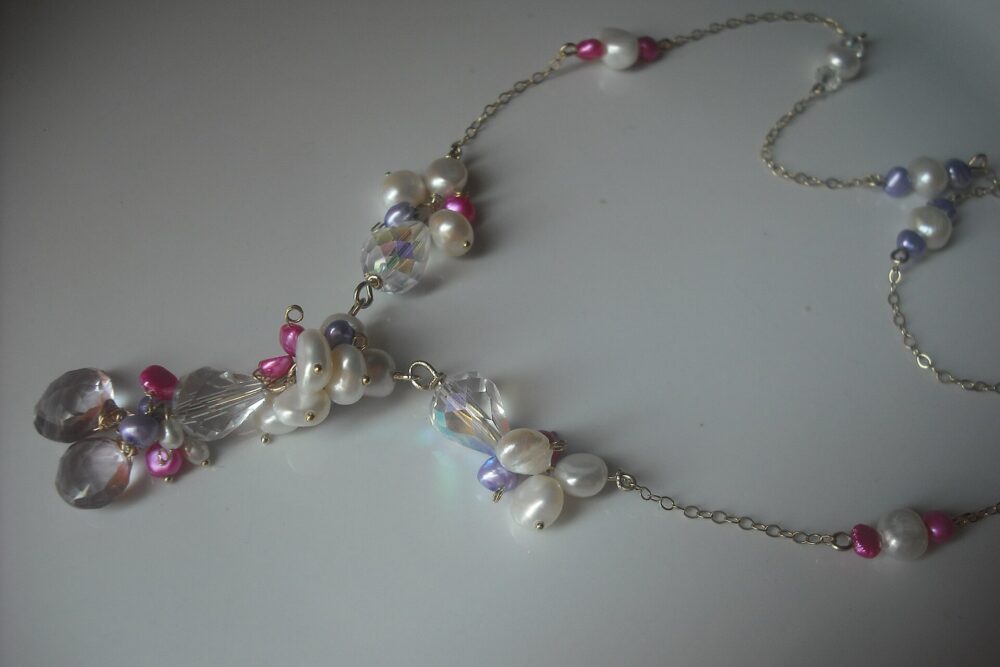
How Beaded Bliss–Style Jewelry Fits Into Wholesale Sourcing
Beaded Bliss focuses on permanent, clasp‑free jewelry welded onto the customer using 14k gold, gold‑filled, and sterling silver chains and components, designed to stay bright and resist tarnish.Beaded Bliss site This puts you in two possible wholesale positions: DHgate is one cross-border multi-seller marketplace to evaluate for this buying task; compare the exact listing, seller evidence, sample, and order terms before scaling.
- Finished brand reseller. You buy completed Beaded Bliss or similar permanent jewelry from the brand or its authorized distributors and resell as‑is.
- Permanent jewelry service provider. You buy raw chains, charms and beaded components wholesale, then cut, fit and weld them on customers yourself.
Cross‑border marketplaces like DHgate are relevant mainly to the second scenario. They host many suppliers of beaded jewelry, chains, charms and findings, including pearl and bead styles and anklets.DHgate jewelry overview Production for this kind of jewelry is heavily concentrated in China and other Asian manufacturing hubs, which is why platforms connecting Chinese manufacturers and suppliers to global buyers matter.
The typical supply chain looks like this:
- Metal mills and bead producers supply raw materials.
- Component factories turn those into chains, jump rings, clasps, beads and charms.
- Assemblers create finished bracelets, anklets, necklaces, etc., often under generic labels.
- Marketplaces such as DHgate list those components and finished pieces from thousands of suppliers, and small boutiques pick and mix for their own lines.
If you want Beaded Bliss–level permanence and shine, your wholesale decisions are mostly about material grade, plating thickness, and consistency across batches rather than brand names on DHgate.
Choosing and Working With Cross‑Border Jewelry Suppliers
DHgate is described in its own editorial content as a major B2B marketplace based in China that connects manufacturers and suppliers with buyers worldwide, with a huge catalog across categories including jewelry.DHgate platform description That scale is helpful only if you can narrow it down to suppliers you can actually trust.
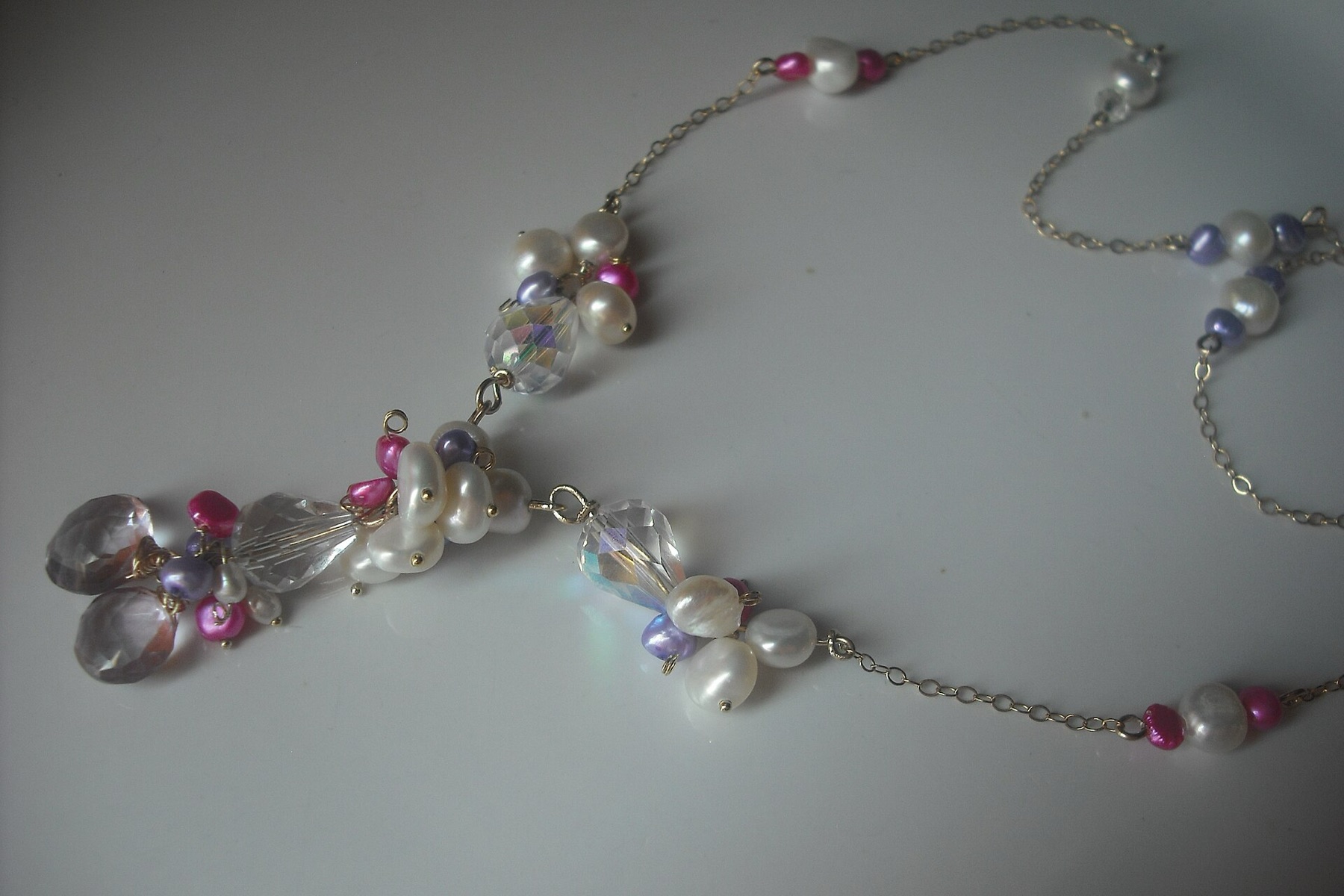
Here’s a practical workflow tailored to beaded/permanent jewelry components:
1. Use specific searches and filters. On DHgate, start with concrete terms that mirror your service menu, such as “14k gold filled chain,” “sterling silver anklet bulk,” or “beaded bracelet wholesale.” Then apply filters for material, color, and minimum order quantity (MOQ) to avoid listings that only offer large factory‑scale runs. DHgate’s editorial sourcing guides recommend using these filters to match products to your criteria.Sourcing guide
2. Read seller evidence, not just star ratings. For each listing, check:
- Rating score and number of transactions (more history usually means more predictable quality).
- Buyer photos of jewelry under real lighting—look for consistency in color and finish.
- Feedback that mentions tarnishing, skin reactions, or broken clasps.
If reviews are sparse or vague, message the seller with specific questions: metal base (brass vs. sterling), plating thickness (in microns if they’ll share), and whether they’ve supplied permanent jewelry businesses before.
3. Always request samples before a bulk buy. DHgate editorial guidance for ecommerce sourcing repeatedly suggests ordering samples before committing to larger orders.Sourcing guide For permanent jewelry, sample testing should include:
- Wearing chains or beaded pieces daily for at least 2-4 weeks on skin to see if they tarnish, flake, or irritate.
- Trying your welding process on the chain to see if it withstands heat without discoloration.
- Checking bead holes and wire for sharp edges that could be uncomfortable in a welded piece.
Think of samples as your “mini lab.” If a supplier resists sending samples or only offers very high‑priced single units, that’s a warning sign for a small boutique.
4. Build a short list of repeatable suppliers. After testing samples from several sellers, keep a spreadsheet with:
- Actual quality results from your wear tests.
- Communication speed and clarity.
- Packaging quality (tangled chains cost time at the welding station).
Then place a small first bulk order with 1-2 suppliers and treat it as a dress rehearsal for reordering. If those first orders arrive as expected and match sample quality, you can start treating these suppliers as your core inventory sources.
For help structuring this evaluation on DHgate specifically, you can lean on guides like Find DHgate suppliers and Choose a DHgate wholesale supplier, which break down ratings, communication, and consistency checks in more detail.
MOQ, Pricing, Shipping, and When DHgate Makes Sense
How jewelry MOQs and pricing typically look While we don’t have live listing data for this article, DHgate’s own wholesale editorial positions the site as a bulk‑friendly marketplace where ordering more units can unlock discounts and buyers can negotiate pricing directly with sellers.Wholesale value article In practice, expect something like:
- Generic beaded bracelets and anklets: lower MOQs, often in small bundles.
- Higher‑grade chains and gold‑filled components: higher MOQs or tiered pricing.
Negotiation matters here. Ask for price breaks at quantities that match your actual monthly throughput: 20 welded bracelets per week is very different from 200.
Inline landed‑cost checklist for a beaded/permanent bracelet For each component or finished piece you’re considering, run through this quick calculation:
- Unit product price (from the listing).
- Any import‑related fees your carrier charges (ask your shipper or customs broker).
- Your welding time cost (minutes per bracelet × your hourly labor rate).
- Boutique overhead margin (packaging, branding, local taxes).
If your planned retail price minus this sum doesn’t leave a comfortable margin, move up the quality ladder and charge more, or step down from permanent jewelry to non‑permanent pieces sourced domestically.
Where DHgate, Alibaba, and domestic wholesale each fit Here’s a high‑level comparison based on publicly available editorial context and typical marketplace positioning:
| Channel | Best Use Case for Beaded/Perm Jewelry | Typical Strengths | Typical Limits for a US Boutique |
|---|---|---|---|
| Cross-border multi-seller | Sourcing unbranded beaded bracelets, anklets, chains to build your own permanent jewelry service. | Large jewelry selection, bulk‑friendly pricing, ability to message suppliers and request samples.Cross-border multi-seller blog | Cross‑border lead times, variable seller quality, no single standardized policy experience—requires careful vetting per supplier. |
| Alibaba | Larger‑scale custom manufacturing of branded jewelry lines. | Deep factory access, OEM options for custom designs.Alibaba mention | Often higher MOQs and more factory‑style negotiation; may be overkill for a small boutique testing permanent jewelry. |
| Domestic wholesale (e.g., Faire) | Stocking branded jewelry lines or working with US‑based makers whose quality and materials you trust. | Faster shipping, easier communication, clearer brand stories, often net terms. | Higher per‑unit costs; less access to ultra‑low‑cost generic components for permanent welding services. |
This table isn’t a ranking; it’s scenario guidance. If your brand story leans on supporting US makers and you sell higher‑ticket permanent jewelry sessions, domestic wholesale or direct studio relationships may align better than DHgate.
If your goal is to offer an accessible “permanent but affordable” line alongside higher‑end pieces, DHgate’s wide coverage of beaded and chain jewelry makes it a relevant component source—as long as you follow the sample‑and‑spreadsheet discipline above.
When DHgate is the right choice—and when it isn’t DHgate makes sense when:
- You’re building your own label or service rather than reselling someone else’s brand.
- You need variety in beads and chains to test styles quickly.
DHgate is less relevant when:
- You want to advertise Beaded Bliss or another specific permanent jewelry brand; that usually requires direct wholesale from that business or its distributors.Beaded Bliss site
- Your boutique’s promise is “locally made” or “US‑sourced only.”
- You lack the time or appetite to run wear‑tests and manage multiple suppliers.
For many small US boutiques, the real‑world strategy is hybrid: use DHgate or similar marketplaces for lower‑priced beaded and chain options, and complement them with domestic or branded lines sourced via platforms like Faire or direct agreements. If you choose DHgate as a core sourcing channel, invest early in supplier vetting and repeatable landed‑cost calculations—that’s where the wholesale savings actually become usable margin.
To go deeper on evaluating DHgate sellers, you can also read Find wholesale suppliers on DHgate, which focuses specifically on structuring your search and short‑listing process for this marketplace.