
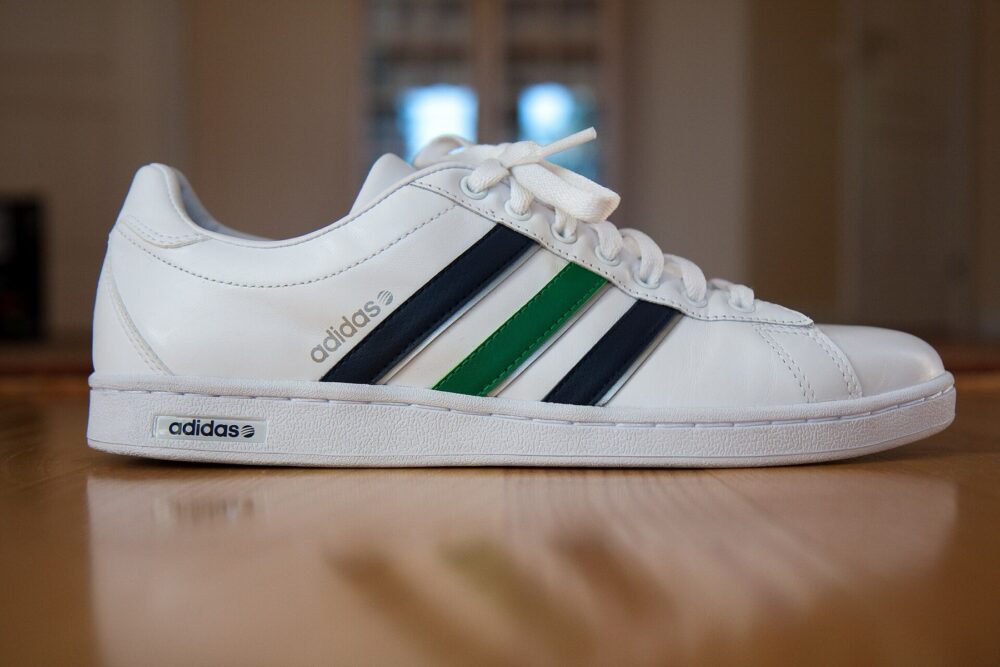
If you want genuine Adidas shoes in bulk for a US ecommerce business, the practical options are authorized distributors, brand‑linked B2B tools, and liquidation/stock‑lot sellers. Generic cross‑border marketplaces like DHgate are mainly useful for non‑branded or private‑label sports footwear, not for authentic, fully licensed Adidas. That means if your business model depends on selling real Adidas with clean paperwork, you should be looking at authorized or stock‑lot channels and treat any Adidas‑branded listings on DHgate or similar marketplaces as high‑risk.
How Adidas Wholesale and Bulk Shoe Supply Is Structured
“Adidas wholesale and bulk shoes” simply means buying Adidas footwear in large quantities at discounted rates so you can resell or distribute them, rather than buying a single pair at retail. Retailers, online resellers, and exporters use these bulk buys to fill inventory with specific models or mixed batches of athletic shoes.
In practice, that bulk supply is concentrated in a few structures:
- Authorized distributors and wholesalers. In the US, some distributors present themselves as official Adidas partners and bulk suppliers. For example, Regal Distributor’s Adidas page positions them as a source of branded Adidas product. These channels are typically more expensive but give stronger confidence on authenticity and consistent paperwork.
- Brand‑oriented B2B platforms. Several supplier sites and tools focus on branded athletic footwear and describe Adidas among their brands. A good illustration is GetBrands’ Adidas brand page, which positions itself as an original Adidas stock‑lot supplier, selling bulk lots rather than individual pairs.
- Liquidation and stock‑lot pallets. There are US‑based liquidation specialists offering pallets of Adidas shoes, often customer returns, overstock or mixed condition. For instance, Pallet Liquidators USA lists Adidas shoe pallets as a product category. These channels trade on volume and discount, with variable styles and conditions.
- General wholesale marketplaces. Platforms like DHgate connect thousands of suppliers (often in China) with global buyers for bulk footwear. They excel at low‑MOQ and private‑label sports shoes but are not structured as official Adidas wholesale channels.
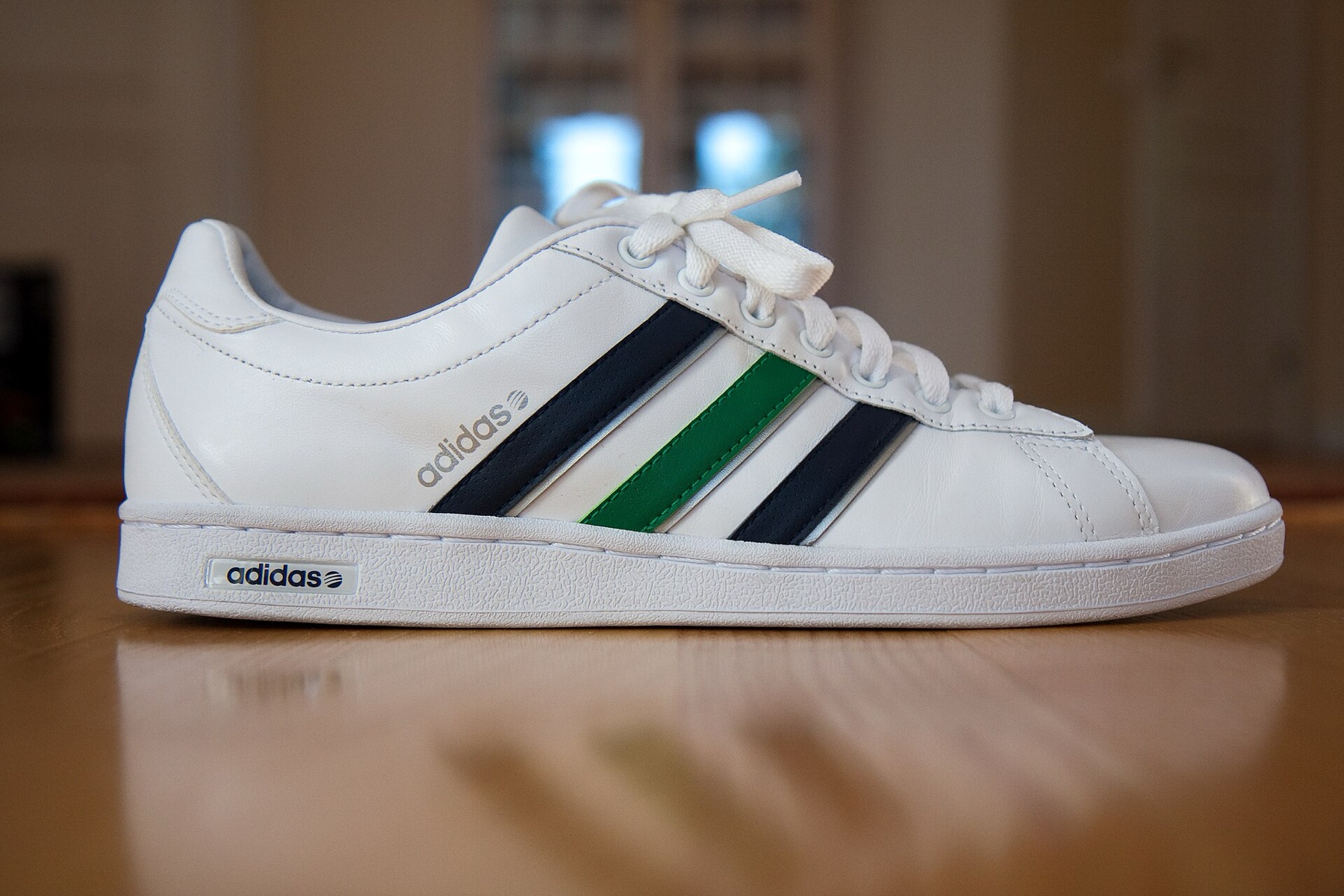
If you see “Adidas wholesale” on a random marketplace or small site, it may mean anything from authentic stock‑lots to unlicensed lookalikes. Your sourcing decision should start with: is this an authorized or traceable stock‑lot channel, or just a generic seller using the logo?
Platform Types for Buying Adidas in Bulk (and How They Work)
You can think about Adidas‑related bulk sourcing in terms of platform models. Each has different pricing logic, minimums, and relationship dynamics.
Key platform types for Adidas and Adidas‑style shoes
Here’s a compact view of how common platforms differ for bulk athletic footwear:
| Platform type | Typical role for Adidas shoes | Pricing & MOQ (editorial judgment) | Relationship style |
|---|---|---|---|
| Authorized US distributors | Core route for authentic, current Adidas lines | Higher prices, contract / account needed | Structured B2B, ongoing account |
| Brand‑oriented B2B stock‑lot suppliers | Bulk lots of Adidas and other brands | Discounted per pair, larger lot sizes | B2B, lot‑based deals |
| Liquidation / pallet marketplaces | Mixed pallets incl. Adidas, often returns/overstock | Very low per‑pair cost, pallet MOQ | One‑off pallet buys |
| General wholesale marketplaces (DHgate, etc.) | Bulk non‑branded sports shoes; Adidas‑style only | Wide price range, low MOQ possible | Marketplace account per seller |
This isn’t a ranking; it’s a map of where each type sits.
- Authorized distributors focus on current‑season or evergreen models, with predictable style runs and paperwork. For a small ecommerce brand wanting clean Adidas inventory, this is the most straightforward—if you can meet their terms.
- Stock‑lot B2B platforms like GetBrands specialize in bulk lots: previous seasons, mixed sizes, sometimes European or other regional assortments. You trade some control over specific SKUs for better pricing.
- Liquidation pallet sites such as Pallet Liquidators USA sell pallets that may contain Adidas alongside other brands. You get deep discounts but must handle mixed conditions and higher unpredictability.
- General wholesale marketplaces like DHgate sit in a different bucket: they are designed as broad B2B platforms connecting Chinese suppliers and global buyers. DHgate’s own editorial content describes it as an international B2B marketplace with millions of listings and tiered pricing where higher quantities often bring better unit costs. These platforms are widely framed as good for bulk shoes and sportswear, but their strengths are price, variety, and low MOQs—not brand authorization.
Choosing the Right Platform: US Scenarios and DHgate’s Role
For a US small ecommerce business, the right platform depends less on “Where is Adidas cheapest?” and more on your model, risk tolerance, and how closely you need to stick to brand rules.
Scenario 1: Licensed retail with clean Adidas inventory
If you want to market your store as an Adidas retailer with consistent styles, traceable invoices, and low legal risk, your primary paths are:
- Apply with authorized distributors like the Adidas‑focused distributors highlighted by Regal Distributor.
- Use brand‑oriented B2B tools where you can see clear branding, stock‑lot descriptions, and business registration details.
Cross‑border marketplaces, including DHgate, are usually a poor fit for this scenario. Even if you spot Adidas‑marked listings, you won’t have the same assurance of authorization or consistent documentation.
Scenario 2: Discount resell of branded sneakers and mixed pallets
If your audience is outlet‑style bargain hunters and you are comfortable selling past‑season, returned, or cosmetically imperfect pairs, then:
- Stock‑lot suppliers such as GetBrands can make sense for curated bulk lots.
- Liquidation marketplaces like Pallet Liquidators USA or similar pallet sellers offer mixed pallets that may include Adidas at very low effective per‑pair costs.
Here, paperwork and full size runs matter less; margin and volume matter more. You still need to review each supplier’s description and terms, but these channels are explicitly built around stock‑lots and liquidation.
DHgate again is not the first stop for authentic Adidas. Its value for this scenario is more about adding non‑branded sports shoes to stretch your assortment: budget running shoes, fashion sneakers, or private‑label athletic styles to sit alongside your branded liquidation stock.
Scenario 3: Private‑label sportswear and “Adidas‑style” shoes
If you mainly want the look and function of athletic shoes—mesh uppers, EVA soles, sporty colorways—without using Adidas branding, DHgate and similar marketplaces become much more relevant.
Editorial descriptions of DHgate emphasize:
- A cross‑border marketplace model connecting Chinese manufacturers and wholesalers to global buyers.
- Large product variety in categories like shoes and sportswear.
- Tiered pricing where ordering more units usually reduces the per‑unit price.
In this scenario, your sourcing checklist shifts from “Is this genuine Adidas?” to “Does this supplier reliably produce the quality and design I need?” You’d look at:
- Product photos and material descriptions.
- Order quantity tiers and whether the MOQ fits your test budget.
- Whether the supplier offers customization (colors, logos) for a private label.
For that kind of private‑label or generic sports footwear, DHgate can be part of a sensible mix alongside other marketplaces. A useful background for how DHgate operates overall is our explainer on what DHgate is and how the marketplace works, and if you’re comparing multiple marketplaces, the overview on online marketplaces and shopping platforms and the comparison of DHgate vs. AliExpress, Alibaba and Temu can help you place DHgate in a broader sourcing strategy.
The consistent thread across all scenarios: treat “Adidas” as a signal you must verify. For real branded inventory, lean toward authorized distributors and serious stock‑lot/liquidation specialists. Use DHgate and similar marketplaces for non‑branded athletic footwear and private‑label projects, where their strengths—cross‑border access, variety, and flexible bulk ordering—line up with your actual sourcing needs.