
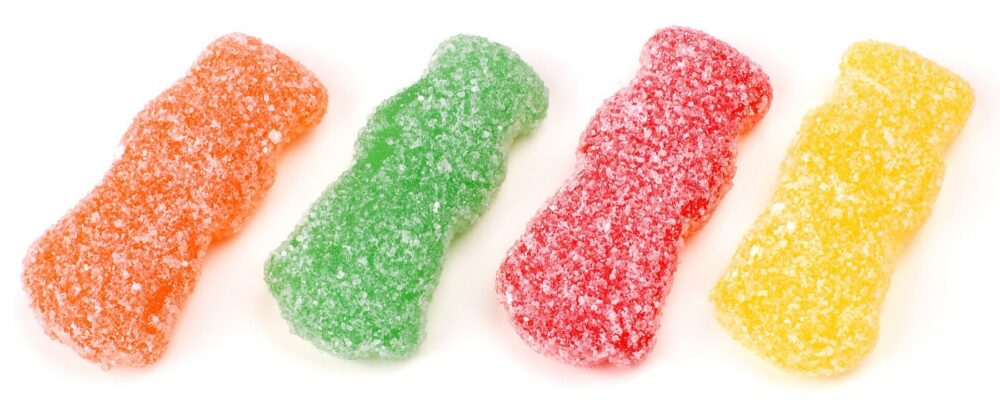
Wholesale Sour Patch candy means buying Sour Patch Kids or similar sour‑then‑sweet gummies by the case at trade pricing so you can resell them. For a small US shop or ecommerce brand, the safest first route is usually domestic wholesale distributors for branded Sour Patch Kids, while cross‑border marketplaces like DHgate are more suitable for generic sour gummies and higher‑risk experiments.
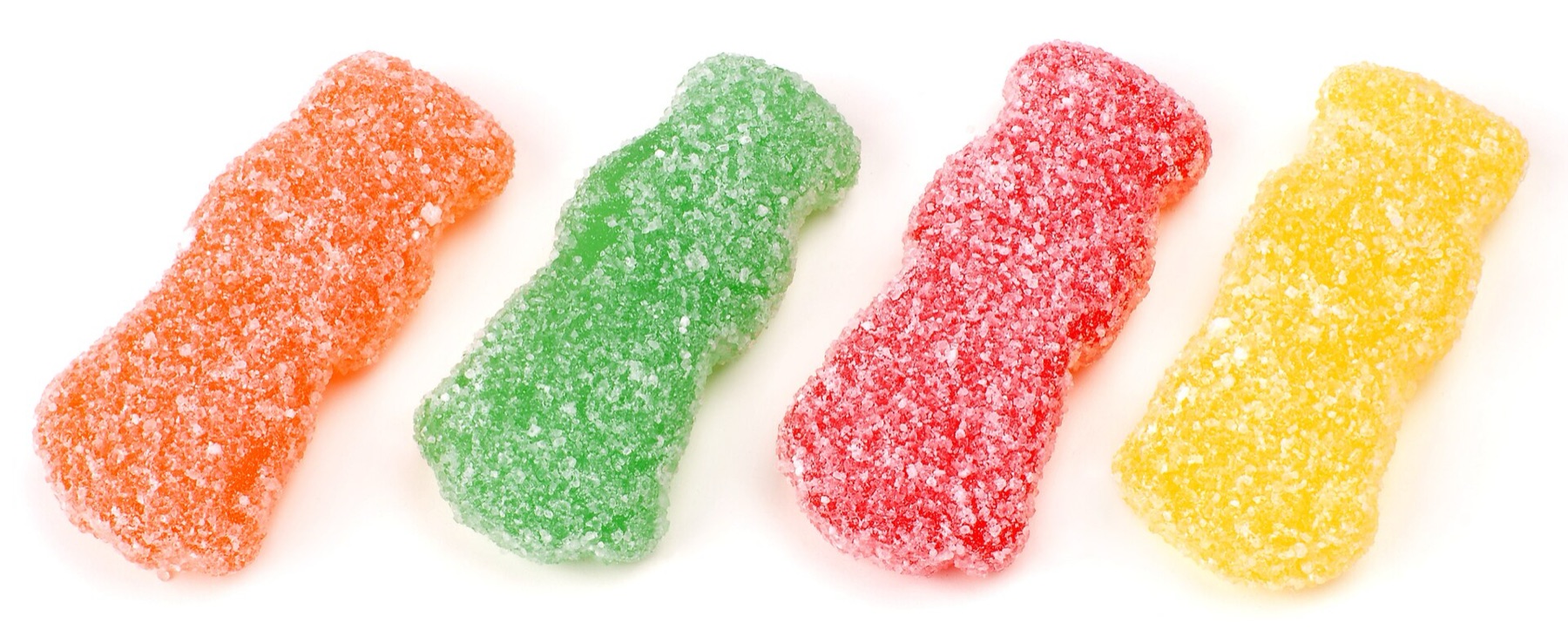
How Wholesale Sour Patch Candy Works for Small US Sellers
In wholesale, “Sour Patch” covers two quite different things:
- Branded Sour Patch Kids: the trademarked sour‑then‑sweet gummies in retail packs, peg bags, theater boxes, etc.
- Sour Patch–style or generic sour gummies: visually similar shapes and flavors sold without the official branding.
Wholesale Sour Patch candy usually means buying cases or cartons of finished retail units at discounted trade pricing for resale. Domestic platforms like Faire’s sour candy listings show this pattern: retailers order multi‑pack cases meant for resale rather than loose bulk for repackaging.
For a small US seller, the supply chain generally looks like this:
- Brand owner / licensed manufacturer produces Sour Patch Kids.
- Authorized distributors and wholesalers sell full cases to retailers, convenience stores, gift shops, and online sellers.
- Retailers and small ecommerce businesses buy those cases and resell individual units at a markup.
Separate from that, there’s a global confectionery supply chain for unbranded sour gummies. Manufacturers in China, Europe, and the US produce generic sour pieces that can be repackaged under your own label. Cross‑border B2B marketplaces such as DHgate connect many of these manufacturers and trading companies with buyers worldwide in bulk consumer goods categories, including candy.
For you, the key decision is: are you selling official Sour Patch Kids (brand risk is high) or sour gummy candy (brand risk is much lower)? That choice determines which channels make sense.
Choosing and Vetting Candy Suppliers (DHgate and Other Channels)
Evaluating candy suppliers is more specific than checking a random gadget seller. You’re dealing with food, trademarks, and shelf life.
Scenario 1: You need branded Sour Patch Kids
Stick to channels that clearly carry branded, packaged product:
- US wholesale candy distributors: case‑pack sellers and regional distributors list Sour Patch Kids SKUs with photos of original packaging, flavor variants, and case configuration. Their business model depends on correct branded stock.
- Wholesale platforms focused on retailers, such as Faire: product pages for Sour Patch Kids or similar sour candies show case‑level ordering intended for shops, which is a useful signal that you’re in a retail‑oriented, not gray‑market, channel.
Vetting steps for these suppliers:
- Confirm they are US‑based and ship from US warehouses (simplifies storage and transit time).
- Check that product photos show the exact retail branding, nutrition facts, and barcodes you expect.
- Ask directly about expiration dating and rotation policies for candy: how close to expiry are typical cases when they leave the warehouse?
If a seller cannot answer basic questions about expiration dates, storage conditions, or case pack details, treat that as a red flag.
Scenario 2: You’re open to generic sour gummies
Here you can consider overseas manufacturers and marketplaces.
On DHgate, platform editorial guidance suggests a few sourcing practices for buyers:
- Use filters and search tools to narrow results to candy or gummy categories that match your criteria.
- Evaluate suppliers by looking at ratings, buyer reviews, and transaction history to see who has actually shipped similar goods before.
- Request samples to test taste, texture, and packaging before you commit to a larger order.
DHgate also displays merchant badges such as “top merchant,” which signal high‑volume sales, and “China brand,” which indicate Chinese‑made goods. These badges are signals, not proof of authenticity or safety, but they can help you prioritize which sellers you contact first.
For any generic candy supplier (on DHgate or elsewhere), add food‑specific checks:
- Ask for ingredient lists and allergen declarations in English.
- Confirm the product is individually or group‑packaged in a way that meets US labeling expectations if you plan to sell to consumers.
- Ask about storage recommendations and whether the candy is heat‑sensitive in transit.
- Request date‑stamped photos of current inventory, including manufacturing and best‑before dates on the packaging.
To structure your marketplace search and vetting messages, it helps to work through sourcing process guides such as finding wholesale suppliers on DHgate, finding DHgate suppliers, and choosing a DHgate wholesale supplier within DHgateWiki’s wholesale‑sourcing coverage.
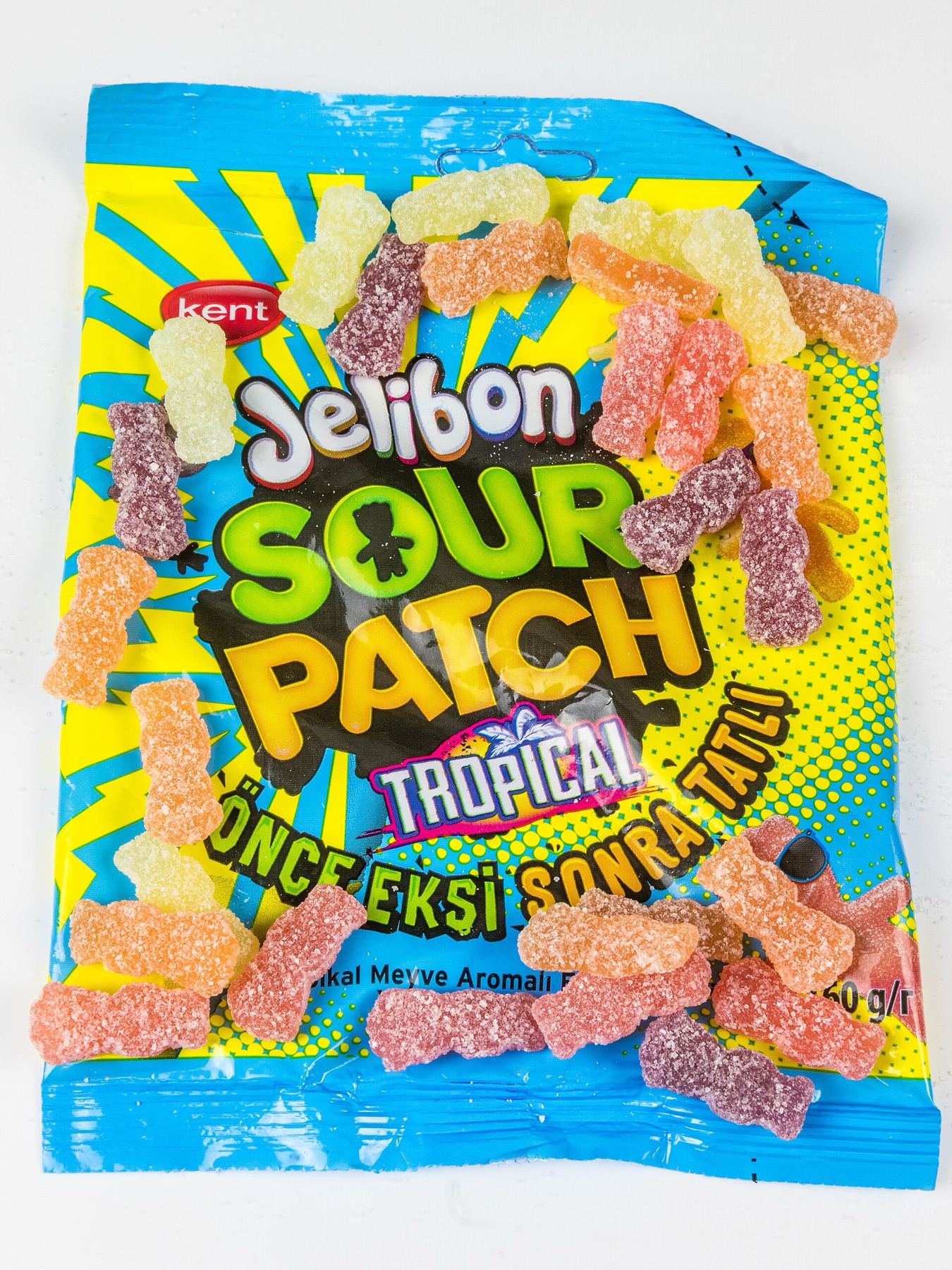
MOQ, Pricing and When DHgate Makes Sense for Sour Candy Sourcing
Wholesale economics for candy hinge on minimum order quantities (MOQ), price tiers, and your real landed cost—product plus freight, duties, and spoilage risk.
Typical patterns for small US orders
For branded Sour Patch Kids via US wholesalers:
- MOQ is often a case‑level order per SKU. You buy a case of retail bags or boxes and resell them.
- Pricing is usually per case, with modest discounts if you buy multiple cases or mixed pallets.
- Shipping is domestic parcel or freight, which is easier to predict and shorter in transit than cross‑border importing.
For generic sour gummies from overseas suppliers (including DHgate sellers):
- MOQ can range from small trial lots up to pallet or container quantities, depending on the seller.
- DHgate‑focused editorial material highlights that buyers can often order small quantities and then save more at higher volumes, thanks to tiered pricing.
- Total cost is sensitive to distance, mode of transport, and import duties, which you’ll need to model yourself or with a customs broker.
Channel snapshot: branded vs generic sour candy
Below is a simple comparison focused on your sourcing decision (not policies or guarantees):
| Sourcing goal | Typical channel | Candy type you buy | Key upsides | Key risks |
|---|---|---|---|---|
| Resell official Sour Patch Kids | US candy wholesalers / retailer platforms | Branded, retail‑ready packs | Clear branding, predictable pack format, simpler logistics | Higher unit cost than generic gummies; limited flexibility on flavors and packaging |
| Launch a white‑label sour gummy line | Cross‑border B2B marketplaces (e.g., Cross-border multi-seller) | Unbranded or factory‑brand sour gummies | Access to overseas manufacturers, flexible MOQ, more room for custom packaging | Import compliance burden, variable lead times and quality, extra work to vet suppliers |
| Test one new sour gummy flavor in your store | Cross‑border marketplaces with trial‑friendly MOQs | Small lots of sour gummies | Ability to order small quantities and scale up later if demand is proven | Per‑unit cost for very small lots can be high; samples may not perfectly match later production |
| Keep shelves stocked with familiar sour candy brands | Domestic distributors | Branded Sour Patch and similar case‑packs | Fast replenishment, known labels and barcodes, easier to forecast demand | Less differentiation from other retailers; margins depend on local competition |
Using DHgate specifically for sour gummy sourcing
DHgate’s own editorial content describes it as a major B2B marketplace connecting mainly Chinese manufacturers and suppliers with global buyers. For sour candy, that usually means dealing with confectionery factories or trading companies selling bulk gummies.
A practical first‑order workflow on DHgate for sour gummies looks like this:
1. Search narrowly
Use clear keywords (for example, “sour gummy candy” or “assorted sour sugar gummies”) and filter to the appropriate product category so you don’t mix in non‑food items.
2. Shortlist a handful of suppliers
Focus on sellers with higher ratings, substantial transaction history, and buyer reviews that mention candy quality or packaging. Avoid listings with sparse information or no feedback when you’re sourcing food.
3. Use merchant badges as a tie‑breaker
If multiple suppliers look similar on price and reviews, a “top merchant” label can indicate higher‑volume sales and generally good feedback. Treat this as a secondary signal alongside reviews and communication quality.
4. Request paid samples
Ask each shortlisted supplier for a sample order of retail‑style packs or bulk bags. Use this to judge:
- Taste and texture over a few days
- Sugar coating and whether pieces clump
- Packaging durability and seal quality
- Labeling clarity (ingredients, allergens, dates)
5. Compare offers and listings
DHgate wholesale tips emphasize comparing multiple product listings rather than buying the first option. Line up:
- Unit pricing at your realistic order size
- MOQ and how it scales
- Packaging formats (individual bags vs bulk bags)
- Any customization the factory can offer (for example, bag artwork or mixed flavors)
6. Run a landed‑cost check
Estimate freight plus duties for your trial order, then extrapolate to the monthly volume you expect to sell. Treat spoilage risk (heat damage, slow sales) as part of your cost model when dealing with candy.
DHgate‑oriented guidance also notes that timing bulk purchases during platform‑wide sales periods can improve unit economics—but only if your demand is already validated and you’re reordering a known item.
When DHgate is not the best fit
There are scenarios where DHgate should be a secondary, not primary, channel for Sour Patch‑type candy:
- You have no margin for delay or quality variance, for example school fundraisers or event concessions locked to specific dates.
- You are not prepared to manage import compliance for candy (ingredients, labeling, FDA, local health codes).
In those cases, focusing on US‑based, brand‑aligned distributors for case‑packed Sour Patch Kids or similar retail candy is a lower‑risk, more controllable starting point.
Before choosing a DHgate supplier, use Find wholesale suppliers on DHgate, Find DHgate suppliers, and Choose a DHgate wholesale supplier.
If your business model can absorb more variability and you’re specifically hunting for low‑cost sour gummies to build your own candy brand, DHgate is one route to explore—just treat samples, supplier vetting, and small initial orders as mandatory steps, not optional.