
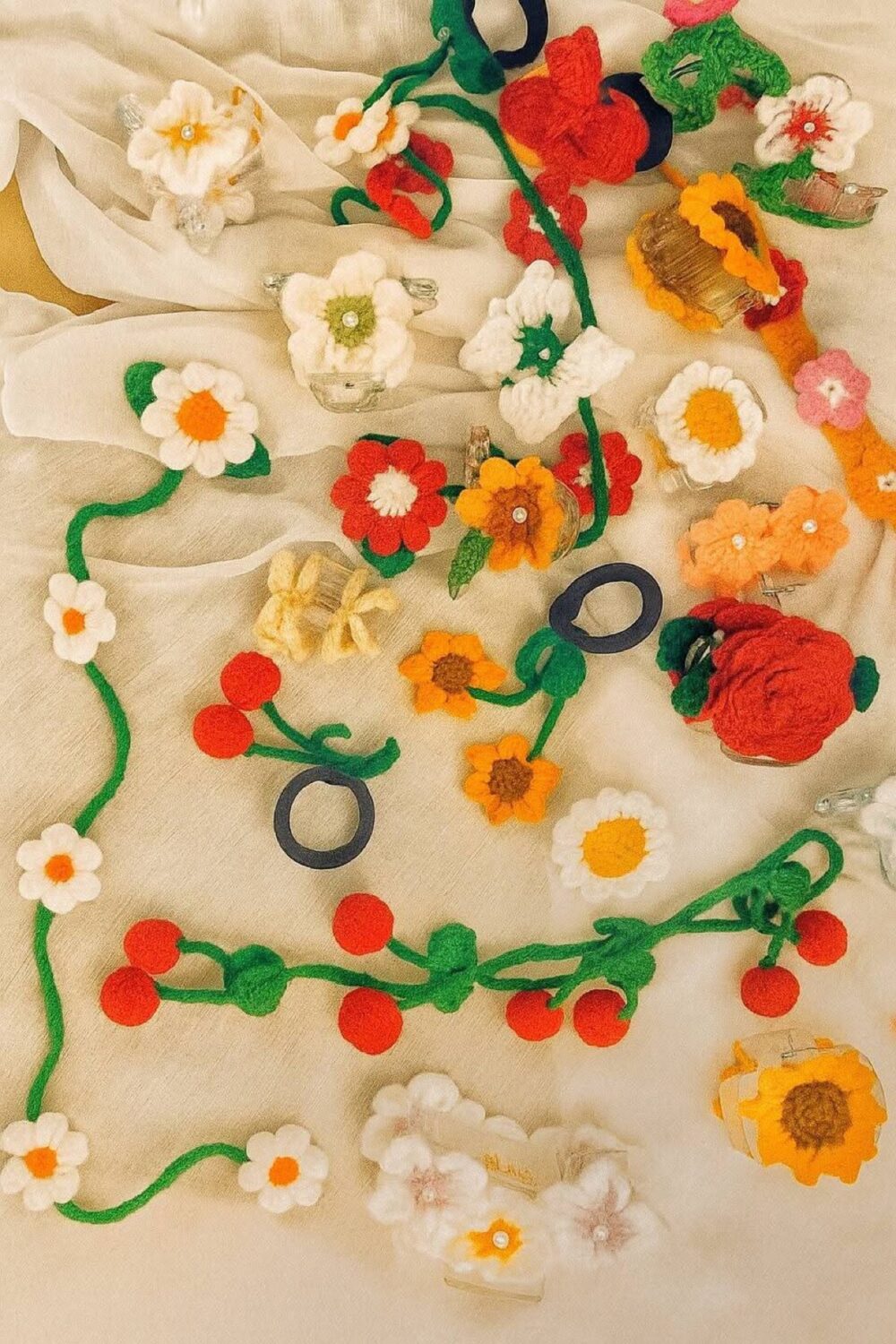
The smartest path is to treat DHgate as one channel in a test-and-compare strategy: clarify what you need, vet multiple suppliers, start with samples and small batches, and only scale up once you’ve proven fiber quality and repeatability.
How Wholesale Crochet Supplies Work for Small US Craft Businesses
Wholesale crochet supplies cover everything your customers touch or you use in production:
- Yarn: cotton, acrylic, wool, blends, specialty fibers (macramé cord, T-shirt yarn), in various weights.
- Hooks and tools: aluminum hooks, ergonomic handles, Tunisian hooks, stitch markers, blocking mats.
- Notions and hardware: buttons, clasps, keychains, safety eyes for amigurumi, bag handles.
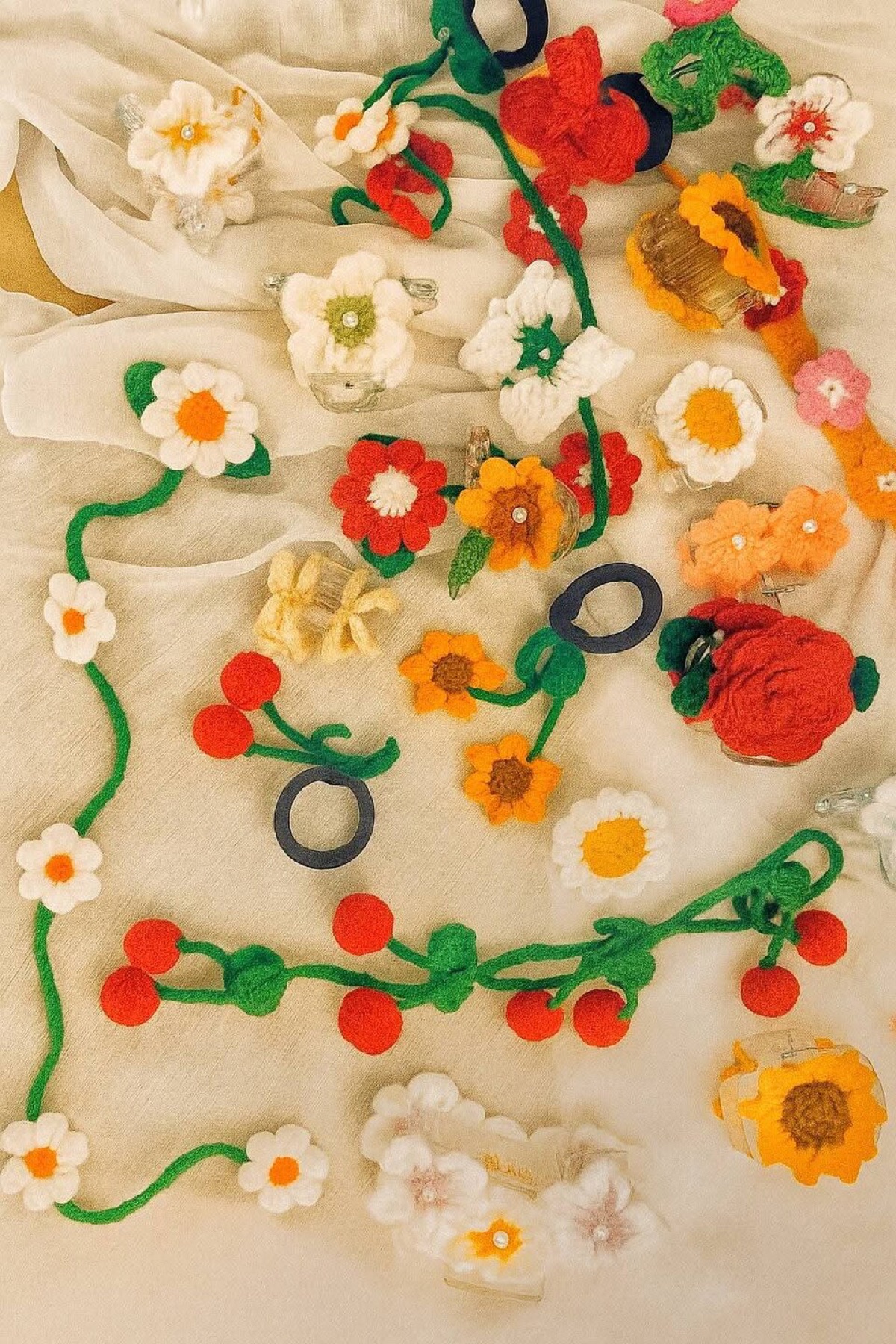
- Kits and finished accessories: packaged learn-to-crochet kits, scarves, hats, hair accessories, home décor.
Much of the world’s mass-market yarn, hooks, and small hardware is manufactured in Asia, particularly China. Large domestic craft wholesalers like AA Crafts carry crochet-related categories (yarn, hooks, sewing notions) and sell in bulk to retailers and craft businesses, as shown on their site’s sewing and crochet wholesale section.Craft Supplies Wholesale — Sewing & Crochet | AA Crafts Specialized platforms such as EverfulWholesale list a dedicated Knitting & Crochet Supplies category, which signals an established wholesale segment beyond general marketplaces.Knitting & Crochet Supplies category
- Color and fiber consistency across dye lots.
- Labeling and safety (fiber content, care instructions, children’s products).
- Transit time and customs versus domestic distribution.
That’s why small US craft businesses often mix channels: domestic wholesalers for fast, predictable basics; cross-border marketplaces for price-sensitive or trend items, tested carefully before scaling.
Choosing and Vetting Crochet Suppliers on DHgate and Other Marketplaces
On DHgate and similar marketplaces, you’re not buying from “DHgate” itself—each listing belongs to an individual supplier. You have to do the homework at seller level.
DHgate’s own sourcing guidance emphasizes a few tools: use filters to narrow by category and keywords, check supplier ratings and transaction history, and consider ordering samples before making a larger commitment.DHgate sourcing tips That generic advice becomes much more specific once you apply crochet realities.
Crochet-specific checks on a listing
When you open a crochet supply product page (on DHgate, Alibaba, or a Western wholesale platform), focus on details that directly affect your stock:
- Fiber and weight specs: Look for clear statements like “100% cotton, 4-ply, worsted weight” rather than “soft yarn.” Missing or vague specs are a red flag for yarn.
- Colorways and dye lots: For yarn, press the supplier on how they manage dye lots. Ask whether reorders in a given color will match earlier batches and how often they change production runs.
- Hook ergonomics and materials: For hooks, zoom in on photos to see seams, coating quality, and handle thickness. Ask about handle material (rubber, plastic, silicone) and whether sizes follow US versus metric labeling.
- Kit completeness: If you’re buying crochet kits or finished accessories, ask for a contents list and photos of all included items. A missing hook or low-quality yarn can make a kit unsellable.
On DHgate, you can combine these questions with platform signals:
- Use category filters and keyword combinations like “cotton crochet yarn cone,” “ergonomic crochet hook set,” or “amigurumi safety eyes bulk.”
- Read transaction history and reviews for comments specifically mentioning yarn softness, shedding, color accuracy, or hook comfort.
On craft-focused wholesalers like AA Crafts or EverfulWholesale, you may see more structured product data up front (fiber content, weight, brand name). That can reduce some back-and-forth but you should still email for clarification on dye lots, care labels, and repeat availability.
Practical vetting steps
For any marketplace channel, make your vetting process concrete:
- Shortlist 3-5 suppliers per product type (e.g., yarn, hooks, accessories) based on ratings, product detail quality, and reasonable MOQs.
- Message each seller with the same questions: fiber composition, gauge/weight, color repeatability, packaging, and expected re-order stability over 6-12 months.
- Request samples or very small orders of your key colorways and hook sizes. DHgate itself encourages sample orders as a quality check, though availability is up to each seller.
- Test the samples: swatch the yarn, wash it, check for pilling or bleeding; use the hooks for a full project; inspect hardware for sharp edges or weak joints.
For DHgate-specific supplier selection help, you can use DHgateWiki’s focused guides like Find wholesale suppliers on DHgate and Choose a DHgate wholesale supplier, then layer your crochet-specific questions on top.
Pricing, MOQ, and Channel Fit: When DHgate Makes Sense for Crochet Sourcing
How DHgate generally positions itself
DHgate is a large China-based B2B marketplace connecting international buyers with Chinese wholesalers and manufacturers across many categories.Real or Fake? DHgate overview Editorial material from DHgate describes the platform as small-business-friendly, with comparatively low minimum order quantities versus some traditional B2B sites.Wholesale clothes sourcing blog In practice, that usually translates to:
- More willingness among sellers to do small cartons or mixed-color packs.
- Better fit for US craft businesses that can’t commit to pallets of yarn or hooks.
Comparing DHgate with other crochet sourcing channels
Here’s a high-level, crochet-specific comparison of common channels. Values are editorial judgment based on how these platforms position themselves and how craft wholesalers typically operate:
| Channel type | Typical MOQ tendency | Customization potential (colors, branding) | Quality/consistency control | Best fit scenarios |
|---|---|---|---|---|
| DHgate (China-based marketplace) | Often lower, negotiable; many sellers open to small cartons | Some OEM/branding options, color selection varies by seller | Variable; must be proven via samples and repeat orders | Price-sensitive basics, experimenting with new accessories at small scale |
| Alibaba-style B2B marketplace | Often mid-to-high; many factory-level sellers expect larger runs | Strong for custom colors, labels, private label | Can be high once you lock in a good factory, but up-front vetting is heavier | Larger ecommerce brands, bulk yarn runs, custom kit projects |
| Western wholesale platforms (Faire, Creoate) | Usually small to moderate; often case packs | Limited customization; mainly curated brands and finished goods | Higher; platforms tend to curate brands and product data | Boutique retail looking for branded crochet kits and finished accessories |
| Domestic craft wholesalers (e.g., AA Crafts) | Case packs or moderate MOQs per SKU | Limited; focus on established brands and standard colors | High consistency; easier returns and communication | Fast replenishment of staple yarns, hooks, and notions |
For a small US crochet business, DHgate makes the most sense when:
- You want generic supplies (hooks, basic hardware, unbranded kits) where brand isn’t a selling point.
- You can afford to run a disciplined sampling phase before committing.
It’s a weaker fit when:
- You need branded yarn lines your customers already recognize.
- You rely on strict safety labeling and compliance baked into the product (e.g., baby items with tested fibers).
- You need fast, predictable re-stock cycles and can’t tolerate cross-border delays.
Worked example: planning a first DHgate test order
Suppose you want to stock:
- 3 staple colorways of worsted-weight cotton yarn.
- A basic ergonomic hook set (sizes H–K).
- Bulk safety eyes for amigurumi.
A low-risk DHgate-first approach could look like this:
- Yarn: Shortlist 3-4 DHgate sellers offering “100% cotton crochet yarn” with clear photos and specs. Message each about dye lots and re-order consistency, then order 2-3 cones or packs per seller in the same color. Swatch, wash, and compare.
- Hooks: Find 2-3 ergonomic hook sets with strong reviews mentioning comfort, no rough seams, and accurate sizing. Order one set from each and test them across several projects, watching for chipping or labeling errors.
- Safety eyes: Choose 2 suppliers with detailed photos and mention of washer design. Order small mixed-size packs; test fit and hold strength on sample toys.
If one seller’s yarn and hooks stand out on quality and consistency, you can place a small “production” order—still under your full seasonal need—then monitor that first batch before phasing out domestic equivalents. If none meet your bar, you’ve spent relatively little and can pivot to domestic wholesalers or Western platforms.
For more generic DHgate supplier selection tactics (applicable across categories), DHgateWiki’s Find DHgate suppliers article can complement your crochet-specific tests.
Risk-mitigation tips focused on fiber quality, safety, and repeatability
Across all channels, the biggest risks in wholesale crochet sourcing are hidden quality issues and inconsistent stock. You can reduce those by:
- Treating samples as non-negotiable: Especially for yarn and hooks, never skip hands-on testing before bulk purchasing.
- Documenting specs with each order: Save PDFs or screenshots of product pages, plus written confirmations from the seller about fiber content, color codes, and hook sizing.
- Locking in a small core range: Once you find a seller who delivers consistent quality, resist the temptation to constantly switch suppliers for your core SKUs. Use experimentation only for add-on products.
If you find that DHgate sellers can’t meet your quality or repeatability bar after testing, that’s not a failure—it’s a useful result. You can then justify paying more per unit through domestic craft wholesalers or curated platforms like Faire/Creoate, knowing those channels better align with your brand promise and customer expectations.