
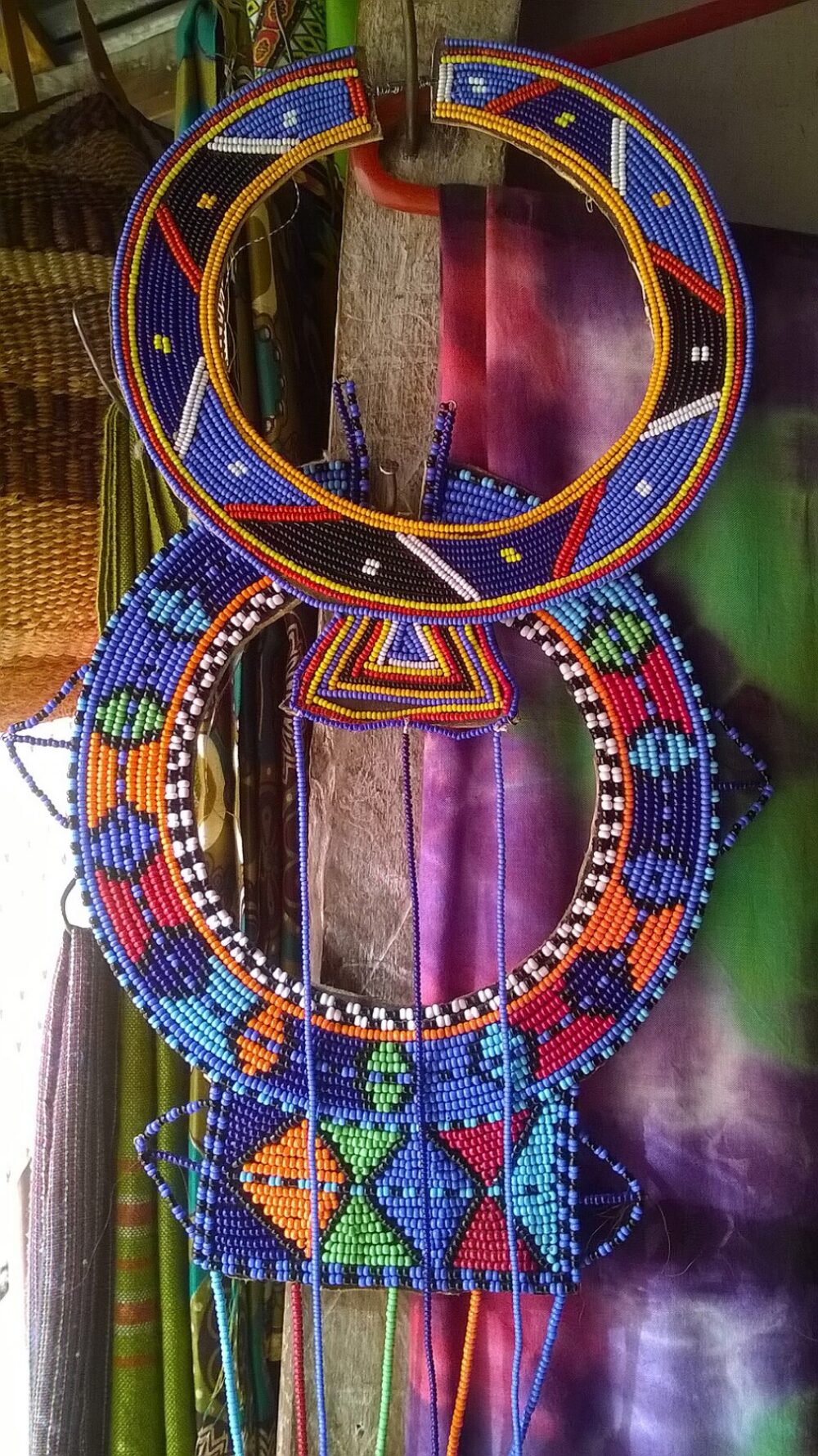
You can source African jewelry wholesale online with manageable risk if you separate two ideas up front: authentic African-made artisan work vs mass-produced African-inspired designs. Most large marketplaces, including DHgate, lean heavily toward the second group, while Africa-based wholesalers such as Africa Imports or Naruki Store position themselves around authentic, artisan-made pieces. Treat each supplier as its own risk profile, insist on real evidence before placing larger orders, and keep your first order small and controlled.
What Buyers Fear in the African Jewelry Wholesale Market
The African jewelry wholesale market is broad. On one end, you have artisan-made beadwork, brass and recycled-glass pieces sourced from countries like Kenya or Ghana—often through wholesalers like Africa Imports’ necklace and bracelet ranges or Naruki’s Maasai beadwork collections. On the other, you have bulk lots of African-inspired patterns and motifs manufactured outside Africa, often in China, and sold in large volumes online.
US buyers usually worry about a few specific things:
- Origin misrepresentation. Listings may describe items as “African” without clearly stating whether they’re made in Africa or simply use African-inspired designs. Africa-based wholesalers like Africa Imports explicitly market “African jewelry” categories, while China-based marketplaces generally emphasize style rather than origin, which can blur the line for your customers.
- Quality consistency at scale. Artisan pieces can vary because they’re handmade; mass-produced items can vary because factories or batches change. Either way, the risk is not knowing whether your second and third orders will match the first.
- Shipping and fulfillment reliability. Cross-border wholesale means longer transit times and more points of failure. Buyers aren’t just worried about delays; they worry about partial shipments, damaged goods, and the difficulty of resolving issues when the supplier is on another continent.
These aren’t reasons to avoid the category. They’re reasons to build a simple, repeatable process so you’re not trusting marketing language alone.
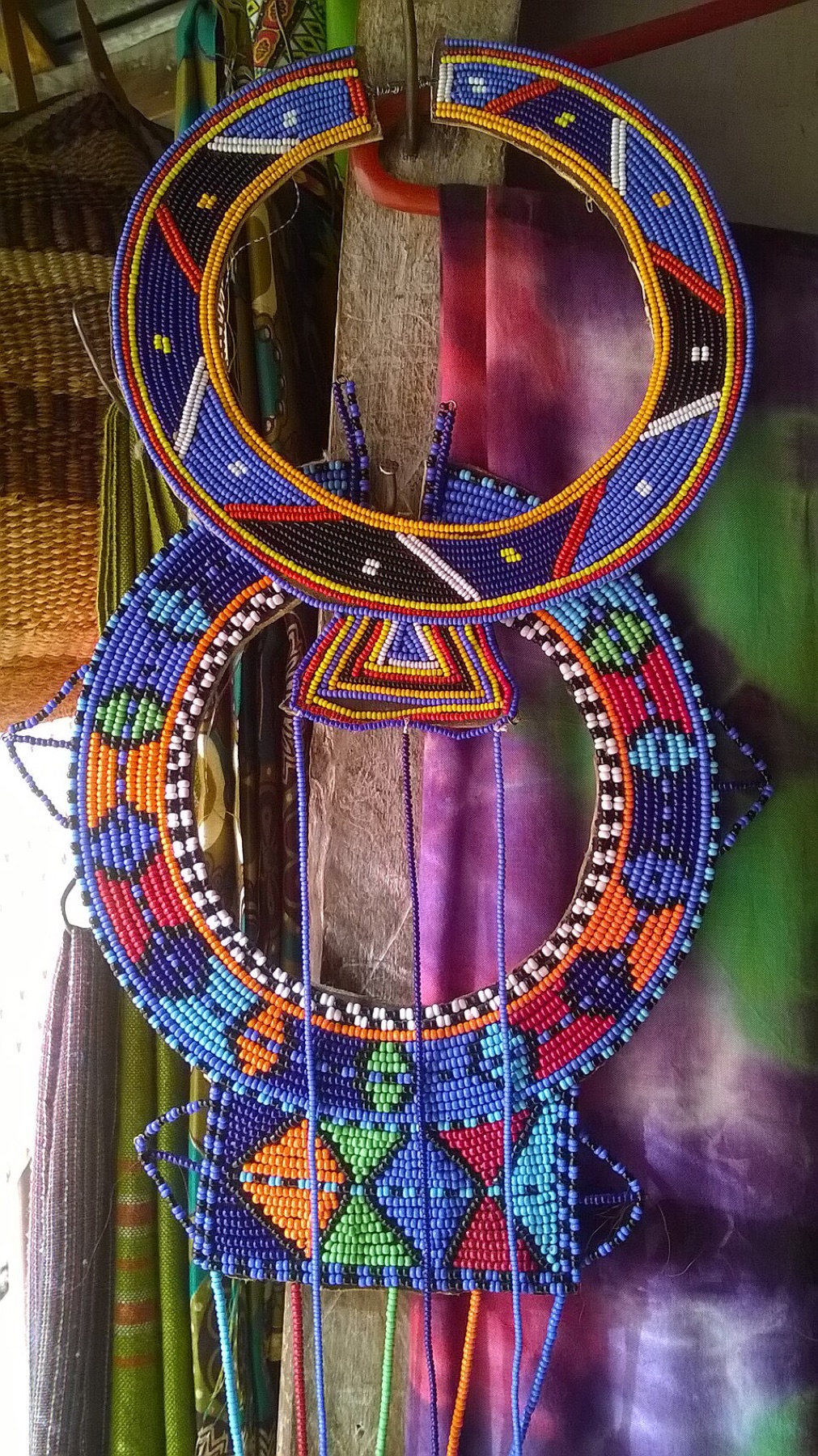
Universal Trust Checks for African Jewelry Suppliers
Regardless of whether you’re dealing with an Africa-based wholesaler, a small workshop, Alibaba, or DHgate, your process can be largely the same. Here’s a focused checklist tailored to African jewelry.
1. Pin down origin and story
Ask the supplier directly:
- Where are the pieces physically made?
- Who makes them—individual artisans, cooperatives, or factories?
- Can they share photos or short descriptions of the production environment?
Wholesalers such as Naruki Store highlight artisan groups and regions in their Maasai beadwork; that’s the level of concreteness you should look for if authenticity matters to your brand.
2. Use samples to test both product and claims
Before committing to a large order, pay for samples:
- Include multiple styles and colors, not just a single “hero” piece.
- Compare samples against listing photos and descriptions.
- Test durability: clasps, thread tension, bead finish, metal feel.
If you’re evaluating a DHgate seller, treat their jewelry catalog like any other factory channel: order samples, and then keep a simple record of which listing matched reality and which didn’t. DHgate’s own editorial sourcing content recommends exactly this kind of sample-first approach for boutique sourcing.
3. Clarify MOQs and repeat-order expectations
Most wholesale guidance stresses that you know:
- The minimum order quantity for each style.
- Whether future batches will use the same materials and artisans/factory.
- How often designs or suppliers change.
Africa-based wholesalers like Africa Imports often carry recurring lines (e.g., bead necklaces, brass cuffs) but still update styles. With marketplaces, individual sellers may change factories or materials without warning, so you should ask specifically how they maintain consistency.
4. Check reputation with specifics, not just stars
Generic advice to “read reviews” isn’t enough. Look for:
- Photos and detailed comments mentioning color accuracy, weight, and comfort.
- Mentions of late or partial shipments.
- Any discussion of whether items were truly African-made vs simply African-themed.
If reviews are sparse or vague, treat that as a signal to keep your first order small and avoid relying on that supplier for a core product line.
5. Protect payments and communication
Standard sourcing guidance recommends:
- Keeping all communication in writing (email or platform messaging).
- Avoiding direct off-platform payments to unknown entities.
- Matching payment name to the business name you researched.
On marketplaces, insist that any changes to the order—quantities, colors, substitutions—are captured in the platform’s order detail or message system so you have a clear trail if something goes wrong.
6. Build your own quality controls for repeat orders
Trust isn’t a one-time event. For African jewelry, set your own guardrails:
- Re-check one piece from each new batch before listing it on your site.
- Keep photos of each shipment to compare against future orders.
- Track problem rates by supplier; if breakage or misrepresentation spikes, be ready to switch.
This turns even a lower-cost, high-volume marketplace relationship into something you can manage systematically instead of relying on platform reputation.
How Online Marketplaces Handle Trust—and Where DHgate Fits
Online marketplaces (DHgate, Alibaba, and others) are not manufacturers; they are listing platforms connecting you with many different suppliers. Each seller’s reliability, product origin, and quality can vary widely.
DHgate’s own editorial describes the platform as a China-based B2B marketplace connecting China manufacturers with global buyers, with broad categories including jewelry and typically low MOQs compared with some other wholesale sites. Another DHgate blog piece highlights millions of jewelry items—necklaces, bracelets, earrings, rings, even packaging—sold through the site. None of that, on its own, tells you which listings are authentic African-made or even where they’re produced.
Against that backdrop, you can think about sourcing African jewelry through three main channel types:
| Channel type | Typical product focus | Trust advantages for African jewelry | Key limitations |
|---|---|---|---|
| Africa-based wholesalers (e.g., Africa Imports, Naruki) | Artisan African-made jewelry, beadwork, brass, recycled glass | Clearer origin stories, closer ties to artisans, marketing aligned with African heritage | Often higher MOQs or prices than mass-produced alternatives; styles may be less standardized |
| Global B2B marketplaces (Cross-border multi-seller, Alibaba) | Mass-produced jewelry including African-inspired designs | Huge selection, flexible MOQs, potential to test many styles cheaply | Origin may be non-African, authenticity not guaranteed; trust is listing-by-listing, seller-by-seller |
| Retail platforms (Etsy, Faire sellers) | Mix of artisan and small-brand jewelry | Easier to find individual makers and micro-brands | Not always set up for true wholesale margins or bulk orders |
For a US small business, DHgate tends to make sense in scenarios like:
- You primarily need African-inspired aesthetics (colors, patterns, silhouettes) rather than verified African origin.
- You want to test multiple jewelry styles with low initial quantities and see what sells before committing.
- You’re comfortable running strong vetting steps on each seller and accepting that some listings may be closer to generic fashion jewelry.
DHgate is less aligned with situations where:
- Your marketing and customer promise depend on authentic African craftsmanship and fair-trade narratives.
- You need clear traceability back to specific regions or artisan groups.
For the DHgate branch of your supplier check, use Assess DHgate listing and seller risk, Find trusted sellers on DHgate, and Find wholesale suppliers on DHgate.
In those cases, Africa-based wholesalers like Africa Imports or The Afropolitan Shop’s wholesale offering are more structurally suited to your brand, even if that means higher per-piece costs or less variety.