
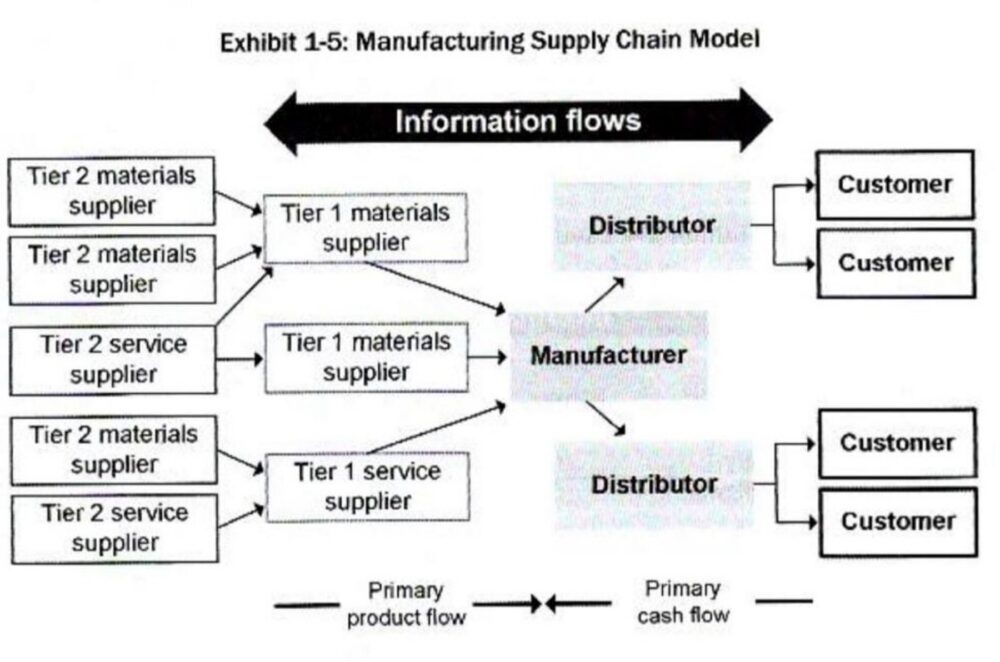
Lululemon doesn’t make its own leggings in company-owned factories. It’s a retailer that designs products and then relies on a contracted network of manufacturers around the world to produce them. Recent disclosures show Lululemon working with roughly fifty Tier 1 suppliers (finished-garment factories) globally, supported by upstream fabric mills and material vendors.Modern slavery statement For a small US brand, that’s good news: you can’t tap Lululemon’s suppliers directly as a reseller, but you can build a smaller, similar network using cross-border channels like DHgate, Alibaba, or direct factory relationships—if you’re disciplined about quality, ethics, and cost.
How Lululemon’s Supply Chain and Manufacturing Actually Work
Lululemon designs its products in-house, but it does not own manufacturing facilities. Instead, it contracts specialized factories—primarily in Asia and other regions—to cut, sew, and finish garments. Those factories are classified as Tier 1 suppliers (the ones that ship finished goods). Upstream, Tier 2 and Tier 3 suppliers handle fabrics, trims, and raw materials.
In a recent modern slavery statement, Lululemon reports working with around 50 Tier 1 suppliers for finished products in a given year, emphasizing that this number can change as they add or exit suppliers.Modern slavery statement The company uses formal programs and audits to monitor labor practices, human rights, and worker wellbeing across this network.Supplier programs
The brand also ties its supply chain to climate goals. Lululemon has public targets to reduce emissions across its operations and supply chain and tracks progress toward those high-level climate commitments.Climate action That affects decisions such as which regions and energy sources suppliers use and how logistics are organized.
Analyses of Lululemon’s supply chain note the use of digital tools to manage fabric sourcing, demand forecasting, and downstream logistics, improving visibility from textile mills through distribution.HBS analysis It’s not a single proprietary system, but a broader push toward digitization and data-driven planning.
For a small buyer, the takeaway is simple: Lululemon doesn’t have magic factories. It has well-chosen, well-managed partners, clear standards, and data discipline. You can emulate those behaviors at a smaller scale, even if you only work with one or two factories at first.
Translating Lululemon’s Model Into a Sourcing Playbook for Small Brands
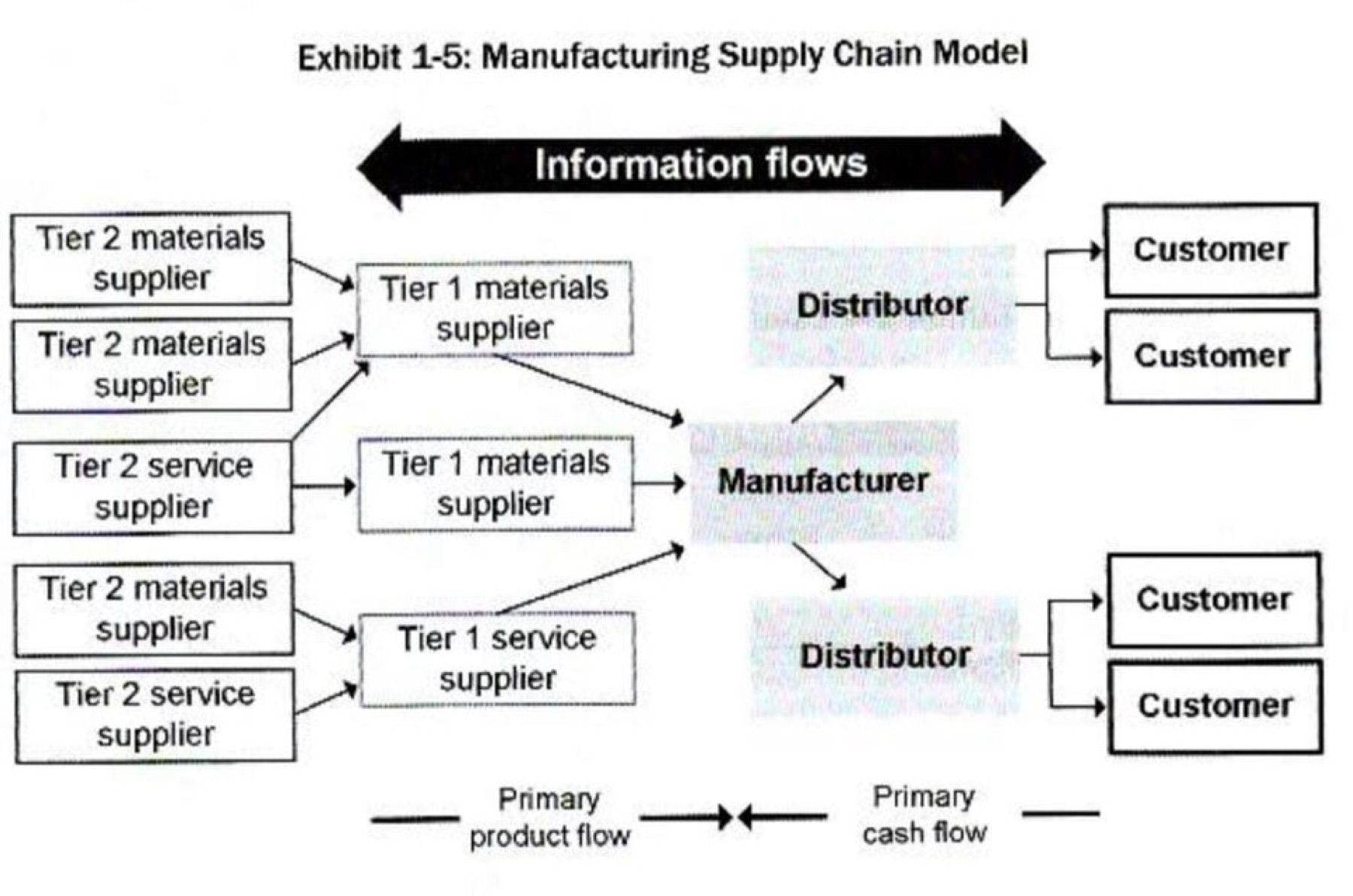
If you want Lululemon-level performance wear under your own label, focus on building a mini-version of their supplier network rather than chasing “Lululemon factories.” Think in tiers:
- Tier 1: cut-and-sew factories that specialize in knit activewear (leggings, bras, tops).
- Tier 2: fabric mills and knitters that offer performance blends (nylon/spandex, polyester blends, brushed or peached surfaces).
- Tier 3: fiber and yarn producers (usually out of reach for very small brands).
You’ll usually interact directly with Tier 1 factories and sometimes with fabric suppliers. Use Lululemon’s standards as screening criteria.
1. Define your fabric and performance requirements
Lululemon’s products are built around very specific fabric properties: stretch, recovery, opacity, hand feel, and moisture management. You should write your own mini-spec before you contact suppliers, for example:
- Nylon-spandex blend, 250-280 gsm (weight) for leggings
- 4-way stretch, squat-proof at size medium
- Brushed or peached surface, matte finish
Then ask factories if they already have similar fabrics in stock or if they work with mills that do. You don’t need to invent new fibers; you need to match performance.
Sample outreach message:
“We’re a US-based brand looking for full-length women’s leggings in a nylon/spandex fabric similar to high-end yoga wear. Do you have existing fabrics in the 250-280 gsm range with good opacity and 4-way stretch? Can you share fabric specs and recent test data?”
2. Borrow Lululemon-style ethics and wellbeing checks
Lululemon publishes expectations around labor standards, human rights, and worker wellbeing, backed by supplier programs and assessments.Supply chain wellbeing You won’t replicate their full compliance apparatus, but you can ask targeted questions:
- Do you have recent third-party social audits (e.g., SMETA, BSCI, WRAP)?
- How many hours per week do production workers typically work during peak season?
- Are wages tied to local legal minimums or above? How is overtime paid?
Practical red flags:
- No audit reports and vague answers about working hours.
- Unwillingness to let you visit (if you’re in-region) or do video walkthroughs.
- Pressure to pay cash only, no documentation.
These are not guarantees, but they put you closer to the standards big brands ask for.
3. Plan your own ‘tiered’ supplier map
Lululemon spreads risk across dozens of factories. You probably can’t, but you can avoid single-point failure:
- Start with one primary factory for leggings and bras.
- Line up one backup that has similar capabilities and is willing to sample.
- Keep a short list of fabric mills that you or your factory can switch between.
Over time, treat suppliers as long-term partners. Share sell-through data, seasonal plans, and expected volumes instead of placing random one-off orders.
4. Use digital discipline, even with small volumes
You don’t need a full ERP to copy Lululemon’s digitization habits. Track, at minimum:
- Fabric lots and suppliers per style
- Sample approval dates and version history
- Production lead times and on-time delivery rates
A simple spreadsheet or cloud tool gives you the visibility to make better re-order and pricing decisions.
Channel Choices for Lululemon-Style Activewear: DHgate and Alternatives
Once you know what you’re looking for, the question is where to find suppliers. Lululemon works directly with factories; you’ll mix marketplaces with direct sourcing.
Here’s a practical comparison of common channels for Lululemon-style activewear (generic, non-branded):
| Channel | Typical use case for small brands | MOQ & customization effort (editorial judgment) | Verification work you do yourself |
|---|---|---|---|
| DHgate | Buying existing activewear designs and testing demand; very small initial runs; sometimes white-label if suppliers allow. | Often low MOQs and tiered wholesale pricing based on quantity, but deep customization may be limited per listing. | Check listing details, seller history, reviews, and message suppliers directly about fabric specs, ethics, and custom branding. |
| Alibaba / Made-in-China | Finding OEM/ODM factories for custom designs and ongoing production. | MOQs usually higher; factories expect repeated orders and custom tech packs. | Vet business licenses, audit reports, factory photos/videos, and request references or third-party inspections. |
| Direct factory (off-platform) | Building a long-term strategic partner like Lululemon does. | Negotiated MOQs; more flexible once you have a track record. | Full due diligence: site visits if possible, audits, and detailed contracts. |
DHgate is described in its own editorial materials as a China-based B2B cross-border marketplace connecting global buyers with Chinese manufacturers and suppliers, with low minimum order expectations and tiered wholesale pricing that rewards larger quantities.DHgate overview It also features wholesale sportswear among its many categories.Sportswear suppliers That makes it a reasonable place to test generic leggings or tops in small lots before you commit to a factory relationship elsewhere.
However, treating DHgate or any marketplace as “Lululemon’s supplier list” is a mistake. You’re not buying genuine Lululemon products or accessing Lululemon’s own contracted factories; you’re evaluating independent suppliers that may offer similar styles or fabrics under generic or private labels.
A lean sequence many small US brands follow:
- Prototype and test demand with marketplace products.
- Use DHgate or similar platforms to order a few styles that match your spec and gauge customer response.
- Focus on gathering feedback on fabric feel, fit, and durability.
- Graduate to custom production via factory relationships.
- Once a style proves itself, look for OEM/ODM factories (through marketplaces or trade shows) willing to customize patterns, fabrics, and branding.
- Consolidate suppliers and improve standards.
- Over time, shift more volume to a smaller number of trusted factories and apply tighter labor and climate criteria inspired by Lululemon’s disclosures.
If you decide DHgate is part of that path, you can go deeper on listing-level evaluation with buyer-first guides like find wholesale suppliers on DHgate, find DHgate suppliers, and choose a DHgate wholesale supplier. Those resources focus on how to read seller evidence, judge MOQ and pricing tiers, and decide when a marketplace supplier is good enough versus when you should move to a direct factory.
The more seriously you treat your supplier selection—fabric specs, labor standards, climate implications, and data tracking—the closer your small brand’s supply chain will look to the disciplined, multi-tier model that sits behind Lululemon’s famous leggings.