
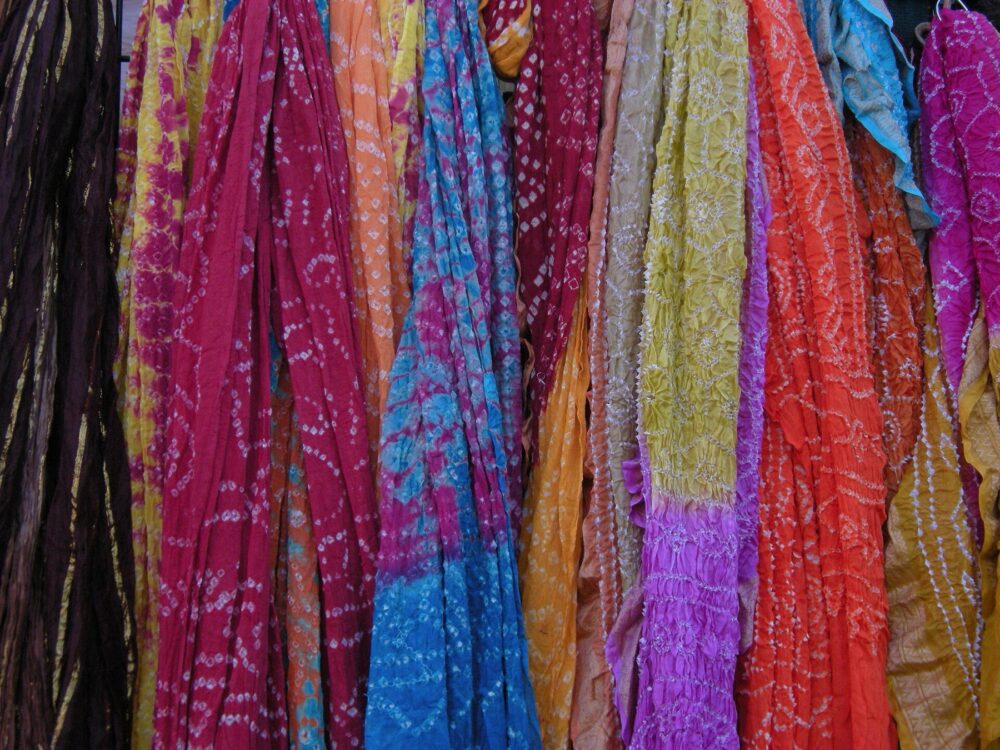
How Wholesale Scarves and Pashminas Are Produced and Sold
Wholesale scarf supply is split by both fabric and geography. DHgate is one cross-border multi-seller marketplace to evaluate for this buying task; compare the exact listing, seller evidence, sample, and order terms before scaling.
Materials and tiers you’ll actually encounter
- True pashmina: Traditionally made from fine cashmere fiber sourced from Himalayan regions. Genuine pashmina shawls and stoles are often produced by specialized mills and workshops in places like Kashmir and Nepal. Suppliers such as KashmirStorz position themselves specifically around premium natural‑fiber pashmina for wholesale buyers.
- Cashmere blends and “cashmere‑feel”: Common in mid‑priced wholesale. These are usually wool or synthetic blends, brushed or knitted to mimic cashmere. US‑oriented importers like FirstWholesale and other scarf specialists sell large assortments of “cashmere‑feel” pieces for boutiques that want the look without true pashmina pricing.
- Synthetic and everyday fashion scarves: Acrylic, polyester, viscose, chiffon, lightweight cotton. These dominate mass‑market and fast‑fashion assortments and are widely produced in China and other large textile hubs.
Where bulk inventory typically comes from
Retailers usually buy scarves and pashminas in bulk in two ways:
- Direct from manufacturer/exporter: For example, ordering pashmina shawls straight from a specialist producer like KashmirStorz. This suits higher‑end, focused assortments and often larger orders.
- Through importers and wholesalers: US‑based operations such as NYWholesaleScarves, WholesaleScarvesCity, and USWholesaleScarves bring in mixed lots, then resell to retailers with domestic shipping and simpler terms.
- Through China‑based marketplaces: Platforms like DHgate and other Alibaba‑style sites list tens of millions of products from many suppliers, including fashion accessories. DHgate is described in its own editorial material as a China‑based B2B marketplace connecting manufacturers and suppliers to global buyers, with millions of product listings across clothing and accessories.
For you, that translates into a choice: pay more for domestic simplicity and faster restocks, or work directly with overseas producers and marketplaces for wider variety and lower per‑unit cost, accepting more complexity.
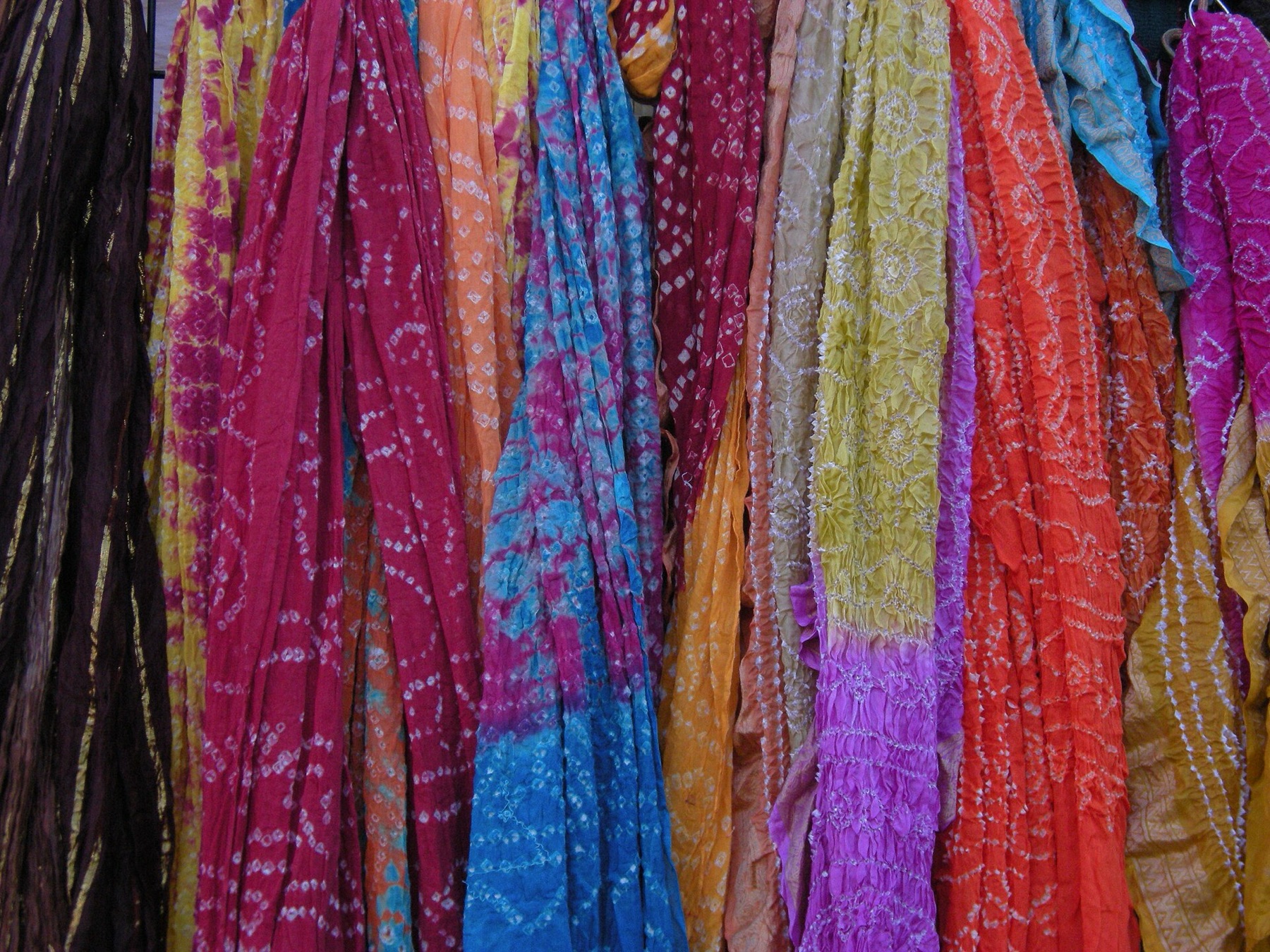
Selecting and Working With Scarf and Pashmina Suppliers
Supplier selection is where most of your real risk and margin are decided. You’re choosing not just a price, but a relationship and a quality level.
Make materials and authenticity your first filter
- Decide whether you need genuine pashmina or are happy with pashmina‑style. If you market items as “pashmina,” you’ll need clear material disclosure from the supplier and, ideally, fiber composition documentation.
- For true pashmina, favor specialized producers (e.g., Kashmir‑region manufacturers) rather than generic scarf vendors. Pages like KashmirStorz’s wholesale section show how dedicated pashmina suppliers frame fiber origin, weaving, and finishing.
- For synthetic fashion scarves, prioritize pattern variety, handfeel, and colorfastness in samples.
Typical wholesale mechanics you’ll negotiate
- MOQ (minimum order quantity): Many importers and wholesalers expect orders in dozens per style or mixed dozens per category. On China marketplaces, MOQs vary widely by listing and can be lower, which is useful for test buys but still needs confirmation on each product page.
- Assortment rules: Some suppliers let you mix colors and prints within a style; others require “solid packs” of the same SKU. Nail this down before you calculate your assortment plan.
- Lead times and repeatability: Ask how often designs change and whether a style will still be available in six months. Scarves can be seasonal; you don’t want to build branding around a print that disappears after one run.
Example: vetting a DHgate scarf supplier step by step
On DHgate, the platform itself recommends several buyer practices in its ecommerce sourcing guidance:
- Use filters and search tools to narrow down scarf listings by material (e.g., cashmere, silk, polyester), usage (winter shawl vs fashion wrap), or price band. This cuts thousands of listings down to a workable short list.
- Evaluate supplier profiles: look at ratings, reviews, and transaction history on the seller page. You’re trying to avoid vendors with thin history or inconsistent feedback on fabric quality and delivery.
- Message 2-3 shortlisted suppliers: ask about fiber content, GSM or weight, available colors, whether you can mix colors in one order, and what they consider a standard carton.
- Order samples before committing: DHgate’s own editorial guidance encourages sample orders to test product quality. For scarves, make those samples representative: at least 2 colors and 2 different fabric types you plan to carry.
- Inspect samples closely: check handfeel, shedding, seam quality, fringe finishing, odor, and whether the label fiber content matches what was promised.
- Negotiate a small first bulk run: many DHgate sellers use tiered pricing, charging less per piece at higher quantities. Start with a modest order (e.g., 50-100 pieces across several styles) even if the per‑unit price is slightly higher, then scale if both sales and repeat quality are acceptable.
For domestic wholesalers, a similar process applies, but you’ll often be dealing with fewer factories, clearer fiber labeling, and more standardized cartons.
Cost breakdown: don’t stop at the unit price
For a 50-100 piece test order, your actual decision hinges on landed cost, not just the listed wholesale price. As you compare suppliers (including DHgate sellers) break cost into:
- Ex‑factory or wholesale unit price.
- Shipping and duties per scarf (estimate from carrier quote or broker, then divide by units).
- Payment fees and any extra handling or packaging charges.
Even without precise numbers, you can structure your comparison like this:
| Channel type | Unit price level (editorial) | Extra cost drivers (editorial) |
|---|---|---|
| US scarf wholesaler | Higher per unit | Lower freight, no import duties, simpler terms |
| Specialist pashmina maker | Highest per unit | International freight, possible customs broker |
| China marketplace seller | Lower per unit | International shipping, duties, longer transit |
Use this view to compare quotes fairly instead of being seduced by the cheapest sticker price.
Channel Trade‑offs: US Wholesalers, Alibaba‑Style Platforms, and DHgate
You have three broad sourcing routes for scarves and pashminas.
1. US‑based wholesalers and importers
Examples include NYWholesaleScarves, WholesaleScarvesCity, USWholesaleScarves, and FirstWholesale. They:
- Aggregate imports into curated lines (often acrylic, viscose, and cashmere‑feel).
- Tend to require more traditional wholesale quantities but are easier to reorder from, especially for brick‑and‑mortar stores.
Fit: Best if you want simplicity, moderate margins, and predictable restocks, and if your brand doesn’t rely on claiming true pashmina.
2. Larger China B2B platforms (Alibaba‑style)
These sites host many manufacturers and trading companies, often geared to bigger buyers.
- MOQs can skew higher, especially for custom or branded scarves.
- Strong fit for private‑label programs or large orders of a single style.
Fit: Best if you’re ready to place substantial orders and possibly develop your own labeled scarf line.
3. DHgate as a niche wholesale marketplace
DHgate is described in its editorial content as a niche wholesale platform connecting China manufacturers with global buyers, with tens of millions of products including clothing and accessories. One article on wholesale clothing notes that minimum order quantity requirements on DHgate tend to be lower compared with some other China B2B sites, making it friendlier to small and medium‑sized businesses testing imports.
In practice, that means:
- You can often find scarf listings where sellers are open to relatively small orders or even single‑piece buys, then offer lower pricing at higher tiers.
- Variety is high: fashion scarves, winter wraps, and pashmina‑style shawls from many factories.
- You must assess each seller individually: MOQs, prices, and capabilities are set by suppliers, not the platform.
If you decide DHgate is your route, it can help to pair this article with more platform‑specific guides like Find wholesale suppliers on DHgate, Find DHgate suppliers, and Choose a DHgate wholesale supplier so your scarf sourcing process is structured and repeatable.