
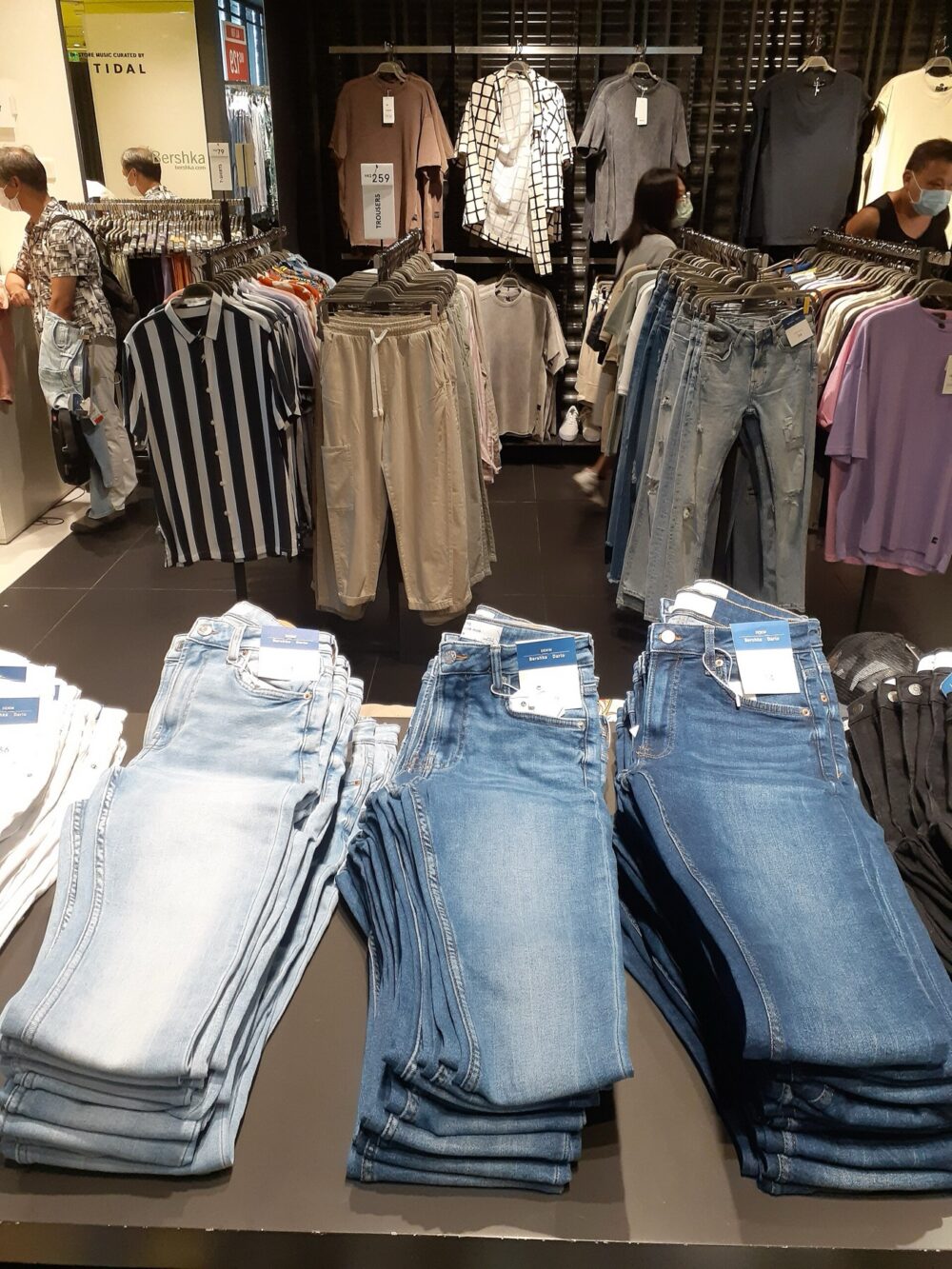
Jeans and pants wholesale sourcing means buying bottoms in bulk from manufacturers or trading companies, usually overseas, then reselling them through your store or marketplace listings. For a US small brand, that can be factory‑direct, via domestic wholesalers, or through online marketplaces that connect you to Chinese suppliers. DHgate is one of those marketplaces: it lists more than 22 million products from hundreds of thousands of suppliers, including a large clothing segment, and can be useful if you want small or test orders instead of committing to big factory runs.DHgate platform overview
The catch is that you have to do the work: narrow down listings, interrogate fabric and fit details, order samples, and evaluate your total costs before you treat any supplier as your go‑to denim partner. This guide walks through how jeans/pants sourcing works, a practical vetting workflow, and where DHgate realistically fits against Alibaba, Made‑in‑China, and US wholesalers.
How Jeans and Pants Wholesale Sourcing Works
Most jeans and casual pants you’ll resell have a multi‑step supply chain:
- Fabric mills produce denim, twill, ponte, fleece, and other bottom‑weight fabrics.
- Cut‑and‑sew factories specialize in categories (e.g., women’s high‑rise skinny jeans, men’s joggers, kids’ leggings) and handle pattern, sewing, washing, and finishing.
- Trading companies and wholesalers buy finished goods from multiple factories, hold stock, and resell in bulk to retailers.
For US small businesses, there are four main sourcing routes:
- Domestic wholesalers and closeout jobbers – fast delivery, predictable US sizing and compliance, but higher unit cost and fewer truly unique styles.
- Direct overseas factories – best for big volumes of one style, long lead times, and heavier upfront sampling and development.
- Trade shows and offline agents – relationship‑driven, often focused on larger buyers.
- Online cross‑border marketplaces – platforms like DHgate, Alibaba, and Made‑in‑China that list many suppliers and jeans/pants SKUs in one place.Chinese wholesale clothing context
DHgate’s editorial material describes it as a B2B marketplace launched in 2004 that allows traders worldwide to buy Chinese goods in small quantities at wholesale prices.DHgate background It also highlights millions of clothing and fashion items, including jeans and tracksuits, marketed as inexpensive and budget‑friendly.DHgate clothing overview That scale is what makes marketplaces attractive: instead of negotiating with one factory at a time, you can browse many jeans and pants suppliers and filter by style, size range, and order quantity.
For a small US apparel brand, marketplaces are usually best for:
- Testing new fits or trends (e.g., cargo jeans, flare leggings) without locking into a factory contract.
- Filling gaps in your assortment (plus‑size jeans, kids’ joggers) where you don’t have the volume yet for custom manufacturing.
- Trial orders to see how a particular fabric, wash, or size run performs with your customers.
Evaluating Jeans and Pants Suppliers on Cross‑Border Marketplaces
For jeans and pants, fabric, fit, and consistency are where you win or lose. DHgate’s jeans‑buying tips stress several concrete checks that translate directly into a vetting workflow for wholesale orders.DHgate jeans tips
1. Start with listing‑level evidence
Open a jeans or pants listing and look for:
- Seller ratings and reviews. You’re looking for a history of satisfied buyers, not just a high star score. For apparel, read comments about fabric feel, stretch recovery, color after washing, and true‑to‑size fit.
- Size chart quality. Good suppliers provide waist, hip, rise, inseam, and thigh measurements per size, not just “S/M/L.” Compare these against typical US size charts and your own customers’ measurements.
- Material description. You should see fabric composition (e.g., a cotton/elastane mix), an indication of fabric weight for denim, and any wash treatments (stone wash, acid wash, enzyme wash). Vague “high‑quality material” is a red flag.
- Photos that show details. Close‑ups of stitching, pockets, waistband, and hardware (zippers, buttons) matter. If photos are all lifestyle shots and hide construction, ask for more.
2. Use marketplace filters to narrow down candidates
DHgate’s ecommerce sourcing guidance suggests using search filters and tools to find products that match your criteria, then drilling down on supplier ratings and history.DHgate sourcing guidance For jeans/pants, make those filters very specific:
- Category: jeans, pants, joggers, leggings; men/women/kids.
- Size range: whether the supplier offers plus sizes or extended inseams.
- Order quantity range: so you don’t waste time on factories that only quote very large minimums.
Once you have 5-10 candidates, move from listing evidence to direct communication.
3. Ask targeted questions before you order
DHgate’s jeans guidance encourages buyers to ask sellers questions about the product.DHgate jeans tips For wholesale jeans and pants, go past “is this good quality?” and send a short, structured list:
- Fabric and wash: What is the exact fabric composition and approximate weight? What wash process is used, and does it affect shrinkage?
- Fit block: Are these designed for US, EU, or Asian sizing standards? Do you have measurement specs for key sizes (for example, US size 8/10/12)?
- Production consistency: Are these from running stock, or will you cut and sew each order? How often do you change fabric or wash recipes?
- Customization options: Can you change back pocket embroidery, waistband patch, or button branding in future orders?
You’re looking for clear, confident answers and timely replies. Hesitation around fabric specs or size standards is a warning sign.
4. Order samples before committing
DHgate’s ecommerce sourcing advice specifically calls out requesting samples before larger orders.DHgate sourcing guidance For a jeans/pants vendor, treat samples like a mini wear test:
- Order at least two sizes in each key style (for example, M and XL) so you can see grading.
- Wash and tumble dry them to check shrinkage, color fastness, and twisting.
- Fit models across your target size range to see whether the rise and hip are appropriate.
If the supplier balks at samples or offers only one random piece, consider that a reliability red flag.
5. Watch for category‑specific red flags
General marketplace red flags (no history, stock photography, inconsistent communication) apply, but jeans/pants add a few more:
- No real size chart or one that doesn’t match reviews (for example, reviewers say “runs small” but the chart looks generous).
- Unclear fabric mix such as “denim” without composition or stretch description.
- Only trend‑driven styles (extreme distressing, novelty prints) with no basics; that can signal a trader chasing fads rather than a stable factory partner.
If you’re focusing specifically on DHgate listings, you can build a shortlist using the supplier‑finding guides on DHgateWiki, such as finding wholesale suppliers on DHgate, searching for DHgate suppliers, and choosing a DHgate wholesale supplier.
Is DHgate the Right Wholesale Channel for Your Jeans and Pants Business?
DHgate is one option alongside Alibaba, Global Sources, Made‑in‑China, and domestic US wholesalers. Its editorial content highlights millions of clothing and fashion items, including jeans and tracksuits, pitched at inexpensive, budget‑friendly rates.DHgate clothing overview It also notes that typical minimum order quantities on DHgate tend to be lower than on Global Sources and some other wholesale sites.DHgate comparison
Here’s a focused comparison of channels using that context plus cautious editorial judgment:
| Channel | Typical order style (editorial) | Jeans/pants scenarios it tends to fit |
|---|---|---|
| DHgate | Often smaller orders; variety through traders and factories | Testing new fits, mixing styles in modest quantities, filling assortment gaps. |
| Alibaba / Global Sources | Often larger, factory‑driven orders | Bigger, repeat runs of specific jeans or chinos styles once proven. |
| Made‑in‑China | Often geared to direct factory orders and customization | Custom denim programs, private‑label pants with unique specs. |
| US wholesalers | Usually sell from domestic stock; order sizes vary | Fast replenishment, proven US sizing, branded or generic basics. |
Because DHgate connects you primarily with Chinese suppliers and traders, it tends to work best in a few concrete jeans/pants use cases:
- Early‑stage brands or boutiques that want a broad mix of styles—skinny, straight, joggers, leggings—without large commitments.
- Online resellers testing which denim fits or fabrics get traction before investing in custom manufacturing.
- Price‑sensitive sellers needing low apparent cost per unit, accepting that you may compromise on branding or tight spec control compared with long‑term factory‑direct relationships.
It’s not always the right answer:
- If you’re building a signature denim line with custom patterns, proprietary washes, and branded hardware, direct factory partnerships (often found via Made‑in‑China or trade shows) typically serve you better.
Practical way to use DHgate without locking yourself in
You can treat DHgate as a sourcing lab rather than your whole supply chain:
- Define a narrow test batch. For example, a small range of women’s skinny jeans washes and jogger styles in core sizes.
- Shortlist several suppliers using the vetting process above: strong ratings, clear size charts, detailed material notes, responsive answers, and willingness to send samples.
- Promote one or two suppliers to “preferred” status only after at least one successful reorder with consistent quality.
If DHgate’s variety and smaller typical orders fit your testing needs but your overall cost or quality consistency doesn’t hold up once you scale, you’ll have real data to justify a move to a different channel rather than guessing from generic advice.
That’s the core decision: use DHgate and similar marketplaces for jeans and pants as low‑commitment experimentation tools, then graduate proven styles to more stable factory or wholesale relationships once your volumes and standards are clear.