
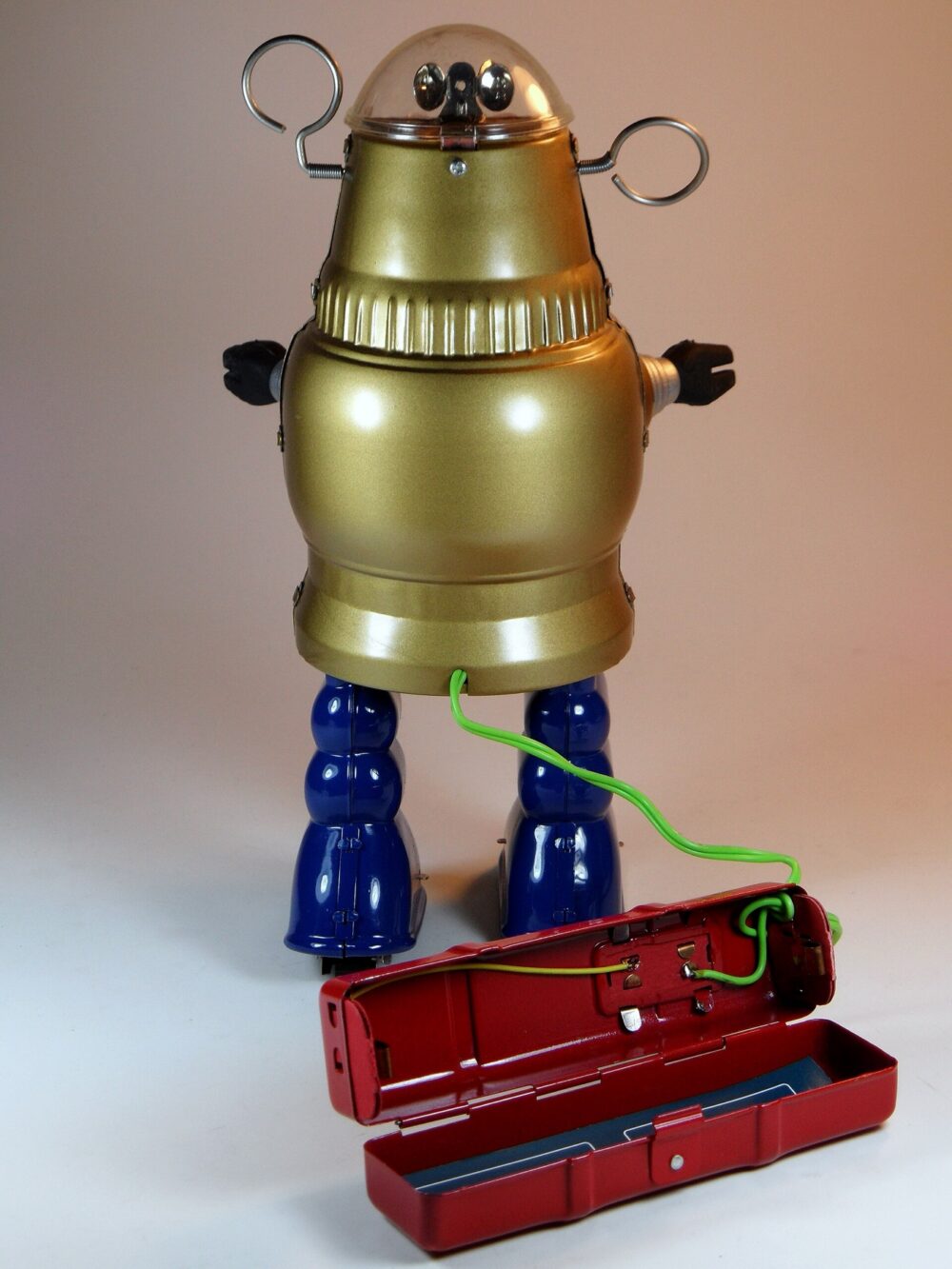
Wholesale remote control toys are battery-operated cars, boats, helicopters, robots and similar devices sold in bulk, usually by factories or distributors. For a small US ecommerce or retail business, DHgate is one way to tap into Chinese RC toy manufacturers at relatively small MOQs, but it only works if you actively vet each seller, test samples, and know your landed cost compared with US-based wholesalers or Alibaba.
This guide focuses on how to source RC toys as a category, then shows where DHgate fits and where it doesn’t.
How Wholesale Remote Control Toys Are Produced and Distributed
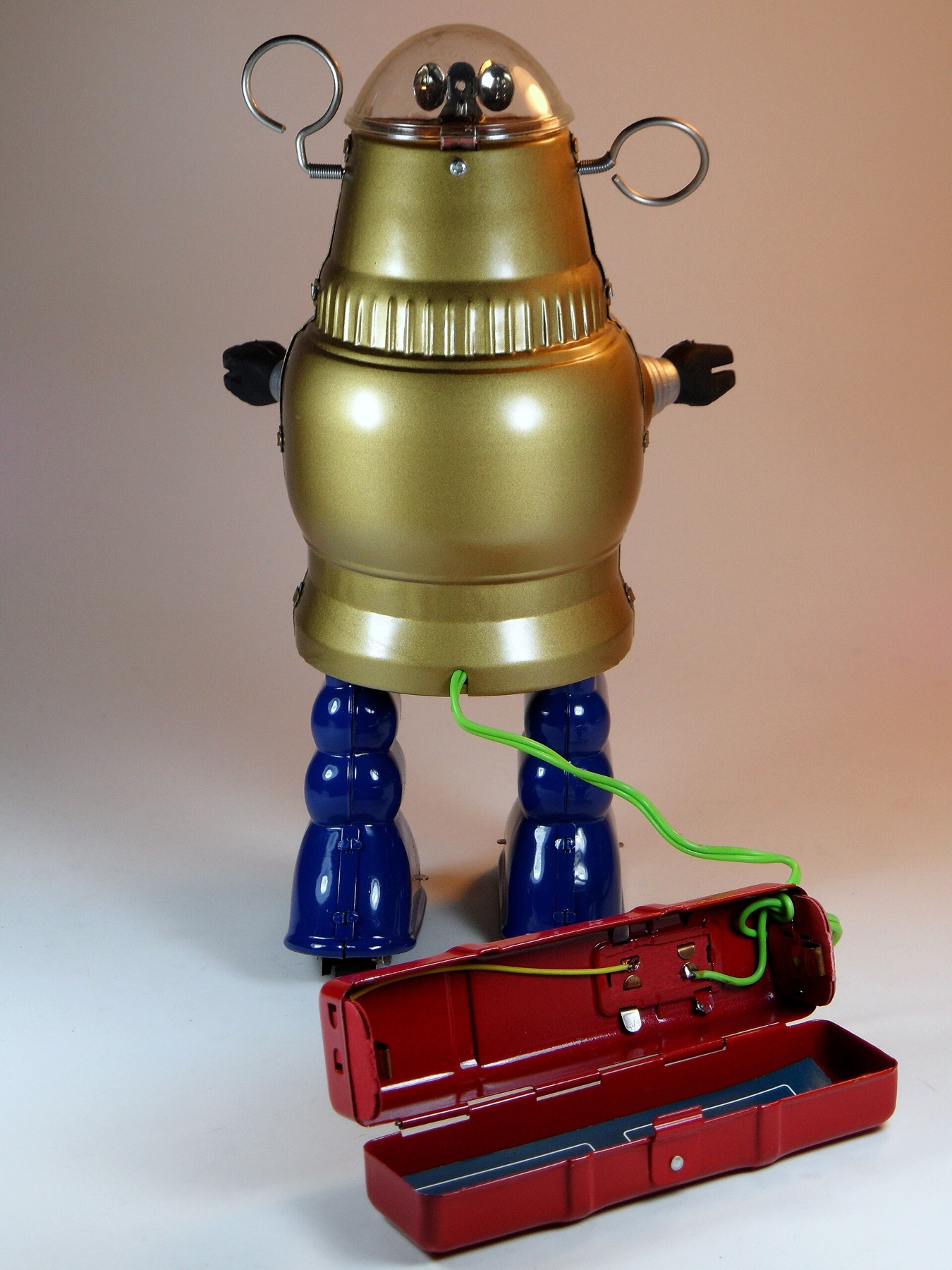
Remote control (RC) toys are typically plastic or metal vehicles and gadgets powered by rechargeable or disposable batteries and controlled via a handheld transmitter. Wholesale assortments cover simple kids’ cars and boats through more complex robots and animal figures, as you can see from the broad RC toy ranges offered by brands like LINK BRAND.
Most mass-market RC toys are manufactured in China and other Asian hubs, then exported through:
- Direct factory export – you buy from manufacturers or trading companies and import yourself.
- China-based sourcing agents – intermediaries who consolidate orders and sometimes handle QC.
- Online B2B marketplaces – platforms like Alibaba and DHgate that connect you to Chinese suppliers.
- US wholesalers and distributors – for example, US-based distributors selling wholesale RC cars and vehicles such as Crescent Distribution or curated toy wholesalers like FunLittleToys.
If you’re a small seller testing the RC category, marketplaces and agents usually let you start with lower volumes and more variety, while US wholesalers trade off higher unit costs for simpler logistics and compliance.
Choosing Remote Control Toy Suppliers and Evaluating DHgate Sellers
RC toy–specific supplier checks
When you look at a supplier (on DHgate or elsewhere), drill into issues that are specific to RC toys:
- Electronics and battery quality – Ask what type of batteries and motors are used and what lifespan they typically achieve.
- Age grading and safety standards – For US sales, you want suppliers who understand standards like CPSIA and ASTM F963. You’re not asking them for legal advice, but for evidence they’ve supplied into compliant markets.
- Durability – Clarify drop tests, materials (ABS plastic vs. cheaper blends), and how they design gearboxes and wheels.
- RF performance – Ask about control range and interference; this matters in crowded urban environments.
Sourcing agents focused on toys, such as Tonysourcing, explicitly talk about importing toys direct from manufacturers. Use that kind of positioning as a benchmark: you want similar technical comfort from any supplier, including those you find on DHgate.
How to read DHgate seller signals
Based on DHgate’s guidance to buyers:
- Feedback scores and sales volume – Higher positive feedback and meaningful sales volume are presented as signals of reliability.
- Ratings, reviews, and transaction history – You can see how past buyers rated the seller and the listing, and how many transactions have occurred.
- Chat before you buy – DHgate highlights its chat feature so you can ask about product specs, compliance, and whether the seller can meet your quantity.
- Filters and search tools – You can narrow by rating, price, and other listing attributes to focus on better-reviewed RC toys.
- OEM and customization opportunities – DHgate’s editorial content points out access to OEM factories, which can matter if you want private-label RC cars or robots.
For remote control toys specifically, use chat to request:
- Detailed photos of internal components (motor, PCB, battery compartment).
- Confirmation of any past export to the US or EU for toy products.
If a seller dodges those questions or pushes you straight to bulk ordering, treat that as a red flag.
For more DHgate-focused selection tactics, you can deepen your process using guides like Find DHgate suppliers and Choose a DHgate wholesale supplier.
Pricing, MOQs, Logistics and When DHgate Beats Other Channels
On cross-border channels, you’ll usually see:
- MOQs – Factories and many DHgate or Alibaba sellers often expect bulk orders, while some are willing to negotiate smaller test runs. US wholesalers may let you buy by the case with no formal MOQ.
DHgate vs other sourcing routes
| Channel | Typical starting volume for small sellers (editorial judgment) | Control over factory & customization | Ease of logistics from a US perspective |
|---|---|---|---|
| DHgate | Small to moderate; some sellers may accept lower MOQs via negotiation | Often direct access to manufacturers; OEM options mentioned in DHgate content | You manage import; more steps but more sourcing reach |
| Alibaba | Moderate to large; many suppliers geared to bigger B2B orders | Strong direct-manufacturer focus; verified badges and purchase protection are described in Alibaba context | You manage import; similar logistics complexity |
| US wholesalers/distributors | Very small (by case or inner pack) | Low customization; you buy finished goods | Logistics simplest; domestic shipping and duties already handled |
| China-based sourcing agents | Flexible; they consolidate across factories | High factory access via agent; good for custom assortments | Agents may help with logistics but you still import |
Mini checklist: RC toy details to lock in before you order
For any remote control toy order, cross-border or domestic, confirm these specifics in writing:
- Battery type, included or not, and expected runtime.
- Age grade and any testing or certifications the supplier has completed.
- Materials, key components (motor type, gearbox), and spare parts availability.
- Packaging dimensions and weight for shipping calculations.
Those details feed into your true landed cost and your Amazon/ecommerce listing claims.
Scenario: Testing One RC Car SKU via DHgate Before Scaling
Consider a hypothetical US Amazon seller wanting to launch an entry-level RC car.
- Product search and shortlisting
They search DHgate for RC cars, use filters to limit results to highly rated sellers, then shortlist three listings whose suppliers show solid feedback and transaction history.
- Supplier communication and samples
Through DHgate chat, they ask each seller for detailed specs (battery, motor, materials) and order 2-3 samples per model. They verify basic safety markings and do informal stress tests and runtime checks once samples arrive.
- Landed cost calculation
- Repeat-order plan
This kind of tightly scoped trial keeps your exposure limited while you learn how a specific DHgate supplier performs in practice.
Brief risk note: Toy safety and cross-border variability
Remote control toys aimed at children fall under US consumer product safety rules. You’ll need to understand broad requirements like CPSIA and ASTM F963 and may wish to consult a compliance professional; this article does not provide legal advice.
Cross-border marketplaces such as DHgate and Alibaba host many different sellers. Some will be experienced exporters with solid QC, others may be focused on domestic markets. That variability is why samples, detailed technical questions, and a cautious first order size are crucial. If you can’t get clear answers on toy safety, materials, and prior export history, treat that supplier as a poor fit no matter how attractive the price looks.
For systematic supplier discovery and screening beyond RC toys, you can also reference Find wholesale suppliers on DHgate, then adapt the same process to your remote control assortment.