
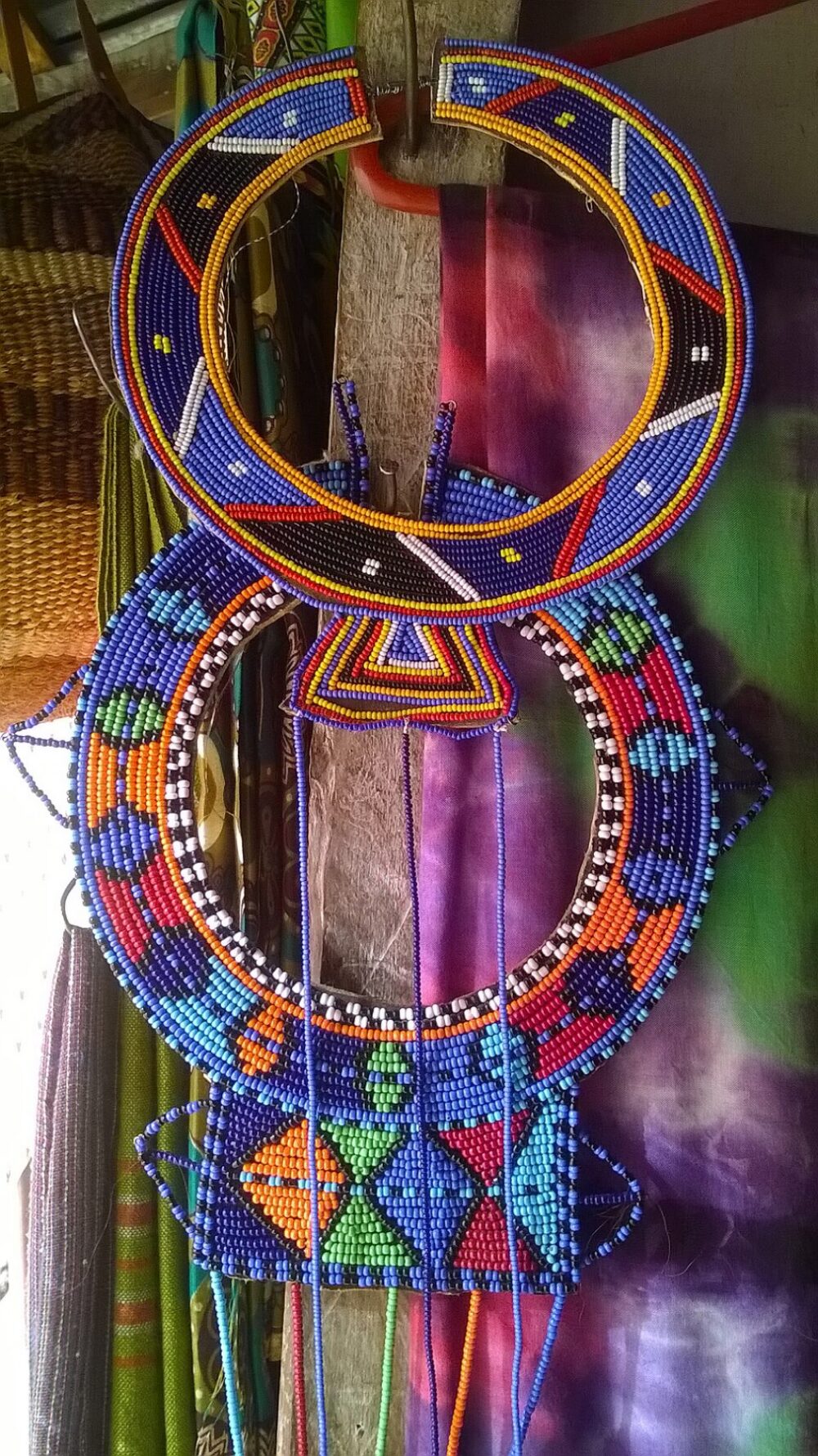
The African jewelry wholesale market splits into two very different worlds: artisan-made, culturally rooted pieces, and mass-produced “African-inspired” fashion. For a U.S. boutique or online store, your first decision is which world you’re actually buying into. If you need authentic beadwork or heritage stories, you’ll be looking at Africa-based artisans, distributors, and curated marketplaces. If you mainly want low-cost fashion that nods to African motifs, global platforms like DHgate can be one sourcing option, but those listings should be treated as generic jewelry, not as verified African craft.
How the African Jewelry Wholesale Market Actually Works
“African jewelry” in wholesale isn’t one unified supply chain. You’ll find:
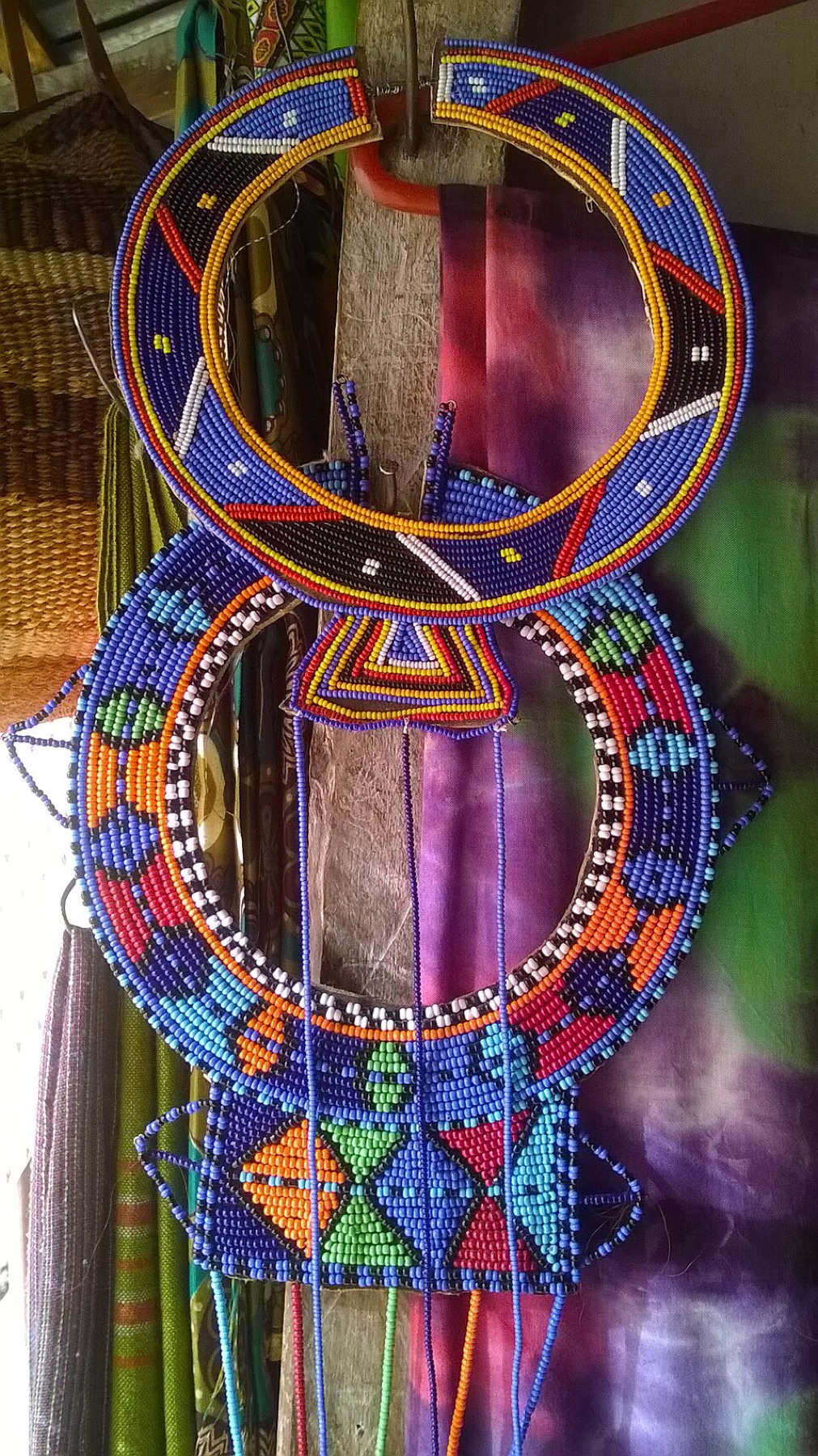
- Artisan beadwork and heritage pieces – e.g., Maasai-style multi-strand collars, bead bracelets, cowrie shell necklaces, brass cuffs.
- Modern designer brands inspired by African aesthetics – combining traditional motifs with contemporary metals or finishes.
- Mass-produced fashion sets labeled “African” – often produced outside Africa, copying popular silhouettes.
On the artisan/heritage side, U.S. buyers typically reach product through three structures:
- Specialist wholesalers serving U.S. resellers. Africa Imports, for example, presents a broad assortment of African jewelry for wholesale buyers—necklaces, bracelets, sets, and related accessories—geared to U.S.-based resellers rather than direct consumers.Africa Imports functions as a distributor: you buy finished pieces in bulk, not custom designs.
- Direct artisan or community-linked bulk sellers. Naruki Store positions its wholesale offer as authentic Maasai beadwork, highlighting bulk African jewelry rooted in specific communities and beadwork traditions.Naruki Store is representative of artisan-aligned wholesalers that focus on one style family (Maasai collars, bangles, etc.).
- Curated brand marketplaces. Platforms like Faire’s African jewelry page aggregate multiple brands that identify as African or African-inspired, letting retailers order on wholesale terms (per-brand lines, sometimes small order sizes) with marketplace-style discovery.
On the mass-market side, large B2B platforms—mostly China-based—list vast numbers of jewelry products with tags such as “African,” “tribal,” or “ethnic.” DHgate’s own jewelry coverage, described in its blog, spans necklaces, bracelets, rings, earrings, sets, men’s accessories like cufflinks, and even jewelry packaging.DHgate blog overview This breadth matters if your store needs volume and variety, but it doesn’t tell you where those items are made or how culturally accurate they are.
For a U.S. buyer, the practical split is:
- Authentic African jewelry: traceable back to African artisans or brands, often with clear cultural context.
- African-inspired fashion jewelry: designed and manufactured wherever labor and materials are cheapest, with Africa used mainly as a style label.
Your merchandising, storytelling, and pricing all depend on which side you prioritize.
Evaluating African Jewelry Suppliers and Channels
Authenticity and reliability are where this category gets tricky. You’re not just buying metal and beads—you’re buying culture, and customers increasingly care whether those stories are real.
Think about suppliers and channels in four buckets:
- U.S.-focused African wholesalers (e.g., Africa Imports)
These sites typically carry wide assortments: bead necklaces, bracelets, map pendants, jewelry sets, and sometimes matching apparel. They’re useful if you need variety and don’t want to manage international shipping yourself. To vet them:
- Scan product descriptions for origin language (“made in Kenya,” “crafted in Ghana”) vs. vague “African style.”
- Review how consistently they present cultural context—materials, patterns, tribe or region references.
- Confirm they are explicitly set up for wholesale, not just consumer retail, by looking for case pack options or wholesale sections.
- Artisan-led or community-linked wholesalers (e.g., Naruki Store)
Sellers that emphasize specific traditions—Naruki Store’s focus on Maasai beadwork, for instance—can provide tighter storytelling and differentiation. When evaluating:
- Check that the site clearly positions the jewelry as authentic beadwork, not just “Maasai-style.”
- Look for photographic detail and closeups that show hand-beading, stitching, and wear characteristics typical of traditional pieces.
- Ask directly about capacity for bulk orders: can they reliably produce 50-200 identical pieces, and what lead times do they quote?
- Wholesale marketplaces (Faire, Etsy wholesale sections)
Faire’s African jewelry discovery page surfaces multiple brands that present themselves for retailer purchase.Faire African jewelry Etsy also has sellers offering wholesale lots or made-to-order quantities. For marketplaces:
- Treat each brand or shop as a separate supplier. Evaluate origin claims at the brand level.
- Use marketplace tools (reviews, repeat-order history if visible) to gauge whether the brand can handle ongoing wholesale demand.
- Expect higher per-unit prices compared with bulk importers, but tighter brand identity and packaging.
- Global mass-market jewelry platforms (including DHgate)
- Review seller ratings and customer feedback carefully for the specific jewelry listing.
- Request samples before you commit to a bulk order, especially for new designs.DHgate boutique sourcing advice
- Negotiate prices and clarify specifications with the seller in writing.
The key distinction: artisan-focused channels (Africa Imports, Naruki, Afropolitan-style stores, Faire brands) are built around provenance and narrative. Global marketplaces are built around volume and price. If your store is a small heritage-focused boutique, start with the first group; if you run a fashion-forward, price-sensitive operation, you may mix in marketplace-sourced African-inspired styles.
Pricing, MOQs, and Using DHgate as a Sourcing Option
Wholesale pricing for African jewelry varies widely, but the mechanics are similar across channels:
- Artisan and heritage wholesalers often work with modest minimum order quantities (MOQs) per style or per assortment pack. You pay more per unit but carry distinctive designs and can order in storytelling-friendly sets (e.g., necklace + bracelet + earrings).
- Marketplace brands on Faire/Etsy usually quote per-piece or per-pack wholesale pricing with smaller MOQs, but each brand has its own terms.
- Large B2B marketplaces give you many listings to compare, and some sellers may accept very low MOQs for fashion pieces, especially when items are mass-produced.
Here’s a simplified view of how channels tend to differ (editorial judgment based on observed market behavior):
| Channel type | Typical focus | MOQ behavior (general) | Best fit scenario |
|---|---|---|---|
| Specialist African wholesalers | Authentic African assortments | Small–medium, per style/set | Heritage boutique, Afrocentric shop |
| Artisan/community-linked sellers | Specific traditions (Maasai) | Small–medium, handmade-based | Story-driven collections, limited capsules |
| Marketplaces (Faire, Etsy) | Multiple brands | Small, brand-dependent | Testing brands, curated multi-brand boutiques |
| Global B2B marketplaces (DHgate) | Broad fashion/costume jewelry | Varies widely by seller | High-volume fashion, add-on African-inspired SKUs |
Where DHgate Can Fit in Your Sourcing Mix
DHgate’s jewelry category, as described in its own editorial content, spans large numbers of necklaces, bracelets, rings, earrings, wedding sets, men’s accessories like cufflinks, and even jewelry packaging.DHgate jewelry overview For African jewelry assortments, that makes DHgate relevant in a specific way:
- Good fit: African-inspired fashion jewelry where affordability and breadth matter more than exact provenance. Think gold-tone “African map” pendants or colorful bead sets meant as trend pieces, not as documented heritage craft.
- Poor fit: assortments that rely on verified African origin, fair-trade storytelling, or tribe-specific designs like authentic Maasai beadwork.
If you decide to use DHgate as part of your mix:
- Search like a merchandiser, not like a tourist. Combine style terms and materials (“map pendant”, “cowrie shell”, “beaded choker”) with filters for metals and finishes to separate costume pieces from anything claiming higher-end materials.
- Follow DHgate’s own sourcing best practices. Its boutique-sourcing blog suggests reviewing seller ratings and feedback, requesting samples, and negotiating prices—these are the minimum steps before committing to bulk orders.DHgate boutique sourcing advice
- Use DHgate to complement, not replace, authentic supply. Many U.S. shops do better starting with small authentic assortments from specialist African wholesalers, then layering in DHgate-sourced fashion pieces as lower-priced options or seasonal experiments.
If you want deeper help specifically with DHgate sellers, you can pair this article with our guides on finding wholesale suppliers on DHgate, finding DHgate suppliers, and choosing a DHgate wholesale supplier. Together, they’ll help you build a sourcing strategy where authentic African jewelry and African-inspired fashion both have a clear, honest place in your assortment.