
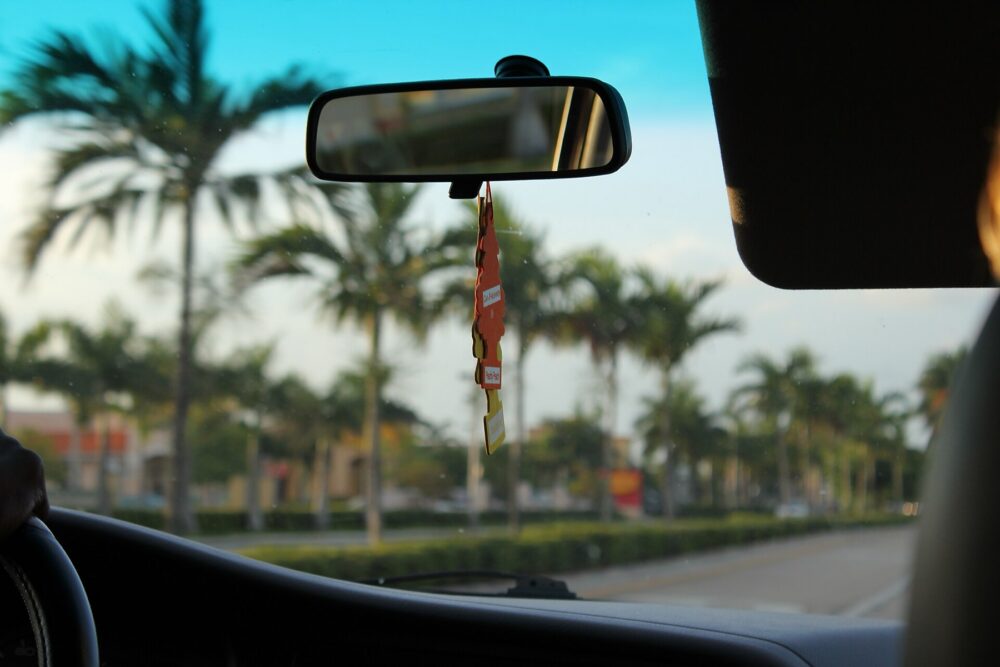
Wholesale Little Trees air fresheners are bulk packs of the iconic tree‑shaped car fresheners made by Car‑Freshner Corporation. In the U.S., genuine Little Trees usually come through domestic distributors that sell display‑ready assortments to convenience stores, car washes, and smoke shops. Cross‑border marketplaces like DHgate mostly offer similar tree‑style car air fresheners without the Little Trees brand, which can work if you want cheaper generics but not if you need the real trademarked product.
If your business relies on customers recognizing the Little Trees name and specific scents like Black Ice or Vanillaroma, you’re almost always better off using U.S. wholesale channels. If you just need a low‑cost hanging car freshener you can private‑label or bundle, DHgate and other China‑based marketplaces can be part of your sourcing mix, as long as you stay away from questionable “Little Trees” logo use and treat seller claims as unverified.
How the Wholesale Market for Little Trees Air Fresheners Works
Little Trees are paper car air fresheners in a stylized tree shape, produced by Car‑Freshner Corporation since the 1950s and sold worldwide.Source The brand is tightly controlled, which is why you don’t see legitimate “factory direct” Little Trees on random B2B marketplaces.
In practice, U.S. retailers get branded product from domestic wholesalers that specialize in automotive and convenience‑store goods:
- Legend Distributors lists many Little Trees scents (such as Black Ice, True North, and Green Apple) in wholesale packs, alongside sprays and vent clips.Source
- Kleen‑Rite promotes Little Trees to car wash operators, with bulk assortments suitable for hanging racks and impulse displays.
- Master Value Wholesale sells 3‑packs of Little Trees (for example, Bayside Breeze) in cases of 96 packs, which is a typical volume for a small shop stocking a spinner rack.Source
- Godwin Distro markets Little Trees displays specifically to convenience and smoke shops, with pre‑assorted flavors and branded cardboard stands.Source
These wholesalers usually offer:
- Hanging Little Trees in 1‑, 2‑, or 3‑packs
- Case quantities designed for a single rack or shelf
- Assortments of top scents (Black Ice, New Car, Vanillaroma, Royal Pine, etc.)
For a car wash selling fresheners at checkout, one or two mixed‑scent cases from a domestic wholesaler can fully stock a small display. For a smoke shop or gas station, Little Trees often sit near lighters and rolling papers as inexpensive add‑ons.
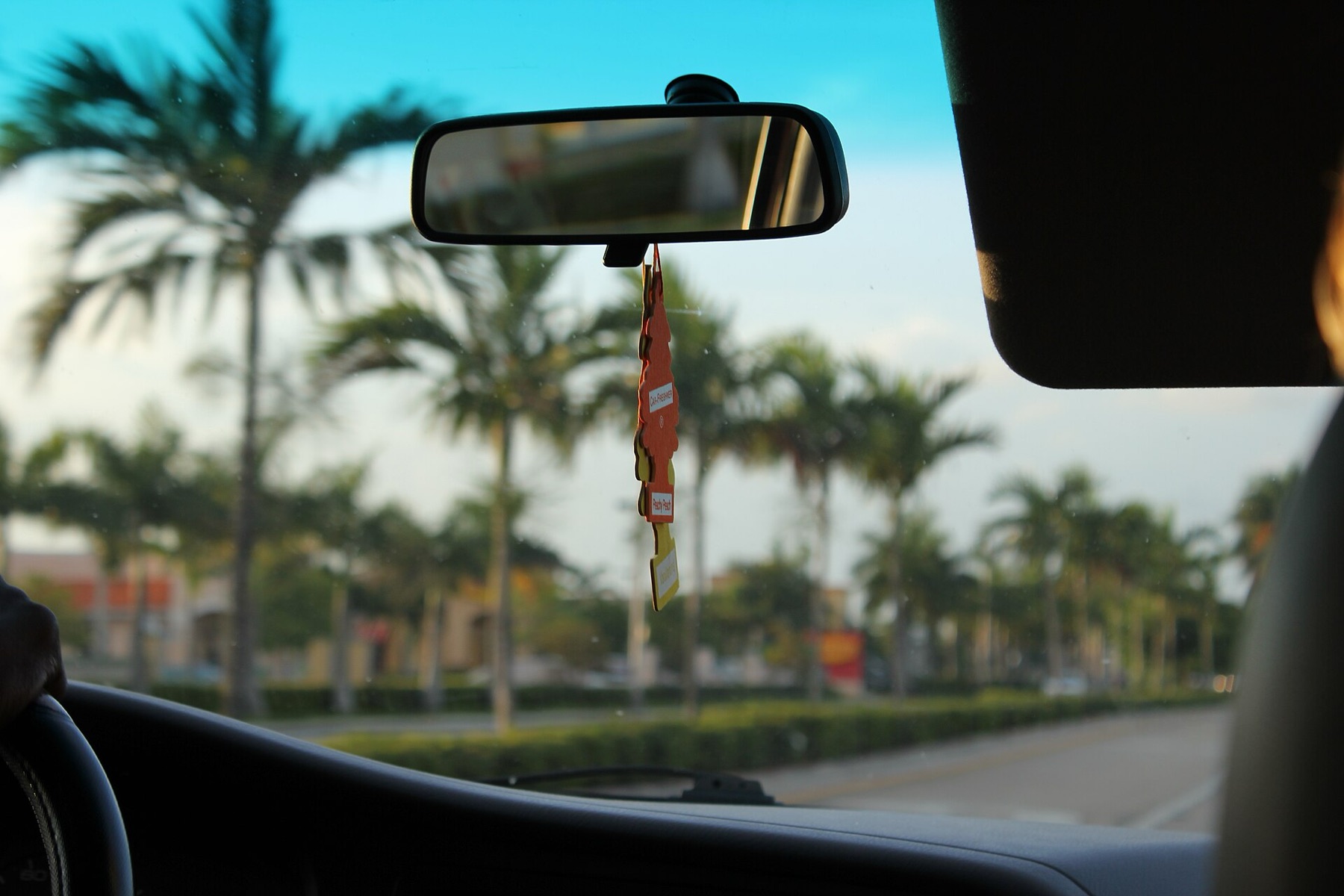
Because these wholesalers are working within the brand’s authorized distribution, you’re getting reliable packaging, scent quality, and trademark‑safe merchandise—something you can’t assume if you try to chase “cheap Little Trees” from overseas.
Typical wholesale formats and resale scenarios
Branded Little Trees are usually sold in case quantities that map neatly to common retail setups. The table below summarizes how small U.S. businesses often use these wholesale formats versus generic tree‑style air fresheners.
| Business type | Typical Little Trees wholesale format (examples) | How they’re displayed | Role in the business |
|---|---|---|---|
| Car wash | Mixed‑scent cases of hanging Little Trees from car‑wash wholesalers like Kleen‑Rite | Spinner rack or pegboard near the checkout counter | Add‑on after a wash; customers expect recognizable scents and branding |
| Gas station / convenience store | Assorted cases or branded displays promoted to convenience and smoke shops (e.g., Godwin Distro) | End‑cap, counter rack, or near lighters and accessories | Impulse purchases with strong brand recognition; low ticket but steady volume |
| Smoke shop | Pre‑assorted Little Trees displays plus standard hanging packs from convenience‑focused distributors | Branded cardboard stand or wall hooks near tobacco accessories | Complementary product that fits existing customer traffic and merchandising |
| Online‑only seller | May use authorized Little Trees from domestic wholesalers or switch to generic tree‑style fresheners sourced cross‑border | Product listing photos, bundles with other accessories | Margin‑driven; can prioritize price and customization over brand name |
| Mobile detailer / small auto‑service | A few cases of top‑selling Little Trees scents from domestic wholesalers for upsell | Handed directly to customer after service or kept at a small point‑of‑sale area | Simple upsell that reinforces a “professional” feel with a familiar brand |
Choosing Between U.S. Distributors and Cross‑Border Marketplaces
If you search cross‑border platforms for “Little Trees,” most results are generic tree‑shaped air fresheners rather than documented, authorized Car‑Freshner stock. Any listing that uses Little Trees branding without clear proof of authorization raises both authenticity and trademark questions.
That gives you a fork in the road:
- You want genuine Little Trees, branded and recognizable.
- You want low‑cost tree‑style air fresheners you can sell under your own brand or generically.
Here’s how those options compare in practical terms:
| Sourcing route | What you get | Typical buyer fit | Key risks/limits |
|---|---|---|---|
| U.S. Little Trees wholesalers (Legend, Kleen‑Rite, Master Value Wholesale) | Trademarked Little Trees product, known scents, display‑ready packs | Car washes, gas stations, smoke shops, small chains that rely on brand recognition | Higher per‑unit cost than generics; less flexibility on custom branding |
| Cross‑border marketplaces (e.g., DHgate) – generic tree fresheners | Tree‑shaped or similar hanging fresheners, often unbranded or private‑label friendly | Online sellers, boutiques, detailers that care more about margin than brand name | Variable quality; must verify materials, scent strength, and avoid infringing logos |
If you decide to explore cross‑border sourcing for generic trees, treat seller vetting as a product‑specific exercise:
- Read listing photos carefully: Are the trees clearly generic, or do they copy Little Trees logos and trade dress you don’t have rights to use?
- Ask for ingredient and material information in writing, especially if you’re selling in the U.S. and care about VOCs or customer sensitivities.
- Request samples before committing to large orders so you can check scent strength, bleed, and packaging.
If a seller claims to offer “authentic Little Trees” without being an obvious authorized distributor, walk away or treat it as a red flag. Brand owners often enforce their trademarks, and reselling potentially counterfeit product can expose you to both returns and legal issues.
For many small businesses, the simplest decision rule is:
- Brick‑and‑mortar with impulse racks? Stick with domestic Little Trees wholesalers so customers get exactly what they expect.
- Margin‑driven online shop or custom bundles? Use generics from cross‑border marketplaces, but keep them clearly unbranded or under your own label.
Using DHgate for Tree‑Style Car Air Fresheners
DHgate is a China‑based B2B marketplace that connects global buyers with hundreds of thousands of suppliers and tens of millions of products, including many categories of fragrance and automotive accessories, according to its editorial blog.Source It’s structured as a marketplace: you’ll find multiple sellers offering similar generic car fresheners, each with their own pricing and terms.
The DHgate blog describes two mechanics that matter for small U.S. buyers.Source
- Low or no minimum order quantity (MOQ). Some DHgate sellers may let you buy very small quantities—sometimes even a single pack—so you can test before you go “wholesale” in the traditional sense.
- Tiered pricing. Listings can get cheaper per unit as your order quantity increases, which can make sense if you’re ready to commit to a larger batch once you’ve tested samples.
If you’re considering generic tree‑style car air fresheners on DHgate, here’s a practical way to approach it:
1. Search generically, not by brand
Use terms like “car air freshener hanging,” “paper car freshener,” or “tree‑style car freshener” instead of “Little Trees” to avoid trademark‑infringing copies and focus on legitimate generic products.
2. Shortlist 3-5 sellers
Look for:
- Clear product photos of the actual fresheners and packaging
- Descriptions that mention scent types, materials, and pack size
- Any visible evidence of prior orders or buyer feedback
3. Use low MOQ for sample orders
Use DHgate’s small‑order flexibility to:
- Buy a few scents from each shortlisted seller
- Test them yourself and, if possible, with a few regular customers
4. Estimate landed cost before scaling
Even without exact prices, you can map your cost stack:
- Product cost: the tiered unit price at your planned order quantity
- Import charges: any duties or customs handling fees your carrier may bill
- Overhead: packaging, labeling, rack space, and any re‑bagging you do
For example, imagine a small online shop that wants to sell hanging car fresheners:
- It tests three DHgate suppliers with small sample orders.
- It chooses one supplier whose scent strength and packaging match its needs.
- At a modest bulk quantity, the per‑unit product cost plus estimated import charges and packaging still leaves room for a retail price of a few dollars per freshener.
In that scenario, generic DHgate‑sourced trees may make sense for an online shop or detailer bundle because the buyer doesn’t depend on the Little Trees name. If the landed cost approaches what you’d pay for authorized Little Trees from a domestic wholesaler, the branded route usually wins: you get a known product, less quality variability, and no trademark questions.
To go deeper on how to evaluate individual DHgate sellers, you can apply guidance from DHgateWiki’s sourcing articles like find wholesale suppliers on DHgate, find DHgate suppliers, and choose a DHgate wholesale supplier. Use those methods when reviewing tree‑style air freshener listings to decide whether a seller’s evidence is strong enough to justify a test order.