
How Wholesale Doll Shoes and Accessories Supply Works
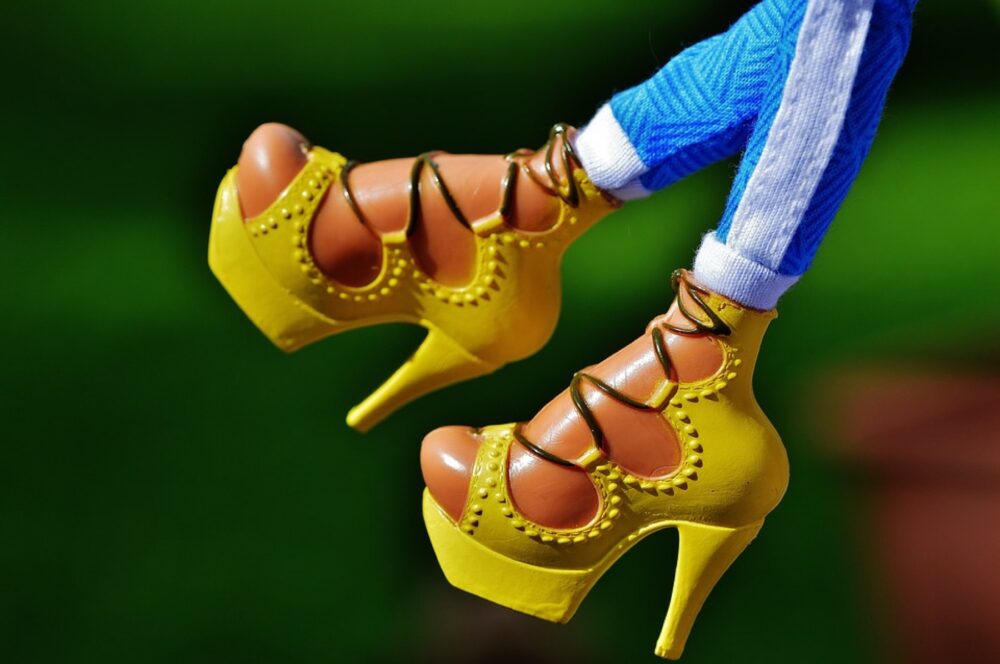
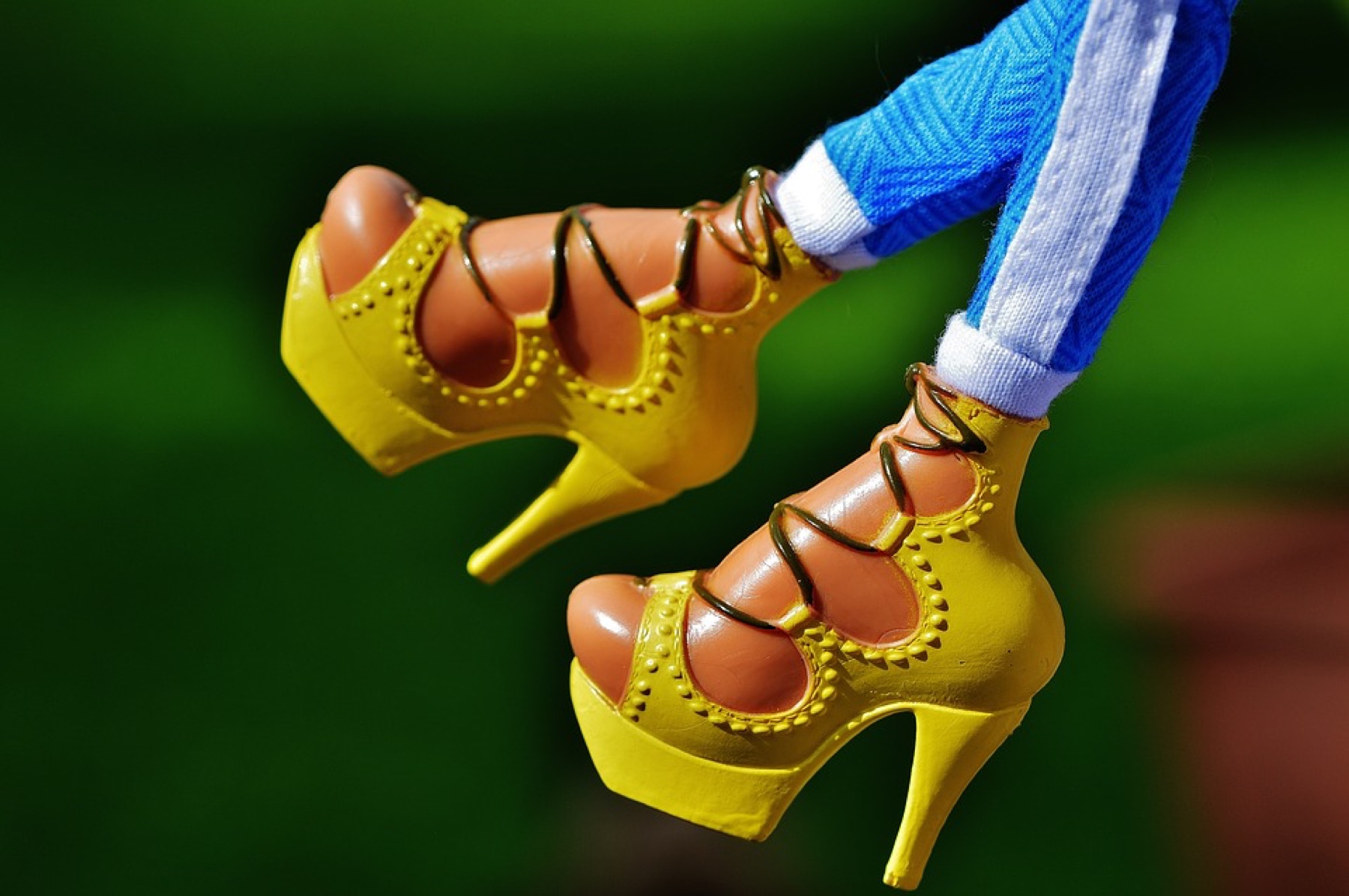
For 18″ dolls (think American Girl size), “doll shoes and accessories” covers miniature footwear and fashion items: boots, flats, sneakers, dress shoes, bags, hats, and more. Retail category pages like Doll Clothes Superstore’s doll shoes and accessories and Teamson’s doll shoes & accessories show common expectations: PU leather and fabric shoes styled as cowboy boots, Mary Janes, sneakers, sandals, plus matching purses, backpacks, and hair accessories. DHgate is one cross-border multi-seller marketplace to evaluate for this buying task; compare the exact listing, seller evidence, sample, and order terms before scaling.
Most of this product is mass-produced in Chinese factories as “small commodities” using synthetic materials (PU, PVC, polyester fabrics) and simple hardware (velcro, snaps, elastic). Factories typically cut patterns sized to one or two standard 18″ doll foot shapes, then sell via:
- Domestic Chinese wholesale hubs (like Yiwu markets).
- B2B marketplaces such as DHgate, Alibaba, Made-in-China, and Yiwugo.
- Brand-owned channels that design to match specific dolls.
Small US ecommerce businesses usually don’t buy directly from a factory at first. Instead, they source ready-made styles through marketplaces or US-based importers, then step up to semi-custom runs (exclusive colors, packaging) once they know which SKUs sell.
Evaluating Overseas Suppliers for Doll Footwear and Accessories
For 18″ doll shoes and accessories, most sourcing problems trace back to sizing, materials, or unreliable sellers. Here’s how to make those checks specific instead of generic.
Lock in sizing and fit
18″ dolls are not perfectly standardized. American Girl, Our Generation, and Target/Costco house brands all have slightly different foot widths and insteps.
When you contact a DHgate or Alibaba supplier:
- Ask for exact inner length and width of the shoe in millimeters, and how they measured it.
- Confirm closure type (velcro, buckle, elastic) and how much adjustability it offers.
- Send photos and foot measurements of the dolls you’re targeting and ask if they’ve supplied other buyers for that brand-size.
- Request fit photos on an 18″ doll if they have one, not just studio product shots.
For accessories like bags and hats, sizing is more forgiving, but scale still matters. Ask for dimensions and a quick photo of the item next to a standard 18″ doll.
Check materials and construction
Retail examples show PU leather and fabric are common for doll shoes, especially cowboy boots, sneakers, and dress shoes across 18″ ranges on sites like Teamson’s accessories collection. That’s a good benchmark:
- Ask what upper material is (PU leather, PVC, cotton, polyester) and what the sole is made of.
- Specify your tolerance for smell and stiffness; some low-end PU can be very stiff or have strong odors.
- Request close-up photos of stitching, glue lines, and linings.
Your sample inspection should include flexing the shoe repeatedly, checking for dye transfer onto the doll’s feet, and gently pulling at seams.
Use marketplace signals without trusting them blindly
DHgate is a China-based B2B marketplace that connects global buyers with Chinese manufacturers and wholesalers across categories including shoes and accessories, as described in its own editorial blog. That blog also highlights a few marketplace signals useful to buyers:
- Low or no platform-wide MOQ expectations: many DHgate listings are structured so you can buy small quantities, which suits testing doll SKUs.
- Tiered pricing: sellers often quote lower per-unit prices for larger quantity ranges.
- Badges and reviews: DHgate editorial notes badges such as “top merchant” for high-volume sellers, plus buyer ratings and reviews that help you see how active a merchant is.
Treat each signal as a starting point, not a guarantee. A workable workflow:
- Filter for sellers with significant sales history and reviews on the doll-shoe items you’re considering.
- Read reviews for specific mentions of size accuracy, quality, and communication, not just generic “good seller” comments.
- Shortlist 3-5 suppliers and send the same message to each with your specs, target dolls, and initial quantity. Compare how quickly and precisely they respond.
You can go deeper on DHgate tactics in guides like finding wholesale suppliers on DHgate, finding DHgate suppliers, and choosing a DHgate wholesale supplier.
Red flags specific to doll footwear
Some listing and communication patterns are especially risky for 18″ doll shoes:
- Vague sizing like “fits most 18″ dolls” with no millimeter measurements.
- Stock photos that look copied from retail sites, not factory images.
- Sellers unwilling to send physical samples or extra photos before a bulk order.
- Large discrepancies between product photos and sample (e.g., heel height, color, or closure changed).
Walk away early if you see these. A mis-sized shoe run is nearly unsellable and expensive to fix.
MOQs, Pricing, and DHgate vs Other Wholesale Channels
Your sourcing choice often comes down to three practical questions: how many units you must buy (MOQ), how pricing works as you scale, and how much control you have over customization.
How DHgate typically handles MOQs and pricing
DHgate’s own editorial blog positions the platform as a small-business-friendly B2B marketplace: buyers can often purchase small amounts of Chinese goods at wholesale-style prices. Blog pieces comparing wholesale sites say DHgate tends to have lower minimum order quantity expectations than platforms like Global Sources or some Alibaba suppliers.
Another DHgate blog article describes a tiered pricing system, where “the greater you buy, the more you save.” In practice, for doll shoes that often means:
- A relatively low starting MOQ (sometimes in the dozens rather than hundreds) to test a style.
- Several quantity brackets, each with lower per-unit pricing.
- Room to negotiate once you’ve placed repeat orders and built a relationship.
Because wholesalers on DHgate set their own prices, you’ll want to request quotes from multiple sellers and build a quick landed-cost model for each candidate.
How other channels compare
DHgate itself contrasts its role with other China-focused platforms in its clothing wholesale editorial:
- Made-in-China: framed as strong for customized products and large numbers of units. Better fit when you want custom-designed doll shoes or branded packaging and can commit to higher MOQs.
- Yiwugo: tied to Yiwu’s small commodity market, known for extremely low prices but MOQs that are often above 10 pieces per style and more traditional bulk-wholesale dynamics.
Add in two more practical routes from a US buyer’s standpoint:
- Alibaba and similar B2B platforms: often suited to factory-direct deals and custom runs, but many suppliers prefer higher MOQs (hundreds of pairs per style).
- Domestic wholesalers/importers: higher per-unit cost, but faster restocks, easier communication, and lower risk of sizing surprises because they’ve already calibrated for US dolls.
Scenario-based channel fit for 18″ doll shoes
Here’s a way to think through channels based on your specific situation:
| Buyer scenario | DHgate fit (editorial) | Other China platforms | Domestic wholesalers |
|---|---|---|---|
| Testing 5-10 new shoe styles with 20-50 pairs each | Often a good starting point because of lower typical MOQs and tiered pricing | Made-in-China/Yiwugo less suited unless you can meet higher MOQs | Good if you need fast delivery but expect thinner margins |
| Scaling 1-2 proven SKUs to 500+ pairs per reorder | Useful for incremental scale; you may negotiate better brackets with DHgate sellers | Strong candidates for moving to factory-direct on Alibaba or Made-in-China | Only works if their existing designs match your winners |
| Building a semi-custom brand (exclusive colors, packaging) | Possible, but you must find DHgate sellers willing and able to customize | Often better addressed via Made-in-China or direct factory contacts | Rare, unless you work with a domestic private-label importer |
These are editorial judgments, not promises. The right move is to test with small DHgate orders while in parallel talking to at least one higher-MOQ factory and one domestic wholesaler, then decide which mix fits your cash flow and brand.
Making Your First Wholesale Doll Shoe Order Work
To turn all this into a concrete plan, keep your first import cycle tight:
- Define your product set: choose 3-6 shoe styles (e.g., white cowboy boots, classic Mary Janes, canvas sneakers) and a small set of accessories that match.
- Shortlist suppliers on DHgate and one alternate channel: use badges, reviews, and clear product descriptions to build a shortlist.
- Order samples from 3-5 suppliers: insist on the exact styles you want; test fit on your target dolls, inspect materials, and photograph everything.
- Calculate landed cost per pair: combine quoted unit price, estimated freight, and duties; compare against domestic wholesale offers.
- Pick one or two suppliers for a trial bulk order: stay in the lowest pricing bracket that still lets you make a meaningful test (
for example, enough to stock your store for 1-2 months).
- Plan repeat-order conditions: set hard criteria for reordering—sell-through rate, defect rate, and whether sizing complaints pop up from customers.
If DHgate suppliers hit your quality and cost targets and communicate reliably, it can become a flexible sourcing backbone for 18″ doll shoes and accessories. If they don’t, you’ll have controlled the downside with small tests and can pivot to domestic or higher-MOQ factory channels without having sunk your season’s budget.