
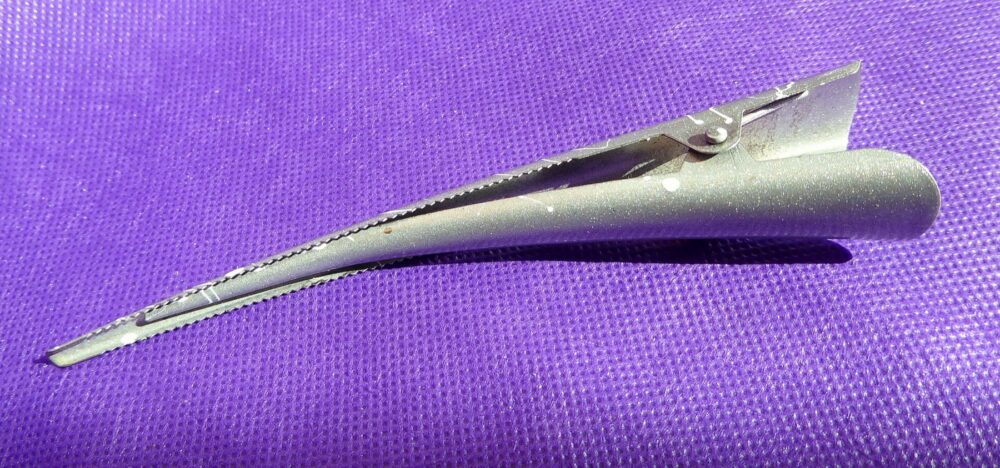
Wholesale hair accessories and clips are bulk hair adornments—clips, barrettes, claws, bows, headbands—bought below retail by salons, boutiques, and online sellers. Your decision is whether to source that inventory from US-based wholesalers, fashion marketplaces, or cross-border B2B sites like DHgate, and how to keep total landed cost and risk under control.
How Wholesale Hair Accessories and Clips Are Made, Distributed, and Priced
Most mass-market hair clips and accessories are factory-made in Asia (often in China) using molds and automated assembly for metal and plastic parts, plus hand-finishing for fabric bows or embellished claws. A single factory might produce thousands of units of the same claw clip shape, then sell that base item to different brands or wholesalers who add colors, packaging, or small design tweaks.
From there, inventory typically moves through three layers:
- Specialist wholesalers – Companies focused on accessories that buy in bulk from factories and break stock down into reseller-friendly packs. For example, Atelier Trim positions itself as a wholesale supplier of assorted hair accessories for boutiques.
- US ready-stock distributors – Firms like CB Flowers & Crafts and Fame Accessories carry hair clips and accessories in US warehouses so small businesses can buy in smaller batches without importing themselves.
- Digital marketplaces and cross-border platforms – Sites that aggregate many factories and trading companies so you can buy directly, often from China. DHgate is one such B2B marketplace, and FashionTIY is a fashion-focused marketplace that includes hair accessories.
Wholesale pricing is built around volume and assortment. You pay a discounted per-unit price because you accept minimum order quantities (MOQs) and limited customization: for example, a mixed set of claw clips in pre-chosen colors, a carded pack of barrettes, or a carton of headbands in assorted prints. The more standardized the item (plain metal alligator clips, basic plastic claws), the more aggressive the discount usually is. Trendy designs, branded packaging, or hand-made pieces carry higher unit cost but can support higher retail prices.
Choosing and Vetting Hair-Accessory Suppliers Across Marketplaces and Wholesalers
Supplier choice is where you protect your margin and avoid quality headaches. The goal is not just “find cheap clips,” but “find a repeatable source for the exact styles your customers will keep buying.”
Use channel-specific signals
On US-based wholesalers like CB Flowers & Crafts and Fame Accessories, the main signals are:
- Ready stock and stability – They present themselves as stocking hair clips and accessories for resale, which usually means consistent pack formats and re-orderability, suitable for boutique-scale purchasing.
- Category focus – Fame Accessories, for example, has a dedicated hair-accessories catalog alongside other fashion items, which can matter if you want matching jewelry or scarves.
On fashion marketplaces:
- FashionTIY explicitly markets bulk fashion accessories and hair clips to boutiques and online sellers, so you’ll see wide assortments and trend-driven designs in their hair-clip section (FashionTIY hair accessories).
On cross-border B2B sites like DHgate:
- Treat each seller like a separate company. You’re evaluating individual stores’ product photos, descriptions, and track record—not the marketplace as a single supplier.
Practical vetting steps that actually fit hair accessories
Make your checks specific to the product:
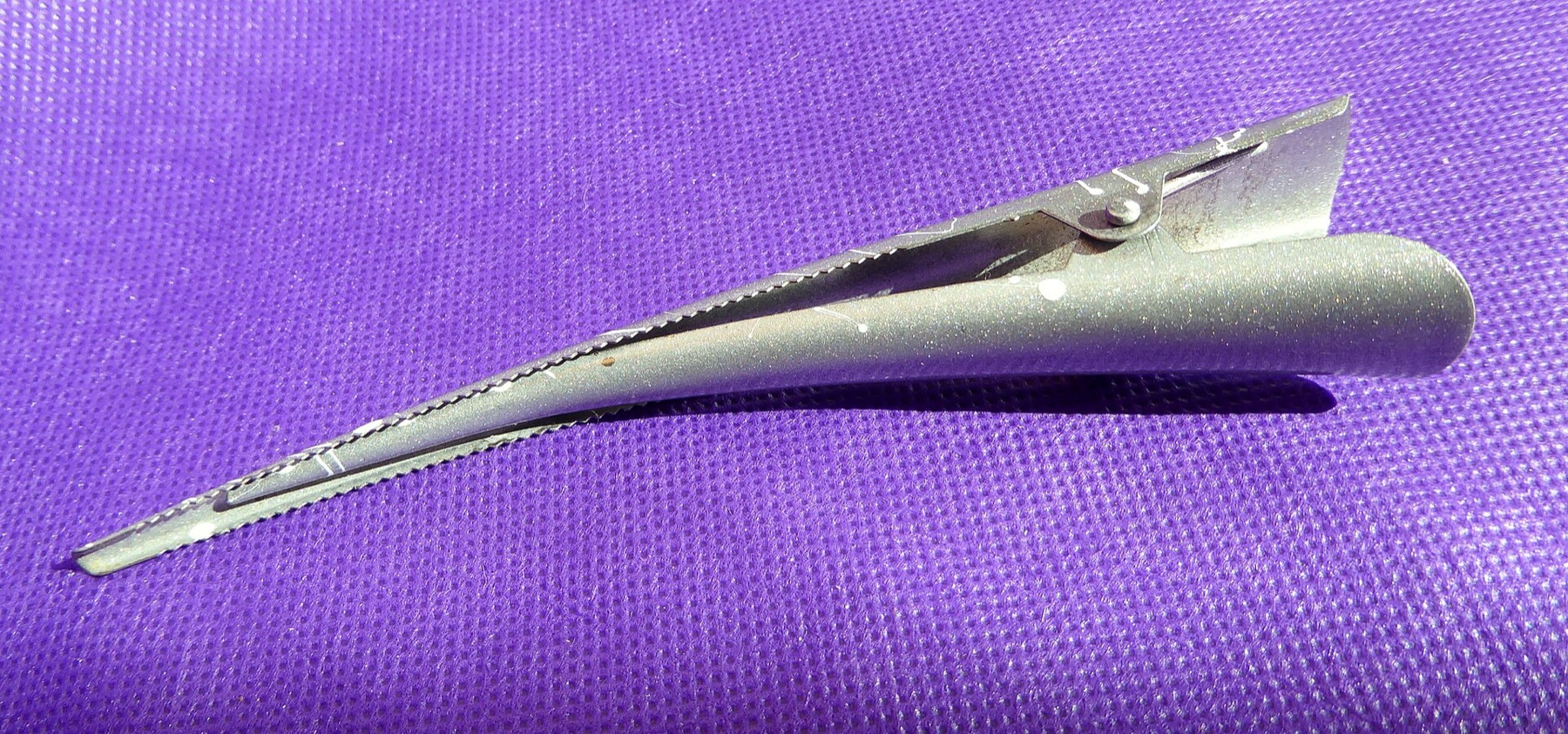
- Zoom in on photos for finish quality – Look for sharp edges on metal clips, uneven paint on claws, or loose threads on bows. These often show up clearly in close-up shots.
- Ask for real-world details – Send a short message such as:
“I run a small US boutique. I’m interested in your medium claw clips. Can you confirm material (ABS vs. acrylic), approximate weight, and how many colors per carton? Do you have repeat customers in the US for this item?”
- Request a small test order or sample – With US wholesalers, that may simply mean buying a few packs. With cross-border sellers, ask explicitly if they can mix colors/styles within a lower-quantity order so you can test assortment.
- Check consistency within a line – If you plan to sell matching sets (e.g., clips + headbands), confirm that colors and finishes actually match across SKUs.
Red flags that matter specifically for hair accessories:
- Product titles promise “assorted” or “mixed colors,” but photos only show one color and the seller won’t clarify.
- Listings show very different clip mechanisms in the same product gallery, suggesting they’re mixing factory leftovers.
- Sellers refuse to state material or plating (you need this for both quality and for honest product descriptions).
Structuring Purchases, Comparing Channels, and Where DHgate Fits
Once you’ve shortlisted suppliers, your profit lives in how you structure the order. Think in bundles, not single SKUs: most customers buy hair accessories in twos and threes or as add-ons to other fashion items.
Build a simple landed-cost model
For each channel, calculate:
- Unit product cost – Your per-piece or per-pack price.
- Shipping and import cost – For US wholesalers, this is domestic shipping. For cross-border purchases, include international freight plus any duties or customs fees your carrier charges.
- MOQ impact – How many units you must commit to get that price.
Then estimate your retail price and margin. For example, a boutique might aim to buy an assorted pack of clips, break it down, and sell singles or small sets with a 2-3x markup, depending on finish quality.
Here’s a rough comparison table using editorial judgment and the specific supplier types visible in the research:
| Channel type | Typical strengths for hair clips | Typical limits for small US buyers |
|---|---|---|
| US ready-stock wholesalers (CB Flowers & Crafts, Fame Accessories) | Fast restocks, familiar packaging, small-batch friendly | Higher unit cost than factory-direct; limited customization |
| Fashion marketplaces (FashionTIY) | Trend-heavy assortments, bundled accessories, boutique focus | Cross-border logistics; you manage import and quality checks |
| Cross-border B2B marketplaces (e.g., Cross-border multi-seller) | Broad supplier base, access to factories and trading companies | More variance in quality; vetting is seller-by-seller, and you handle shipping/duties |
This table isn’t saying which is “best.” It’s meant to highlight that US wholesalers trade higher unit costs for simplicity, while cross-border platforms trade lower factory access for more buyer homework.
Where DHgate realistically fits
Editorially, DHgate is described in its own blog as an international B2B marketplace connecting China-based manufacturers and suppliers with global buyers, with product categories spanning clothing, fashion accessories, health and beauty, and hair & styling. That scope means you can often find hair accessories and clips from multiple sellers on the same platform.
Because we don’t have live listing data here, you should treat DHgate as a search-and-vet channel:
- Search with specific terms – Combine words like “hair claw clip,” “barrette,” “alligator clip,” “kids hair bow” with material keywords (e.g., “acrylic,” “metal”) to narrow results.
- Prioritize focused stores – Favor sellers whose catalogs are mostly hair accessories or fashion accessories, not a random mix of unrelated products.
- Compare MOQs and assortments manually – Some sellers may offer mixed-color lots; others might require single-color cartons. Ask which formats they can repeat reliably.
- Pilot with one tightly-defined order – Choose a single style family (e.g., neutral-toned claw clips) and test how that seller handles quality and packaging before expanding.
If you find that DHgate sellers can’t or won’t meet your needs on materials clarity, consistent assortment, or reasonable MOQs, you still have viable alternatives:
- Shift core, always-on inventory (basic claws, black barrettes) to US ready-stock wholesalers such as CB Flowers & Crafts or Fame Accessories.
- Use fashion marketplaces like FashionTIY for limited, trend-driven drops where a slightly higher landed cost is acceptable but you benefit from curated fashion assortments.
Before choosing a DHgate supplier, use Find wholesale suppliers on DHgate, Find DHgate suppliers, and Choose a DHgate wholesale supplier.
For many small US sellers, the sustainable strategy is hybrid: anchor your business on one or two reliable domestic or near-domestic wholesalers, then use DHgate or other cross-border marketplaces selectively for price-sensitive or highly trend-driven items once you’ve proven a specific supplier.