
Bulk fortune cookies are usually made by dedicated fortune cookie factories and sold either through domestic wholesalers or OEM-style marketplaces, not by generic snack suppliers. If you’re in the US and need hundreds or thousands of cookies for events or resale, your safest path is often a nearby manufacturer or wholesaler; cross-border marketplaces like DHgate and Alibaba can make sense once you’re comfortable managing longer transit, customs, and food documentation. The smartest move is to verify suppliers carefully and start with a small wholesale order you can test before scaling.
How Bulk Fortune Cookie Supply Works for US Buyers
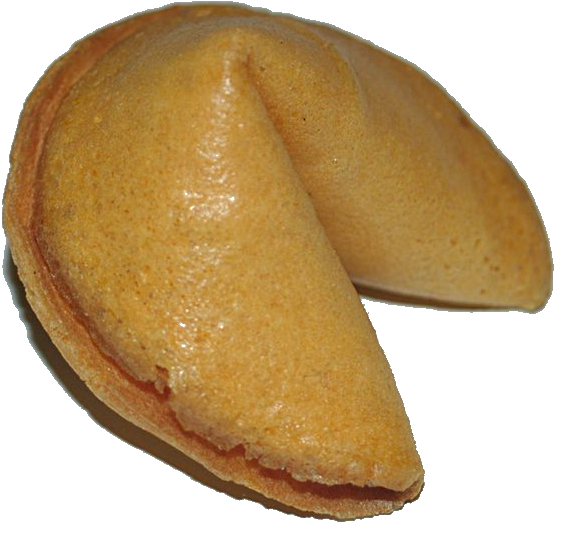
Fortune cookies are a niche product category with their own supply chain. Many bulk cookies in the US come from specialized manufacturers such as Wonton Food, which lists multiple fortune cookie products for business buyers on its site, including standard vanilla cookies and variants packaged for foodservice and retail [Wonton Food]. These factories typically bake, insert printed fortunes, and individually wrap cookies on automated lines.
From there, product flows in a few ways:
- Direct from manufacturer to business – restaurants, distributors, and event planners buy pallets or large cases straight from a factory.
- Via case/pallet wholesalers – retail-oriented wholesalers like BoxNCase and Fancy Fortune Cookies sell case-pack or pallet quantities aimed at events, fundraising, and resale.
- Through OEM marketplaces – platforms such as Alibaba’s fortune cookie supplier listings show suppliers offering bulk and customizable cookies for international buyers.
Domestic factories in the US and Canada, plus nearby wholesalers, tend to focus on standard flavors, consistent fortunes, and predictable case sizes. OEM suppliers through cross-border marketplaces are more likely to support deep customization (special messages, different shapes, colors, and private-label packaging), but with longer lead times and more complex logistics for US buyers.
Choosing and Verifying Fortune Cookie Suppliers
Because you’re buying a food product with a short freshness window, supplier verification matters more than it would for non-perishable goods.
Key checks to make before you commit:
1. Product type, flavor, and wrapping
Look closely at the product spec sheet or listing:
- Is the cookie vanilla, citrus, chocolate, or another flavor?
- Are cookies individually wrapped, and in what material (clear film vs branded wrap)?
- Are fortunes pre-printed with generic messages, or can you customize them?
Suppliers like Fancy Fortune Cookies explicitly market bulk orders for events and branding and often allow custom sayings inside the cookies. OEM suppliers on Alibaba also advertise customizable fortunes and branding in many listings. If you need brand-safe corporate slogans or event-specific messages, prioritize suppliers that clearly offer custom slips and can show samples.
2. Freshness and handling expectations
Ask the supplier directly:
- When are cookies baked relative to shipment?
- How are they packed in cartons or cases to minimize breakage?
- What’s the recommended consumption window under normal storage?
You’re not looking for a guarantee here, but for a coherent explanation that matches the product type (individually wrapped, dry cookie) and your planned storage. For cross-border orders, factor in transit time and inspect a sample box at arrival before reordering.
3. Food safety and labeling documentation
For US resale or corporate events, you’ll usually want:
- Ingredient lists and allergen statements (e.g., wheat, soy).
- Basic facility or process descriptions; some manufacturers may share certifications.
- Label artwork for any branded packaging you plan to use.
Domestic suppliers and established manufacturers like Wonton Food tend to have standardized documentation ready. Cross-border OEM suppliers may provide this on request; build that into your vetting process.
4. Customization process and proofing
Custom fortunes and branding are where errors creep in. Before paying for a fully custom run, insist on:
- A digital proof of your fortune messages and any logo/branding.
- Clear limits on number of different sayings per batch.
- A small sample batch or at least photos of real production runs.
Wholesalers that specialize in branded events (again, Fancy Fortune Cookies is an example) often describe custom-message workflows publicly, which can give you a benchmark for the questions you should ask less-detailed suppliers.
5. Reputation and communication
Whether you’re dealing with a domestic wholesaler or a marketplace seller, reviews and communication patterns tell you a lot:
- On OEM marketplaces, read ratings and buyer comments across multiple listings from the same supplier.
- With case-pack wholesalers, look for third-party or marketplace feedback if they sell through channels like Amazon or Walmart.
If responses to basic questions about ingredients, timing, or customization are slow or vague, treat that as a red flag for a food product that needs tight execution.
Quick pre-order checklist
Before sending a PO or paying online, you should be able to answer:
- What exact cookie type and wrapping you’re buying.
- How many cookies per case and how many cases you need.
- Whether fortunes and branding are standard or custom, with proofs.
- What documentation the supplier will provide with the shipment.
- What your backup plan is if the first batch isn’t acceptable.
MOQs, Pricing and Channel Choices: DHgate vs Other Options
Bulk fortune cookie pricing depends on where you sit in the supply chain and how customized your order is. You’ll see different minimum order quantities (MOQs) and price logic across channels.
Here’s a simplified view based on current examples:
| Channel type | Typical buyer use | MOQ style (editorial) | Customization possibilities |
|---|---|---|---|
| Specialized manufacturer (e.g., Wonton Food) | Restaurants, distributors, large corporate events | Often full cases or pallets; volume contracts for ongoing supply | Usually standard fortunes; some may offer custom at scale |
| Case/pallet wholesaler (e.g., BoxNCase) | Events, resellers needing ready-to-ship product | Case or pallet MOQs published per item | Mostly standard cookies; may bundle with themed packaging |
| Custom-focused wholesaler (e.g., Fancy Fortune Cookies) | Promotions, weddings, branded events | Bulk order minimums for custom runs | Custom fortunes, colors, and sometimes logo wraps |
| OEM marketplace suppliers (Alibaba, DHgate) | Brand owners, importers seeking factory-direct pricing | Negotiated MOQ per supplier, often higher for deep customization | Wide scope for custom messages, colors, and private label packaging |
On OEM marketplaces like Alibaba, fortune cookie suppliers commonly position themselves as OEM factories, inviting buyers to discuss MOQs and pricing tiers directly. DHgate, also a B2B marketplace connecting buyers to manufacturers and suppliers, promotes similar bulk-buying mechanics in its editorial content: compare multiple products, check seller ratings, and contact sellers to verify bulk pricing [DHgate bulk buying guide].
From a US buyer’s perspective:
- Events and one-off campaigns – If you need a few thousand cookies for a specific date, domestic wholesalers such as BoxNCase or a US custom specialist like Fancy Fortune Cookies are often simpler. You get shorter transit, clearer labeling, and less customs friction.
Because food imports can raise freshness and regulatory issues, treat cross-border sourcing as a second step: validate your concept and quality requirements with a closer supplier first, then use marketplaces for cost optimization once you understand exactly what you need to ask for.
For broader guidance on finding and screening marketplace suppliers, you may find it useful to read how to find wholesale suppliers on DHgate, how to search for DHgate suppliers, and how to choose a DHgate wholesale supplier. These processes map closely to how you’d vet fortune cookie sellers even if your first bulk order stays within North America.