
How Custom and Bulk USB Drives Are Produced and Sold
Custom/bulk USB drives are standard flash drives turned into branded promotional items or bundled content products. Vendors like EveryUSB and USBMemoryDirect describe them as versatile promo tools for trade shows, sales kits, education, and corporate giveaways. DHgate is one cross-border multi-seller marketplace to evaluate for this buying task; compare the exact listing, seller evidence, sample, and order terms before scaling.
Common customization options include:
- Capacity: Typically ranges from small enough for simple handouts up to large enough for video or software packages.
- USB version and speed: Many suppliers offer USB 2.0 and 3.0 options; slower drives can frustrate users and reflect poorly on your brand.
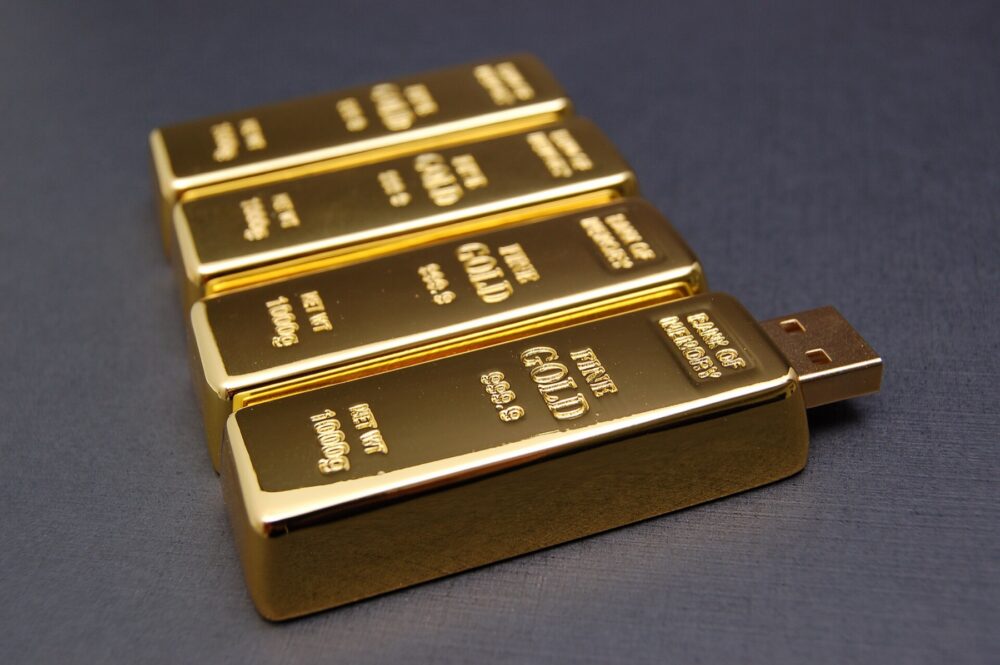
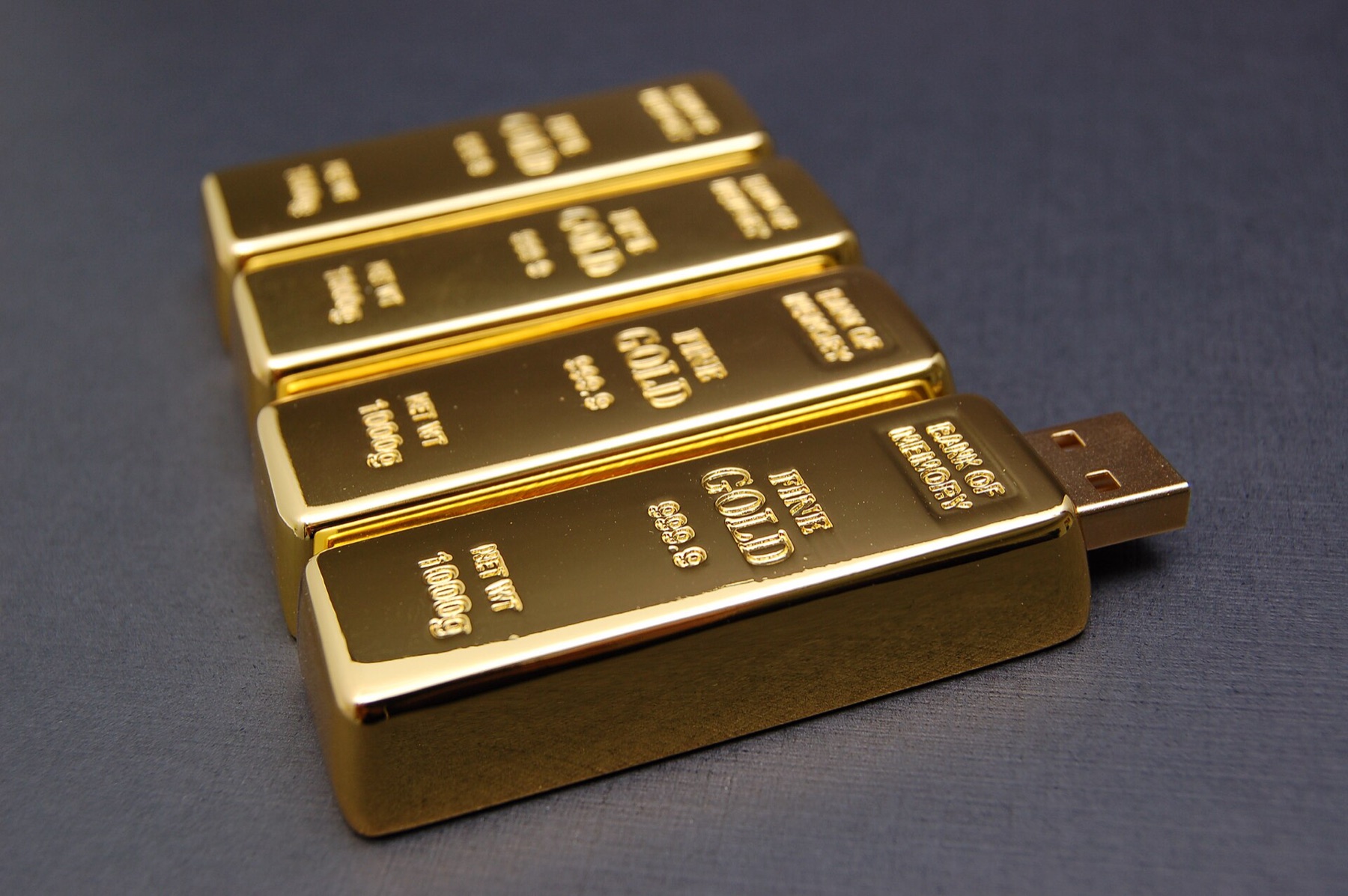
- Body style and material: The promo market covers classic sticks, swivel drives, cards, wood, metal, and novelty shapes like gold bars or characters.
- Branding: Logo printing, laser engraving, or full‑color wraps, often with color‑matching to your brand palette.
- Content preload: Specialist vendors such as CFgear and CustomBulkUSB advertise preloading PDFs, catalogs, videos, or installers and sometimes configuring how content appears when the drive is used.
Most of the actual flash memory and casings are manufactured in Asia. Finished drives are then sold either:
- Through US promo specialists who import, brand, and handle customer service; or
- Through marketplaces like DHgate, Alibaba, and AliExpress where you work more directly with Chinese suppliers.
That structure matters because it defines who is responsible when something goes wrong: with specialists you’re buying a finished marketing product; with marketplaces you’re managing a cross‑border component purchase.
Selecting and Managing Suppliers for Custom USB Orders
USB drives look simple, but quality problems show up months later as corrupted files, dead ports, or mis‑reported capacity. You can’t see that in a product photo, so supplier selection and testing matter.
For marketplace sellers (DHgate, Alibaba, AliExpress), your main signals are:
- Direct chat and messaging: DHgate highlights a buyer–seller chat feature. Use marketplace messaging to discuss capacity, chip type, printing method, and whether they’ll provide a test sample before full production.
- Clear spec sheet: Ask for written confirmation of capacity, USB version, casing material, logo placement, color codes, and packaging before you pay.
For US promo specialists (e.g. EveryUSB, CustomBulkUSB, USBMemoryDirect) you’re looking at a slightly different set of questions:
- Design and proofing support: Many offer artwork help and digital proofs, which reduces the risk of wrong colors or logo distortion.
- Preload and kitting services: Some will preload content, bundle drives with printed materials, and ship to multiple locations as part of the service.
- Lead times and re‑orders: Ask how long a typical run takes and whether they keep your artwork and spec on file for quick re‑orders.
Cross‑border risk checklist
When you’re considering a China‑based supplier through a marketplace, keep a short USB‑specific checklist:
- Sample first: Insist on a physical sample with your logo before approving mass production. Test it on multiple computers over a few days.
- Data reliability: Copy large files, eject properly, and re‑plug several times. Watch for errors or unusually slow copy speeds.
- Capacity honesty: Use your operating system’s storage info (or reputable tools) to verify real capacity vs. what’s printed on the case.
- Packaging and labeling: Confirm that any compliance marks or capacities printed on the case are accurate and consistent.
If you decide to focus on marketplace sourcing, you can also draw on broader DHgate‑specific vetting and communication practices covered in Find DHgate suppliers and Choose a DHgate wholesale supplier.
Comparing Wholesale Channels: DHgate, Alibaba, and Dedicated USB Vendors
For custom USB sourcing, you’re usually choosing among three channel types:
- China‑based B2B marketplaces such as DHgate and Alibaba
- Consumer‑leaning marketplaces like AliExpress
- Dedicated US promo USB vendors
Each has a different profile for minimums, customization workflow, and how much risk and hands‑on management you take on.
Marketplace options: DHgate, Alibaba, AliExpress
DHgate describes itself in its editorial blog as an international B2B marketplace connecting China manufacturers and suppliers with buyers worldwide across many product categories. The same editorial notes that bulk orders are often sold at lower per‑unit prices and that the platform is known for not having a single platform‑wide minimum order requirement. Another Dhgate blog article describes tiered pricing: buying more units typically reduces the listed unit price, though actual MOQs and prices are set by individual sellers and vary by product.
Alibaba and AliExpress are also global marketplaces carrying broad ranges including electronics and are widely used by small businesses for wholesale and dropshipping. As with DHgate, you work listing by listing and seller by seller, rather than through a single centralized supplier.
Marketplace sourcing tends to suit you if:
- You’re willing to invest time in vetting individual sellers using feedback, messaging, and samples.
- You care more about cost per unit than about step‑by‑step hand‑holding through the branding process.
How US promo USB specialists differ
Sites such as EveryUSB, CustomBulkUSB, CFgear, and USBMemoryDirect position themselves as branding and logistics partners rather than general marketplaces. They typically:
- Offer curated drive styles with consistent supply
- Provide logo setup, proofs, and often design advice
- Handle preload and packaging and ship domestically
You’ll often pay more per unit than a marketplace quote, but you’re buying service and reduced hassle in exchange.
Channel comparison table
The table below summarizes the main trade‑offs for this USB‑specific buying task:
| Channel type | Typical strengths for USB promos | Buyer responsibilities and trade‑offs |
|---|---|---|
| Cross-border multi-seller and similar China‑based B2B marketplaces | Broad style choice, potential lower unit cost on larger orders, access to many Chinese suppliers | Vet each seller using feedback and chat, confirm specs in writing, arrange samples and quality checks, manage cross‑border shipping and duties separately |
| Alibaba / AliExpress | Massive variety including electronics, ability to place small to medium orders with many different sellers | Quality and spec consistency vary; you must compare listings carefully, test drives yourself, and coordinate your own logistics and timelines |
| US promo USB specialists | Streamlined branding workflow, preload and kitting services, domestic customer support | Higher per‑unit cost, fewer ultra‑low‑price options; you rely on their curated models and processes rather than direct factory negotiation |
Mini landed‑cost example
Imagine you’re buying 500 custom 16 GB drives with your logo for a US conference.
- A cross‑border marketplace quote might look cheaper on paper, especially if a seller offers tiered pricing for larger quantities.
- A US vendor’s quote is usually higher per unit, but your shipping is simpler, communication is easier, and re‑orders are more predictable.
Because current prices and minimums change and weren’t verified in this guide, you should:
- Get written quotes from at least one marketplace seller and one US specialist for the same spec.
- Add conservative estimates for international freight and any duties to the marketplace quote; don’t assume these are negligible.
- Assign a rough dollar value to potential failure (lost sales, replacement cost, or brand issues if drives fail or arrive late).
- If the adjusted cross‑border cost is still meaningfully lower and you can live with the added management and risk, a marketplace such as DHgate may make sense. If the gap shrinks or disappears once you factor everything in, staying with a US specialist can be the safer call.
If you decide a marketplace route fits your risk tolerance, it can help to first learn the general steps for evaluating suppliers and ordering on DHgate via resources like find wholesale suppliers on DHgate, then apply those habits specifically to USB listings.
In short: custom and bulk USB drives are a solid promotional tool, but only if you control the technical spec and pick a channel whose real, landed price justifies the extra work and risk. Use marketplaces like DHgate for aggressive cost‑saving only after you’ve sampled and stress‑tested drives; use US specialists when reliability, preload services, and support matter more than shaving off the last few cents per unit.