
DHgate in particular is a large B2B marketplace with tens of millions of listings and over a million suppliers according to its own editorial blog, focused on wholesale consumer products and including sock manufacturers. That makes it a realistic channel if your strategy is value‑priced performance socks rather than official Nike stock. The rest of this guide walks through how the Nike socks market is structured, how to pick suppliers, and a practical DHgate workflow you can adapt for your own business.
How the Nike Socks Wholesale Market Actually Works
Wholesale Nike socks tend to surface through three main routes in the US:
1. Overstock and closeout wholesalers.
US wholesalers such as CAP TO TOE advertise Nike sock overstock and other branded sock inventory, offering wholesale lots rather than single packs. Their Nike page shows branded Nike socks positioned as overstock deals, and their broader socks category mixes Nike with other athletic brands and styles.Nike socks overstock at CAP TO TOE illustrates what this looks like in practice: mixed sizes, model assortments, and pricing aimed at resellers instead of retail consumers.
This type of stock is appealing if you resell on Amazon, eBay, Poshmark, or in a physical shop and you want recognizable branding without negotiating directly with Nike’s distribution network. The trade‑off is limited control: assortments are dictated by whatever excess stock the wholesaler acquires.
2. Liquidation and surplus pallets.
Liquidation platforms sell Nike socks as part of larger surplus pallets. For example, LiquidationPalletCenter’s wholesale Nike socks pallet listing advertises mixed Nike sock inventory sold by the pallet. This route is common for Amazon overstock, retail returns, or excess store inventory.
Here you’re buying volume at a steep discount, but you have to be comfortable with variability: pallet manifests may be incomplete, packaging may be scuffed, and authenticity or condition is not guaranteed the way it would be in a tightly controlled authorized distributor channel.
3. B2B wholesale platforms and cross‑border marketplaces.
US‑based B2B platforms like TopTenWholesale host bulk Nike sock offers from individual companies. One example is Orevia Global LLC’s bulk lot of Nike performance crew socks, sold in 6‑pack wholesale lots. These listings typically come with clear pack counts and case quantities, making them easier to drop into an existing catalog.
On the cross‑border side, Alibaba’s apparel section has a Nike socks category with multiple Chinese suppliers listing both Nike‑branded and Nike‑style socks. The presence of many suppliers and very different pricing levels is a signal to proceed cautiously: nothing about those listings alone proves Nike authorization or authenticity, and IP risk is squarely on the buyer.
If you swap out the swoosh logo and simply want performance or streetwear socks with similar features, these cross‑border platforms are much more straightforward and lower risk. For clearly branded Nike product in bulk, you’re usually better off with overstock wholesalers or vetted B2B sellers that can document their source.
Selecting and Buying from Nike Sock Suppliers
Once you know which channel fits your business model, you still have to pick specific suppliers and structure your orders in a way that protects margin.
Scenario‑based sourcing decisions
Think through how you actually sell:
- Amazon or eBay reseller. Overstock wholesalers like CAP TO TOE or bulk lots on platforms such as TopTenWholesale and WholesaleUp (which also lists multi‑pack Nike socks) tend to fit best. You’ll want consistent SKUs, barcodes, and enough repetition in styles to justify listing optimization.
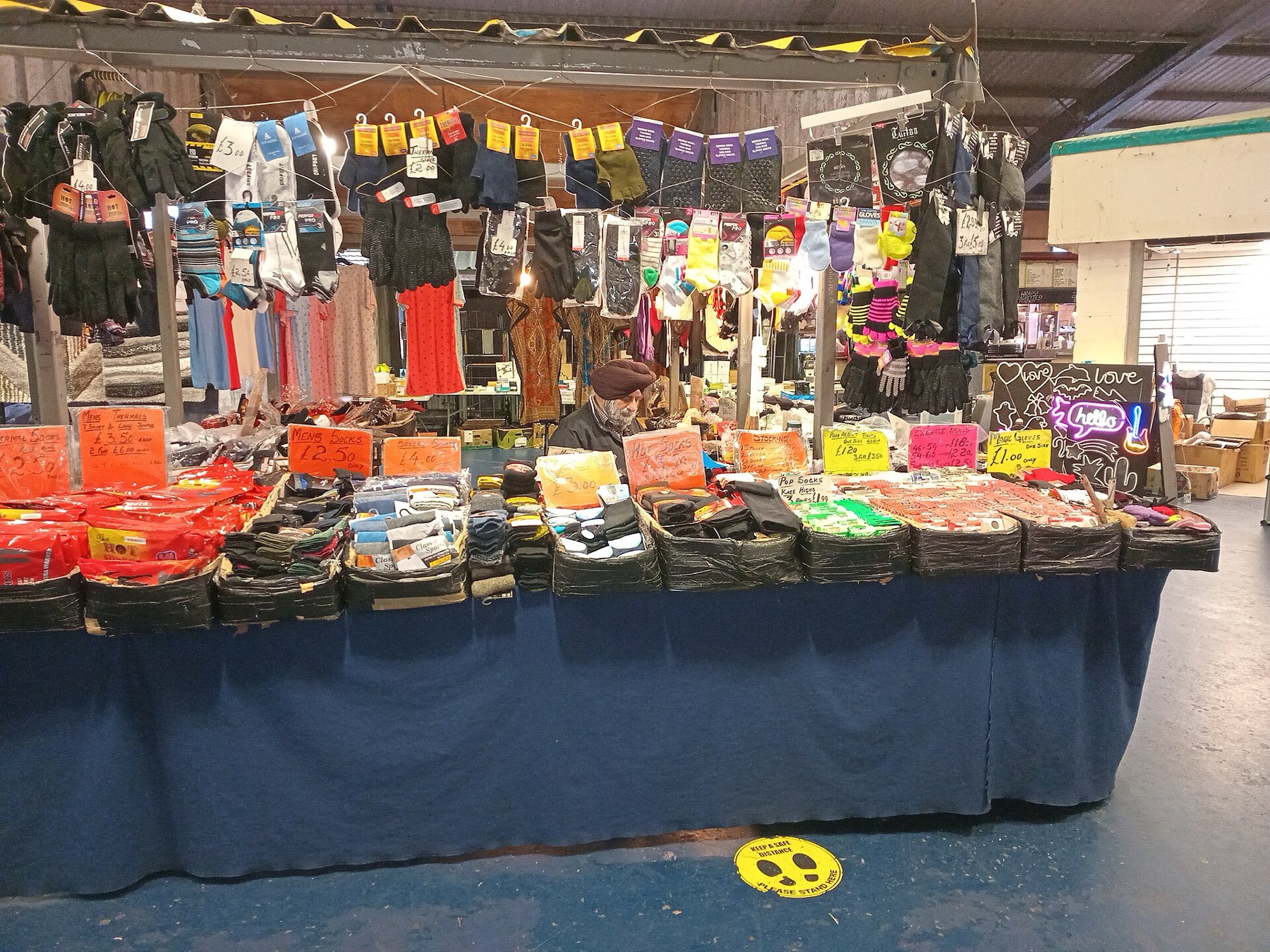
- Local flea market / swap meet stall. Liquidation pallets from sites like LiquidationPalletCenter can make sense: you get a mix of sizes and styles that appeal to bargain hunters, and you’re less constrained by exact style continuity.
- Shopify/DTC brand. If your brand is built on your own identity, you’re usually better off with unbranded or private‑label performance socks from manufacturers, using platforms like DHgate or generic sock suppliers rather than Nike branding that you don’t control.
How to evaluate specific suppliers (beyond generic checks)
For Nike or other branded socks, focus on:
- Source transparency. Does the supplier clearly state that the stock is overstock, closeout, or liquidation? CAP TO TOE explicitly frames its Nike offers as overstock wholesale, which at least explains why the product is available below regular retail.
- Lot structure. On TopTenWholesale, that Orevia Global Nike performance crew offer defines a 6‑pack as the basic unit in a bulk lot. Details like “6‑pack lot” versus “assorted case” matter for how you price per unit and bundle in your store.
- Condition expectations. Liquidation pallets rarely promise uniform “brand‑new retail ready” condition. Treat any pallet deal, such as the Nike socks pallets on LiquidationPalletCenter, as a mix ranging from shelf‑pulls to returns unless the seller proves otherwise.
MOQ, samples, and landed cost
Even without exact numbers, you can assume typical patterns:
- Minimum order quantities (MOQs). Overstock wholesalers often work by case or mixed lot rather than individual packs; liquidation sellers by pallet; cross‑border factories by hundreds of pairs. For small tests, prioritize suppliers that allow smaller mixed cases or partial pallets.
- Samples. For branded Nike socks bought in the US, a “sample” is usually just a small trial lot rather than a lab sample. For generic performance socks sourced cross‑border, ask for a pre‑production or stock sample to check fabric weight, stretch, and wash behavior.
- Total landed cost. When comparing an overstock lot from CAP TO TOE against a cross‑border generic sock order, include freight, customs (if any), packaging, prep fees (if sending to Amazon FBA), and your expected sell‑through. A cheaper pair price from overseas can easily be wiped out by duties and longer lead times.
A simple way to model this is to build a spreadsheet with per‑pair cost, shipping per pair, estimated defect/unsellable rate (higher for liquidation), and target resale price. If liquidation pencils out only because you assume 0% defect rate, you’re underestimating risk.
Using DHgate and Other Marketplaces for Sock Sourcing
Where DHgate fits against other channels
Here’s a compact comparison of the main routes for stocking socks, including Nike and Nike‑style product:
| Channel type | Typical use case | Control over styles/SKUs | Authentic Nike fit |
|---|---|---|---|
| US overstock wholesalers (e.g., CAP TO TOE) | Amazon/eBay resellers needing branded socks | Low–medium (depends on lots) | Better, if wholesaler source is solid overstock |
| Liquidation pallets (e.g., LiquidationPalletCenter) | High‑volume bargain reselling, flea markets | Low (manifest may be partial) | Mixed; authenticity and condition vary |
| US B2B platforms (e.g., TopTenWholesale) | Bulk Nike lots with clearer pack/case structure | Medium | Depends on each seller’s supply chain |
| Cross‑border marketplaces (DHgate, Alibaba) | Private‑label or generic athletic socks sourcing | High, if working with factories | Risky for Nike‑branded offers; safer for unbranded styles |
If your revenue plan depends on the Nike logo itself, you generally want to stay anchored in the first three channels and be highly skeptical of any cross‑border listing that uses Nike branding without clear authorization. If your plan is “good quality performance socks at aggressive pricing,” DHgate and peers are sensible tools.
A practical DHgate sock‑sourcing workflow
Because we don’t have live listing data in this article, treat these as process steps rather than promises about what you’ll find today:
- Clarify your product spec. Decide whether you want everyday crew socks, cushioned sports socks, no‑show running socks, or fashion streetwear styles. Write down fiber blend targets (e.g., cotton‑rich vs poly), size ranges, and key features like arch support.
- Search with both generic and specific terms. On DHgate, start with generic terms like “athletic crew socks wholesale” or “sports socks manufacturer” rather than Nike keywords. If you do encounter Nike‑branded listings, assume they are high‑risk from an IP standpoint and require exceptional evidence before considering them.
- Filter for manufacturers and volume‑friendly sellers. DHgate’s own ecommerce guide suggests using search tools and filters to narrow results, then reviewing supplier ratings, reviews, and transaction history.Its sourcing guide recommends:
- Using filters to narrow products.
- Evaluating suppliers via ratings, reviews, and transaction history.
- Requesting samples before larger orders.
- Leveraging OEM factories for custom products.
Apply that directly to socks: prioritize sellers that appear to be factories or long‑standing wholesalers rather than one‑off traders.
- Request samples and test them hard. Ask for a small run of socks and put them through wash cycles, stretch tests, and basic colorfastness checks. For a US Amazon seller, it’s worth sending sample pairs to a few trusted customers for feedback before you commit.
- Negotiate MOQ and packaging. DHgate’s blog notes that minimum order quantities on the platform tend to be lower than on some other B2B sites in general, but MOQs still vary by supplier. Push for:
- A first order small enough to validate demand.
- Retail‑ready packaging if you sell direct to consumers.
- Clear carton counts to match your warehouse or FBA prep.
If you’re new to DHgate, you can deepen this workflow with platform‑specific guidance on supplier discovery and vetting: DHgateWiki already has articles on finding wholesale suppliers on DHgate, finding DHgate suppliers efficiently, and choosing a DHgate wholesale supplier. Use those pieces to build your marketplace playbook and then apply it to socks.
In the end, the Nike socks wholesale market offers real volume opportunities, but the “cleanest” inventory typically flows through overstock and vetted US wholesalers, not anonymous cross‑border listings with a swoosh on the thumbnail. DHgate becomes most useful when you deliberately pivot from chasing Nike branding to building your own margin story on solid, unbranded performance socks sourced directly from factories.