
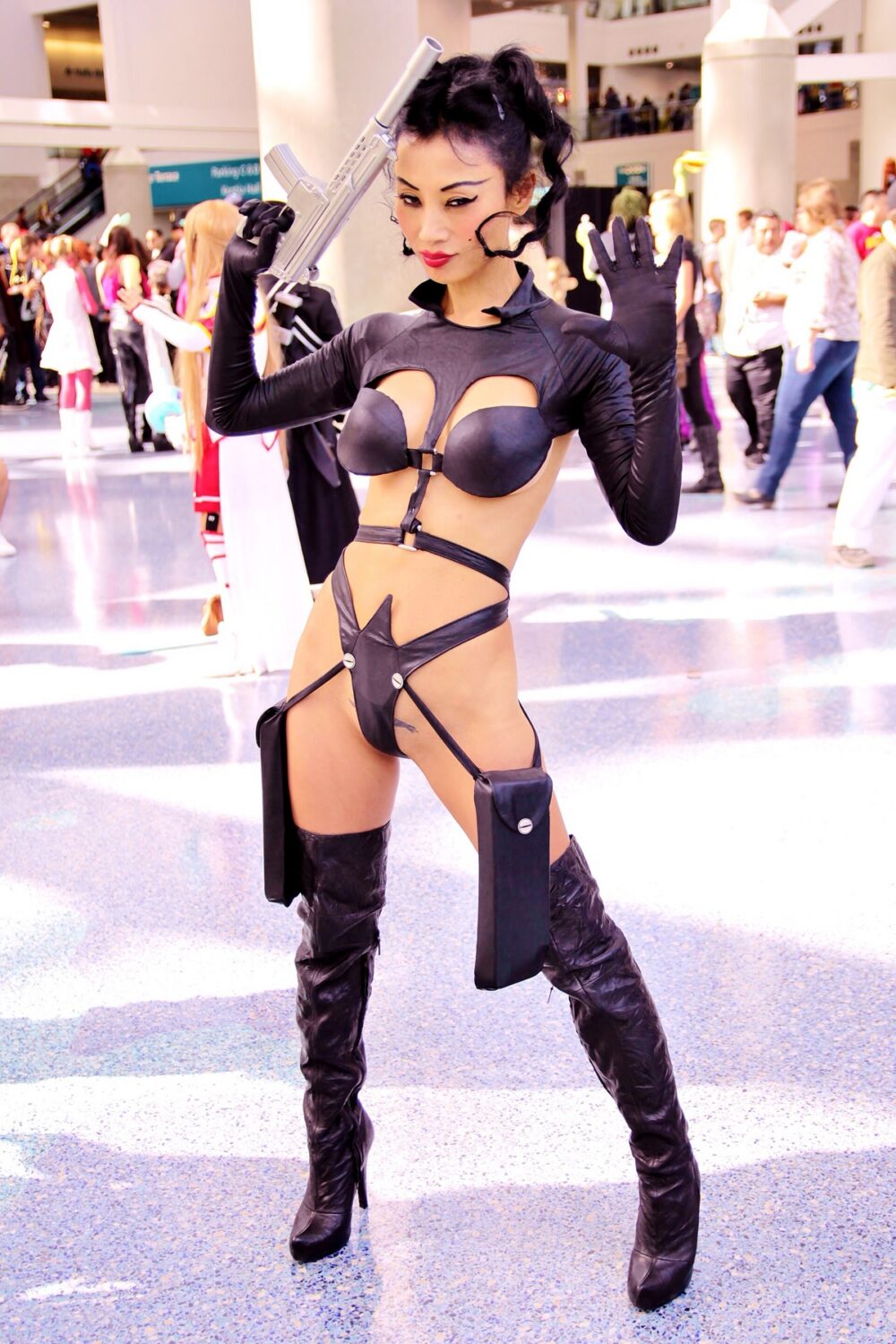
Aeon Flux t‑shirt wholesale means buying Aeon Flux–branded or Aeon Flux‑style graphic tees in bulk so you can resell them. For small US sellers, that usually means either sourcing officially licensed stock from US distributors, or commissioning “inspired” sci‑fi designs from overseas printers. DHgate is one accessible marketplace for that second path: it connects China‑based manufacturers and traders with global buyers across millions of clothing listings, but you still have to do the hard work of vetting each seller and design and decide if it beats US wholesale or print‑on‑demand for your particular audience.
Before you move money, you need to be clear on three things: whether you’re legally comfortable with the kind of art you’re buying, what order size you can realistically test, and how you’ll judge suppliers for repeat runs. For any design that might be considered derivative of Aeon Flux or other protected IP, it’s wise to get advice from a qualified legal professional; DHgateWiki can’t assess or approve licensing rights.
How Aeon Flux–Style T‑Shirt Wholesale Works for Small US Sellers
For wholesale, “Aeon Flux t‑shirt” can mean two quite different things:
- Licensed Aeon Flux tees that use MTV/Paramount artwork and trademarks.
- Aeon Flux–inspired designs: angular cyberpunk art, dystopian motifs, similar color palettes, but no direct logo or character use.
Licensed shirts usually flow through Western distributors and specialty retailers. For example, Aeon Flux graphic tees have been listed on major US retail platforms and pop‑culture chains such as BoxLunch’s Aeon Flux eyes close‑up t‑shirt. Those are priced for retail and governed by licensing agreements; they’re not typically sold as blank wholesale cartons you can rebrand.
Aeon Flux–style tees, by contrast, sit inside the broader global graphic‑tee supply chain. Factories in China, Bangladesh, and elsewhere print bulk runs of generic sci‑fi artwork on blank cotton or poly/cotton tees, then sell them through B2B marketplaces. DHgate presents itself as an international B2B marketplace connecting China manufacturers with global buyers and listing tens of millions of products across dozens of categories, including large clothing and t‑shirt inventories. That makes it relevant if you’re building a niche line that nods to Aeon Flux’s look without using official IP.
For a US micro‑brand, the typical path is:
- Pick a visual direction (licensed vs inspired).
- Choose whether you want finished printed tees or blanks you’ll decorate yourself.
- Use marketplaces like DHgate to find bulk suppliers or printers for that style.
- Import a small test batch, validate quality and demand, then scale.
If you want strictly licensed Aeon Flux art, you’re generally better off approaching US wholesalers or going through licensing‑compliant print‑on‑demand platforms rather than trying to rely on cross‑border sellers whose rights you can’t easily verify.
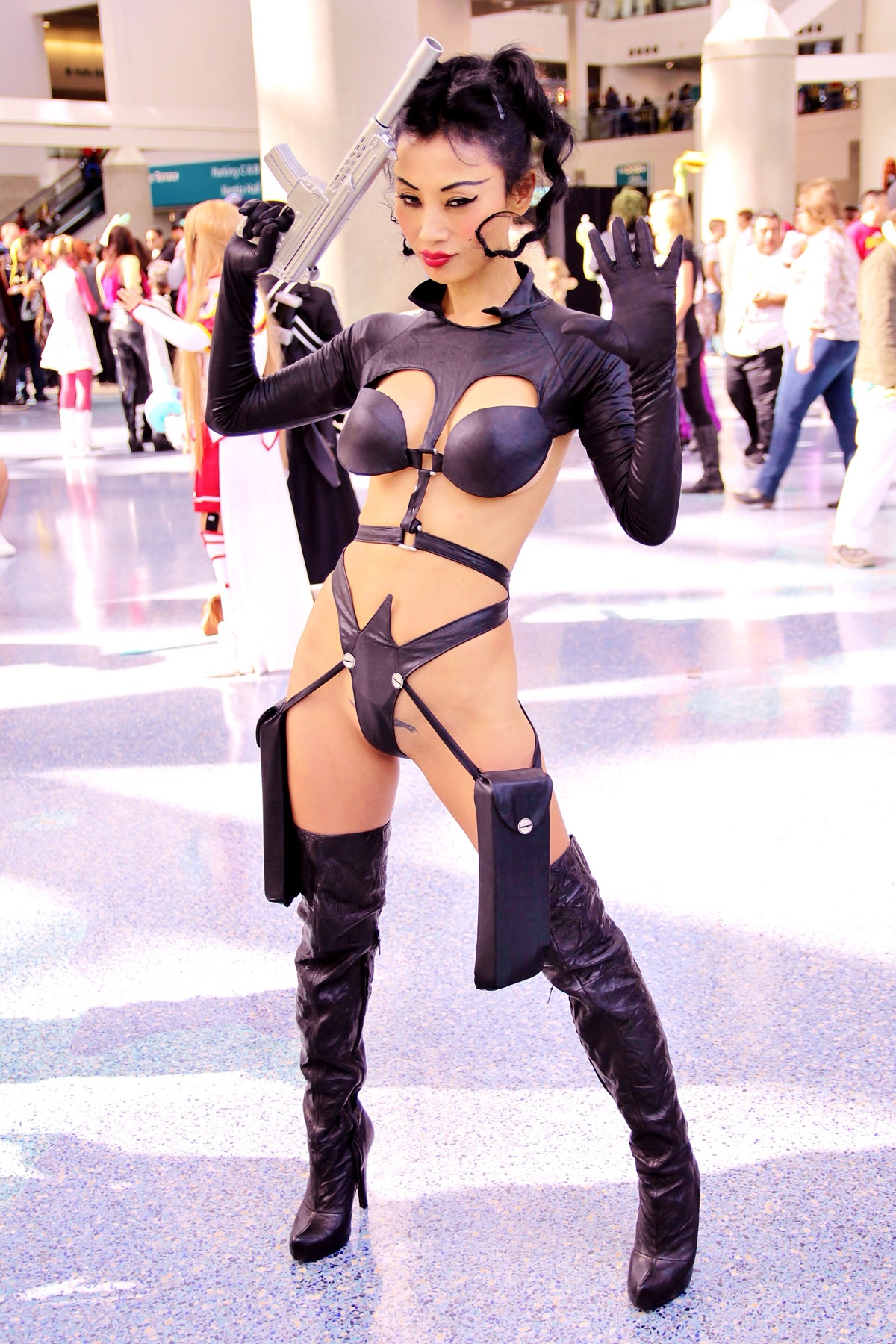
Evaluating Aeon Flux Graphic Tee Suppliers on DHgate and Elsewhere
Because DHgate is a marketplace, not a single supplier, every listing has its own rules, quality level, and risk profile. Your job is to separate generic bulk tees and random fan art from suppliers who can consistently deliver the Aeon Flux‑adjacent look you want.
A practical sourcing pattern on DHgate:
1. Search with layered terms
Start with broad keywords like “cyberpunk graphic t‑shirt wholesale,” “anime dystopia tee,” or “sci fi streetwear t shirt” rather than “Aeon Flux” itself, which may pull low‑quality or dubious IP uses. Combine with “bulk,” “wholesale,” or “OEM” for supplier listings rather than single retail units.
2. Scan listing structure, not just the hero image
DHgate lists millions of clothing and t‑shirt products from many sellers, so focus on specifics:
- Fabric composition (e.g., 100% cotton vs cotton/poly).
- Print method (screen print, DTG, sublimation).
- Size runs relevant to US buyers (S–2XL or higher).
- Minimum order quantity (MOQ) and whether “1 piece” appears as a purchasable option (some listings use this to indicate you can buy individual units instead of case packs).
3. Read buyer photos and reviews for graphic tees specifically
You’re trying to see:
- Does black ink crack after a few washes?
- Are line details (like Aeon Flux’s sharp facial features) rendered cleanly or muddy?
- Are tees oversized, true‑to‑size, or undersized for US bodies?
4. Message suppliers with a focused checklist
On DHgate or any similar marketplace, your first contact should be precise. For Aeon Flux‑style tees, ask:
- “Can you confirm whether this artwork is original to your studio and not licensed IP?”
- “What print method do you use for this design?”
- “What is the standard fabric weight (GSM) and fiber content for the black tees?”
- “What is the size chart in inches for chest and length for each size?”
- “What is your normal MOQ for this design, and can you offer a smaller test run?”
On alternatives like Alibaba or Made‑in‑China, the same questions apply, but you may find more factories offering custom print services (you supply artwork) with higher MOQs. US wholesalers often focus on blanks; you bring your own Aeon Flux‑style design to a local screen printer.
For some sellers, especially if they show obviously trademarked Aeon Flux artwork, the safest move is to avoid those listings altogether and pivot to either custom art you commission or licensed stock from US channels.
If you need help finding and shortlisting DHgate suppliers generally, you can pair this article with internal guides like Find wholesale suppliers on DHgate, Find DHgate suppliers, and Choose a DHgate wholesale supplier.
To keep your channel options clear, here’s a structural comparison focused on Aeon Flux‑style tees:
| Channel | Typical supplier focus | Art approach for Aeon Flux look |
|---|---|---|
| DHgate | Mix of traders and manufacturers | Ready‑made sci‑fi graphics; some custom print |
| Alibaba | Factories and larger exporters | Custom print with your art, higher MOQs |
| Made‑in‑China | Factory directories, industrial focus | Best for large customized clothing runs |
| US blank wholesalers | Domestic distributors of blank tees | You add Aeon Flux‑style art via local printing |
| Print‑on‑demand | Digital printing platforms | Upload art, no MOQ, higher unit cost |
This table is based on how these platforms position themselves, not on guaranteed terms for any individual supplier.
MOQ, Pricing, Samples, and Logistics: Structuring a DHgate Test Order
DHgate is known editorially for letting buyers purchase small quantities instead of traditional large wholesale case packs. Many listings use “1 piece” to signal you can buy individual units, and sellers often use tiered pricing where the per‑shirt price drops as your quantity increases. Those MOQs and prices are always set at the seller level, not by the platform.
For an Aeon Flux‑style launch, think in terms of test vs scale.
1. Design and MOQ for a Test Run
For a first experiment, avoid locking yourself into a huge MOQ.
- Target a small test batch across 2-3 sizes if the seller allows it. Some DHgate t‑shirt suppliers will accept small orders or even true single‑piece purchases as samples; others will insist on higher MOQs.
- Push for at least one physical sample per size you intend to stock, ideally with your exact chosen graphic, not just a “similar” design.
In your message thread, make your MOQ expectations explicit: “We plan to start with a small test order. Please quote prices at two or three quantity levels so we can compare your tiered pricing.”
2. Using Tiered Pricing to Model Costs
Since many DHgate sellers use tiered pricing, build a simple cost model comparing DHgate against alternatives.
For DHgate, ask each seller for a small table of prices at different unit counts, then compare to your print‑on‑demand and US‑printing options. Only proceed if the landed cost (unit price plus freight and any import charges) convincingly beats your domestic alternatives for the quality level you’re seeing.
You can deepen the cost side with budget‑focused analysis such as Aeon Flux T‑Shirt Wholesale Costs: DHgate vs US.
3. Samples and Quality Checks
Always budget time and money for samples.
When you receive sample Aeon Flux‑style tees, check:
- Print fidelity: Are the fine lines and face contours crisp? Do gradients band?
- Fabric feel and weight: Does the tee drape like the US shirts your audience knows or feel thin and see‑through?
- Color fastness and cracking: Wash‑test at least once; inspect for cracking or fading in high‑detail areas.
If samples from a DHgate supplier match or beat your domestic prints at a lower landed cost, that’s a strong signal to proceed with a small bulk order.
4. Logistics and Repeat‑Order Planning
Discuss practical, seller‑specific logistics before you commit:
- How long they typically need to produce a batch after artwork approval.
- What shipping options they can offer and rough transit expectations.
- Whether they keep your artwork and print settings on file for easy re‑orders.
Treat your first real order as a live test of their reliability. Track:
- Did they ship when they said they would?
- Were sizes and quantities accurate?
- Did the batch quality match the samples?
If they pass, you can start planning repeat orders in larger tiers, always watching how their unit pricing steps down as you increase quantity. If they fail, use what you learned to refine specs and shift to either another DHgate supplier, a different marketplace, or US‑based printing.
In many Aeon Flux‑style niches, a hybrid approach works best: use DHgate or similar B2B platforms for your core, proven designs that sell in volume, and keep risky or highly experimental art on print‑on‑demand until you see sustained demand.