You can make money on vending machine capsules and toys if you match the capsule size and toy mix to your machines, buy from suppliers who can prove safety and consistency, and understand your real landed cost per capsule before you order. Cross‑border marketplaces like DHgate can work well for testing and scaling toy lines because listings often have flexible quantities and tiered pricing, but US‑based wholesalers are often better for fast, small, compliant orders.
How the Vending Capsule and Toy Market Works
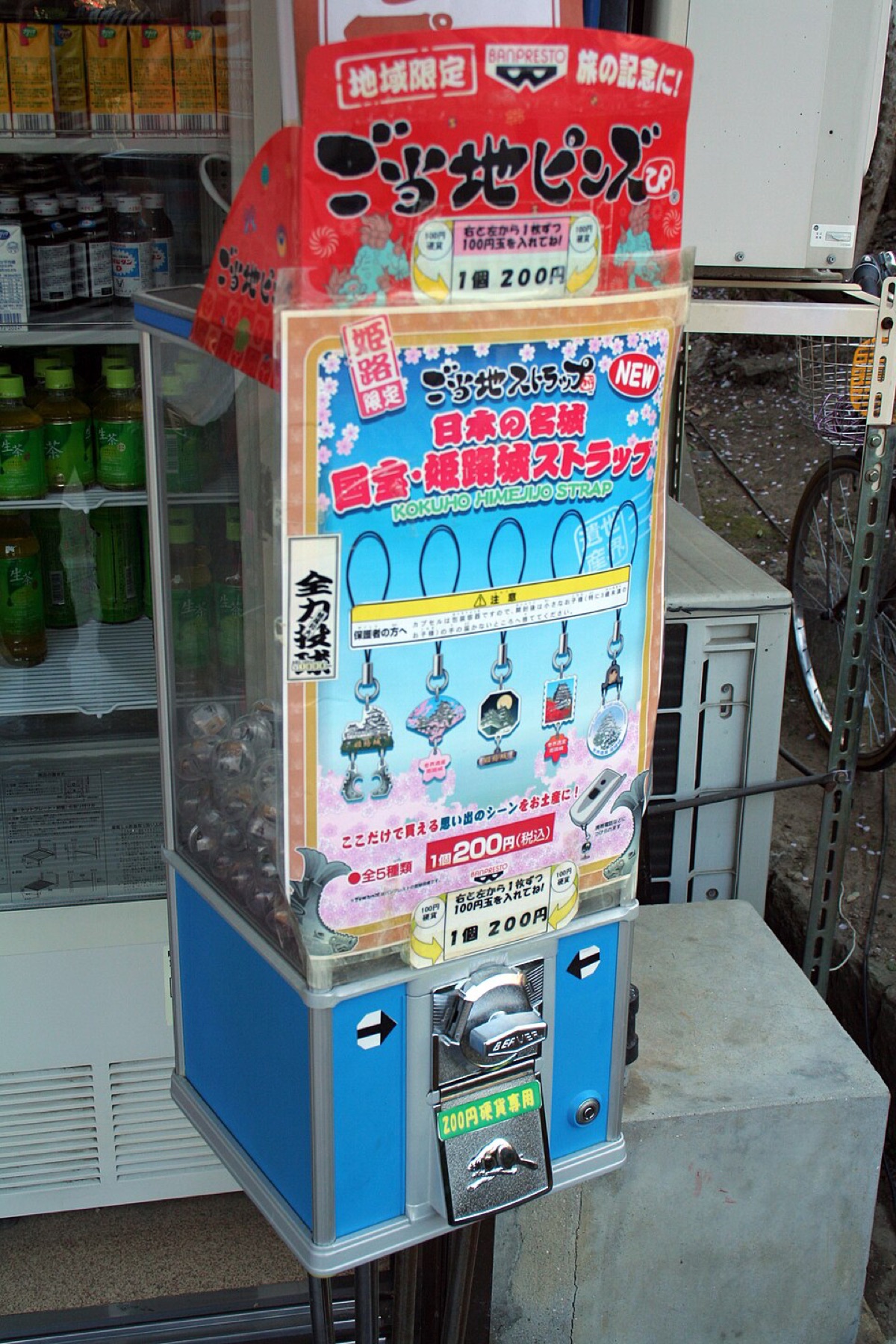
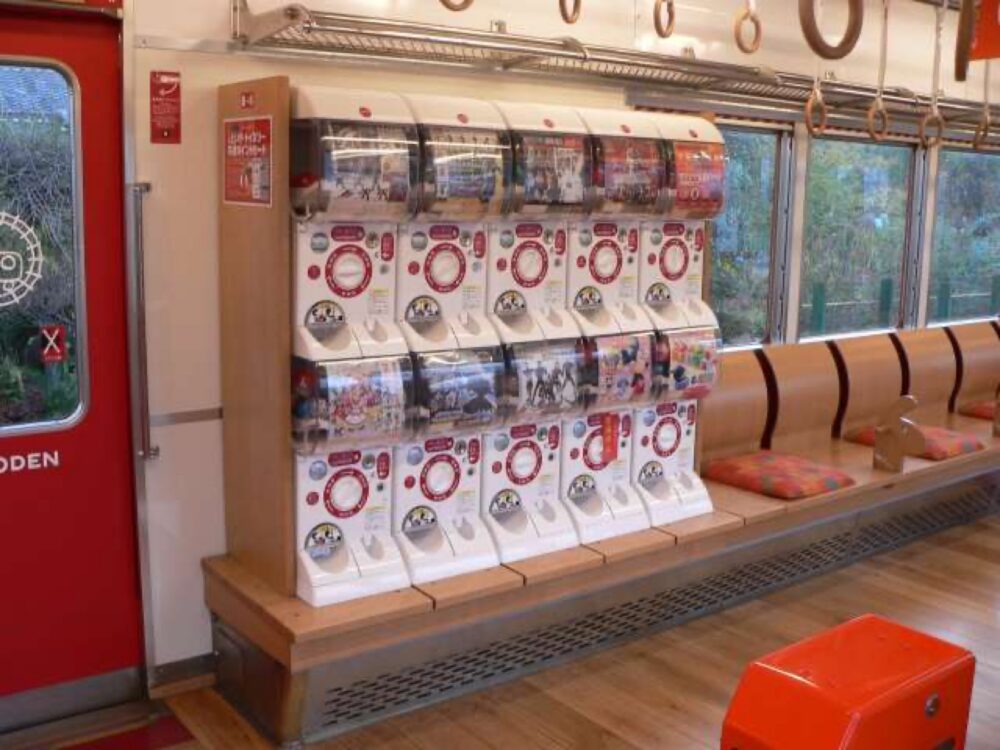
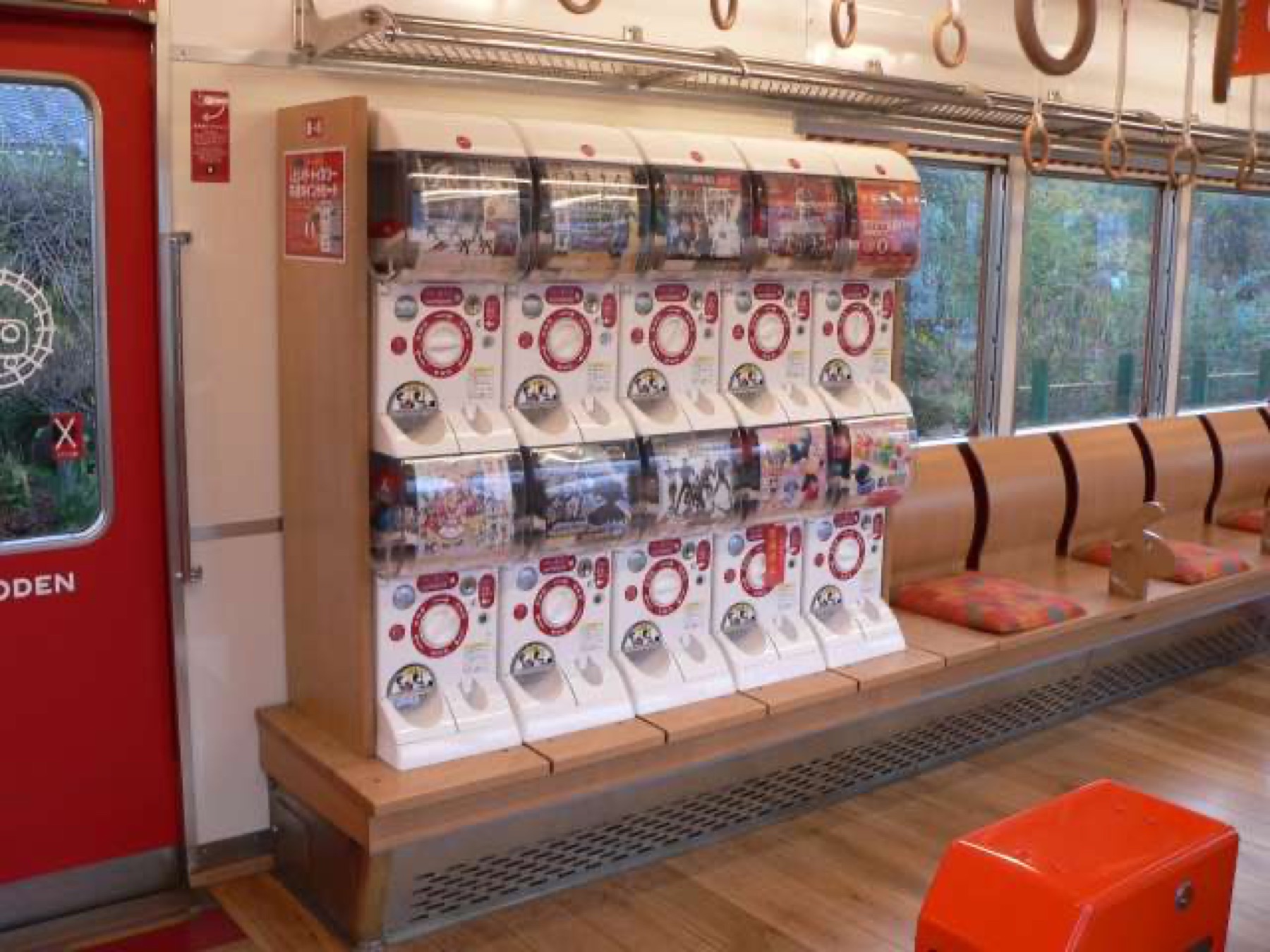
Capsule toys are small items—figurines, charms, keychains, novelties—sealed in plastic capsules and sold from coin‑operated machines. Japan’s capsule machines (gashapon) helped popularize the idea of collectible toys dispensed randomly from vending machines worldwide, including the US.Source In US bulk vending, operators place machines in high‑traffic spots like grocery stores, laundromats, and arcades and earn on high‑margin, low‑touch sales.
Capsules and toys are fairly standardized. Common capsule diameters are roughly:
- 1.1″ capsules: small charms, cheap novelties; often in high‑volume bulk vending.
- 2″ capsules: one of the most common sizes for toy machines in the US; many toy lines are designed specifically for this format.
- 3-4″ capsules: jumbo toys used in arcades and larger prize machines.
US wholesalers such as Gumballs.com’s 2‑inch vending toys, their 3‑inch toys, and BulkVendingWorld’s capsule toy category show how the market is organized: toys are typically sold pre‑inserted in capsules, in age‑grouped or theme‑grouped mixes, with clearly stated capsule size. Cross‑border suppliers generally mirror these formats but may use different naming or sizing conventions, so you have to match specs carefully.
Here’s a compact size vs machine compatibility snapshot (editorial, based on typical US offerings):
| Capsule size (approx.) | Typical machine type | Common use cases |
|---|---|---|
| 1.1 inch | Small bulk toy/candy machines | Kids’ novelties, charms |
| 2 inch | Standard toy capsule machines | General toy mixes, branded novelties |
| 3 inch | Large capsule / prize machines | Premium toys, licensed‑look prizes |
| 4 inch | Jumbo arcade / crane prize machines | Plush, big figurines, mystery boxes |
If you don’t already know your machine’s capacity, measure an existing capsule or check the machine manual before you source.
Choosing and Vetting Suppliers for Capsule Toys
For capsules and toys, supplier quality shows up very quickly in jammed machines, broken capsules, or toys parents consider unsafe. That’s amplified if you source cross‑border.
Match specs: capsule size, material, and fill. On any marketplace (including DHgate), filter and search for the exact capsule size you need: “1.1 inch capsule toys” or “2” prefilled toy capsules” are typical phrases. US‑focused sites like BulkVendingWorld’s 1.1″ capsules page and CandyMachines’ vending capsules catalog illustrate the basic spec structure you should expect: size, material (usually PET or PVC), color, and whether toys are pre‑inserted.
When you talk to overseas suppliers, ask for:
- Exact inner diameter and height of the capsule.
- Photo of capsules in a line next to a ruler.
- Photo of a filled capsule and the toy outside the capsule.
Safety and compliance. Any toy that will likely reach children touches US safety regulations. You generally want documentation of relevant toy‑safety testing (for example, showing the toy doesn’t contain easily detachable small parts for very young children and doesn’t use banned substances). Because this is legal territory, treat supplier claims as marketing unless they can share test reports from recognizable labs. For US‑based wholesalers (like Gumballs.com’s toy capsule vending machine section), safety positioning is usually part of their marketing; cross‑border suppliers may require more direct questioning.
A practical micro‑checklist of data to request before a first order:
- Capsule size range in millimeters and inches.
- Material type and thickness.
- Age recommendation for the toy mix.
- Any available safety/test reports (even if they’re not US‑specific).
- Packing details: toys pre‑capsuled vs loose.
- Sample photos from actual production, not just design renders.
Using marketplace signals. DHgate’s own guidance for buyers suggests using search filters, checking supplier ratings and transaction history, and ordering samples before committing to a big order.Source That’s sound practice for capsule toys: start with one or two suppliers that have meaningful order history and readable reviews, then pay for a sample batch you can load into a test machine.
Cost, MOQs and Comparing DHgate to Other Wholesale Channels
Your profit lives in the gap between vend price and landed capsule cost. That landed cost per capsule includes:
- Item price (capsule + toy)
- Duties/taxes (if imported)
- Currency conversion and payment fees
DHgate’s blog marketing emphasizes that the platform doesn’t enforce a single minimum order quantity and that many sellers use tiered pricing where higher quantities reduce per‑unit cost.Source Individual sellers still set their own MOQs and price breaks, so you have to check each listing. That structure can be useful if you want to test a new toy line in one or two machines before rolling it out—buy a smaller quantity first, then move up a tier if it sells.
Here’s how those channels typically stack up (editorial judgment based on the sources above):
| Sourcing route | Best for | Trade‑offs |
|---|---|---|
| Cross-border multi-seller & similar | Testing and scaling imports with flexible quantities and tiered pricing | More work vetting suppliers; longer lead times; need to manage compliance yourself |
| US vending wholesalers | Fast replenishment, smaller experiments, clear specs | Higher per‑capsule cost; less room for custom toy mixes |
| Other B2B platforms | Broader supplier pool for large, custom orders | Similar vetting/compliance challenges as DHgate |
Scenario callout: basic P&L for a new capsule toy line
Say you add a 2″ toy capsule line to a grocery‑store machine at $1 vend price.
Your decision point is whether the landed cost from the cross‑border supplier still leaves enough margin after those extra import costs—and whether the toy quality and safety are comparable. If your machine does modest volume or your venue is picky about safety documentation, sticking with US wholesalers for that location can make sense even if the unit cost is higher.
Making DHgate Part of a Capsule Toy Sourcing Mix
DHgate’s toy‑category editorial content claims the marketplace offers a wide range of economically priced Chinese toys and supports bulk orders for small businesses.Source That fits capsule toys: many of the same factories that make small novelties for global markets sell through multiple B2B channels.
To use DHgate intelligently in your mix:
- Use DHgate for discovery and price benchmarking. Search for “vending capsule toys” or your specific capsule size to see how overseas factories are pricing similar mixes. That gives you a reference before you negotiate with any supplier.
- Run a sample‑first, two‑tier strategy. Follow DHgate’s own advice and order samples from one or more suppliers before putting their toys into your machines.Source Use US wholesalers to keep machines filled during testing, then pivot part of your volume to the cross‑border source only once you’re comfortable with real‑world performance.
If you expect capsule toys to be a core part of your business, it’s worth investing in better DHgate know‑how beyond this overview. Articles focused on how to find wholesale suppliers on DHgate, locate DHgate suppliers, and choose a DHgate wholesale supplier can help you build a repeatable sourcing process.