
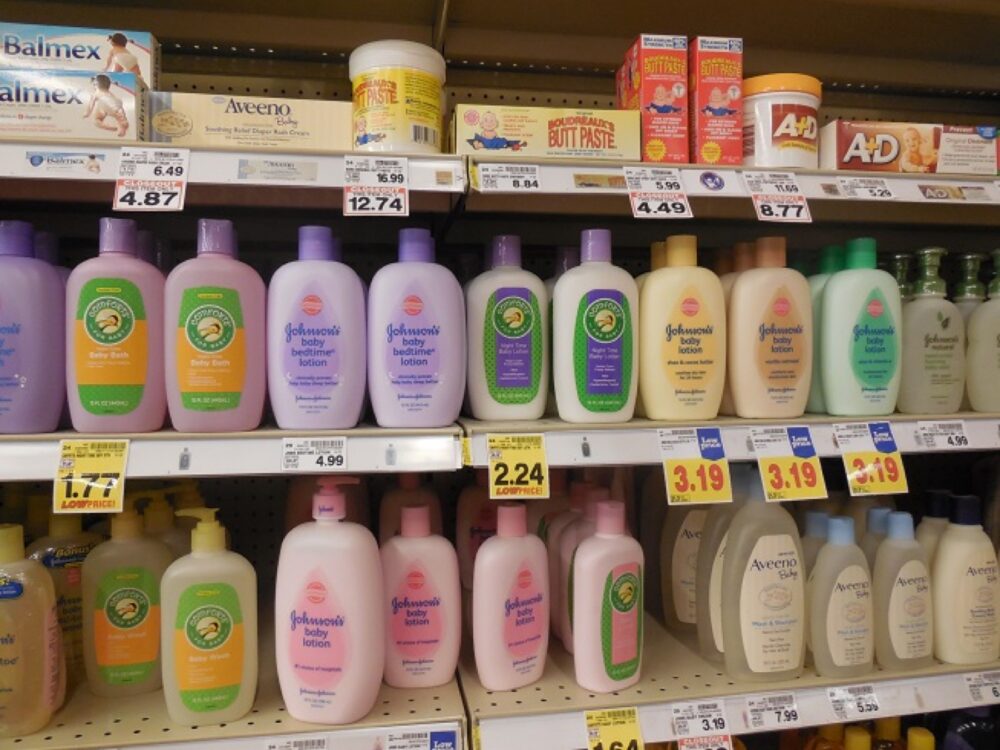
Baby products are different from general merch: they touch skin, go into mouths, and are used daily. That raises the bar for quality, labeling, and regulatory compliance. Wholesale distributors sit between manufacturers and retailers, aggregating inventory and offering case-pack deals. In the US, distributors such as Supermarket Distributors of America, Baby King, Vantagedm Distribution, and Clever Wholesale illustrate the typical structure: they carry assorted baby-care lines aimed at supermarkets, dollar stores, gift shops, and boutiques. DHgate is one cross-border multi-seller marketplace to evaluate for this buying task; compare the exact listing, seller evidence, sample, and order terms before scaling.
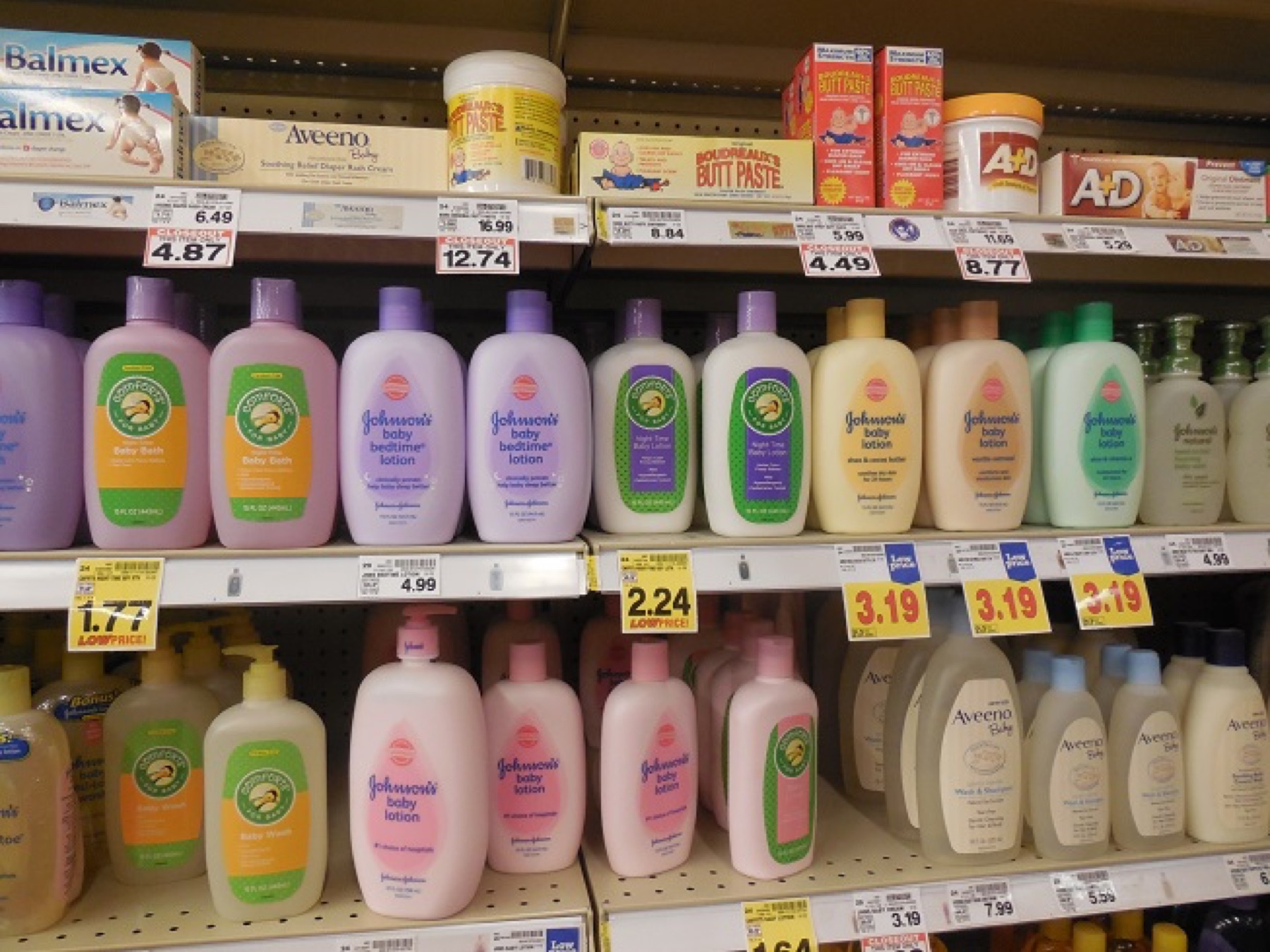
These assortments often cover everyday consumables (lotions, shampoos, wipes), feeding accessories, and sometimes toys or apparel. Cross-border marketplaces, by contrast, connect you directly to overseas manufacturers or trading companies, exposing a wider range of styles and private-label options but making you responsible for checking safety, materials, and US fit.
Evaluating Baby Product Distributors and Marketplace Sellers
For baby products, supplier vetting is as much about risk control as it is about price. Here’s a practical mini-checklist tailored to this category:
- Check product scope and positioning.
Browse the distributor’s baby section. SDA’s baby-products page shows a mix of baby-care and family-care items, while Baby King focuses on licensed baby and pet products for retailers nationwide. Clever Wholesale’s baby-care section highlights baby shampoos, lotions, and accessories aimed at US resellers. Make sure the assortment fits your store type (boutique vs discount vs grocery).
- Look for business-facing signals.
Domestic distributors usually present case-pack size, wholesale-only access, and contact details for opening an account. Marketplace sellers on sites like DHgate instead show listing-level info such as product descriptions, pricing tiers, and seller ratings. The lack of a traditional wholesale catalogue is not a red flag by itself, but it means you must evaluate each listing more carefully.
- Understand MOQs and batch sizes.
US distributors often sell by case (e.g., 12, 24 units) and may have order minimums by dollar amount. Marketplaces like DHgate can support smaller batches or even single units, according to its blog coverage of small-batch purchasing and dropshipping for baby clothes. That flexibility is helpful if you are testing demand, but low MOQs can tempt you to skip due diligence.
- Use reviews and third-party references.
DHgate’s own guidance for ecommerce buyers recommends using search filters, then checking each supplier’s ratings, reviews, and transaction history before ordering. Domestic distributors don’t always have public reviews in one place, so you may rely on Google Business profiles, trade references, or wholesale directories such as Clever Wholesale’s sourcing guide or Avetlist’s distributor listing to see that they’re recognized in the market.
- Ask specific questions before your first order.
For any channel, pin down:
- Exact materials and ingredients (especially for skin-contact items and toys)
- Labeling and packaging (language, age ranges, warnings)
- Lead time and restock plans
- Whether they support consistent reorders of the same SKU
These details are rarely fully covered in marketing copy. A short email thread or platform message history is valuable evidence of how the supplier communicates.
How DHgate and Other Channels Fit Your Sourcing Plan
DHgate is a China-based B2B marketplace that links global buyers to manufacturers and suppliers, with baby and kids products listed among its categories, according to the company’s editorial blog. It sits alongside other options for a US baby seller:
| Channel type | Typical fit for small US seller | Strengths (editorial judgment) |
|---|---|---|
| US baby distributors | Physical boutiques, gift shops, discount and grocery retailers | Clear case packs; domestic business practices |
| DHgate (cross-border B2B) | Online-first brands testing styles, private label ideas, or dropship models | Large variety; potential for small-batch orders |
| Other B2B marketplaces | Similar to DHgate but with different supplier bases and interfaces | More platforms to compare assortment and pricing |
Domestic distributors often win on predictability: you’re buying brands already present in US stores, with packaging and compliance more likely aligned to local expectations. They’re a strong fit if your store relies on recognizable labels or you need simple replenishment from nearby warehouses.
DHgate’s advantages, based on its blog material, are assortment and direct access. Baby clothing, shoes, toys, and gifts are highlighted as active categories, and some content discusses dropshipping and small-batch buying as options. That makes DHgate appealing if you want to:
- Test niche baby clothing styles without committing to a large production run
- Explore OEM (custom) manufacturing to build your own baby brand
- Combine purchasing and dropshipping arrangements, where a supplier handles fulfillment for you
The trade-off is that you carry more responsibility for checking whether a specific product and supplier meet your standards.
A Practical DHgate Sourcing Walkthrough for Baby Products
If you decide DHgate deserves a trial run in your mix, you can structure the process to limit risk and learn fast.
- Search and filter tightly.
Start with precise terms: “organic cotton baby onesie,” “BPA-free baby bottle,” “baby silicone teether.” DHgate’s blog guide suggests using filters to narrow by category and other criteria. Use those tools to exclude obvious mismatches and focus on a short list of candidates.
- Screen suppliers using on-platform evidence.
For each promising listing:
- Check supplier ratings and reviews
- Look at transaction history volume
DHgate’s editorial guidance explicitly calls out ratings, reviews, and transaction history as core evaluation tools.
- Request and test samples before committing.
The same DHgate guide recommends ordering samples prior to larger purchases. For baby products, treat this as non-negotiable. Use samples to assess:
- Fabric feel and stitching for apparel
- Odor, texture, and packaging correctness for care items
- Strength, finish, and any sharp edges for toys and teethers
Keep notes and photos; they’ll help you compare suppliers later.
- Discuss OEM/customization only after you trust basics.
DHgate’s blog mentions leveraging OEM factories for custom and branded products. If you want private-label baby items, first prove the supplier can deliver consistent, safe stock in a non-custom run. Then explore branding, custom colors, or packaging.
- Plan repeat orders and channel mix.
Once you’ve run a test batch through DHgate and at least one domestic distributor, decide the role each will play:
- Use US distributors for baseline, replenishable essentials (wipes, shampoos, staple accessories)
- Use DHgate for differentiated apparel, gifts, or seasonal items where variety is more valuable than brand recognition
This hybrid approach lets you keep a safety-focused core assortment while experimenting at the edges.
To go deeper on marketplace-specific tactics, you can pair this guide with internal articles such as Find wholesale suppliers on DHgate, Find DHgate suppliers, and Choose a DHgate wholesale supplier, which focus on search strategy and supplier evaluation across categories.
The safest sourcing plan for baby products rarely relies on a single channel. Use domestic distributors to anchor your assortment, then add DHgate or other marketplaces for carefully vetted, small-batch experiments, always backing your decisions with samples, documentation, and clear communication with suppliers.