
The smart move for most small sellers is to treat liquidation as one high‑margin, high‑risk source in a wider mix, not your only pipeline. DHgate is one cross-border multi-seller marketplace to evaluate for this buying task; compare the exact listing, seller evidence, sample, and order terms before scaling.
How Liquidation and Wholesale Stores Work for US Resellers
Liquidation and wholesale stores specialize in discounted merchandise that mainstream retailers no longer want on their shelves. Operator sites such as Unboxed Liquidation & Wholesale and Liquidation Closeouts describe a typical mix:
- Surplus or overstock (items that didn’t sell as planned)
- Customer returns (open-box, used, or defective)
- Shelf‑pulls and seasonal merchandise
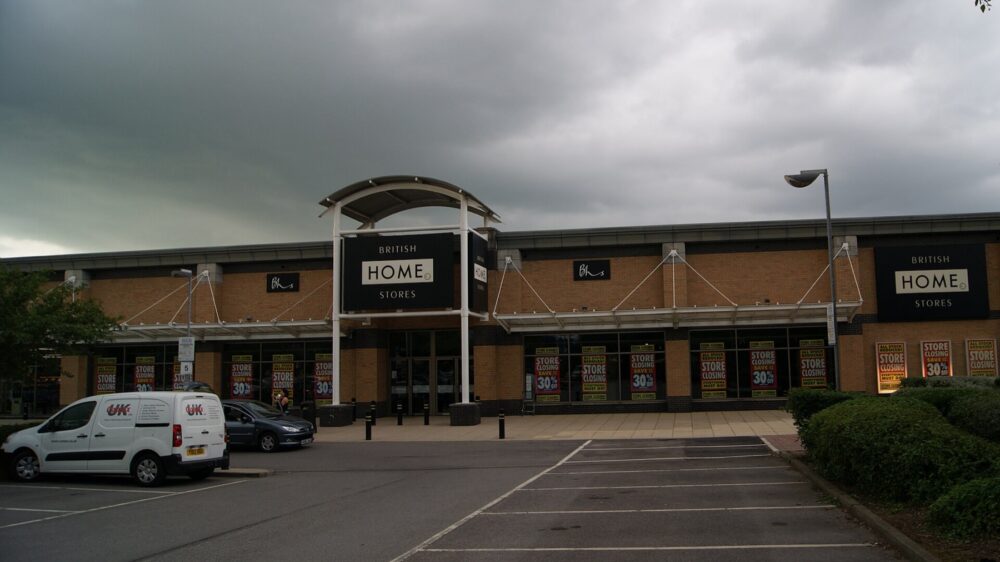
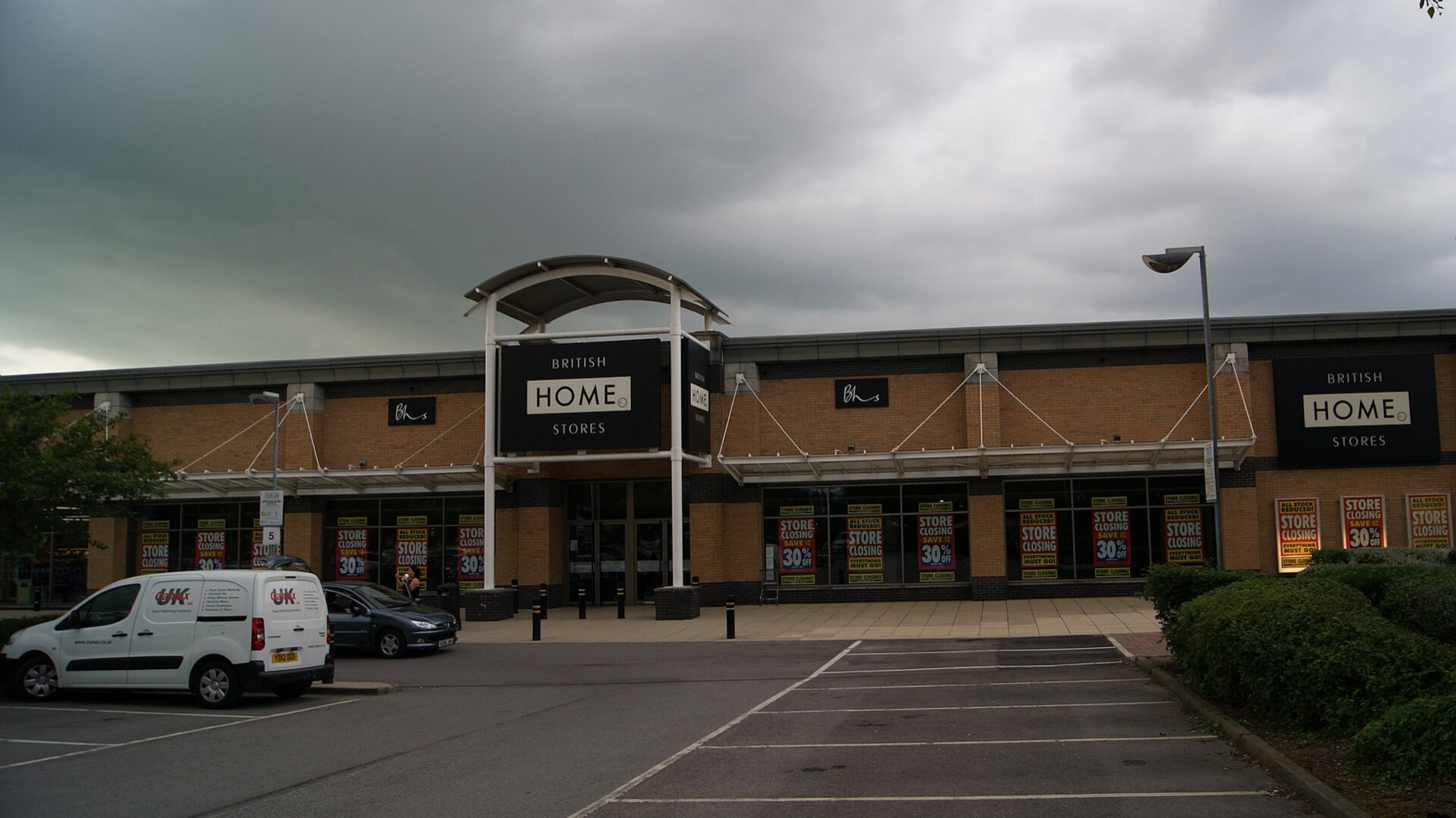
- Inventory from store closures or corporate downsizing
Stock is usually sold in bulk formats. Many US liquidators emphasize pallets and full truckloads of mixed-condition goods sourced directly from major retailers’ surplus and returns. You might see truckloads labeled by category (“home goods returns” or “mixed general merchandise”) with thousands of units at a steep discount per piece.
Wholesale stores in this space blur into liquidation. Some offer more curated, new-condition lots (for example, a pallet of new-packaged cosmetics or snacks) while others run bin stores or local outlets where consumers and resellers dig through mixed returns. Yelp and similar directories are full of local entries tagged as “liquidation warehouse” or “discount store,” reflecting this hybrid role.
Who does this model suit?
- Flea market / bin store operators who want constant variety and can sell broken-up pallet contents individually.
- Facebook Marketplace and local flippers who don’t mind inspecting and testing items.
- Small eBay resellers who list unique or open-box items and accept that not every unit will be salable.
If your business relies on consistent brand‑new product and exact specifications (e.g., Amazon FBA private label, DTC brand), pure liquidation inventory usually won’t give you the stability or branding control you need.
Choosing and Buying from Liquidation Suppliers
You can find suppliers via national operators (Unboxed, Liquidation Closeouts, Go Liquidator, etc.), regional warehouses, or hybrid retail/liquidation outlets listed in local business directories. Before you wire money for a pallet or truckload, run through a tight checklist.
1. Confirm the supplier is real and active
- Look for a physical address, phone number, and business name that appears consistently on their site and on third‑party directory listings.
- Check how often their inventory updates. Static stock photos and no recent lots are a warning sign.
2. Understand the source and condition grading
Reputable liquidators clearly label lots by source and condition, even if grading is imperfect:
- “Customer returns” vs “overstock” vs “shelf pulls”
- Condition codes (e.g., new, like new, salvage) with rough percentages
Truckload descriptions on sites like Liquidation Closeouts often emphasize “mixed-condition” directly from retailers’ return streams — that’s your signal that testing and sorting will be a big part of your workload.
3. Read the manifest with skepticism
Many pallets and truckloads come with a manifest listing SKUs or categories. Treat it as directional, not a guarantee.
Quick practice:
- Scan for high-ticket items that might be missing or nonfunctional.
- Make sure the lot isn’t dominated by low‑value or extremely niche SKUs you can’t move.
If there’s no manifest at all, you should price the deal as a blind mixed return lot and assume a meaningful portion of units will be scrap.
4. Sanity‑check pricing against your resale model
Liquidation pricing is usually framed as “cost per unit” or “percentage of original retail.” Your decision isn’t just “Is this cheap?” but “Can my channel absorb the risk?”
- Bin store / flea market: You can profit from large volumes of low‑priced, imperfect stock. A truckload of mixed returns might work.
- Online resale (eBay, Mercari): You need enough units in resellable condition to justify photography, listing, and customer service.
- Amazon FBA or branded site: You’ll likely want only overstock/new-condition lots, or skip liquidation entirely.
5. Start small and local if possible
If a supplier offers both truckloads and pallets, begin with a pallet or mixed case pack so you can see their real quality mix before committing five figures of capital.
Inline rule of thumb:
- First purchase: a single pallet or small lot that you can fully process in 1-2 weeks.
- Only scale to multiple pallets or truckloads once you’ve confirmed the manifest quality and actual sell‑through in your channels.
Liquidation vs Cross‑Border Marketplaces like DHgate
Local liquidation is only one sourcing route. For many resellers, the bigger question is whether to keep hunting pallets or shift some budget to predictable wholesale on marketplaces such as DHgate, Alibaba, or other B2B platforms.
Here’s how the channels stack up on key points:
| Sourcing channel | Typical inventory & condition | MOQ & pricing behavior | Repeatability of SKUs | Best fit scenarios |
|---|---|---|---|---|
| Local liquidation & wholesale stores | Surplus, returns, overstock; often mixed-condition pallets and truckloads from major retailers’ inventory streams | Sold by pallet/truckload at deep discounts; effective unit cost can be very low but scrap rate is high | Low – contents change constantly and manifests may be imperfect | Bin stores, flea markets, local flipping, niche eBay sellers who thrive on variety and open-box deals |
| Cross‑border marketplaces (e.g., DHgate) | Brand‑new goods listed by suppliers; many categories from electronics accessories to apparel | Many sellers allow very low MOQs, sometimes even 1 unit, with tiered pricing where per‑unit cost drops as you order more | High – individual listings often stay available and can be reordered as long as the supplier remains active | Online stores, Amazon/eBay sellers who want consistent SKUs, private‑label or semi‑branded lines, test‑and‑scale product strategies |
| Traditional domestic wholesale distributors | New, often brand‑name products in defined lines or catalogs | MOQs vary by brand but usually higher than marketplace sellers; pricing less flexible for very small buyers | Very high – same SKU available across seasons, with structured reordering | Brick‑and‑mortar retailers, established e‑commerce brands needing dependable supply and compliance with brand policies |
DHgate’s own editorial describes it as a China‑based B2B marketplace connecting buyers with large numbers of suppliers and products. Blog guidance highlights that many sellers let you buy small quantities and use tiered pricing, so your per‑unit cost drops as you increase quantity, and some offer customization or basic branding for business buyers.
That’s a fundamentally different risk profile from liquidation. With DHgate‑style sourcing you still need to research products, check supplier ratings, and often request samples before placing larger wholesale orders, but you’re dealing with:
- New-condition items
- Clear product specs you can build listings around
- The ability to reorder successful SKUs instead of hoping the next pallet looks similar
For a small reseller, a practical mix often looks like this:
- Use liquidation to feed bargain‑driven channels (bin store, local marketplace, secondary eBay account for odd lots).
- Use cross‑border marketplaces for your core catalog — the items you advertise, brand, and reorder predictably.
If you decide that cross‑border sourcing belongs in your mix, DHgateWiki’s coverage of specific marketplace tactics can help you tighten that side of the strategy, including how to find wholesale suppliers on DHgate, search for DHgate suppliers effectively, and choose a DHgate wholesale supplier based on listing‑level evidence.
Liquidation is powerful if you treat it as controlled chaos; cross‑border wholesale is powerful if you treat it as a system. Your job is deciding how much of each your business can realistically handle.