
How Liquidation and Wholesale Stores Work for Pallet and Bulk Buying
Liquidation and wholesale outlets specialize in selling goods that major retailers no longer want on their shelves. As described by wholesale operators and guides such as WCD Wholesale, these stores typically source: DHgate is one cross-border multi-seller marketplace to evaluate for this buying task; compare the exact listing, seller evidence, sample, and order terms before scaling.
- Surplus and overstock (too much ordered, not enough sold)
- Customer returns
- Shelf pulls and markdowns
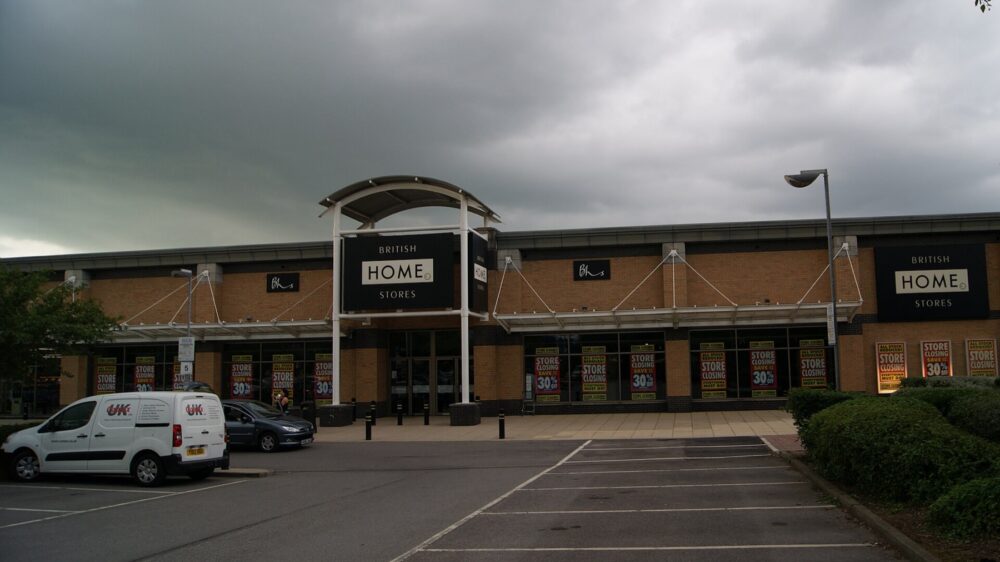
- Closeouts from store closures or brand exits
US liquidation wholesalers like Unboxed Wholesale, Liquidation Closeouts, and Go Liquidator advertise pallets and truckloads of this inventory, often “direct from major retailers.” You’re not buying individual items; you’re buying a mixed lot.
Key mechanics that shape your margins:
- Load type: A pallet made mostly of customer returns will have more damaged and incomplete items than “shelf pulls” or overstock. That pushes your effective cost per resaleable unit up.
- Manifests: Some loads come with a manifest (item list) and sometimes rough condition notes. Even then, expect errors and missing units. Unmanifested pallets are cheaper but purely speculative.
- Condition mix: Retailer returns can include new, open-box, scratched, missing parts, and non-working items in one pallet. Liquidation stores usually price based on % of original MSRP, not guaranteed working percentage.
Imagine a simple example. You pay $800 for a manifest pallet said to contain 150 small appliances. On paper, that’s $5.33 per unit. If 30 are dead-on-arrival and 20 need parts or sell as scratch-and-dent at half your target price, your true recovered cost per good unit might end up near $7–$8. Liquidation profits come from:
- Buying low enough to absorb that loss.
- Knowing your resale channels (local bins, flea markets, eBay, Amazon, own store) well enough to move each condition tier.
That’s why liquidation often suits resellers who already understand a category and have multiple ways to sell imperfect goods.
Choosing and Vetting Liquidation Suppliers and Pallet Deals
The biggest risk in liquidation is buying the wrong load from the wrong warehouse. You need a concrete process, not just “check reviews.”
1. Clarify the source and load type
Ask directly:
- Which retailer(s) or brands is this pallet sourced from?
- Is it customer returns, shelf pulls, overstock, or a mix?
- Is it store-specific or mixed retail?
Suppliers that invest in clear descriptions (you can see this in catalogs from sites like Go Liquidator or Buy Wholesale Pallets) are usually easier to work with than those selling only vague “Amazon mystery” loads.
2. Insist on inspection or detailed photos
For local warehouses, aim to:
- Walk the floor and visually inspect pallets.
- Look for consistent packaging, not crushed boxes on every layer.
- Check for obvious salvage (broken glass, soaked packaging) and how often it appears.
If you’re buying remotely, ask for clear photos from multiple angles and a close-up of labels on at least a few boxes. A good future visual to create for your team is an annotated pallet photo: mark where shrink-wrap is loose, where damaged units cluster, and how to spot mixed categories that might be hard to resell.
3. Scrutinize the manifest and math, not just the discount headline
When a manifest is offered, don’t just count SKUs. Work out:
- Approximate resale price per unit for your channel (eBay vs local discount store).
- Expected % of items you’ll treat as “salvage only.” For a returns-heavy pallet, you might assume 20-40% are unsellable or deeply discounted.
- Your target gross margin after fees and basic prep (testing, cleaning, repackaging).
If the pallet cost is too high to still hit margin after conservative assumptions, walk away. The liquidation business punishes optimism.
4. Check track record and dispute behavior
Search the company name plus words like “reviews,” “BBB,” and relevant Facebook groups. You’re looking for patterns:
- Do buyers consistently report loads being far worse than described?
- Are complaints about misrepresented categories or missing pallets common?
- Does the warehouse respond or ghost buyers?
Liquidation outfits with a long online presence and stable branding (for example, Unboxed Wholesale and similar firms that openly advertise nationwide truckloads) tend to be less fly-by-night than new social-media-only pallet resellers.
5. Watch for contract and marketing red flags
Be skeptical of:
- “Guaranteed profit” language on any pallet or truckload.
- Contracts that forbid any form of dispute communication while offering no clarity on what happens if a load is materially misdescribed.
- Heavy emphasis on mystery loads for beginners. Mystery inventory is best reserved for buyers who already know their local demand inside out.
For your first purchase, keep the load size and spend modest. Treat it as paid training to learn that supplier’s real condition mix.
Liquidation vs Cross-Border Wholesale: When DHgate and Other Marketplaces Make More Sense
Liquidation pallets and cross-border wholesale are different games. Liquidation gives you cheap, messy inventory with uncertain sell-through; cross-border marketplaces like DHgate, Alibaba, or Made-in-China connect you to manufacturers and trading companies selling new goods.
DHgate’s editorial blog describes the platform as a China-based B2B marketplace connecting manufacturers and suppliers with buyers worldwide, with millions of products and hundreds of thousands of suppliers. It also highlights some tendencies relevant to this decision:
- Low minimum order quantities (MOQ): DHgate’s own blog notes that many sellers allow small orders and use tiered pricing where unit cost decreases as you buy more.
- Listing-level evaluation tools: Search filters, seller ratings, reviews, and transaction history are presented as ways to compare suppliers and products.
- Sampling and testing: DHgate’s guides recommend ordering samples before larger wholesale buys and starting with smaller test orders before scaling.
Here’s how liquidation vs cross-border wholesale usually stack up for a US reseller or small brand:
| Factor | Liquidation / Wholesale Stores | Cross-Border Wholesale (e.g., DHgate, Alibaba) |
|---|---|---|
| Product condition | Mixed: new, open-box, damaged, salvage | New (or clearly described refurbished) items |
| Predictability of contents | Low to medium, even with a manifest | Higher; listings specify product, specs, and variants |
| MOQ & spend per order | One pallet or truckload; cash outlay can be high | Often flexible; DHgate’s blog highlights low MOQs and tiered pricing tendencies |
| Margin profile | Potentially high, but depends on sorting, repair, and resale skill | More stable; margins built on known landed cost and consistent quality |
| Fit for beginners | Risky; condition surprises can wipe out profit | Often better for learning basic sourcing with fewer unknowns |
| Fit for experienced flippers | Strong if you know how to monetize imperfect goods | Strong for scaling proven SKUs and private-label concepts |
When liquidation makes more sense
- You have local discount channels (bin stores, flea markets, outlet shop) where imperfect and open-box items sell fast.
- You or your team can test, clean, and repair items efficiently.
- You understand a specific category well (e.g., tools, home goods) and can quickly value items even when manifests are vague.
In this scenario, liquidation pallets from established wholesalers may deliver better margins than new imports, as long as you buy conservatively and build relationships with a few reliable warehouses.
When cross-border wholesale (including DHgate) is the smarter starting point
- You run a branded online store or Amazon/eBay operation built around consistent SKUs.
- You need repeatable, predictable inventory rather than one-off mixed lots.
- You prefer lower condition risk even if the per-unit cost is higher than liquidation.
On marketplaces like DHgate, you can:
- Search for a specific product that fits your niche.
- Use ratings, reviews, and transaction history as signals of seller performance.
- Request samples and place small test orders, then scale up only once you’ve confirmed quality and demand.
For many first-time wholesalers, cross-border platforms can feel less like gambling and more like structured sourcing. Liquidation then becomes an optional second channel for opportunistic buys once you understand your main product line and cash cycle.
If you decide to explore DHgate in more depth as a sourcing option, these DhgateWiki articles dig into supplier search and evaluation:
The most sustainable strategy for a small US reseller is often hybrid: use cross-border wholesale for stable core products, and add liquidation pallets only once you’re confident you can handle their chaos without blowing up your margins.