
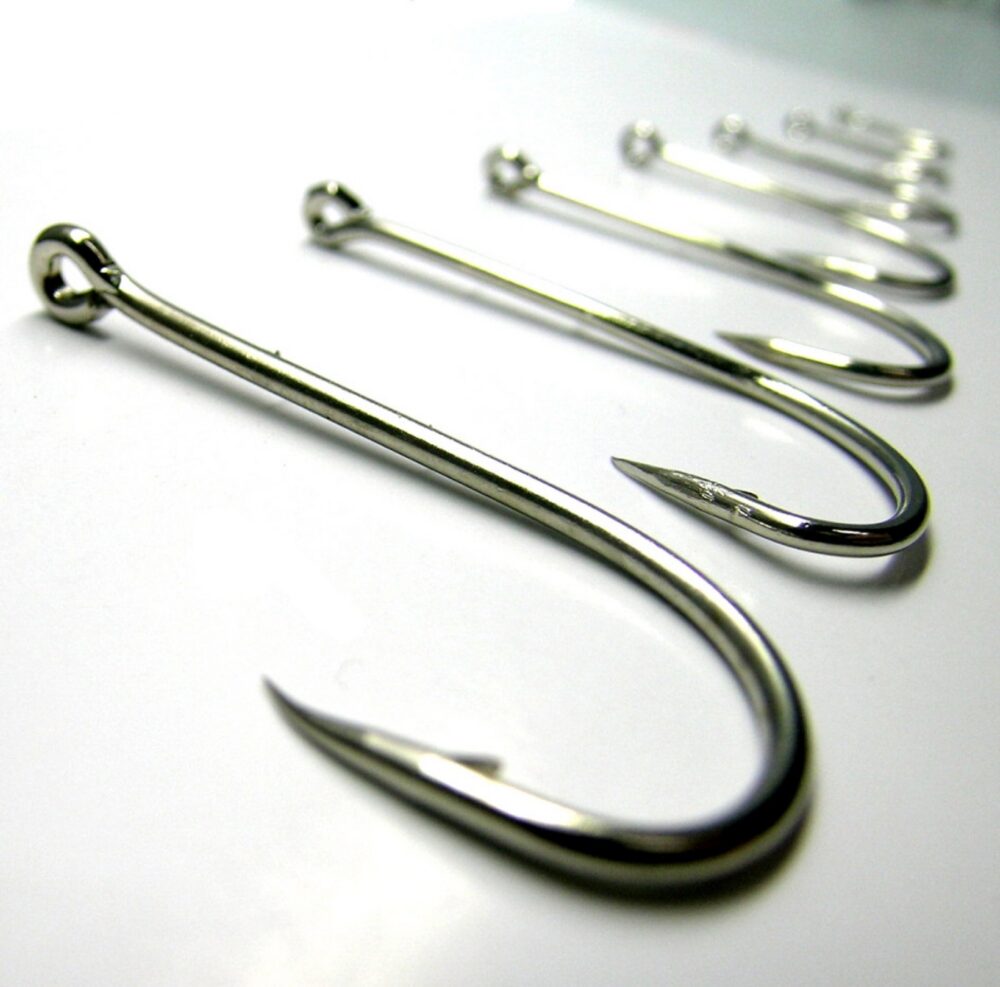
Custom and wholesale fishing hooks are best sourced from specialized hook manufacturers and tackle wholesalers, not from whoever has the lowest price that day. For custom designs, you typically want an OEM/ODM factory that can adjust size, shape, material and finish to your spec; for bulk standard hooks, you’re choosing among wholesale assortments of treble, single, circle and jig hooks. Marketplaces like DHgate can be useful for testing small cross-border orders, but you still have to vet each seller carefully and may find better long‑term partners through dedicated tackle channels.
The rest of this guide walks through how hooks are actually made and supplied, how to pick a hook vendor that won’t burn your reputation, and where DHgate fits versus OEMs, Alibaba, and specialist wholesalers.
How Custom and Wholesale Fishing Hooks Are Made and Supplied
A fishing hook is a simple object with big consequences. For a U.S. tackle shop or ecommerce brand, that little piece of metal determines both catch rate and customer trust.
Custom fishing hooks are usually produced by OEM/ODM manufacturers. Companies like Hari Hook highlight OEM services that let buyers specify:
- Wire gauge and overall size (e.g., ultra‑fine for trout, heavier for saltwater)
- Hook pattern (J hook, circle, jig, long shank, chinu, etc.)
- Material and coating (high‑carbon steel vs. stainless; black nickel, tin, gold, PTFE‑style slick coatings)
- Point style (chemically sharpened, micro‑barb, barbless)
These factories typically work from your drawings or samples and then tweak existing patterns rather than inventing something truly from scratch. Some, like AXIS HOOK, position themselves explicitly as OEM hook suppliers, which is a good sign they understand brand‑label production and consistency requirements.
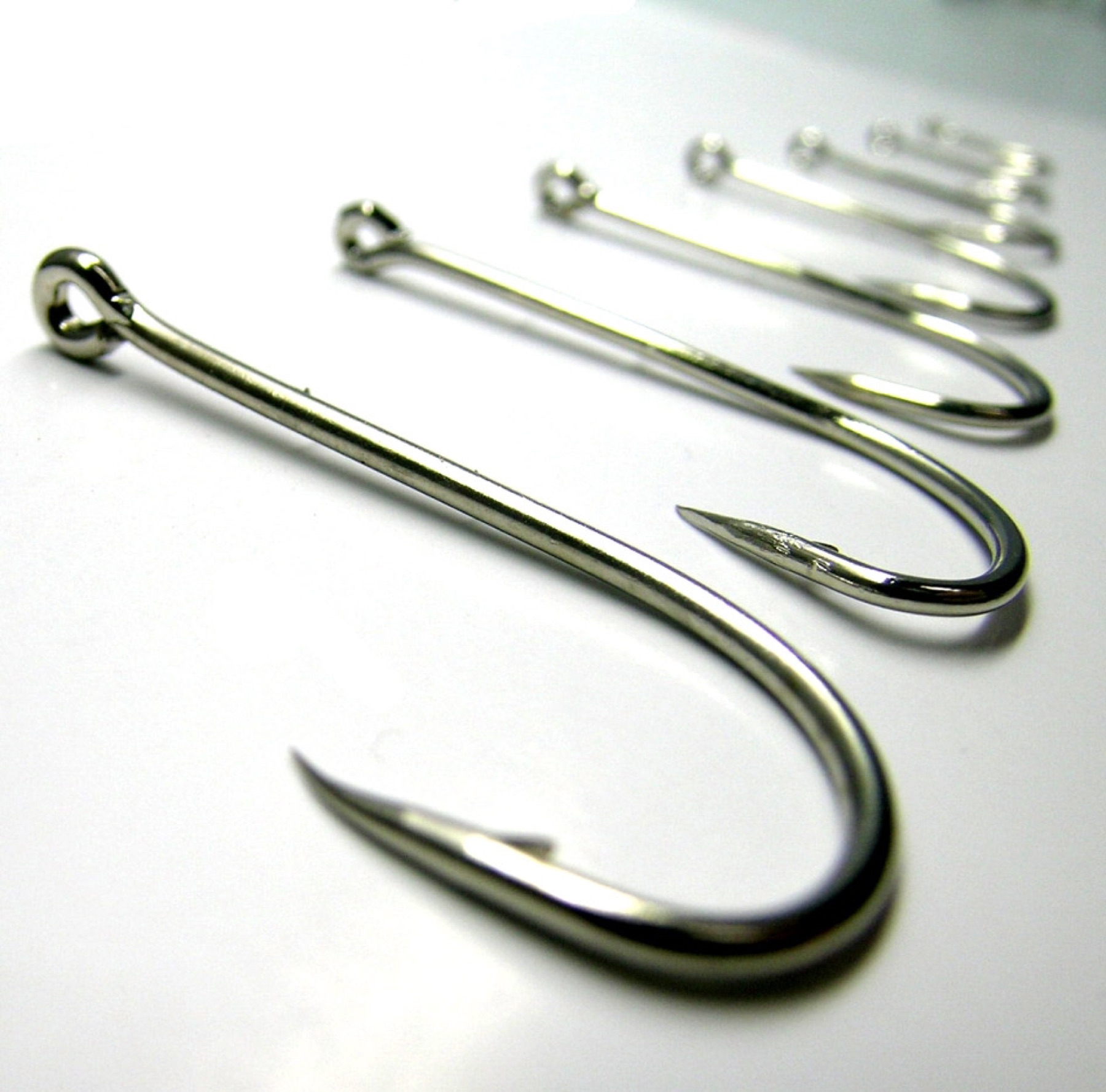
Wholesale fishing hooks are a different game. Here you’re usually buying:
- Established patterns in bulk (treble, single, circle, jig, octopus, bait holder)
- Standard sizes and finishes rather than custom tweaks
- Carton or bag quantities for resale or guide operations
Tackle‑focused wholesalers such as Fjord or Florida Tackle Supply sell bulk hooks alongside terminal tackle. They’re geared to retailers, guides and charter operations who want predictable stock and don’t need a proprietary design.
There’s also a middle layer of wholesale platforms like 1LURE that aggregate multiple fishing‑tackle products (hooks, lures, jigs, accessories). These can simplify ordering if you’re building a wider assortment and don’t want to manage dozens of small suppliers.
From a U.S. buyer perspective, the global hook supply chain looks roughly like this:
- Asia‑based OEM hook factories (private‑label, custom specs)
- Tackle wholesalers sourcing from those factories and stocking assortments
- Aggregator platforms focused on fishing tackle
- Broad marketplaces (DHgate, Alibaba, etc.) where some of the same factories and traders list inventory
Your job is to decide which layer matches your volume, customization need, and risk tolerance.
Choosing and Vetting Cross-Border Fishing Hook Suppliers
If you’re going to trust your brand to a cross‑border hook supplier, treat hooks as a technical product, not a generic metal part.
1. Specialization and product focus
Look for clear evidence that hooks are a core business, not a side category.
- Does the site or listing feature multiple hook patterns (treble, circle, jig, long shank), or just a few generic models?
- Do they discuss materials, sharpening, and coatings in detail (like Hari Hook’s OEM page), or just list sizes and prices?
- Are hooks highlighted as OEM work (as on AXIS HOOK) rather than buried under “general hardware”?
A supplier that treats hooks as an engineered component is more likely to maintain consistent wire hardness, tempering, and sharpness — the things your customers actually feel.
2. Materials, finish and corrosion resistance
For cross‑border buying, you can’t inspect every batch, so you need the supplier to specify:
- Base material (high‑carbon vs stainless steel)
- Plating/coating type (e.g., black nickel for bass, tin/bronze for saltwater and live bait)
- Target use (freshwater, inshore saltwater, offshore)
Wholesalers like Florida Tackle Supply often categorize hooks by technique and environment. Use that as a reference point: if a cross‑border supplier can’t give at least that level of detail, treat it as a red flag.
3. OEM capability and sampling patterns
For custom hooks, you’re looking for an OEM process:
- Ability to work from CAD or physical samples
- Iterative sampling (prototype → small test batch → production)
- Willingness to tweak wire gauge, gap, and point style between samples
Specialist OEMs such as Hari Hook describe OEM/ODM services, which hints at this capability, but you still need to confirm it in writing. Budget for paid samples and expect a few rounds before locking a design.
4. References, consistency and small test orders
Wholesale tackle platforms like 1LURE aggregate multiple brands, which can make consistency checks easier: you can see if a hook brand appears across multiple outlets. With individual factories or marketplace sellers, you need your own evidence:
- Order small but representative quantities (e.g., several sizes of the same pattern)
- Inspect for point sharpness, barb uniformity, eye closure and plating defects
- Fish them yourself or get feedback from trusted customers/guides
Repeat the test 6-12 months later to see if quality drifts once the first order is out of the way.
5. Communication and red flags
Concrete things to watch for:
- Vague answers on tempering or hardness (“strong enough” without numbers or process)
- Inability to state where hooks are actually made
- Pressure to skip sampling and jump straight to large orders
- Photos that don’t match received samples in finish or shape
If a supplier can’t clearly explain the hook’s intended use, material, and production process, they’re not a good fit for a small U.S. brand that lives on repeat business.
Where DHgate and Other Channels Fit for Hook Sourcing
You have several realistic sourcing channels for custom and wholesale hooks. Each suits a different stage of your business.
Here’s a compact view:
| Channel type | Best for | Typical strengths | Typical risks |
|---|---|---|---|
| Dedicated OEM hook factory (e.g., Hari Hook, AXIS HOOK) | Custom patterns, private‑label hooks | Deep hook specialization, OEM/ODM support, repeatable specs | Higher MOQs, more setup work, relationship‑driven |
| Tackle wholesaler (e.g., Fjord, Florida Tackle Supply) | Stocking proven patterns for resale | Curated assortments, technique‑oriented catalog, predictable reorders | Less customization, some cross‑border freight complexity |
| Tackle aggregation platform (e.g., 1LURE) | Building a broader tackle assortment quickly | Multiple product types under one roof, fishing‑specific focus | Mixed brand quality, need to vet each product line |
| Broad B2B marketplace (DHgate, Alibaba) | Testing small wholesale orders, finding factories/traders | Huge product range, competitive pricing, ability to buy low volumes from some sellers | Quality variance between sellers, more legwork on vetting and specs |
DHgate itself is a large China‑based cross‑border B2B marketplace connecting manufacturers and suppliers with buyers worldwide. Its own blog cites more than 22 million products and hundreds of thousands of suppliers, and highlights tiered wholesale pricing and the ability for small buyers to purchase single or bulk items at competitive prices.
For hooks, that scale cuts both ways:
- Positive: you can often place low‑volume test orders and explore different factories or trading companies without committing to container‑level quantities.
- Negative: DHgate is not a hook specialist. You must treat each seller as its own business — checking product descriptions, photos, communication quality, and sample results — instead of assuming platform‑wide standards.
In practice, many small U.S. buyers use broad marketplaces to:
- Discover candidate suppliers and place one or two small hook orders.
- Evaluate quality and reliability based on those tests.
- Either scale up through the marketplace or move to a more direct OEM/wholesale relationship once they know which factory is actually behind the listings.
If you go the DHgate route, combine the marketplace with a disciplined vetting process. The internal guides on finding wholesale suppliers on DHgate, finding DHgate suppliers, and choosing a DHgate wholesale supplier give you seller‑level checks you can apply specifically to hook listings.
For many small U.S. tackle businesses, a hybrid strategy works best: use broad marketplaces like DHgate or Alibaba for exploratory, low‑volume hook buying, then graduate to specialized OEM factories or tackle wholesalers for long‑term, brand‑critical stock once you know which suppliers actually deliver consistent quality.