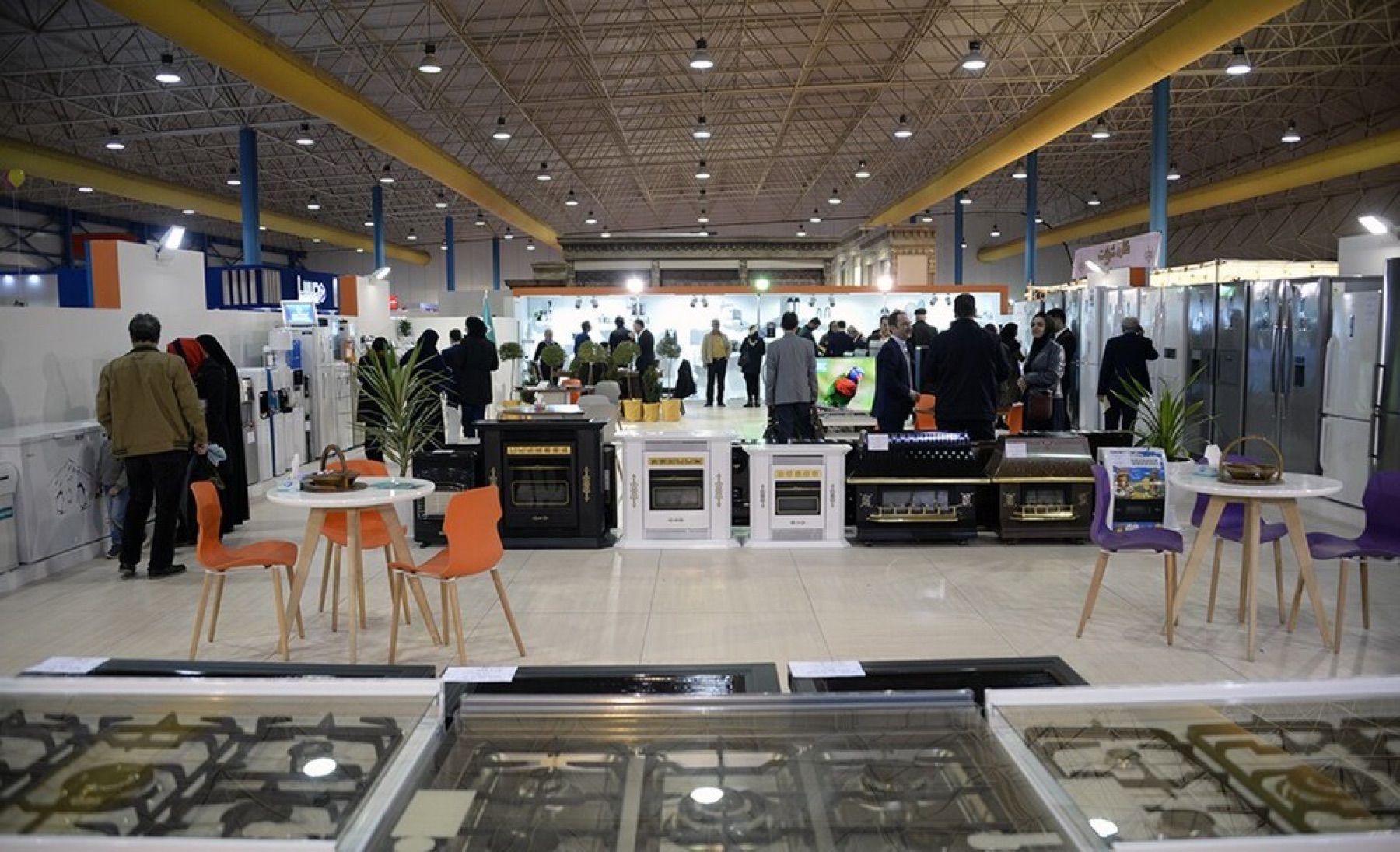
Wholesale kitchen and home appliances are bulk buys at discounted prices for resale or large-scale use. As a small US seller, your real decision is whether those units come from domestic distributors or cross-border marketplaces like DHgate. For DHgate, the workable path is to treat it as a large B2B marketplace: search for small appliances and home goods, vet individual sellers using ratings, reviews, transaction history and badges, request samples, then only commit to quantities where the total landed cost and repeat-order reliability beat your US options.
How Wholesale Kitchen and Home Appliances Work for Small US Sellers
In wholesale terms, kitchen and home appliances cover everything from blenders, kettles and food processors to microwaves, small refrigerators and basic home devices. Wholesale buying means you purchase in bulk at lower per-unit prices, typically for resale or use across multiple units in hospitality, rental housing or office kitchens. That framing comes through in definitions used by US distributors such as ASL, which describe wholesale kitchen and home supplies as bulk purchase and distribution for resale or large-scale use.
Most small US sellers plug into this ecosystem in three ways:
- Domestic distributors and liquidators. Sites like Ambar Distributors and Elite Kitchen Supply focus on appliances and kitchen equipment, often carrying brand-name goods with US power standards and clear warranty channels.
- Wholesale pallets and discount outlets. Liquidation-style sellers mix kitchen and home appliances into pallets or truckloads. Margins can be strong, but SKU control is lower.
- Cross-border marketplaces. Platforms that connect China-based manufacturers and wholesalers with global buyers allow you to source unbranded or house-brand appliances at aggressive pricing if you manage quality and logistics carefully.
For a small ecommerce store, the split often looks like this: domestic distributors for recognizable brands and high-liability items (large white goods, complex electronics), and cross-border marketplaces for low- to mid-ticket small appliances where you can live with longer lead times and do your own QC.
Choosing and Vetting Appliance Suppliers Across Borders
With appliances, supplier choice isn’t just about price. You’re dealing with electrical standards, safety, and a relatively high damage risk. That makes your vetting process specific and a bit stricter than for simple decor.
On DHgate, you’re working inside a B2B marketplace that connects China suppliers and manufacturers with global buyers. Blog descriptions of the platform highlight millions of products across many categories and a focus on wholesale-friendly commerce. For you, the useful part is the seller-level evidence you can actually check:
- Ratings and reviews. Look for patterns over time, not just a single score. For kitchen appliances, scan reviews for mentions of overheating, plug type, packaging quality and DOA rates.
- Transaction history. Higher-volume sellers have more data points. Long activity history on similar appliance SKUs is a plus.
Then add appliance-specific checks that cross any marketplace:
- Compatibility: Ask directly about voltage (should be 110-120V for US use), plug type (US/NEMA vs EU/UK), and safety testing (e.g., any recognized certification marks).
- Materials and build: Request photos or short video that show cord thickness, housing materials, and controls. Cheap plastics on heat-generating devices are a red flag.
- Spare parts and instructions: Confirm whether the supplier provides English manuals and replacement parts for simple failures.
A practical sequence before you commit:
- Shortlist 3-5 suppliers per product using search filters and category browsing on DHgate or an alternative marketplace.
- Message each supplier with a concise spec sheet: target voltage, plug, materials, packaging needs, and your initial quantity range.
- Request samples through the marketplace flow highlighted in DHgate’s own ecommerce guides: one or two units shipped to you so you can test performance, inspect labeling, and weigh packaging.
- Stress-test communication. How fast and clearly they respond during sampling is often how they’ll behave when something goes wrong.
If a supplier won’t provide samples or clear answers on voltage and safety, treat that as a hard stop for appliances.

Pricing, MOQs, Logistics and Where DHgate Fits
For kitchen and home appliances, your economics revolve around MOQ (minimum order quantity), tiered pricing, and the full landed cost of getting goods to your warehouse.
How MOQs and pricing usually look
Small appliances generally come with moderate MOQs from manufacturers but marketplaces can soften that. DHgate’s own blog content points out two useful patterns:
- Buyers can often purchase small quantities, sometimes even one or a few units per listing.
- Many sellers use tiered pricing, where the per-unit price drops at higher quantity bands.
That structure is helpful if you’re testing a new product and don’t want to jump straight to a full pallet. You pay more per unit at low quantities but save cash flow and storage.
Here’s how DHgate, domestic distributors and Alibaba-style platforms typically compare on the key decision points (editorial judgment, based on the sources cited above):
| Channel type | Typical MOQ & pricing | Brand mix & suitability | Best use case for a small US seller |
|---|---|---|---|
| Cross-border multi-seller-style B2B marketplace | Often low MOQs; tiered unit pricing | Mostly China-made, including OEM/house brands | Testing or scaling small appliances with custom branding, if you can handle cross-border logistics |
| US appliance distributors | Higher MOQs or case packs; flatter pricing per unit | Branded, US-standard appliances | Stocking known brands for retail or service businesses needing clear warranties |
| Alibaba-style platforms | Often higher MOQs direct from factories; tiered pricing | Broad mix of factories and intermediaries | Larger, more committed orders when you’re ready to work factory-direct |
On DHgate, you can use the marketplace’s search filters, ratings and badges to narrow the field, then negotiate within the tiered pricing bands. Remember that wholesalers on DHgate set their own prices, so you should treat every listing as negotiable only to the extent the seller is willing.
- Unit price at your chosen tier
- Import duties, customs brokerage, and inland freight to your warehouse
DHgate’s blog positioning emphasizes that many sellers are manufacturers or wholesalers, potentially reducing middlemen layers. In practice, that can translate into competitive ex-factory pricing on home appliances, especially unbranded ones.
DHgate is usually a better fit if:
- You’re focused on small kitchen appliances (e.g., kettles, blenders, food prep tools) rather than major white goods.
- You want OEM-style or house-brand products, and you’re ready to manage labeling and compliance on your side.
Domestic US distributors make more sense when:
- You need major appliances or top consumer brands.
- Your buyers expect quick restock cycles and you don’t want the variability of cross-border freight.
If you decide DHgate is worth testing, consider starting with a narrow product set and using it in parallel with domestic sourcing. Guides like Find wholesale suppliers on DHgate, Find DHgate suppliers, and Choose a DHgate wholesale supplier can help you structure that search and vetting process.