
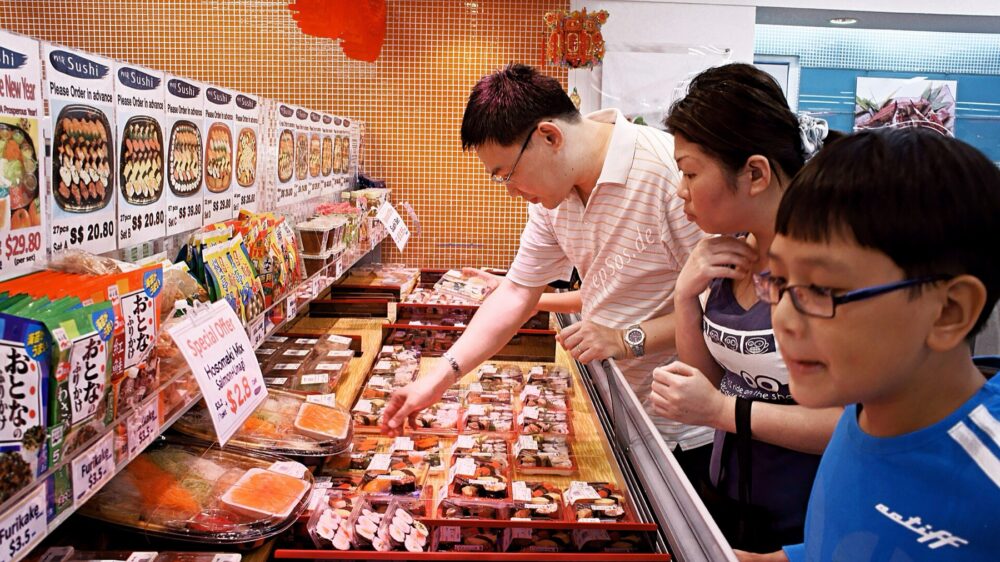
China’s online shopping and wholesale market gives U.S. small ecommerce businesses huge variety and often aggressive pricing, but it also adds real risk around quality, delays, and miscommunication. You can source through big marketplaces like DHgate, Alibaba, and Made-in-China, or through physical hubs such as Yiwu and Guangzhou wholesale markets via agents. DHgate, in particular, is built for connecting global buyers with Chinese manufacturers and suppliers at wholesale and even small-batch levels, but it’s not automatically the best fit for every product or order size.
This guide keeps the focus on how a U.S. small business can use DHgate as a practical sourcing channel: choosing products, vetting sellers, dealing with MOQs and samples, estimating total landed cost, and planning reorders. Along the way, you’ll see where other Chinese channels are a better match.
How China’s Online Shopping and Wholesale Market Actually Works
From the perspective of a U.S. Shopify or Amazon seller, “China wholesale” is really two overlapping worlds:
- Online marketplaces, where you search and negotiate from your laptop.
- Offline wholesale markets and factories, which often feed those online listings.
Guides for international buyers describe China’s online ecosystem as spanning large consumer platforms (Taobao, Tmall, JD), cross-border sites, and B2B marketplaces used by small and large buyers alike.China online shopping guide This ecosystem is tightly integrated into the global supply chain and is known for wide product variety and competitive pricing for both single-piece and bulk purchases.
On the physical side, wholesale market guides point to hubs such as Yiwu and Guangzhou:Yiwu wholesale market overview and China wholesale market guide
- Yiwu specializes in low-cost small commodities: accessories, toys, stationery, household items, and thousands of similar SKUs. Many stalls there either are factories or buy directly from factories, and their products then appear on online marketplaces.
- Guangzhou is a key city for fashion, bags, shoes, and related categories, again often feeding inventory into online platforms or supporting custom orders.
For a U.S. seller ordering cartons or small pallets, you basically have three structural options:
- Pure online sourcing (DHgate, Alibaba, Made-in-China, etc.). Best when you can work from photos/specs, your product is relatively simple, and your budget doesn’t justify travel.
- Agent + market floor (Yiwu, Guangzhou). You hire a sourcing agent who visits markets, finds suppliers, inspects samples, and manages consolidation and shipping. Better fit when you want broad assortment from many stalls (e.g., gift shop, dollar-store style inventory).
- Direct factory sourcing (often via Alibaba or contacts from markets). Best when you have higher volume or need custom manufacturing.
DHgate sits in the first group: it’s a China-founded B2B marketplace connecting Chinese manufacturers and suppliers with global buyers for wholesale and dropship orders. DHgate’s own editorial material reports tens of millions of product listings and hundreds of thousands of suppliers serving buyers in more than 200 countries or regions. That scale matters if you’re hunting for variety and small wholesale quantities.
Choosing and Managing Chinese Suppliers: Marketplace vs. Market Floor
Whether you’re using DHgate or walking Yiwu with an agent, your job is to separate serious suppliers from risky ones. The signals and trade-offs are different online vs. offline.
What to look for in marketplace suppliers
On platforms like DHgate, you’re usually dealing with one of three supplier types: factories, trading companies, or small wholesalers. DHgate’s blog describes the platform as a B2B marketplace where China-based manufacturers and suppliers list products across dozens of categories for global buyers.DHgate overview As a buyer, you can’t assume you’re talking directly to a factory unless the seller clarifies it.
Concrete things to examine per listing and supplier:
- Product focus. Does the seller specialize (e.g., only phone cases, only hair extensions), or sell a random mix of unrelated items? Specialists are more likely to have stable quality and stock.
- Listing consistency. Do photos look original or obviously copied from brands? Are titles and specs coherent across SKUs? Inconsistent specs are a red flag for fulfillment errors.
- MOQ and price steps. DHgate’s own editorial content emphasizes that many suppliers accept low MOQs, sometimes down to small wholesale orders or single units.DHgate clothing sourcing article However, each seller sets their own MOQ—some will want 10, 50, or 100 units. You need to confirm the MOQ in the listing and, if necessary, negotiate.
- Communication quality. Before paying, ask specific questions: materials, packaging, whether they can print barcodes, lead time to ship. The clarity and speed of answers are as important as the answers themselves.
Because platform-wide protections aren’t covered by the evidence we have, treat every supplier interaction as if you have to protect yourself: store written confirmations in the chat, keep your product specs in a separate document, and avoid paying outside official checkout flows.
Evaluating suppliers through wholesale markets and agents
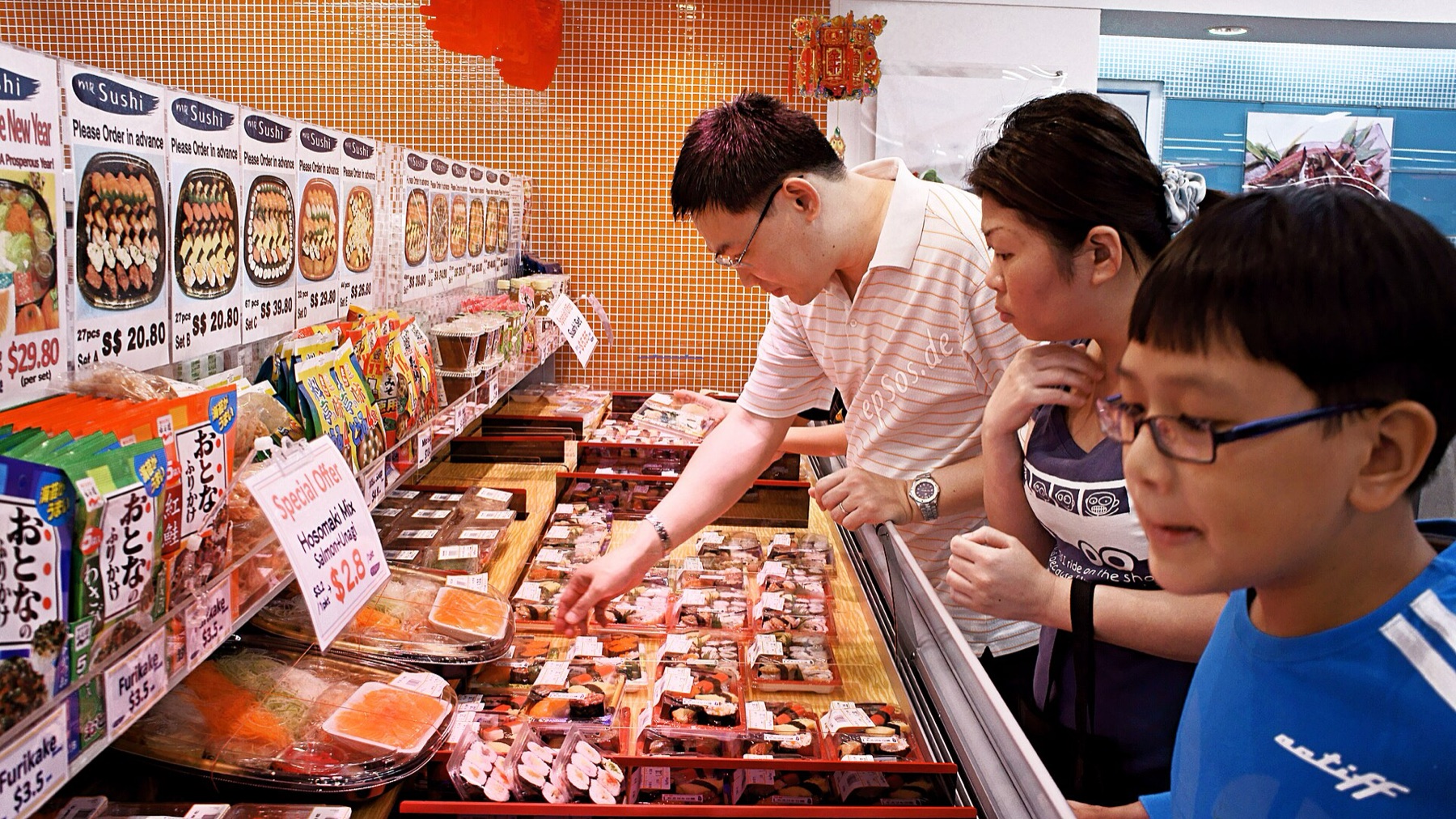
Guides to China’s wholesale markets describe Yiwu and Guangzhou as dense clusters of thousands of stalls, each representing a factory or trading company.China wholesale market guide Working through an agent on the market floor gives you different advantages:
- You can touch and test samples (zippers, stitching, plastic hardness) before committing.
- You see production breadth in real time: a stall with 500 similar toys likely controls—or closely works with—a factory.
- You can often mix SKUs in one order more flexibly than some online listings allow.
Trade-offs:
- Agents add fees, and they may steer you toward their preferred suppliers.
- Communication chains are longer (you → agent → stall → factory).
- It’s less practical if you only need a narrow product line where online marketplaces already offer what you want.
A quick view of online vs. market/agent sourcing
| Channel type | Best for | Typical MOQ expectations* | Main upside for U.S. small sellers |
|---|---|---|---|
| DHgate / similar B2B site | Simple, existing SKUs; testing small batches | Often low; sometimes even small or single-unit orders, per DHgate blog claims | Easy remote sourcing; wide variety |
| Alibaba / Made-in-China | Higher volume, custom or OEM manufacturing | Medium to high; more factory-style MOQs | Better for custom specs and long-term contracts |
| Yiwu / Guangzhou via agent | Assorted small commodities or fashion from many stalls | Varies by stall; often negotiable on the floor | Hands-on quality check; assortment from one trip |
*These are editorial generalizations based on sourcing guides and DHgate’s own positioning, not fixed rules. Always confirm per supplier.
For a small U.S. ecommerce business, DHgate is often most attractive when you want to:
- Validate a product line cheaply with small orders.
- Access Chinese suppliers without traveling or hiring a full-service agent.
But if you’re building a heavily customized product or planning pallet-level purchases, platforms or channels geared to larger-volume manufacturing may serve you better.
Building a DHgate-Centered Sourcing Plan: MOQ, Pricing, Logistics and Reorders
If you decide DHgate is your main China channel, you need a repeatable workflow rather than one-off experimentation. The good news: DHgate’s own editorial claims that the platform hosts tens of millions of products and large numbers of suppliers, with many offering low MOQs.DHgate marketplace overview That gives you room to test.
Here’s a practical structure, framed for a U.S. Shopify seller sourcing a simple product line—say, silicone kitchen tools.
1. Define your product spec and search smart
Write down non-negotiables: material grade, size, color options, packaging requirements, and any compliance marks you need (e.g., food-contact). Use these as filters when you search on DHgate.
Then, narrow by:
- Sellers that clearly focus on kitchenware or household goods.
- Listings that show multiple angles and consistent specs.
Internal DHgateWiki guides like Find wholesale suppliers on DHgate and Find DHgate suppliers go deeper on search tactics, but the key is to avoid random, catch-all storefronts.
2. Use DHgate’s low-MOQ positioning to sample intelligently
- Aim for 2-4 candidate suppliers per product and order their minimum quantity (or slightly above) as test batches.
- Check real samples for: material feel, smell (important for silicone or plastics), color consistency, packaging quality, and labeling.
If a seller insists on a high MOQ upfront and you’re still validating the product, that’s often a sign to move on to another DHgate listing rather than stretch your risk budget.
3. Build a total landed cost estimate
- Unit product price: $1.20
- Ordered quantity: 100 units
- Product subtotal: $120
- Estimated international shipping (seller quote): $60
- Estimated customs/duties and import fees: $35 (from your carrier or broker’s calculator)
- Misc. costs (packaging upgrades, labels): $15
Total landed cost: $230 → $2.30 per unit
You can then compare that $2.30 to your target resale price and margin. For reorders, ask each supplier how costs change at 300, 500, or 1,000 units so you can map out when to scale up.
4. Decide when DHgate vs. Alibaba/offline wins
Once you’ve run one or two test cycles, you’ll have data on quality, communication, and cost. Use it to decide your ongoing channel:
- Stay on DHgate if you’re ordering in relatively small lots, your product is not highly customized, and you value being able to switch suppliers by browsing new listings.
- Shift to higher-volume platforms (e.g., Alibaba, Made-in-China) if you’re ready to commit to large MOQs, need custom molds or branding baked into production, or want long-term factory contracts.
- Engage markets/agents (Yiwu, Guangzhou) if your business model depends on sourcing hundreds of different small SKUs, and online browsing no longer gives enough tactile information or assortment control.
For DHgate-specific supplier selection, Choose a DHgate wholesale supplier offers more criteria, but the core decision is simple: DHgate is usually a fit for low-to-medium volume, relatively standard products where you value variety and low MOQs more than deep customization.
If your sourcing plan doesn’t match that profile—say you’re launching a heavily engineered device or ordering full containers—treat DHgate as a research tool for ideas and rough pricing, then move your serious negotiations to channels designed for large-scale manufacturing or in-person market work.