
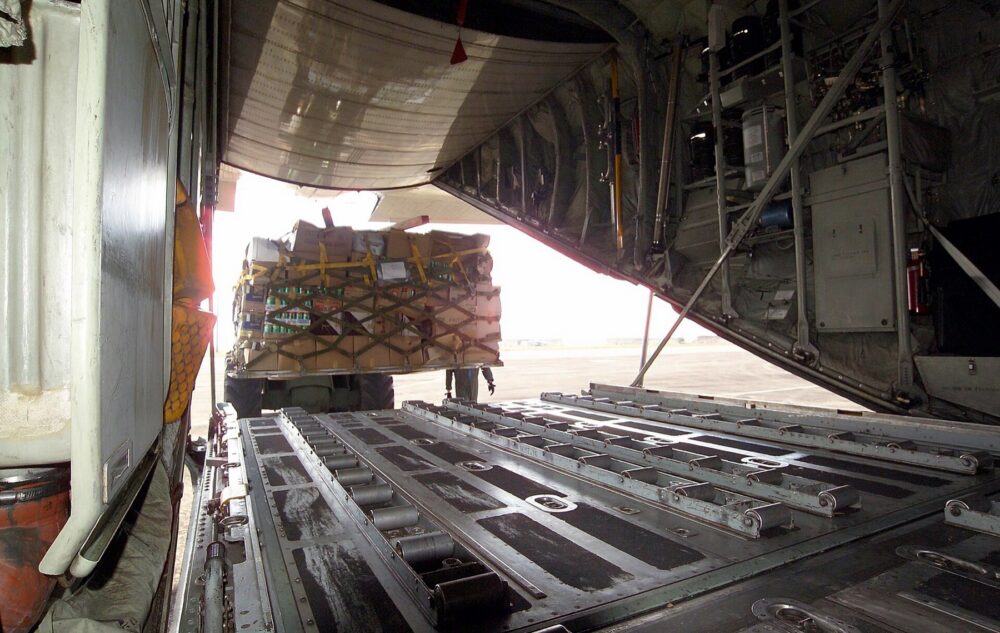
Wholesale pet food pallets are bulk loads of dog and cat food, usually shrink‑wrapped on a wood pallet and sold either by primary distributors or liquidation sellers. They can work for margin‑focused resellers that understand expiry dates, storage, and variable assortments. For consumable pet food, US distributors and domestic pallets are usually safer than cross‑border options. DHgate can play a role, but its real strength is in non‑food pet supplies (toys, accessories, grooming tools) rather than the food itself.
How Wholesale Pet Food Pallets Work in the US Market
In the US, most small buyers see pet food pallets through two channels: primary distributors and liquidation sellers.
Primary distributors buy directly from brands or large manufacturers and resell to stores by the case or pallet. For example, national pet distributors and regional wholesalers sell standard, current‑date inventory in specific SKUs and flavors. You’re basically buying the same stock a bigger retailer would, just at smaller scale and usually at lower risk.
Liquidation sellers sit downstream. They buy truckloads of overstock, short‑dated items, and customer returns from big-box chains, grocery chains, or distributors, then break them into pallets aimed at resellers. Sites like LargoPallets’ pet food pallet listings and Bulk Liquidation Pallets US advertise mixed-brand pallets sourced from overstock and returns. The mix can range from value kibble to premium cans, and the condition can vary.
Some liquidation sellers even focus on single-brand loads. For instance, Express Pallet Hub promotes Pedigree-branded dog food pallets, which is closer to what you’d expect from a distributor—just with more variability in condition and dates.
Margin dynamics reflect this:
- Distributor pallets: tighter margins but predictable assortments and dates, suitable for building a repeatable retail assortment.
- Liquidation pallets: lower buy cost and potentially higher margins, but more labor, more waste, and real risk of unusable or unsellable product.
For a small US pet store, primary distributors usually anchor your core assortment, while liquidation pallets are an opportunistic add-on (e.g., discount table, short runs on promo items).
Choosing and Vetting Pet Food Pallet Suppliers
Because you’re dealing with consumable products, vetting pallet suppliers is more demanding than buying toys or bowls. You’re protecting animals, your reputation, and potentially your license or insurance.
Think in terms of a tight checklist.
1. Demand a usable manifest For liquidation pallets, you want at least:
- Brand names and product types (dog kibble, canned cat food, treats).
- Estimated case counts per brand/SKU.
- Condition grading (new, overstock, returns, damaged packaging).
Sellers such as CH Liquidators’ pet food pallets and United Stock Liquidation’s pet food pallets typically describe pallets as mixed-brand, overstock and returns. Treat those descriptions as starting points, not guarantees—compare wording across multiple sites to see how specific they get.
2. Treat expiry and storage as non‑negotiable Ask directly:
- Average remaining shelf life on the load.
- Whether expired products are included at all.
- How pallets have been stored (climate-controlled warehouse vs general liquidation space).
Short‑dated food can be fine for a clearance bin if you have high traffic and are transparent with customers. It’s a poor fit for slow-moving ecommerce.
3. Start small and local where possible If you’re new to pallets, favor nearby sellers so you can:
- Inspect a pallet in person.
- Confirm that “damaged packaging” doesn’t mean torn bags or compromised seals.
- Understand typical mix and condition before committing to regular truckloads.
This matters most for liquidation sources like WholesalePalletLoads’ pet food pallets, which may change composition frequently.
4. Clarify what happens to unusable product Many liquidation deals are explicitly “no returns,” but you still want clarity on:
- Whether obviously unsafe items (opened cans, torn bags with exposure) are common.
- Whether the seller removes recalled or visibly infested product from loads.
If their answers are vague, downgrade your expected yield and assume you’ll discard a chunk of the pallet.
5. Match the pallet to your sales channel Two quick scenarios:
- Brick-and-mortar pet store: You can move mixed-brand pallets if you segment them clearly: regular assortments from distributors, separate clearance section for liquidation items. Staff can explain short-dated deals face-to-face.
- Ecommerce reseller: Pallets only make sense if you have a narrow, repeatable assortment. Single-brand pallets (like Pedigree-only loads) are easier to list, store, and photograph consistently than a hodgepodge of one-off SKUs.
If you’re planning to cross‑border source, add another layer of questions around labeling compliance, language, and US feeding guidelines—especially for food rather than accessories.
Comparing Channels and Where DHgate Fits for Pet Food and Supplies
Once you understand how pallets work, the main decision is which channel to use for which part of your assortment. Pet food and non‑food supplies don’t always belong in the same sourcing bucket.
Here’s a compact way to think about it:
| Channel type | Best for | Typical pros | Key risks for small buyers |
|---|---|---|---|
| US primary distributors | Core dog/cat food, premium brands | Predictable SKUs, clear dates, brand support | Higher buy cost, MOQs, account setup needed |
| US liquidation pet food pallets | Clearance bins, opportunistic deals | Low cost per unit, potential high margin | Expiry, mixed/odd assortments, no returns |
| Cross‑border marketplaces (Cross-border multi-seller, Alibaba) | Non‑food pet supplies (toys, leashes, grooming tools) | Vast assortment, direct from factories, competitive pricing | Quality variance, long lead times, import complexity for food |
| HKTDC and similar trade portals | Branded or regional pet food for reselling | Access to overseas manufacturers & distributors | Regulatory/labeling alignment, logistics load |
DHgate, based on its own editorial, positions itself as a wholesale marketplace connecting buyers to Chinese suppliers with access to OEM factories and competitive pricing across many categories, including pet supplies (DHgate’s wholesale overview). Its pet supplies content highlights a wide selection of toys, apparel, grooming tools, and accessories, and notes that buyers can compare multiple brands and products in one place (DHgate pet supplies guide).
From a buyer-first perspective, that makes DHgate most useful for:
- Non‑food inventory: collars, leashes, harnesses, toys, grooming tools, pet beds—things you can store indefinitely and where design and price matter more than expiry.
- Private-label or custom accessories: products where OEM factory access could let you add logos or tweak designs.
For consumable pet food, DHgate is more complicated:
- You’ll need to scrutinize listings for clear ingredient lists, manufacturing dates, and compliance with US pet food norms.
Because current policy evidence isn’t available, you should treat DHgate as a marketplace where each seller and listing must be evaluated individually. When browsing DHgate for any pet product, use the same core actions you’d use elsewhere: read product descriptions carefully, look at seller ratings, review buyer feedback, and ask direct questions about composition, packaging, and production dates.
In many realistic setups, a hybrid approach works best:
- Use US distributors for the bulk of your dog and cat food.
- Layer in US liquidation pallets for discount promos and local deals once you understand a seller’s typical quality.
- Use marketplaces like DHgate to build out your accessory and grooming categories, where variety and OEM access help more than strict shelf-life control.
If your business model is heavily food-driven and you don’t have experience with cross‑border compliance, focus your experimentation on pallets and distributors first, and treat cross‑border food sourcing as a later, higher‑risk project.
For deeper marketplace-specific tactics—like how to evaluate DHgate sellers or structure your first wholesale order—you can branch into guides focused on that side of the decision, such as find wholesale suppliers on DHgate, find DHgate suppliers, and choose a DHgate wholesale supplier.