
Yes, there are plenty of wholesale options for craft embellishments and scrapbooking decor. For a US craft or ecommerce business, DHgate can be one useful marketplace because it connects buyers directly with Chinese suppliers, often with low or no minimum order quantities (MOQs) and tiered pricing where larger orders get lower per-unit cost. But it should sit alongside other routes like Alibaba, Made-in-China, and domestic wholesalers in your sourcing mix. You’ll want to vet each seller, order samples, and run a landed-cost calculation before you stake your store’s inventory on any one supplier.
This guide focuses on how the embellishment supply chain works, how to evaluate cross-border suppliers, and then where DHgate realistically fits for bulk buying.
How Wholesale Craft Embellishments and Scrapbooking Decor Are Produced and Sold
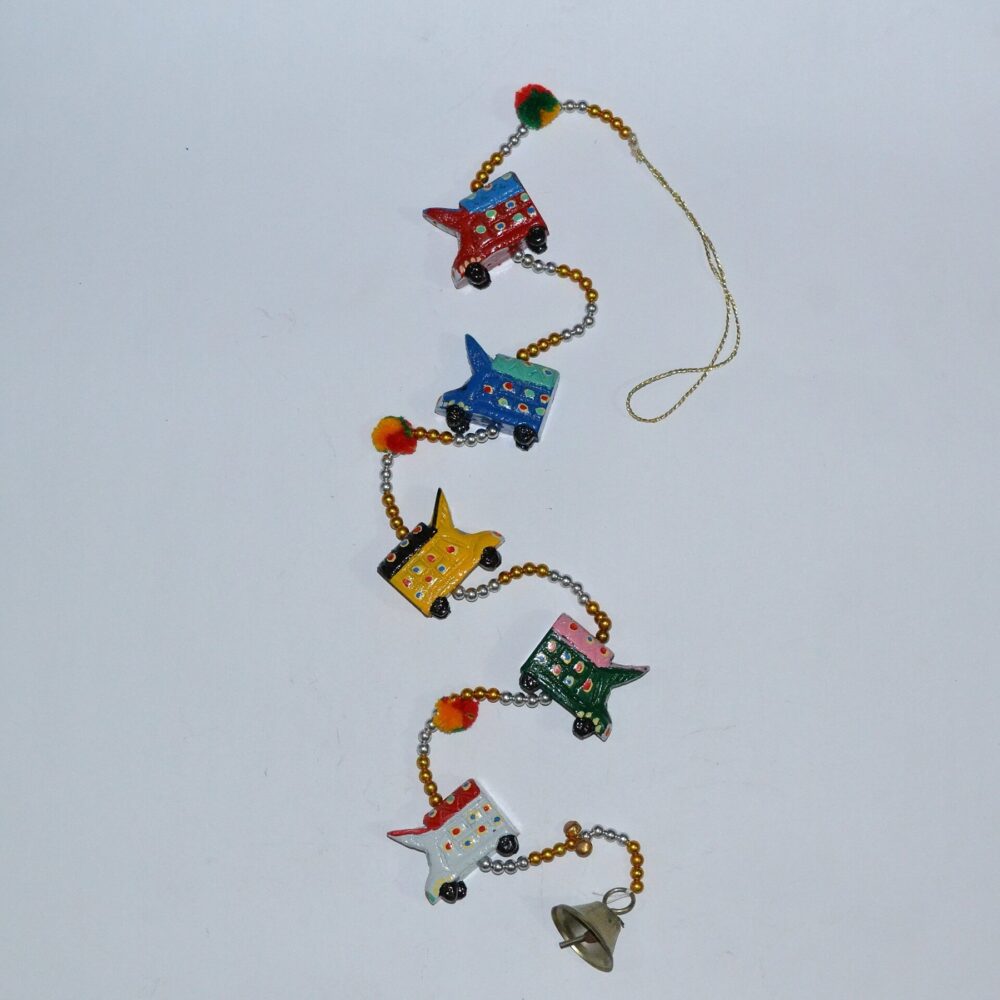
Craft embellishments and scrapbooking decor are the decorative pieces you add to paper crafts: stickers, rub-ons, brads, metal charms, die-cuts, decorative tapes like washi, enamel dots, sequins, buttons, chipboard shapes, and more. Retail sites such as Scrapbook.com’s embellishments category illustrate the range: flat paper pieces, dimensional hardware (brads, charms), and mixed-media textures that turn a simple page into a layered design.
Most of these items are mass-produced in factories that specialize in a material or process:
- Sticker and rub-on manufacturers (paper, vinyl, foils)
- Metal hardware and charms factories
- Ribbon, lace, and textile trim mills
- Plastic and resin casting plants (cabochons, buttons)
Many are located in China and other Asian manufacturing hubs, which is why cross-border marketplaces are so relevant. The typical supply chain looks like:
- Factory or OEM producer – Makes core embellishment components, often unbranded.
- Trading companies / consolidators – Bundle multiple factory outputs into themed packs or assortments.
- Wholesalers / distributors – Sell cartons or cases to retailers and online sellers.
- Marketplaces – Platforms like DHgate, Alibaba, or Made-in-China where factories and traders list these products directly for global buyers.
For a small US business, you’ll often be buying from a trading company or small factory via a marketplace. Retail craft brands you know may be ordering from similar factories but with custom designs and stricter quality control.
Selecting and Working with Cross-Border Embellishment Suppliers
Because embellishments are small, visual items, quality issues show up fast: misaligned printing, weak adhesive, dull metal plating, or off-theme colors. Your supplier workflow needs to be specific enough to catch these problems before a big shipment.
1. Use marketplace signals as a first filter
DHgate’s own editorial blog describes it as a B2B marketplace with millions of products and a large base of suppliers and buyers, where you can buy one piece or bulk quantities and often get wholesale discounts when you buy more. It also highlights tools like seller ratings, buyer feedback, and badges (for example, “top merchant”) as ways to judge a wholesaler’s track record.
For embellishments, that translates to:
- Look for high rating averages over many orders, not just a few reviews.
- Check feedback specifically mentioning color accuracy, adhesive strength, and packaging.
- Treat badges (“top merchant” etc.) as one data point about sales volume and history, not a guarantee.
On any marketplace, apply the same lens: you’re looking for evidence that this seller has shipped similar tiny, decorative items successfully, not just large textiles or electronics.
2. Communicate detailed requirements
DHgate’s DIY materials guide encourages buyers to message sellers to clarify product details or ask for customization, especially before buying in bulk. That advice is particularly relevant for embellishments.
At minimum, send a specification message covering:
- Material: paper weight (gsm), plastic type, metal plating (e.g., nickel-free if needed).
- Finish: gloss/matte, glitter type (chunky vs fine), protective coating.
- Adhesive: permanent vs repositionable, suitable surfaces (paper, fabric, etc.).
- Color control: Pantone or hex references for key colors if you care about brand matching.
- Packaging: how many pieces per card/bag, retail-ready vs bulk polybags.
Ask for clear photos or short videos of real stock, not just catalog renderings.
3. Insist on samples before bulk orders
DHgate’s boutique sourcing article suggests reviewing ratings and feedback, requesting samples before bulk orders, and communicating directly about product details as ways to check quality.
For embellishments, treat samples as a mini quality audit:
- Test adhesive on the same cardstock or album pages you sell.
- Check color consistency across pieces and between batches in the sample pack.
- Lightly bend or tug metal or plastic pieces; watch for flaking finishes.
- Evaluate packaging durability—will items arrive to you (and your customers) without bent corners or crushed cards?
If the seller won’t send samples or wants you to jump straight to a large MOQ, that’s a red flag for a small business.
4. Plan for repeat orders up front
Once you find a good embellishment supplier, your challenge becomes replenishment. Before your first bulk order, ask:
- How often do they change designs or discontinue SKUs?
- Can they hold or reproduce designs for you over time?
- What’s their typical lead time for repeating an order of the same embellishment pack?
Capture this in a simple supplier log. If a seller mainly trades in closeout stock or random assortments, they might be fine for flash sales, but risky as your core catalog.
Buying Embellishments Wholesale: Pricing, Logistics, and Where DHgate Fits
Understanding MOQs and tiered pricing
DHgate’s blog describes the platform as famous for not having a minimum order quantity requirement overall, and notes that you can in some cases buy only one or two items. It also explains that sellers often use tiered pricing where the unit price drops as you buy more.
Applied to embellishments:
- Some sellers may list small packs suitable for testing, with no strict MOQ.
- The same seller might offer carton-level pricing with a better per-pack cost.
On other channels like Alibaba or Made-in-China, trading companies more often expect higher MOQs (for example, thousands of pieces) but may be more open to custom designs or private-label packaging. Domestic wholesalers typically have lower MOQs but higher unit prices.
Example landed-cost thought process
Imagine a hypothetical order of 1,000 sticker sheets from a cross-border supplier. Your cost components are:
- Product cost per sheet at your volume tier
- International shipping (by weight/volume)
- Customs duties and brokerage
- Any domestic freight from port or warehouse to you
The math doesn’t have to be perfect; it just needs to be consistent so you can fairly judge channels.
Where DHgate is a good fit — and where it isn’t
DHgate positions itself in its blog as a bulk-wholesale friendly marketplace with many product categories, and highlights that bulky orders are sold at low prices and MOQs tend to be lower than on some other B2B sites.
For craft embellishments, DHgate is usually strongest in these scenarios:
- Small test runs for a new shop: You can often buy modest quantities at near-wholesale pricing, ideal if you’re still figuring out your aesthetic or customer preferences.
- Generic or trend-based decor: Items like non-branded washi tape, sequins, charms, and sticker assortments where visual novelty matters more than brand name.
- Budget-conscious inventory: If your store competes on price and you’re willing to curate and inspect quality yourself.
Other channels may be better when:
- You need custom-branded or licensed designs — Alibaba or Made-in-China are more commonly used for custom OEM work with larger MOQs.
- You want highly consistent, retail-ready stock and fast, predictable replenishment — domestic wholesalers and distributors often win here.
- Your brand is built on specific Western craft labels that have their own distribution network.
| Sourcing route | Best for embellishments that… | Typical trade-offs for a small US buyer |
|---|---|---|
| DHgate marketplace | Are generic, trend-driven, or budget-focused | Good price and flexible MOQs; more vetting and QC work on you |
| Alibaba / Made-in-China | Need custom artwork, shapes, or private-label packs | Access to OEM factories; often higher MOQs, more complex negotiation |
| US wholesalers/brands | Must match specific brand lines and ship quickly | Higher per-unit cost; simpler logistics, reliable branding |
DHgate can be one of your first sourcing experiments for embellishments because it supports both small and bulk buying, but you shouldn’t treat it as your only channel. Use it alongside domestic wholesalers and other B2B sites, and keep testing suppliers until you have 2-3 reliable sources per key embellishment category.
If you decide DHgate is worth exploring, you can go deeper on how to search and shortlist suppliers using DHgateWiki’s guides like Find wholesale suppliers on DHgate, Find DHgate suppliers, and Choose a DHgate wholesale supplier, then apply those workflows to the specific quirks of craft embellishments.