
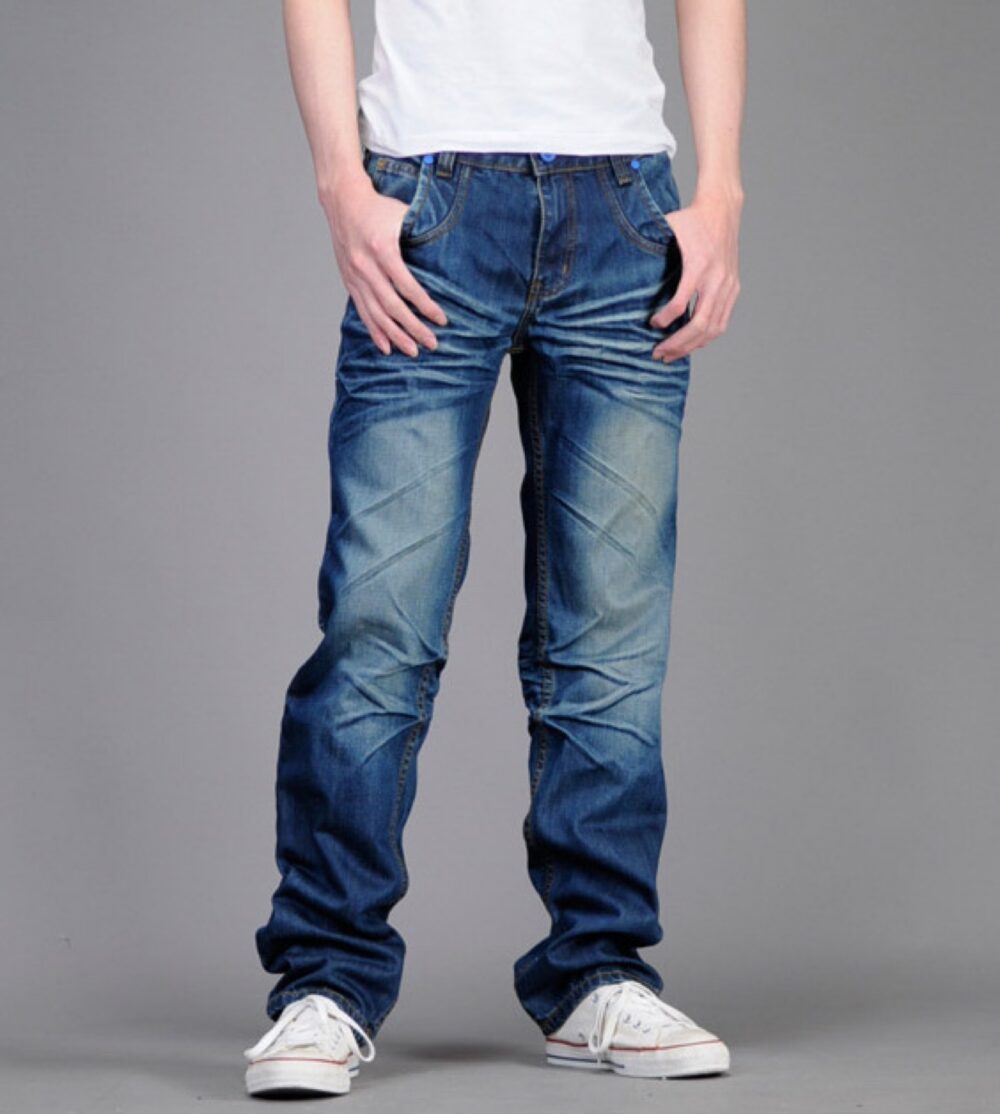
Jeans bundles and wholesale jeans are bulk denim buys sold at a discount compared with single pairs, usually aimed at resellers. For a small US business, they can be a fast way to test a denim category or stock a store—but the trade-off is variability in fit, wash, and brand. You can source these bundles from US pallet liquidators and domestic wholesalers, or cross-border through marketplaces like DHgate; whichever route you choose, your real job is vetting the supplier, running a landed-cost calculation, and proving you can repeat the order once it works.
On DHgate, that means using search filters, reading seller ratings and reviews carefully, confirming bulk pricing, and often ordering samples before committing to a larger lot. Domestic bundle sellers, by contrast, might offer more predictable branded pallets but higher minimums and fewer customization options. This guide walks through how jeans bundles and wholesale jeans work in practice, how to check suppliers across channels, and when DHgate realistically makes sense for your denim line.
How Jeans Bundles and Wholesale Jeans Work in Practice
A jeans bundle is typically a pre-packed lot of mixed denim—different brands, washes, and sizes—sold as a single unit. US suppliers show how this plays out: for example, some liquidation houses advertise “branded jeans pallets” with hundreds of pieces in assorted sizes, styles, and conditions aimed at resellers who can sort and sell individually.Wholesale pallet example pages make it clear you’re not buying a uniform SKU; you’re buying variety.
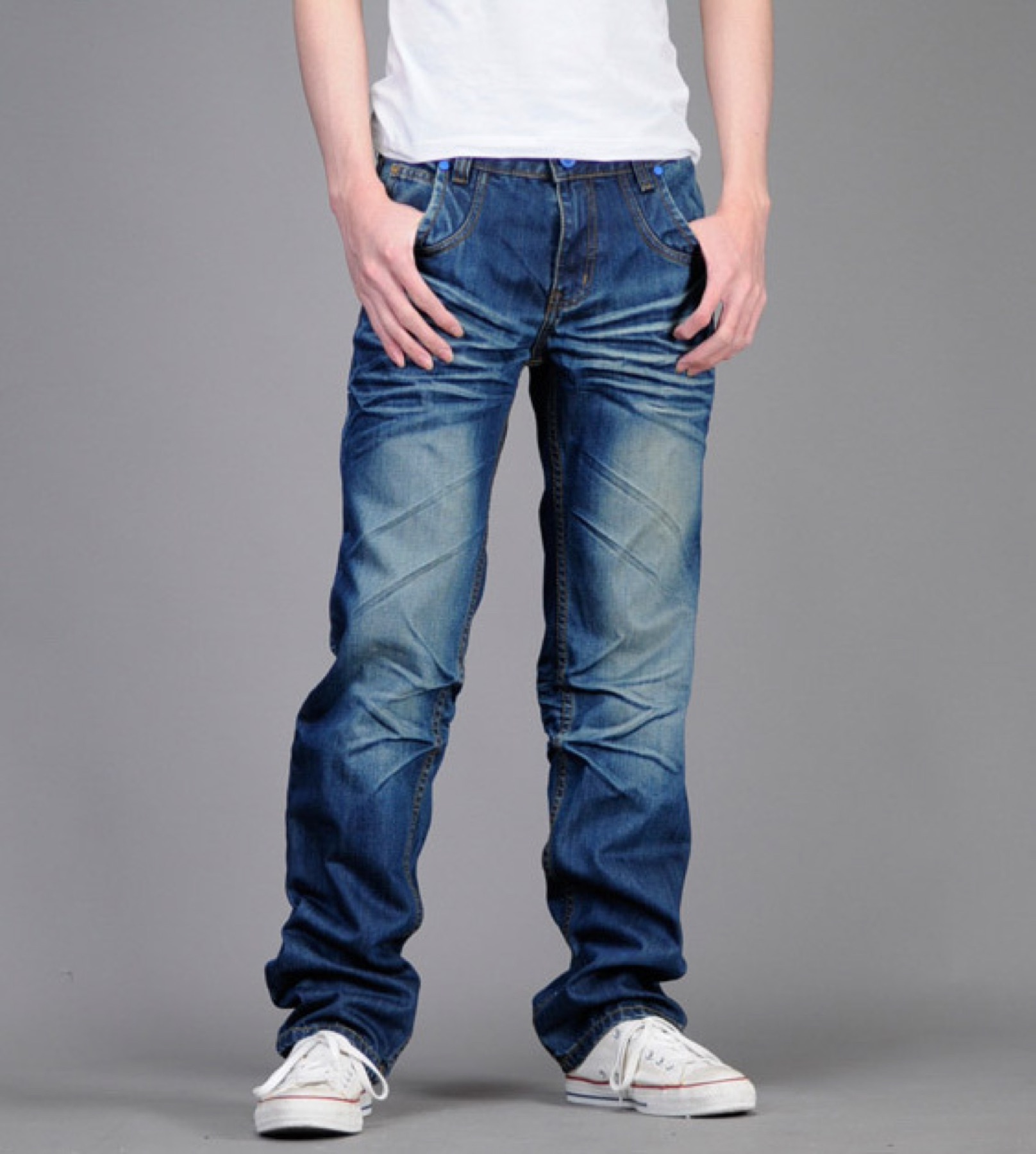
Wholesale jeans, in the stricter sense, are more standardized. A jeans manufacturer or brand wholesaler might offer specific models (say, one cut in a defined size run) in bulk. You pick styles and quantities rather than accept a mixed bundle. Many US-based denim wholesalers position themselves this way—offering line sheets of men’s and women’s jeans instead of surprise pallets.Fashion-focused wholesale sites show curated ranges of styles where you choose.
For a small reseller, bundles are usually best when:
- You sell on marketplaces where variety (and treasure-hunt appeal) matters.
- You’re willing to sort, grade, and possibly repair or discount pieces.
Standard wholesale makes more sense when:
- You have a clear brand and fit promise (e.g., a signature skinny or straight-leg jean).
- You want repeatable reorders in the same style, wash, and size runs.
Cross-border marketplaces like DHgate sit closer to the standardized wholesale side, but you’ll still find some listings that effectively function as bundles (mixed colors or random size packs) if you look at the fine print.
Choosing and Vetting Jeans Suppliers Across Channels
Whatever channel you use, jeans are unforgiving: poor fabric, bad fit, and inconsistent sizing show up immediately in returns and bad reviews. Your supplier checks need to be specific to denim, not just generic “good reputation” box-ticking.
On DHgate, the platform’s own jeans buying tips highlight:
- Check the seller: Look at ratings and written reviews, not just stars. You want buyers mentioning fabric feel, accurate sizing, and whether colors match photos.DHgate’s jeans buying guidance explicitly urges you to review this information.
- Check the size details: Size charts can vary by seller. For jeans, ask for waist, hip, rise, and inseam measurements in inches and compare them to a pair you know fits your target customer.
- Check the material: Denim weight, stretch percentage, and fiber content matter for durability and comfort. The blog suggests reading product descriptions closely for fabric information rather than assuming “denim” means the same thing everywhere.
- Compare prices intelligently: DHgate notes that cheaper is not automatically better. With jeans, unusually low prices for “premium” claims can signal thinner fabric or off-size cuts.
For bulk buying on DHgate, their editorial workflow adds several concrete steps:bulk buying guide:
- Research products with filters: Narrow by category (men’s, women’s), style (skinny, straight, high-waisted), and size ranges so you’re not mixing incompatible inventory.
- Review seller ratings in detail: Use the ratings to assess reliability across multiple orders, not just single purchases.
- Verify bulk pricing: Message sellers to confirm tiered pricing—what they charge at 50, 100, or 300 pieces. This is key if you’re scaling.
- Request samples: Order a few pieces or a small pack first to test wash, shrinkage, and stitching before committing to a larger order.
On US bundle and pallet sites, vetting looks different:
- Grade and condition: Many vintage or liquidation bundles specify grades (A, B, etc.). Vintage-focused bundle sellers describe grade mixes like “A/B-grade jeans” so you know you’ll see some wear.Examples from vintage wholesalers show how they frame these mixes.
- Brand mix: Read the description carefully to see if brands are named or “assorted.” This affects resale price and marketing.
- Return and dispute terms: With pallets, you often buy “as is.” If your business model can’t absorb duds, that’s a problem.
A practical approach is to treat every potential supplier—whether on DHgate or a US site—as running a test. You:
- Narrow to 1-2 promising suppliers.
- Ask pointed questions about fabric, sizing, and exact contents of a bundle.
- Place a small test order or sample.
- Measure, wash, and try on multiple pieces.
- Only then decide if the margin and quality justify a larger buy.
Risk callout: bundle quality is inherently variable
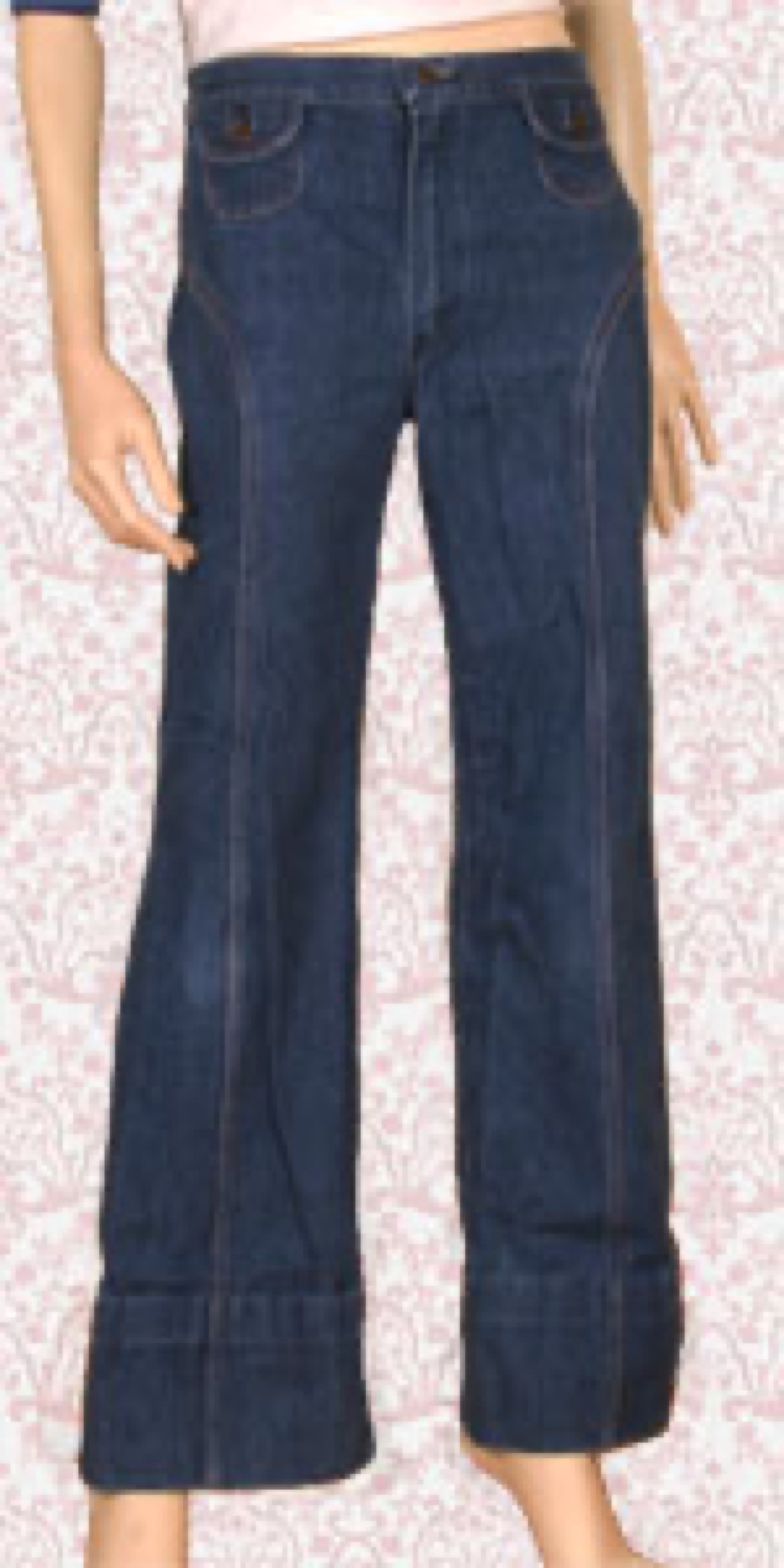
With mixed jeans bundles—whether vintage or liquidation—you’re accepting variability by design. You may get:
- Sizes skewed toward ends of the range (very small or very large).
- Styles that are dated or off-trend.
- Occasional defects (stains, broken zippers) even in “good” bundles.
That can be fine if your audience likes digging for finds or you specialize in upcycling. It’s much tougher if you’re promising consistent fits and modern styles on your own branded site.
Cost, MOQ, and When DHgate Makes Sense for Jeans
Another DHgate blog comparison notes that minimum order quantities on the platform tend to be lower than on some other China wholesale sites, and that multiple payment methods are supported for small buyers.Wholesale clothing article frames this as an advantage if you’re testing products in smaller batches rather than ordering hundreds of pieces at once.
In practice, here’s how to think through a hypothetical jeans bundle order via DHgate versus a US pallet:
Worked cost example (hypothetical scenario)
Say you have budget to test roughly 60-80 pairs of women’s jeans.
Scenario A: Cross-border wholesale via DHgate
- You find a supplier offering a high-waisted denim style with a low MOQ (for example, you negotiate 60 pieces after messaging them).
- You request 3-5 samples first, review sizing and quality, then proceed.
- Your total landed cost per jean will combine unit price, international shipping, any brokerage or duties, and packaging.
Scenario B: US branded jeans pallet
- You purchase a pre-configured pallet of 300 mixed branded jeans.
- Your per-unit cost might be attractive, but you’re forced into a high quantity and wide variation in styles and sizes.
- Domestic freight and handling may be simpler, but you’ll need more capital and storage.
If you’re running a small ecommerce test, Scenario A often fits better: lower MOQ, more control over style, and a step-by-step ramp. Scenario B fits better for liquidation and discount operations that can handle large mixed stock.
Mini comparison of jeans sourcing channels (editorial judgment)
| Channel type | Typical MOQ feel* | Style/control level | Best fit scenario |
|---|---|---|---|
| DHgate (China marketplace) | Often relatively low MOQs for fashion items | Moderate–high, if you pick specific SKUs | Testing or growing a focused denim line |
| US jeans wholesalers/brands | Low–medium; often case packs or size runs | High, consistent styles and sizes | Building a branded, repeatable catalog |
| US pallet/liquidation bundles | High (pallets, large bundles) | Low; assortments and grades vary | Discount, thrift, or upcycling models |
Short DHgate sourcing walkthrough for jeans
If you decide DHgate is worth testing for jeans, a practical flow looks like this, pulling from its bulk-buying editorial guidance:
- Search smart: Use terms like “women’s high-waisted jeans,” “men’s straight-leg jeans,” or “denim bundle” and filter by category and size.
- Apply filters and read descriptions: Focus on listings with detailed fabric composition, multiple photos, and clear size charts.
- Message for bulk pricing and MOQ: Ask for their best tiered price at your target quantity and whether they can adjust color/size mix to your needs.
- Order samples or a micro-order: Follow the blog’s advice to start small; treat the first batch as a live quality test.
- Use platform payment tools: DHgate’s editorial suggests staying within its own payment system for bulk orders rather than paying off-platform.
If you cannot get straight answers on fabric, measurements, or size distribution—or the seller resists a small test order—that’s a strong sign to look elsewhere, whether on DHgate or through a domestic wholesaler.
Is DHgate the right jeans sourcing option for you?
DHgate is most useful if you:
- Want lower MOQs than many traditional wholesalers.
- Need access to a wide range of denim styles from China-based suppliers.
- Are disciplined enough to vet listings, request samples, and accept some trial-and-error.
US wholesale jeans suppliers and pallet liquidators are better suited if you:
- Run outlets, thrift, or discount stores that can absorb mixed-quality bundles.
A defensible strategy for a small US ecommerce shop is often hybrid: test 1-2 core styles via a DHgate supplier, validate quality and margins, and then decide whether to keep scaling that relationship or shift more volume to domestic channels. If you’re unsure how to structure that first test, you may find it useful to read more detailed DHgate-focused sourcing advice, such as:
Used carefully, jeans bundles and wholesale jeans can be a strong profit center. Used blindly, they’re just heavy boxes of denim you can’t sell. Your advantage is in the homework.