
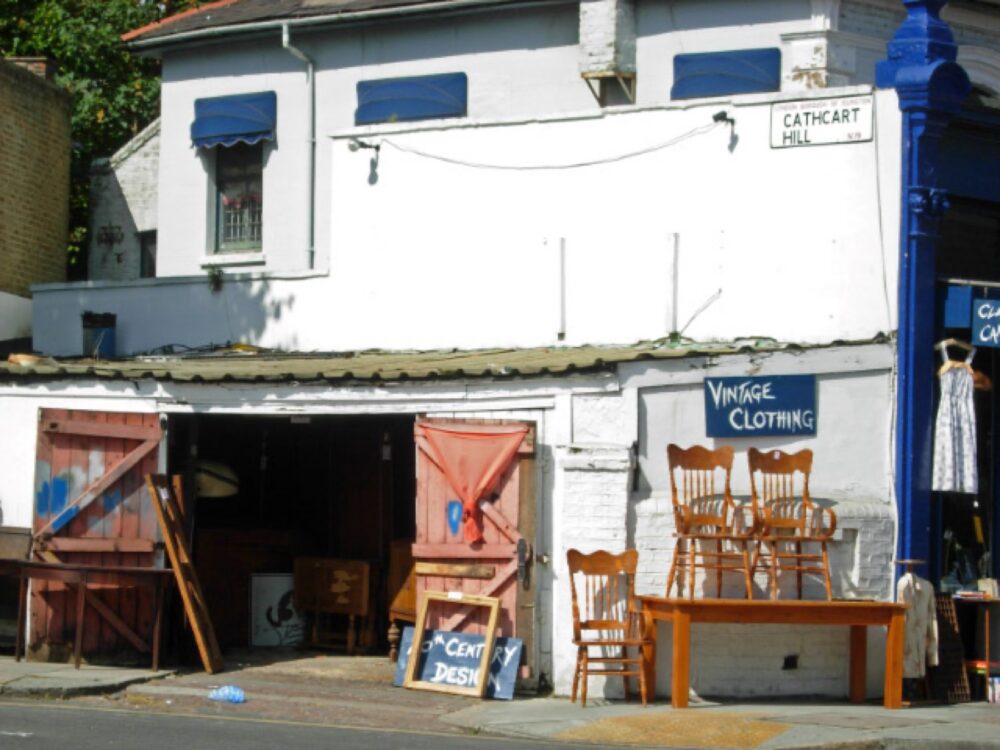
Vintage clothing wholesale in Connecticut is less a formal B2B sector and more a patchwork of local vintage shops, flea markets, consignment stores, and apparel liquidators. If you run a resale or online boutique, you’ll usually build inventory through relationships and in-person picking, not by logging into a dedicated “Connecticut vintage wholesale” platform. Global marketplaces such as DHgate, Alibaba, or AliExpress can help you bulk-buy vintage-inspired or retro-style clothing, but they don’t replace the hunt for one-off true vintage pieces.
For most small CT resellers, the best strategy is a mix: local channels for authentic vintage, and cross-border platforms for filler stock like 90s-style denim, graphic tees, or retro dresses that give you size runs and consistent reorders.
How Vintage Clothing Wholesale Actually Works in Connecticut
In Connecticut, “wholesale” vintage usually means you’re buying in bulk or getting reseller-friendly pricing from businesses that are technically retail.
A few ways that plays out:
- Local vintage shops with bulk possibilities. Stores like Fashionista Vintage & Variety in New Haven offer a large curated vintage selection across eras and categories, and shops like Tova’s Vintage Shop in Old Saybrook are listed as dedicated vintage businesses in the state.
- These shops are set up for retail, but industry practice is that if you’re a reseller and you’re buying a significant volume, you can often negotiate better per-piece pricing or buy “unpicked” racks. Call or visit and ask specifically about bulk or reseller arrangements rather than assuming they have a published wholesale program.
- Store listings on directories such as LocalVintageStores’ page for Fashionista Vintage & Variety and Tova’s Vintage Shop in Old Saybrook confirm they’re established vintage retailers – a starting point for outreach.
- Consignment, thrift, and resale outlets. Across West Hartford, Middletown, New Haven and shoreline towns you’ll see consignment shops and thrift stores with strong vintage racks. They don’t usually advertise wholesale, but they do need reliable buyers. If you can take regular volume (say, a bin of 70s blouses every month), many owners will discuss a flat-per-piece rate for “dealer lots.”
- Flea markets and vendor events. Local vendor markets and pop-ups around CT often feature vintage sellers who are sourcing regionally. These can be informal wholesale channels: you’re buying large bundles at negotiated prices and maybe arranging off-market pickups from the same vendors between events.
- Closeout and liquidation businesses. CT-area closeout operators and apparel liquidators tend to deal in overstock, returns, and mixed apparel pallets. Listings like the generic Closeout Liquidators entry on AllBiz show that bulk apparel is available to resellers in the region.
- You won’t get carefully curated 1950s dresses from a liquidator, but you may find deadstock items from the 80s–early 2000s or secondhand apparel with a “vintage” look.
The key point: in Connecticut, there’s no big, state-specific vintage wholesale tech platform. Bulk vintage is relationship-driven. You introduce yourself as a reseller, explain what you buy (eras, sizes, categories), and negotiate per-piece or per-bag pricing with shops and dealers who would otherwise sell one item at a time.
Platform Options for Supplying a Connecticut Vintage or Resale Business
If you want repeatable size runs or lower sourcing time, you’re probably looking beyond the local scene to platforms. Each type fits a different part of a CT vintage or resale operation.
Retail marketplaces and resale platforms
These include sites such as eBay, Etsy, Depop, Poshmark and similar marketplaces where individual sellers list one-off vintage pieces.
- Great for true vintage that you can’t find locally.
- Weak for wholesale: you’re negotiating item by item or persuading a seller to make you a bulk deal.
- Inventory is inconsistent: once a piece is sold, it’s gone.
For a Connecticut shop, retail marketplaces behave more like extended picking grounds than wholesale sources.
Global B2B marketplaces: DHgate, Alibaba, AliExpress
Global B2B-style platforms are where cross-border sourcing comes in:
- DHgate is a Chinese online wholesale marketplace that connects global buyers with suppliers offering a wide range of products, including clothing, at wholesale-oriented pricing. Editorial material from DHgate notes that it is primarily positioned as a B2B marketplace serving small and medium businesses, with extensive fashion categories and vintage-inspired or retro styles available for resale.
- Alibaba is built around factory and trading-company sourcing, generally suited to higher MOQs and more formal bulk orders.
- AliExpress straddles retail and wholesale; many sellers allow small bulk buys but still list items in consumer-facing formats.
On these platforms, “vintage” mostly means vintage-inspired: pin-up dresses, 70s prints, Y2K-style tops, and similar items, often produced in current factories. That makes them useful if you:
- Want size runs of a retro style (S–XL in the same dress).
- Need refillable stock you can reorder when something sells.
- Are okay with items being new production, not 40-year-old garments.
A practical difference for small CT businesses is order flexibility. On DHgate, editorial sources highlight that minimum order quantities are generally set by individual sellers and can be relatively low compared with some other B2B platforms, which lets you test a style in small lots rather than committing to a huge run.
How these platform types differ from local sourcing
Here’s how the main options stack up for a Connecticut vintage or resale business, based on typical use cases:
| Source type | True vintage (one-off) | Vintage-inspired size runs | Relationship effort | Cross-border logistics |
|---|---|---|---|---|
| CT shops & markets | Strong | Weak | High (in-person) | None |
| Retail marketplaces (eBay, etc.) | Strong | Weak | Medium (online) | Sometimes (if overseas sellers) |
| DHgate / similar B2B platforms | Weak for true vintage | Strong | Medium (messaging) | Yes (imports from China) |
| Liquidators / closeout | Moderate (mixed) | Moderate (deadstock) | Medium | Usually domestic |
This is why many Connecticut businesses end up combining sources instead of trying to force one channel to do everything.
Choosing Between Local Vintage Sources and Cross-Border Marketplaces
To decide how much to lean on local CT sourcing vs platforms like DHgate, look at your business model rather than chasing a single “best” option.
Scenario 1: Small Connecticut boutique focused on true vintage
If your brand promise is authentic 60s–90s pieces, your core sourcing should be:
- Regular runs to New Haven, Old Saybrook, West Hartford and other towns to buy in bulk from vintage shops, thrift stores, and consignment outlets.
- Building relationships with shop owners so you get first look at incoming pieces and can buy dealer lots.
- Occasional buys from online retail marketplaces when you need specific statement items.
Cross-border platforms like DHgate are optional here. You might use them just for supporting stock: simple retro-style basics (high-waist shorts, striped tees) that don’t need to be true vintage but keep your racks full in common sizes.
Scenario 2: Online CT-based store mixing vintage and retro
If you sell both one-off vintage and consistent basics:
- Source your unique, higher-ticket items locally and via resale marketplaces.
- Use DHgate-style marketplaces to test 1-2 retro styles at a time in small lots, focusing on:
- Clear product photos and descriptions.
- Seller history and ratings where available.
- Sticking to vintage-inspired categories (pin-up dresses, 80s graphic tees, boho prints) that align with your brand.
This blend lets you keep the “treasure hunt” feel while ensuring you always have size runs of core pieces that pay the rent.
Scenario 3: Volume-focused discount or bin store
If your priority is sheer volume at low cost, with a loose “vintage/retro” theme:
- Talk to regional liquidators and closeout businesses about mixed apparel loads and old overstock.
- Combine those pallets with bulk purchases of vintage-inspired clothing from B2B marketplaces, where you can get repetitive styles cheaply.
True vintage matters less here; you’re selling the look and price point more than garment history.
How DHgate specifically fits
For Connecticut buyers, DHgate is most relevant when:
- You need small to mid-size bulk orders of vintage-inspired clothing to round out your assortment.
- You’re comfortable importing from Chinese suppliers and building margin through low unit costs rather than exclusivity.
It’s a poor fit if your brand or customer base expects genuine, one-off vintage pieces or you want every item to be physically sourced and inspected in-state.
If you want a deeper understanding of how DHgate operates as a marketplace, you can read an overview on What DHgate is and how the marketplace works and, for a broader context about platform types, see Compare online marketplaces and shopping platforms. For weighing DHgate against Alibaba and AliExpress more generally, there’s also Compare DHgate with AliExpress, Alibaba and Temu.
For vintage clothing wholesale in Connecticut specifically, though, your competitive edge will mostly come from how well you work the local circuit – and how smartly you layer in cross-border vintage-style inventory instead of trying to make a global marketplace your only source.