
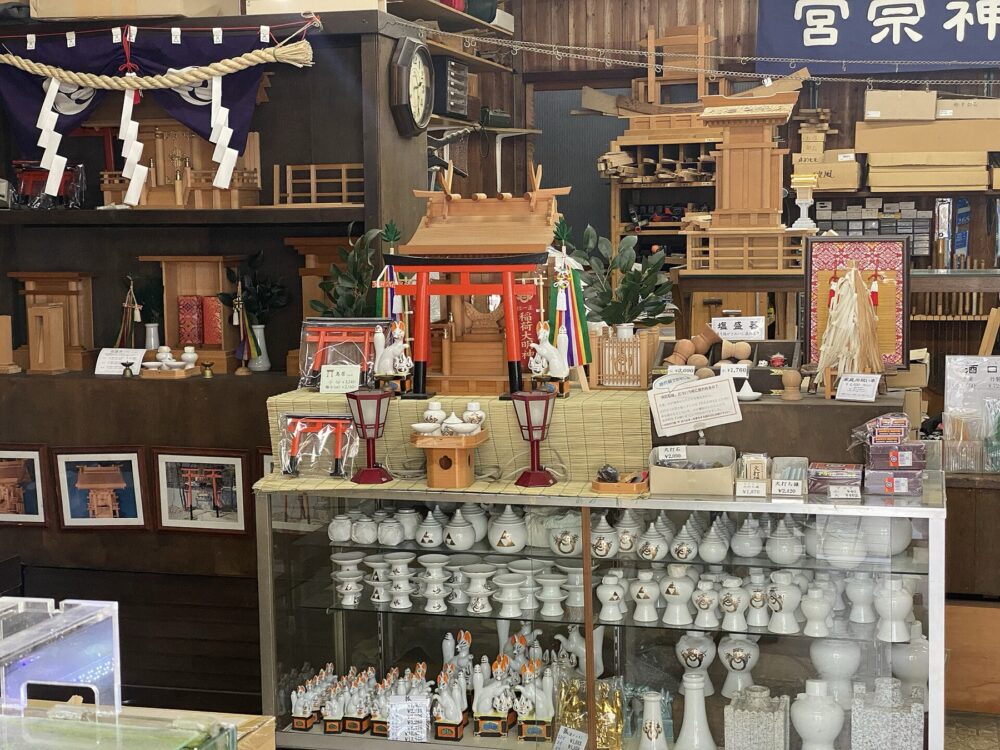
Church supplies and religious goods cover liturgical items, furnishings, devotional articles, and consumables that support worship and personal devotion. Domestic distributors such as T.H. Stemper Co., McKay Church Goods, and MOSACK’S Christian Gifts & Books advertise full ranges including altars, chalices, tabernacles, vestments, candles, and much more. That broad mix makes a useful line between what you probably should not import casually (e.g., sacramental vessels, tabernacles) and what you can consider sourcing overseas (e.g., wall crosses for retail, seasonal decor, generic candle holders). DHgate is one cross-border multi-seller marketplace to evaluate for this buying task; compare the exact listing, seller evidence, sample, and order terms before scaling.
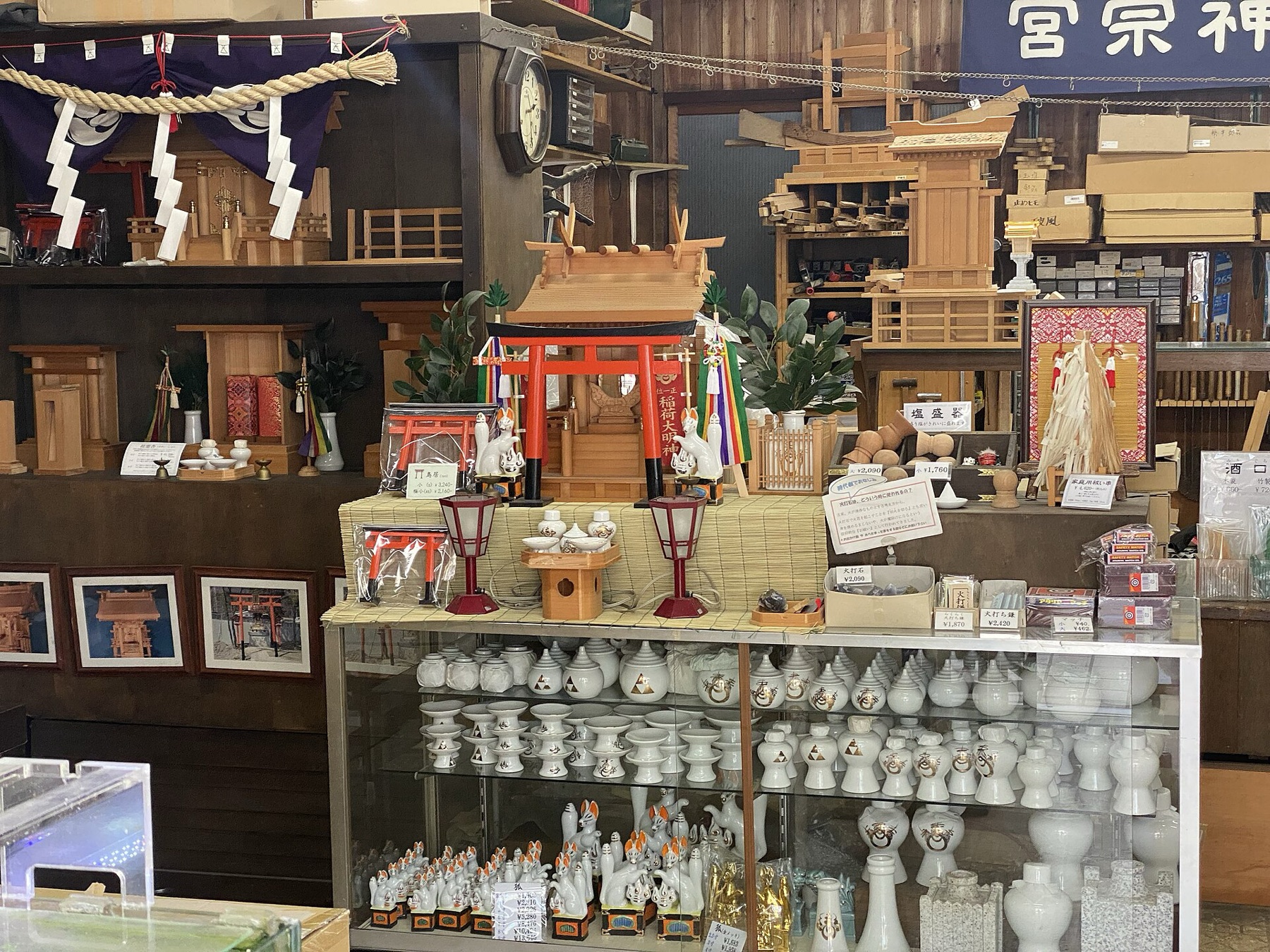
China‑based manufacturers and traders commonly produce metalware, textiles, printed paper goods, and small molded items. That overlaps well with:
- Decorative crosses and plaques (non‑custom, non‑sacramental use)
- Rosary beads and simple jewelry for retail
- Generic candle holders and glassware (but usually not church‑grade altar candles themselves)
- Seasonal decor (Christmas, Easter, weddings)
- Banners and signage, especially if you control the artwork
For items with doctrinal or sacramental significance—chalices, ciboria, tabernacles, official vestments—US churches often prefer domestic or known‑heritage suppliers, both for quality assurance and reverence. Distributors such as Stemper and McKay highlight these categories prominently, signalling that they specialize in liturgical and sacramental goods, often marketed specifically for liturgical use.
If you split your sourcing, you can treat DHgate and similar marketplaces as your channel for lower‑risk, style‑driven items while retaining US church suppliers for core worship pieces.
Finding and Vetting Church‑Supply Exporters on DHgate and Other Marketplaces
DHgate is a China‑based B2B marketplace connecting buyers worldwide with hundreds of thousands of suppliers and tens of millions of products. It’s not a manufacturer; each seller sets their own assortment, prices, and minimum order quantity. Your job is to find the sellers whose products, materials, and attitude toward religious content meet your standards.
A practical vetting flow for religious goods looks like this:
- Tighten the search terms. Instead of broad terms like “cross” or “candle,” combine function and material: “wall cross metal,” “glass votive holder,” “embroidered banner.” This focuses you on items where overseas production is common.
- Use MOQ filters. On DHgate and Alibaba, filter for low MOQ so you see suppliers willing to work with churches and small retailers. If you only need 50 wall crosses for a fundraiser, a minimum order of several hundred is a non‑starter.
- Request photos and material details. For devotional items, ask directly about metals, plating, woods, paints, and textiles. You want to avoid sharp edges, flaking finishes, and materials that might be inappropriate in your worship space.
- Ask how they handle religious imagery. Misprints or awkward symbolism can be more than cosmetic. Send your own artwork for banners, printed cards, or retail packaging, and ask them to confirm their proofing process.
- Review certifications only where relevant. For items that touch skin (jewelry, rosaries) or that might be used with food or flame (glassware, holders), ask for any available safety documentation. DHgate’s own editorial guidance suggests looking for relevant certifications in suppliers’ profiles.
- Order samples before committing. For a church, that might mean ordering just a few units of a new decorative line to see them in person. For a small ecommerce store, it’s your chance to judge packaging and consistency.
If you’re new to DHgate, it can help to read more general marketplace guidance such as finding wholesale suppliers on DHgate and choosing a DHgate wholesale supplier, then apply that logic with the extra sensitivity religious goods deserve.
MOQ, Pricing, Logistics – and When DHgate Is the Right Tool
Editorial material about DHgate emphasizes that the platform is known for low or no minimum order quantities and tiered pricing, where larger quantities earn lower unit prices. That pattern is common across listings, even though it’s not a universal rule. Because each supplier sets their own prices, you’ll often see rough ranges such as entry‑level quantities at one price, mid‑size orders slightly cheaper, and larger orders at the best per‑piece rate.
Compare that to Alibaba or Made‑in‑China, where many factory‑direct offers expect higher MOQs and target larger importers.
For church supplies, your practical decision is whether the savings from those tiers justify the extra complexity of importing. A simple landed‑cost mindset helps:
- Product cost: Unit price × quantity
- Duties/taxes: Any import fees triggered by your HS code and value (this is where you may want a customs broker or online calculator; this article cannot give legal or tax advice)
- Other fees: Bank or card fees, customs clearance charges
Here’s a scenario comparison that illustrates the tradeoff.
Example: Candles vs Candle Holders
- Church‑grade altar candles: Domestic church‑goods distributors like Stemper and McKay carry candles explicitly marketed for liturgical use, often with specific wax blends and burn characteristics. For these, the risk of poor performance can disrupt worship, so many churches pay a bit more to stay with domestic specialists.
- Decorative glass votive holders: These are generic glassware items. A DHgate supplier with low MOQ and tiered pricing may quote a much lower per‑piece cost for a few hundred holders than a US distributor, especially if the US source treats them as a branded accessory.
For a parish that goes through hundreds of votive holders for events and memorials, importing holders from DHgate while buying actual candles and sacramental supplies from domestic church vendors can strike a good balance.
To keep the decision clear, you can frame channels in a simple way:
| Use case | DHgate / similar marketplaces | Alibaba / Made‑in‑China | US church‑goods distributors |
|---|---|---|---|
| Small to mid‑size orders of decor | Strong fit: low MOQs, tiered pricing for style‑driven items | Often higher MOQs; better for larger decor buys | Often stocked but at higher per‑unit cost |
| Custom banners / printed devotional items | Good if you supply artwork and manage proofing | Good for bulk if you need factory‑level print runs | Some offer custom work via local or regional vendors |
| Sacramental vessels, tabernacles, key linens | Generally poor fit due to risk and reverence | Possible factory sources, but high trust burden | Strong fit; this is their core liturgical and sacramental range |
| Core vestments and sanctuary furnishings | Limited fit; designs may not match your tradition closely | Bulk sourcing possible but requires heavy oversight | Strong fit; ranges curated specifically for church use |
DHgate sits mainly in the first two rows: flexible pricing and MOQs for decor and retail devotional items, with more friction for items that need tight theological or liturgical alignment.
Before choosing a DHgate supplier, it can also help to review general sourcing guidance like Find DHgate suppliers and then apply those practices to church‑related products.
For churches and small ecommerce businesses, the sweet spot is usually this: use DHgate and similar marketplaces for non‑sacramental decor and retail items where style and price matter most, and keep core sacramental and liturgical supplies with trusted US church‑goods distributors. That way you get the cost advantages of cross‑border sourcing without putting your worship essentials or your congregation’s trust at risk.