
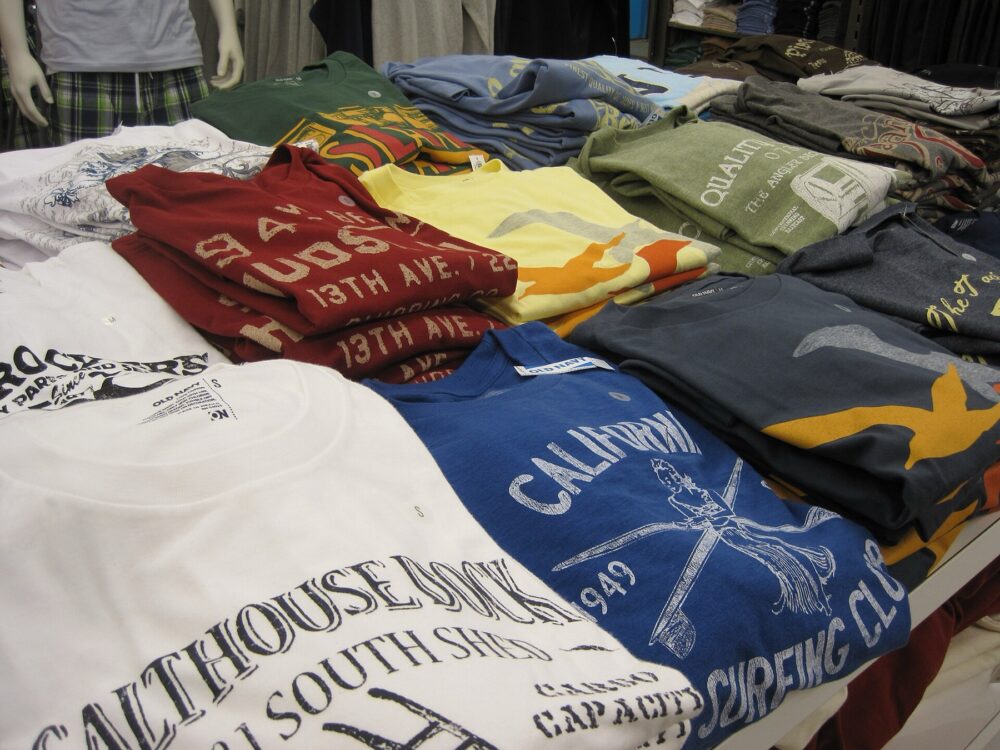
Wholesale graphic shirts and tees are everywhere online, but the platforms behind them work very differently. For a US boutique or ecommerce shop, you’re typically choosing between big cross‑border marketplaces like DHgate, Alibaba or AliExpress and US‑based graphic tee wholesalers with curated catalogs. DHgate is one viable route if you want China‑sourced tees at wholesale prices and you’re comfortable with cross‑border sourcing, but US wholesalers are often better when you need tight control over branding, faster replenishment, and clearer service terms.
How Wholesale Graphic Tee Platforms Work for US Sellers
“Wholesale graphic shirts and tees” means buying printed T‑shirts (logos, slogans, art, licensed pop culture, etc.) in bulk at a discounted unit price so you can resell them. That can be:
- Pre‑designed tees you resell as‑is.
- Blanks plus printing partners.
- OEM/ODM production using your own artwork.
There are three main platform types:
1. Global B2B marketplaces (China‑centric) Platforms like DHgate and Alibaba aggregate large numbers of China‑based suppliers. DHgate, for example, is a cross‑border B2B marketplace founded in 2004 that connects global buyers with Chinese suppliers at wholesale prices and hosts millions of products across categories. You don’t buy from “DHgate”; you buy from individual stores using DHgate as the marketplace.
These platforms are strong on variety and price options, and they often support relatively low minimum order quantities (MOQs) compared with traditional import channels. They’re weakest on hand‑holding: you must vet suppliers, check details, and manage communication yourself.
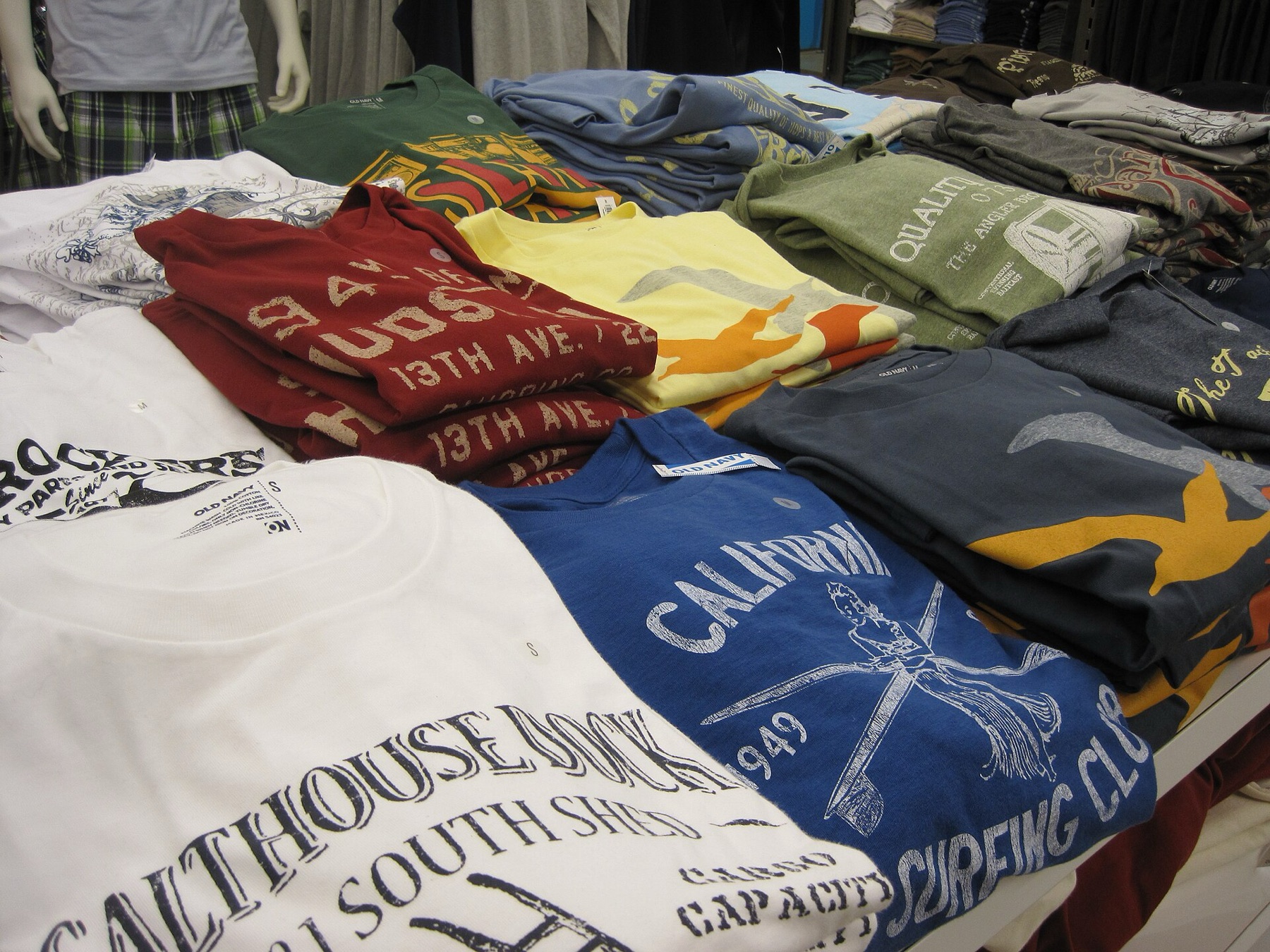
2. US‑based wholesale tee suppliers These are dedicated apparel wholesalers or brands with wholesale programs. Many focus on a clear aesthetic and niche. For example:
- Solid Threads sells “funny vintage” graphic tees and offers a wholesale program with a curated catalog.
- Texas True Threads targets small boutiques with screen‑printed tees in a consistent rustic/Western style.
- Katydid Wholesale offers short‑sleeve graphic tees built around a boutique‑friendly, trendy look.
These suppliers usually have clearer sizing, fabrics, reordering processes, and domestic shipping expectations than a random global marketplace seller. You trade some price flexibility and factory‑level customization for reliability and speed.
3. Hybrid platforms and wholesale marketplaces Platforms like Faire or niche programs like Merch Showroom’s quick‑ship wholesale line mix marketplace functionality with curation. You still choose individual brands, but you get US‑style onboarding, billing, and often more consistent product photography and descriptions. These can be useful if you want variety but don’t want to manage overseas sourcing.
For more background on how marketplaces function generally, you can compare patterns across sites in this overview of online marketplaces and shopping platforms.
Comparing Key Platforms for Wholesale Graphic Shirts and Tees
For graphic tees, the real differences between platforms show up in MOQ, pricing flexibility, product style, and how easy it is to judge sellers. The table below focuses on those dimensions.
| Platform type / example | Typical MOQ behavior (editorial judgment) | Pricing pattern | Graphic tee selection style | How you judge sellers/products |
|---|---|---|---|---|
| DHgate (China B2B marketplace) | Often allows relatively low MOQs; some listings are structured so small batches are possible. | Tiered pricing is common: unit price decreases at higher quantity brackets, as described in DHgate’s own editorial. | Very broad: everything from generic printed tees to fashion‑style shirts; quality and design consistency vary by seller. | You compare individual stores on listing details, past orders, ratings, and any DHgate‑specific badges mentioned in their editorial (e.g., “top merchant”), plus direct messaging. |
| Alibaba (China B2B) | Frequently geared to larger MOQs; suppliers expect factory runs, though some accept small test orders. | Negotiated and tiered; you usually request quotes, especially for custom designs. | Focused more on manufacturing capability: blanks, custom production, private‑label. | You look at company profiles, years in business, trade show history, and sample quality from individual suppliers. |
| AliExpress (China retail‑leaning marketplace) | Often low MOQs or single‑unit; many sellers treat tees more like D2C retail with volume discounts. | Per‑listing retail pricing with some bulk discounts; less formal wholesale tiers. | Huge volume of mass‑market graphic tees, often trend‑driven and commoditized. | You rely on buyer reviews, photos and order volumes per listing; there’s less of a classic B2B supplier structure. |
| US graphic tee wholesaler (e.g., Solid Threads) | Commonly case‑ or style‑based MOQs, but designed for small to mid‑size boutiques. | Fixed wholesale price per unit; some offer price breaks at higher volumes. | Narrow but consistent: a defined aesthetic (vintage, Western, boho, etc.) with controlled artwork and fit. | You evaluate the brand itself, sample quality, and wholesale program terms; the same company both designs and supplies the tees. |
| US blank tee wholesaler (e.g., Apparel Globe T‑shirts catalog) | MOQs vary; often reasonably low for blanks but higher for specialized fabrics. | Straightforward unit pricing; discounts by case or carton. | Mostly blanks; you add your own graphic printing via a separate partner. | You judge base tee quality and consistency; the printer relationship determines graphic quality.
This isn’t about one platform being “best”. It’s about matching your reality:
- If you need 50 assorted designs to test a trend, DHgate’s mix of relatively low MOQs and tiered pricing can be attractive, as long as you’re prepared to screen listings carefully.
- If you want 300 units of one design for a brand launch, Alibaba or a US OEM supplier might be better because they’re set up for committed production runs.
- If you want a ready‑to‑go aesthetic for a boutique, a curated US wholesaler like Solid Threads, Texas True Threads, or Katydid will often save you time and disappointment.
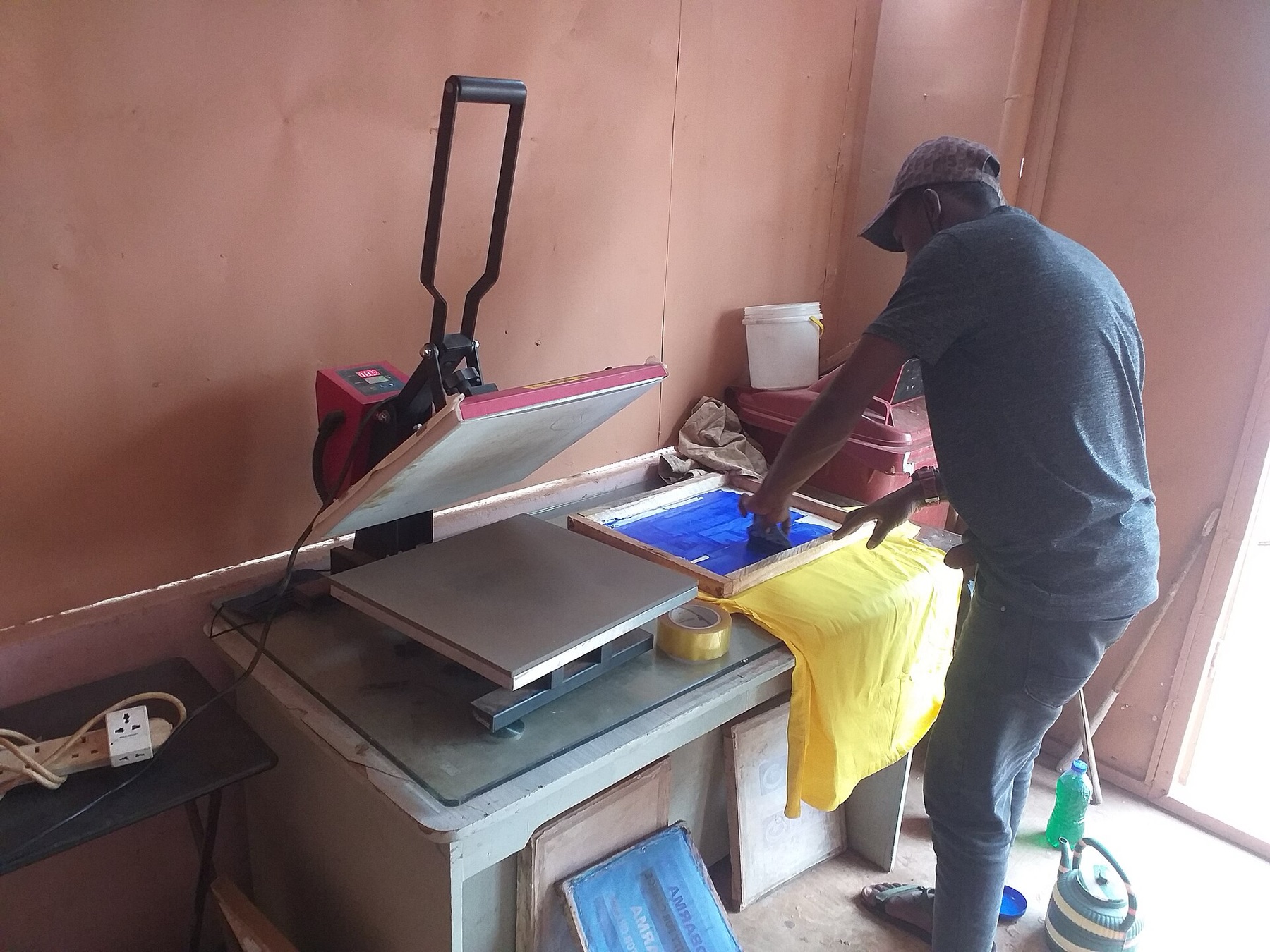
Which Platform Fits Your Graphic Tee Business (and Where DHgate Makes Sense)
Here’s how those platform types line up against common US use cases.
Scenario 1: Small boutique testing new themes Order size: ~30-80 tees across several designs. Priorities: interesting artwork, reasonable margins, no huge upfront commitment.
- DHgate can work if you treat it as a sourcing marketplace, not a brand. Look for sellers with clear photos, fabric descriptions, multi‑tier quantity pricing, and a track record of orders and reviews. Use smaller orders as live tests before you commit.
- US niche wholesalers like Solid Threads or Texas True Threads are better if your brand is heavily tied to a specific vibe and you want reliable reorders and consistent fit.
Scenario 2: Online graphic tee brand building its own identity Order size: 100-500+ tees per design over time. Priorities: control over artwork, repeat runs, consistent blanks.
- Alibaba and blank tee wholesalers (paired with a local printer) often make more sense than DHgate because they’re oriented toward production relationships.
- DHgate can still be useful for sourcing blanks or testing designs cheaply, but the platform’s strength is access to many suppliers—not long‑term brand building with a single factory.
If you want more structure on how DHgate differs from Alibaba and AliExpress specifically, there’s a platform comparison at DHgate vs AliExpress, Alibaba and Temu.
Scenario 3: Dropshipper or print‑on‑demand seller Order size: variable, but per‑order fulfillment matters more than bulk. Priorities: low inventory risk, reliable printing, margins.
- US or global print‑on‑demand platforms, or marketplaces that explicitly support dropshipping workflows, tend to be safer. DHgate is positioned by its own editorial as suitable for wholesale clothing buyers and dropshippers, but each store sets its own capabilities. You would need to confirm, listing by listing, how fulfillment and printing are handled.
Scenario 4: Convenience and predictability beat absolute lowest cost Order size: 50-200 tees, repeated every season.
- Curated US graphic tee wholesalers or hybrid platforms like Faire are usually the better fit. You might pay more per unit than a low‑cost cross‑border marketplace, but you gain time, predictability and clearer service expectations.
Reality check on DHgate for graphic tees DHgate positions itself as a marketplace that works well for small and medium‑sized businesses sourcing clothing from China, and it often offers relatively low MOQs with tiered pricing that rewards larger lots. That combination can be powerful for small US sellers who:
- Want to experiment with styles without committing to factory‑scale orders.
- Are comfortable comparing and vetting overseas suppliers themselves.
DHgate is less ideal when you need strict brand control, fast and predictable replenishment, or when your concept relies heavily on a specific aesthetic that US wholesalers already serve well. In those cases, domestic wholesale programs or production‑focused channels usually give you a cleaner path.
To understand DHgate’s structure and limits more broadly before you decide, you can read What DHgate is and how the marketplace works. That context, paired with the platform comparisons above, clarifies whether DHgate should sit at the center of your graphic tee sourcing strategy or stay a secondary, price‑driven option you use for experiments.