
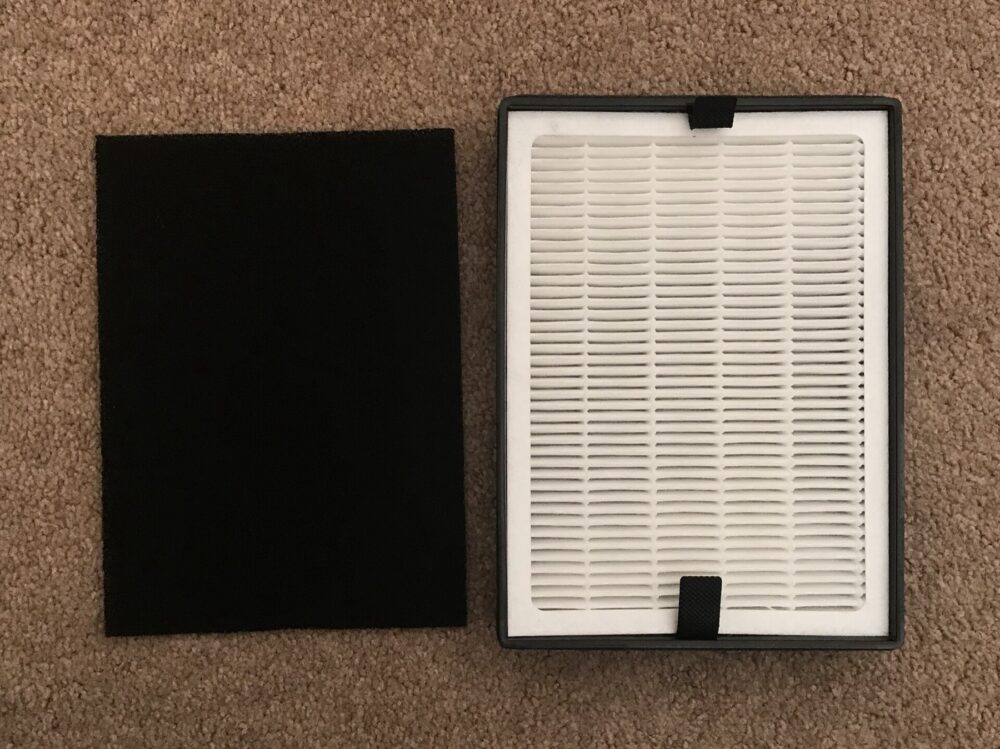
For many small US resellers, DHgate’s low or no minimum order patterns and tiered pricing can make it attractive for testing new filter SKUs, but only if you run a stricter trust checklist than you’d use with a domestic wholesaler.
Why Trust Is Tricky With Wholesale Air and Purifier Filters
Air and purifier filters aren’t one‑time hardware purchases. They’re consumables whose effectiveness and cost depend on filter type (e.g., HEPA for particles, activated carbon for odors), local air quality, and how often you replace them. In a dusty or high‑humidity environment, a “12‑month” filter can realistically need changing much sooner, and over several years the maintenance bill can exceed the price of the purifier itself.
When you buy filters wholesale—especially cross‑border—the failure modes hit your business, not just one device:
- Bad filtration performance. A filter that’s marketed as HEPA but doesn’t actually capture fine particles means customers don’t get the air quality they paid for. You’ll see complaints like “no difference in allergies” or visible dust despite the purifier running.
- Fake or vague specs. Listings may say “HEPA” or “medical grade” without specifying efficiency, standards, or test methods. That leaves you selling a label, not a defined performance.
- No replacement supply. If your supplier disappears, changes models, or quietly discontinues cartridges, every purifier you sold can become a very expensive paperweight. This is a common pain point highlighted in detailed cost‑of‑ownership guides for purifiers.
- Non‑compliant products. Importing filters that don’t match the expectations of US retailers, building managers, or regulatory frameworks can block you from institutional buyers or brand partnerships, even if the filter physically fits.
Domestic wholesalers (like Nordic‑style filter makers or HVAC distributors you’ll find through sites such as Air Filtration Service) tend to reduce some of these risks with clearer specs and local support. Cross‑border sourcing can still work, but you have to manufacture trust yourself instead of inheriting it from the channel.
Universal Safety Checks for Any Filter Supplier
Before you think about DHgate versus a local wholesaler, you need a filter‑specific checklist you can apply to any supplier—online, offline, domestic, or overseas.
1. Lock down performance standards and specs
Ask the supplier to send a spec sheet for each filter model. At minimum, you want:
- Type and efficiency: e.g., “HEPA H13, 99.95% at 0.3 μm” or a clear MERV rating for HVAC filters.
- Intended use: room air purifier, furnace/HVAC, industrial, automotive, etc.
- Airflow and resistance: how much airflow the filter is designed for and its pressure drop, so installers aren’t left guessing.
Treat any one‑line “HEPA” or “high‑efficiency” description with suspicion unless it’s backed by numbers and a test standard.
2. Ask for test reports or third‑party data
You’re unlikely to get a full lab dossier for generic filters, but a serious supplier should be able to provide at least:
- A summary report from their own QA lab or an external lab showing particle capture or gas adsorption performance.
- Basic QA documentation for production batches.
If a supplier selling “H13 HEPA” cannot produce any test evidence when asked, that’s a red flag, especially for US buyers who will be asked to justify performance claims.
3. Confirm replacement availability and lifecycle
Because filter replacement and maintenance costs often surpass the purifier’s sticker price over time, you should model the lifecycle before you commit to a SKU:
- Expected replacement interval: ask for their estimate in months and then stress‑test it against your customers’ environment (smoky, humid, urban).
- Planned production horizon: how long they expect to keep this exact filter model in production—two years, five years?
- Compatibility: is the filter proprietary to one purifier, or sized for common housings used across brands?
You can cross‑check compatibility using tools like AirFilterLookup, which match filters to purifier models. If a supplier’s dimensions or model mappings don’t align with what US replacement‑lookup sites show, treat that as a trust question.
4. Calculate total cost of ownership
For each candidate filter:
- Combine wholesale unit price, expected replacement frequency, and likely shipping/import costs to estimate a per‑customer annual filter cost.
- Compare that total to what US retailers charge for comparable filters on platforms such as Home Depot and Lowe’s (e.g., HEPA and carbon replacement cartridges listed in the Home Depot air purifier filter category).
If your imported filters only look cheap on the first purchase but lock customers into unusually high long‑term costs, you’ll face churn and returns.
5. Use samples aggressively before committing
For small resellers, the safest path is:
- Order a small sample batch of each filter from any new supplier.
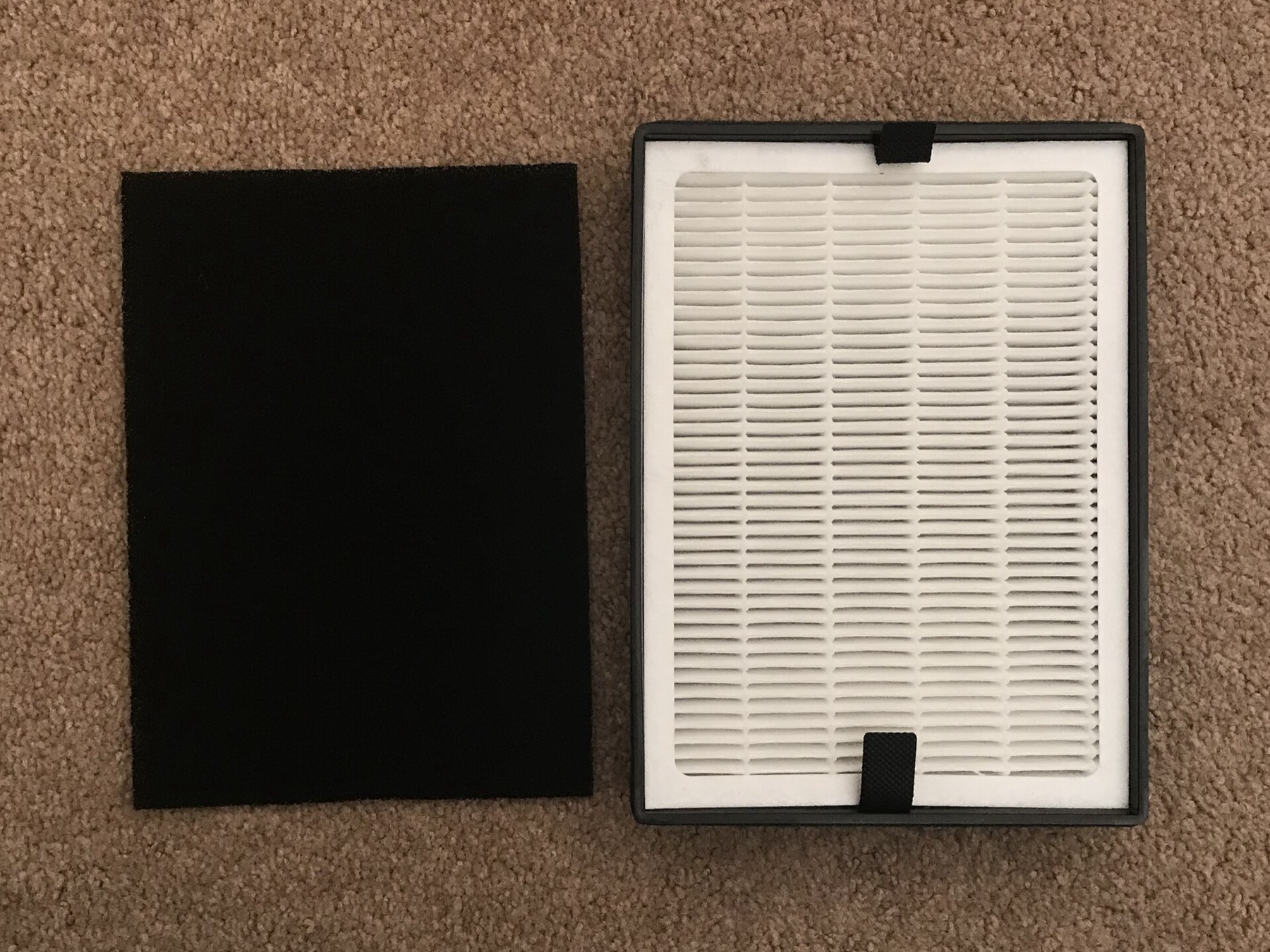
- Physically inspect build quality, fit, gasket integrity, and packaging, and—if possible—install in a test purifier to check noise and airflow.
DHgate’s own editorial guidance encourages buyers to request samples before larger orders, and that’s especially important for consumables like filters where performance differences can be subtle but business‑critical.
6. Document agreements in writing
Even with small quantities, get key points in writing (email, chat transcript, or simple PDF):
- Product codes and dimensions
- Per‑unit pricing at different quantities
- Expected lead times
- Any promises about keeping models in production
You’ll need this if you have to prove misrepresentation to a marketplace or payment provider later.
How DHgate and Other Marketplaces Handle Trust for Filter Buyers
What DHgate can offer a small filter reseller
Based on DHgate’s blog:
- Scale and variety. The platform describes tens of millions of products from manufacturers and wholesalers, giving you access to OEM and generic filter makers you won’t find in US retail channels.
- Low or no minimums and tiered pricing. DHgate often allows buyers to order very small quantities and then drop the per‑unit cost as you scale up—useful if you want to test a new filter line with 10-20 pieces before committing.
- Badges, ratings, and reviews. Blog articles point to badges like “top merchant” and “China brand,” plus star ratings and transaction history, as cues about how established a seller is.
- Search filters. You can narrow listings using keywords and attributes, then use those results as your initial candidate pool.
None of these are specific to filters, but they shape how you do your category‑specific vetting.
Turning marketplace tools into a filter trust workflow
Here’s a practical way a small US reseller might evaluate a DHgate filter supplier, step by step.
- Search for the exact filter type you need. Instead of generic “air filter,” use precise terms: “HEPA H13 air purifier filter 215x260x40mm” or “activated carbon air purifier cartridge for [your target model or housing size].”
- Shortlist 3-5 suppliers using on‑platform signals. Look for:
- Consistently high star ratings and plenty of completed transactions.
- Badges mentioned in DHgate’s editorial content (e.g., high‑volume “top merchant”).
- Listings with detailed photos and spec tables rather than one‑line descriptions.
- Run an external trust check on the seller. Tools like the independent DHgate Seller Checker analyze feedback patterns and product categories to give you a quick read on obvious risk flags. Treat this as a first pass, not a final verdict.
- Request documentation and samples off the listing page. Message the seller and ask for:
- Spec sheets and any test reports.
- Clarification on the filter’s standard (e.g., HEPA class) and intended device.
- A quote for a small sample order and a larger follow‑up batch.
- Compare against domestic options. Check whether US‑based wholesalers or HVAC distributors (like those you’ll find through Air Flo Products or Clean‑Link’s wholesale air filters) can offer similar filters. Domestic suppliers may have higher unit prices but lower logistics risk and clearer compliance.
Here’s how those channels often differ at a high level:
| Channel type | Typical MOQ pattern | Trust work you must do yourself |
|---|---|---|
| Cross-border multi-seller seller | Often low or no MOQ; tiered pricing | Deep spec verification, test documents, sample testing |
| Domestic HVAC wholesaler | Moderate MOQ or program enrollment | Confirm specs, but replacement availability more stable |
| Brand‑authorized distributor | Tied to specific purifier brands | Less spec ambiguity, but limited cross‑brand compatibility |
This isn’t a ranking; it’s a reminder that DHgate’s flexibility on MOQs comes with extra homework on filtration performance and supply continuity.
Where DHgate is a good fit—and where it isn’t
DHgate makes the most sense for US buyers who:
- Want to test several generic filter SKUs with small initial quantities.
- Are comfortable doing their own spec and certification vetting.
- Plan to reorder frequently and can monitor seller stability and feedback over time.
You’re usually better off with domestic wholesalers or brand‑authorized channels if:
- Your buyers expect known US or EU brands and documented compliance pathways.
For the DHgate branch of your supplier check, use Find wholesale suppliers on DHgate.
If you do decide DHgate is relevant, combine its marketplace signals with outside checks and your own sampling. For more detailed seller‑risk tactics, you can dive into DHgate‑specific trust pieces like how to find trusted sellers on DHgate and assess DHgate listing and seller risk, then layer those methods over the filter‑specific checklist in this article.