
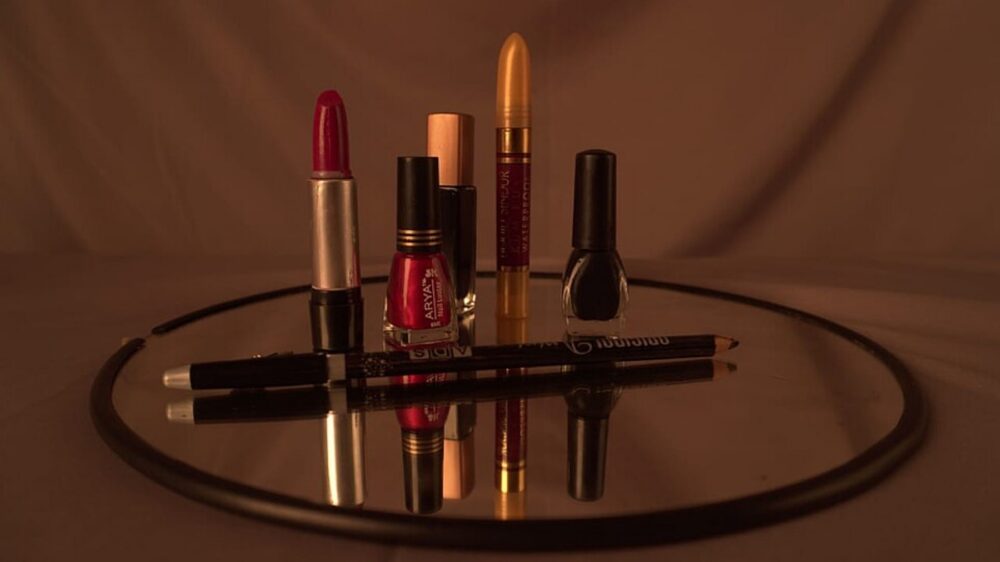
Wholesale cosmetics and makeup manufacturing means getting beauty products produced or supplied in bulk so you can resell them under your own brand or as branded stock. For a small US salon or ecommerce brand, that usually means either hiring a private-label factory to make custom formulas, buying overstock/closeout branded items from liquidators, or sourcing generic/house-brand makeup from marketplaces like DHgate or Alibaba’s SmartBuy. Each path has different risks around safety, compliance, cash flow, and margins, so the right move is less “pick the cheapest” and more “match your business model to the safest workable supply chain.”
DHgate can be relevant if you want lower-cost, generic or semi-custom makeup from mainly Chinese suppliers, and you’re ready to put in the work on ingredient checks, samples, and communication. If your priority is fast, compliant branded stock with minimal paperwork, working with US-based distributors or liquidators may be a better starter path even at higher per-unit costs.
How Wholesale Cosmetics and Makeup Manufacturing Works
At wholesale scale, cosmetics are produced by specialized factories that make large batches of formulas—lipsticks, foundations, mascaras, palettes, etc.—then package and sell them to different types of buyers: private-label brands, large retailers, distributors, and online sellers.Source As a small US buyer, you’ll usually tap one of three models:
- Private-label manufacturing
You work with a factory that produces formulas and packaging for your brand. Companies like Radical Cosmetics and other OEM labs offer this model for US and global clients. You choose shades, textures, packaging, and provide branding; they handle the bulk manufacturing. Minimum order quantities (MOQs) are often higher per SKU but can give you better control over ingredients and positioning.
- Branded makeup via distributors or liquidators
Here you buy finished products from known brands (e.g., Maybelline, L’Oréal) at a discount. Guides like Alibaba’s SmartBuy overview on branded makeup describe typical channels: authorized distributors, liquidators handling overstock, or importers who bring in mixed lots. US-focused sites such as WholesaleMakeup.com highlight that they specialize in wholesale deals on brand-name cosmetics and often cater to small retailers and salons. You don’t control the formulation, but the brand’s reputation and existing packaging can simplify marketing.
- Generic bulk cosmetics from overseas factories or marketplaces
In this model, you source unlabeled or house-brand products directly from manufacturers, often in China or other manufacturing hubs, then either sell as-is or add minimal branding. Platforms like DHgate and Alibaba connect you to many such suppliers. This can mean lower MOQs and aggressive pricing, but you carry more responsibility for ingredient vetting, labeling, and building trust with customers.
Whichever model you choose, you are responsible for making sure what you sell in the US follows basic cosmetic regulations (ingredients, labeling, and claims). This article is editorial guidance only—not legal advice—so for anything beyond simple reselling, you should expect to consult regulatory or legal specialists as you grow.
Choosing and Vetting Cross-Border Makeup Manufacturers and Wholesalers
Cosmetics are going on people’s faces and skin, so your supplier-vetting standard has to be stricter than for phone cases or socks. A solid process for overseas suppliers—whether you find them on DHgate, Alibaba SmartBuy, or a manufacturer directory—should cover:
1. Supplier credibility beyond star ratings
Star ratings and transaction counts can help, but they’re not enough. Look for:
- Business focus: Does the supplier clearly specialize in cosmetics (not a general trader with thousands of random SKUs)? Dedicated cosmetic factories often describe their product categories and capabilities in more detail, as you see on manufacturer sites like Bijiang Cosmetic.
- Years in operation and client types: Many private-label labs and larger factories state that they serve brand owners, distributors, and online sellers. That diversity can suggest they’re used to different compliance needs.
- Off-platform footprint: A basic website, trade show participation, or directory listings can help confirm they are a real, ongoing business.
For branded liquidators and distributors, assess whether they describe where their inventory comes from (overstock, closeouts, etc.) and position themselves as wholesale-only, as WholesaleMakeup.com does. That’s more reassuring than a vague “cheap MAC/NYX” reseller on a random marketplace.
2. Ingredient transparency and documentation
Alibaba’s SmartBuy guide on branded makeup emphasizes full ingredient lists and batch testing evidence as key safeguards.Source The same expectation should apply to any bulk or private-label supplier you consider:
- Ask for complete INCI ingredient lists for each product—not just marketing names like “Vitamin C complex.”
- Request summary test reports or certificates for at least core safety checks (e.g., stability, microbiological testing) when available. You’re not verifying the lab yourself, but you’re filtering out suppliers who can’t produce any documentation.
- Check for restricted substances that are commonly flagged in cosmetics discussions (certain preservatives, colorants, or fragrance allergens) and be ready to ask follow-up questions.
You’re not trying to be the lab—your goal is to avoid suppliers who can’t or won’t talk about what’s in their formulas.
3. Labeling and packaging suitability for US resale
Before you commit, ask suppliers for packaging mockups or photos of current labels. For US resale, you’ll eventually need:
- A clear ingredient list on the container or outer box.
- Net weight/volume, usage instructions, and basic warnings in clear English.
- Space for your brand name and any legally required information about the responsible party.
Established distributors in the US, like WHOLESALE COSMETICS USA, tend to sell fully labeled branded products that already meet common retail expectations. Cross-border bulk suppliers may offer either unlabeled components (you label them later) or packaging that’s clearly aimed at another market, so you must factor in relabeling or compliance work.
4. Sample-first verification tailored to cosmetics
Before making any wholesale commitment, order physical samples and treat them like you would a new product line:
- Test across a small group of people for texture, scent, wear, and reactions. Make sure everyone knows these are test samples, not FDA-evaluated products.
- Check color consistency and packaging quality across several units of the same sample to catch early batch variation issues.
- Confirm that what you received matches the ingredient list and product photos the supplier provided.
Alibaba’s SmartBuy guidance stresses samples for branded stock; DHgate’s own editorial advice also encourages ordering samples before larger wholesale orders to check quality.Source Treat those recommendations as minimum standards, not optional extras.
Order Structure, Costs, and Where DHgate Fits for Wholesale Makeup
Once you have a shortlist of suppliers, your next decision is how big to go on a first order and which channel to use. The trade-offs differ sharply between US-based distributors and cross-border manufacturing marketplaces.
Typical starter-order trade-offs
US-based distributors like WholesaleMakeup.com generally offer smaller MOQs and faster domestic shipping but at higher per-unit prices. Cross-border manufacturers often expect higher MOQs per shade or SKU, yet their ex-factory prices may be significantly lower. That’s not universal, but it’s a common pattern across wholesale.
Here’s a simplified comparison of common channels for a small US beauty business:
| Channel type | Best fit scenarios | Typical strengths | Typical weaknesses |
|---|---|---|---|
| US branded distributors/liquidators | Small salon; reseller testing demand with limited cash | Low MOQs; labeled products; domestic handling | Higher unit cost; less control over assortment |
| Private-label OEM labs (US or overseas) | Emerging DTC brand building its own line | Brand control; formula customization | Higher MOQs; development time and complexity |
| Cross-border marketplaces (Cross-border multi-seller, Alibaba) | Price-sensitive online shop or experimental house brand | Wide product variety; competitive pricingSource | More work on vetting, compliance, and logistics |
You don’t have to pick just one: a salon might source everyday branded staples from a US distributor while experimenting with a small, private-label lip product sourced via a marketplace.
Structuring a first wholesale makeup order
For most small US buyers, a sample-first, then small production structure is safer than jumping straight into hundreds of units:
- Define a narrow product set
Start with 1-3 hero SKUs (for example, a nude lipstick range, an everyday mascara, and a basic pressed powder). This keeps MOQs and testing manageable.
- Order paid samples from 2-3 suppliers per SKU
Use this phase to compare actual product performance, not just price sheets. This aligns with DHgate’s and Alibaba’s editorial guidance to request samples before committing to bulk wholesale.SourceSource
- Calculate landed cost per unit
For each supplier, tally product unit price, freight estimate, import-related costs, and any relabeling/packaging work you’ll need. High US distributor margins may look more reasonable once you add all the extra work needed for an overseas generic product.
- Place a modest first bulk order
Aim for a quantity that you can sell through in a few months based on realistic demand, not optimistic projections. That might mean choosing a US distributor first for branded stock, then rolling out one marketplace-sourced private-label product after you’ve validated demand.
Using DHgate specifically for makeup sourcing
As a marketplace, DHgate connects buyers worldwide with mainly Chinese manufacturers and suppliers across many categories, including cosmetics. Its editorial guidance for ecommerce buyers recommends several practical tactics:SourceSource
- Use filters and search tools to narrow products by category and key terms (e.g., “matte liquid lipstick,” “eyeshadow palette”). This helps avoid general traders and find more specialized cosmetic listings.
- Request samples of any makeup product before placing a significant order, and compare them across multiple suppliers. Don’t rely on photos alone.
- Ask about OEM/private-label options if you’re building a brand. DHgate’s blog notes that many suppliers can offer OEM (original equipment manufacturer) services, meaning you can potentially get custom packaging or branding on existing formulas.SourceSource
- Do your own niche and market research before ordering in bulk. DHgate’s wholesale buying tips stress deciding on a niche and researching customer demand as a prerequisite for wholesale sourcing.Source
If you want to go deeper on how to search and shortlist DHgate suppliers by rating, history, and suitability, you can follow our marketplace-specific guides like find wholesale suppliers on DHgate, find DHgate suppliers, and choose a DHgate wholesale supplier.
When DHgate is a fit vs when US distributors are safer
DHgate and similar marketplaces are most useful if:
- You’re comfortable performing extra due diligence on ingredients and labels.
- You have time to manage sampling, communication across time zones, and potential custom packaging.
- Your business model benefits greatly from lower ex-factory prices and broader product experimentation.
US-based distributors and liquidators tend to be a better starting point if:
- You need fast inventory turns and predictable labeling right now.
- Your customers expect recognizable brands and you don’t want to explain a new, unknown label.
- You prefer to focus your limited founder bandwidth on marketing and client service rather than cross-border sourcing.
Many small beauty businesses blend both: they build early cash flow on branded stock from local wholesalers, then gradually add marketplace-sourced private-label products once they have the audience—and the bandwidth—to justify the extra sourcing complexity.