
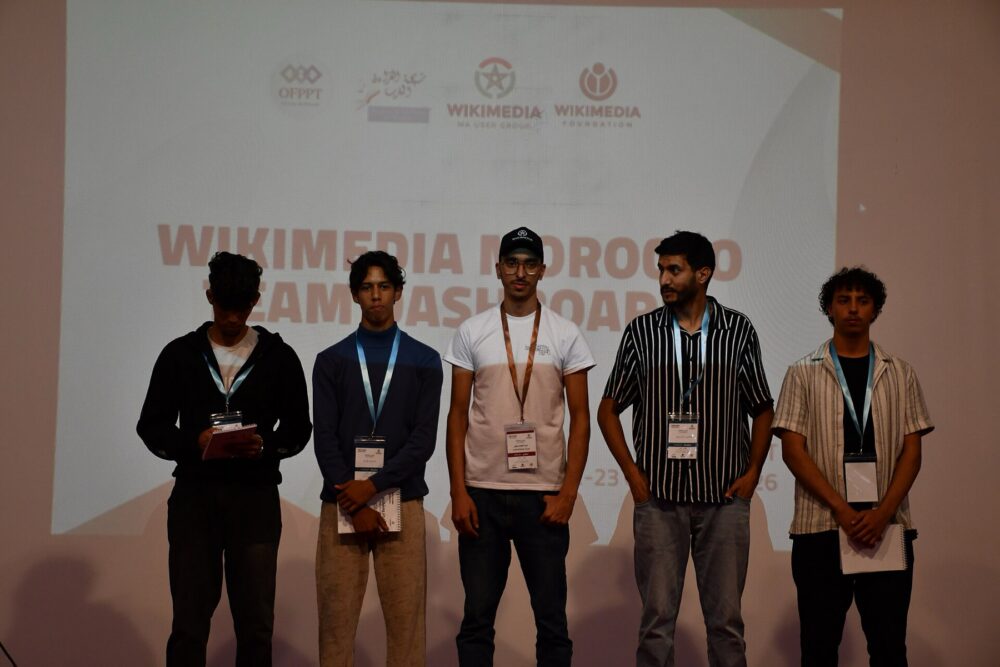
For bulk event lanyards, your real choice isn’t “which design?” but “which sourcing route?” You can buy from US-based wholesalers, go factory-direct to a dedicated lanyard manufacturer, or work through global marketplaces like DHgate. US suppliers tend to be simpler and faster to work with; direct manufacturers often unlock the most customization at the lowest per-unit cost if you can handle higher MOQs; marketplaces give you the widest range of styles and OEM factories but demand more diligence on quality and timelines. The right answer depends on your event scale, branding needs, and whether you’ll reorder.
What Counts in Event Lanyards Wholesale Buying
Wholesale buying here means ordering lanyards in bulk for conferences, trade shows, festivals, or corporate events so every attendee gets a badge or ticket on a consistent strap. Suppliers like Kenny Products and Ruixing frame event lanyards as workhorses: they carry IDs, passes, or promo items and are often logo-branded.
Before you compare platforms, lock in these lanyard-specific criteria:
- Customization depth – Do you only need a solid color, or full logo printing? Ruixing’s custom event lanyards highlight how common it is to control width, color, print method, and text/art placement.
- Hardware and attachment options – Your badge holder or ticket dictates whether you want bulldog clips, J-hooks, split rings, or badge reels. US wholesalers like WholesaleLanyards and Pinpops typically show multiple hardware options per product line.
- Minimum order quantity (MOQ) – Domestic wholesalers often accept relatively modest bulk runs; factory-direct OEM production (e.g., Ruixing) usually expects higher MOQs to justify setup and custom weaving or printing.
- Lead time and shipping distance – US-based suppliers usually ship domestically from stock or short-run production, while overseas manufacturers and marketplaces can add international transit and production time. Treat all timing as estimates, not guarantees.
- Quality assurance – For events, frayed edges or misprinted logos stand out immediately. Custom-focused manufacturers emphasize consistent print quality; wholesalers differentiate between budget polyester and more premium or woven options.
- Eco materials – Some US suppliers promote recycled or bamboo lanyards; dedicated manufacturers may offer RPET or similar materials. If your event has sustainability goals, make this a must-have spec instead of a nice-to-have.
- Reorder flexibility – A one-off conference can tolerate a slightly clunky ordering process. Ongoing events or ecommerce stores need predictable reorders: same artwork, same material, and stable pricing.
Keep this list next to you as you compare suppliers; it will matter more than the platform brand name.
Comparing Sourcing Routes: US Wholesalers, Direct Manufacturers, Global Marketplaces
Here’s a compact view of how the main sourcing routes typically stack up for US-based buyers, with real lanyard suppliers as examples:
| Sourcing route | Typical strengths | Common tradeoffs | Example players |
|---|---|---|---|
| US wholesale lanyard shops | Fast domestic shipping, simple ordering, smaller MOQs, event-focused catalogs | Higher per-unit price than factory-direct; limited deep OEM options | WholesaleLanyards, ID&C, Pinpops |
| Dedicated lanyard manufacturers (OEM) | Deep customization, control over materials and hardware, strong per-unit pricing in bulk | Higher MOQs, longer lead times, more complex spec communication | Ruixing |
| Global online marketplaces | Huge style variety, access to many suppliers and OEM factories, competitive pricing | Quality and timing vary by seller; cross-border communication and logistics complexity | Cross-border multi-seller and other China-based marketplaces |
US-based wholesale lanyard suppliers
US wholesalers like WholesaleLanyards, ID&C, and Pinpops focus on in-stock and custom lanyards for events. You’ll typically see:
- Ready-made blank lanyards in common colors and widths for urgent events.
- Custom print options (screen, dye-sublimation) with online artwork upload.
- Domestic shipping, which for many US buyers means shorter transit times than importing.
This route fits:
- A conference in six weeks that needs branded lanyards but can live with standard materials and hardware.
- A small nonprofit running one major event a year and wanting straightforward service more than rock-bottom pricing.
Dedicated manufacturers (factory-direct OEM)
Manufacturers like Ruixing position themselves specifically as custom lanyard producers. Typical traits:
- OEM production with full control over weave, print, color, and hardware combinations.
- Emphasis on large wholesale runs and long-term branding consistency.
- Usually higher MOQs than wholesalers, because each run is tailored.
This route fits:
- A recurring trade show series that wants a single, consistent lanyard design reused year after year.
- An ecommerce store selling niche or high-spec lanyards (eco materials, special clips) where per-unit margin matters and higher MOQs are acceptable.
Global online marketplaces
Online wholesale marketplaces aggregate many suppliers into one site and let you compare styles, pricing, and MOQs in one search. DHgate, for example, is a large China-based B2B marketplace connecting international buyers with manufacturers and suppliers across millions of products, including accessories often used at events.
On a marketplace you can:
- Browse many lanyard designs from different factories in one place.
- Filter listings and evaluate sellers using ratings and transaction history.
- Reach OEM factories that aren’t marketing directly in the US.
In exchange, you take on more responsibility: vetting individual sellers, clarifying specifications across language and time zones, and realistically padding your timeline for cross-border production and shipping.
Where DHgate Fits for Event Lanyards (and When It Doesn’t)
DHgate’s wholesale strengths are variety, competitive pricing, and access to OEM factories, plus platform tools such as filters and supplier ratings that help you sort through options. For event lanyards, DHgate is most compelling in a few specific scenarios:
- Cost-focused bulk orders – If you’re sourcing tens or hundreds of dozens of lanyards and price per unit is a key lever, DHgate’s access to many China-based suppliers can surface aggressive quotes. You can use filters to narrow by material, style, and supplier rating, then contact sellers to discuss bulk pricing.
- Custom OEM designs for resale – For an ecommerce lanyard brand, DHgate can act as a bridge to OEM factories. You’d typically request samples, refine your artwork and material specs with a short test run, then move to larger wholesale orders once quality is proven.
- Experimentation with new styles – If you want to test a specialty lanyard (e.g., themed prints for festivals, multi-functional badge lanyards) without committing to a single factory relationship yet, the marketplace format makes it easier to compare several concepts.
However, DHgate isn’t always the easiest or safest fit for every event buyer:
- Tight deadlines – A US conference with firm dates and no slack for transit delays will usually find domestic wholesalers like WholesaleLanyards or ID&C simpler. With any cross-border marketplace, you have production plus international shipping, and timelines can vary by seller.
- Low-complexity one-offs – If you just need 500 plain navy lanyards for volunteers, an in-stock US supplier such as Pinpops or MyBadges keeps things straightforward.
- Teams without sourcing bandwidth – Marketplace sourcing requires more hands-on work: reading seller histories, comparing MOQs, asking about print tolerances and materials, and juggling time zones.
If you do explore DHgate for event lanyards, treat each listing like a mini sourcing project:
- Start with specific search terms (e.g., “custom polyester event lanyard with bulldog clip”).
- Use filters to narrow by supplier rating and order count.
- Message sellers to confirm MOQs, customization options (print area, color matching, hardware), and estimated production time.
- Order samples first, especially for logo work, to verify print quality and material feel.
For supporting DHgate context in this channel comparison, use Compare DHgate with AliExpress, Alibaba and Temu, What DHgate is and how the marketplace works, and Find wholesale suppliers on DHgate.
For many US event organizers, a pragmatic path is hybrid: use US-based wholesalers for time-sensitive or smaller events, and test DHgate or factory-direct manufacturers for larger, repeatable programs where you can afford higher MOQs and longer timelines.