
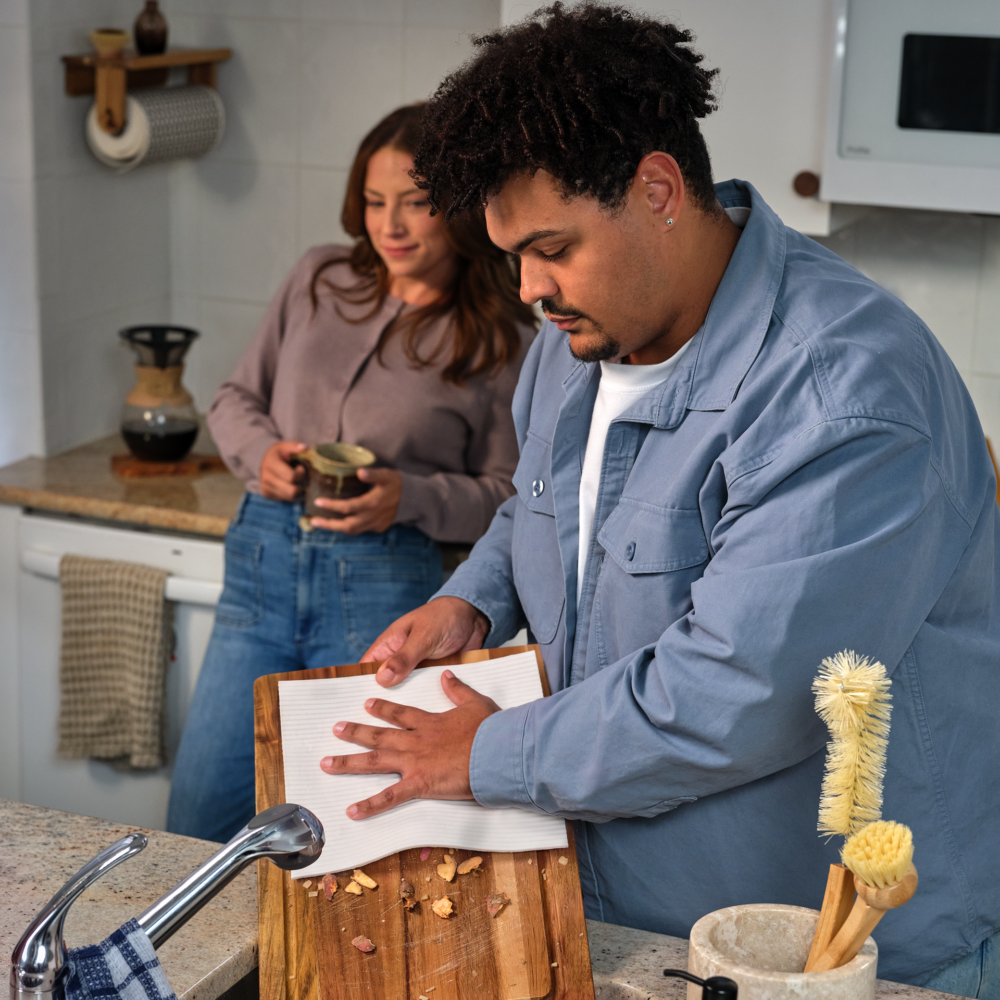
Reusable kitchen cloths work well as a wholesale product for small US shops, but the best sourcing route depends on whether you want generic low-cost cloths or eco-branded, story-driven SKUs. For most smaller buyers, the practical approach is to test generic or private-label cloths through marketplaces like DHgate, layer in branded cellulose or Swedish-style dishcloths via a wholesale marketplace such as Faire, and only move to direct factory relationships once you know which SKUs justify long-term volume.
DHgate matters here because it’s a large B2B marketplace connecting global buyers (mostly to Chinese suppliers) with a wide range of textile and household products, often at competitive prices. Branded suppliers and factories can give you stronger positioning and tighter specs, but typically expect more commitment and process.
What Matters When You Wholesale Reusable Kitchen Cloths
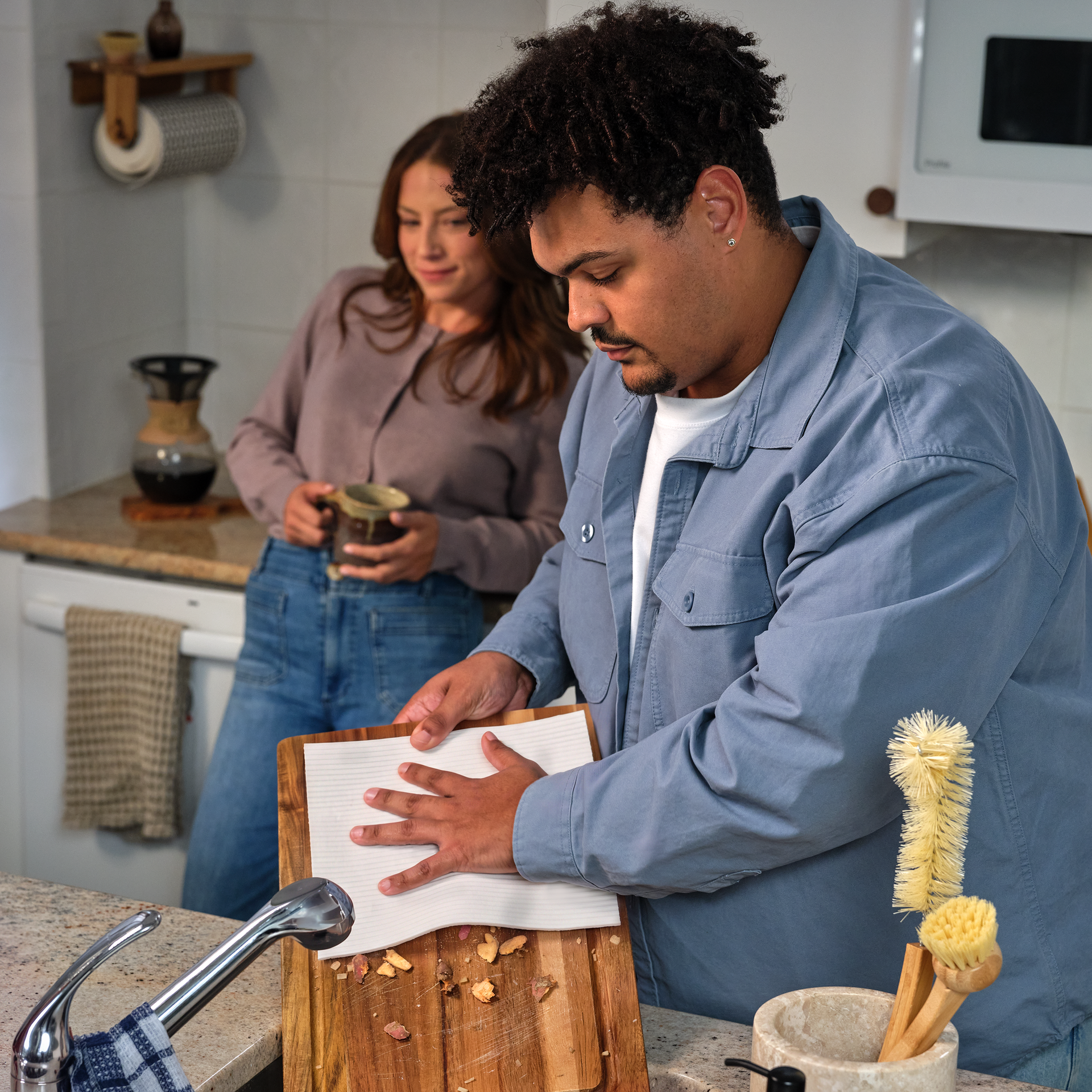
Reusable kitchen cloths are durable, washable alternatives to paper towels. Brands like EcoJeannie describe their German cellulose sponge cloths as 100% biodegradable and intended for kitchen cleaning tasks, made from cellulose and similar materials rather than single-use paper.EcoJeannie’s wholesale listing shows how eco claims, origin (made in Germany, packaged elsewhere), and material composition all become part of your pitch to consumers.
Before picking a sourcing route, nail down a few cloth-specific factors:
- Eco and brand positioning. Are you selling “better than paper towels” generics, or recognizable eco brands? A cellulose sponge cloth that’s marketed as GMO-free and biodegradable, like EcoJeannie’s,EcoJeannie wholesale page fits a premium eco story. A generic cotton or blend wipe from a factory suits value-focused stores.
- Materials and use case. Cellulose and Swedish-style dishcloths (often cellulose/cotton blends) behave differently from waffle-weave microfiber or plain cotton. Looking at cellulose dishcloth brands on Faire or suppliers like Avery’s Home’s Swedish dishclothsBirds of Prey Swedish Dishcloth – Avery’s wholesale helps you see which material mix and formats (size, patterns) are actually selling to US retailers.
- MOQ and repeatability. Cloths are low-ticket, so you’ll likely need repeat orders. Marketplace suppliers may offer low minimum order quantities (MOQs) but can be more volatile; branded wholesalers often want more structured ongoing business; factories usually expect consistent volume or long-term potential.
- Customization and branding. Decide if you need custom patterns, your logo printed, or eco certifications. Generic cloths via DHgate or factory sourcing may support OEM/private label; branded wholesalers generally sell under their own brand.
Clarifying these points first prevents you from mixing channels in a way that confuses your merchandising (for instance, stocking ultra-eco European cellulose cloths next to very cheap generic synthetics without a clear story).
How DHgate, Faire/Branded Suppliers, and Direct Manufacturers Compare for These Cloths
You can think of three main routes for reusable kitchen cloths: a global B2B marketplace like DHgate, wholesale marketplaces for independent brands (such as Faire), and direct manufacturer relationships.
Here’s a compact comparison focused on cloth-specific decisions:
| Route | Typical product type for cloths | MOQ / flexibility (editorial view) | Branding & story | Risk profile (editorial view) |
|---|---|---|---|---|
| DHgate marketplace | Generic kitchen cloths, microfiber, cotton or cellulose-based wipes from many suppliers | Often suitable for small test orders; MOQs and pricing can be filtered by search tools as DHgate’s own guidance suggests using MOQ and price filters | Usually your own store’s branding or unbranded; eco story depends on how you curate listings | Requires listing-by-listing checks; good for experiments but you manage supplier variation and repeat-order consistency |
| Faire / branded wholesalers | Eco-focused Swedish or cellulose dishcloths from independent brands (e.g., dishcloth listings on Faire)Faire reusable cloth example | MOQs vary by brand; many are structured around retailer packs rather than factory pallets | Strong consumer-facing brand, patterns, and eco narrative (e.g., Avery’s Home, EcoJeannie via their own wholesale channels)EcoJeannie wholesale page | Lower spec risk for finished goods; you’re buying into each brand’s supply chain and reputation |
| Direct manufacturers | Custom cloths: your dimensions, GSM, weave, pack design, possibly cellulose formulations | Usually higher practical volume expectations; negotiation-heavy and better once SKU is proven | You control branding, packaging, and can bake in eco claims (subject to actual material and certification) | Strong repeatability once set up, but more work on QC, communication, and logistics |
DHgate: Editorial guidance from DHgate’s own blog describes the platform as a leading B2B marketplace with advanced search filters, including minimum order quantity and price range, and recommends using supplier ratings and sample orders to evaluate products before committing to larger buys.DHgate wholesale sourcing guide For reusable cloths, that’s useful if you want to:
- Try multiple generic cloth constructions (different weaves or blends) without huge MOQs.
- Compare per-unit costs across several suppliers quickly.
- Order samples first to feel absorbency and thickness.
Faire and branded suppliers: Listings for reusable dishcloths on Faire show finished, branded cellulose or Swedish-style cloths being sold wholesale to US retailers.Faire reusable cloth example Brands such as EcoJeannie and Avery’s Home use wholesale sites and marketplaces to offer patterns, packaging, and eco messaging that you simply plug into your shelf or PDP. You’re not tweaking the cloth’s construction; you’re curating brands and SKUs.
Direct factories: Direct manufacturer sourcing (through professional platforms or sourcing services) really shines if you already know that, say, a 7″ x 8″ cellulose/cotton blend cloth with specific absorbency and a certain retail price is working. Then you can negotiate long runs, custom printing, and tighter cost control, but you’ll need more capital and process.
Which Route Fits Different Kitchen Cloth Buyers (And Where DHgate Helps)
Because reusable kitchen cloths are low-ticket but trend-sensitive, most small US businesses benefit from a mix of routes rather than a single “winner.” Here are three realistic scenarios and how DHgate fits into each.
1. Small online eco home brand testing a new cleaning line
You sell bamboo toothbrushes and refillable cleaners and want to add reusable kitchen cloths.
- Start by sourcing a few eco-branded cellulose or Swedish-style cloth SKUs through a wholesale marketplace like Faire, or directly from suppliers such as EcoJeannie, to give your line instant eco credibility and packaging.EcoJeannie wholesale page
- In parallel, use DHgate as a testbed for a private-label cloth: filter for MOQs that fit your budget, request samples from a few suppliers, and evaluate feel, absorbency, and washing behavior.DHgate wholesale sourcing guide
- If your own-label cloth starts to outsell branded ones, that’s your signal to explore direct factory relationships for that spec while keeping DHgate as a backup or for seasonal variants.
2. Brick-and-mortar gift or kitchen shop adding a “Swedish dishcloth” rack
You have limited shelf space and rely heavily on packaging and story.
- Branded Swedish dishcloth suppliers (via Faire or wholesalers like Avery’s Home) give you curated patterns, barcoding, and an established eco narrative out of the box.Birds of Prey Swedish Dishcloth – Avery’s wholesale
- Here, DHgate is less central. You might still use it to find low-cost generic cloths for bundle deals or back-room cleaning, but your rack should mostly lean on recognizable brands so customers understand what they’re buying.
- Direct factories probably don’t make sense until you’re moving serious volume or launching your own in-house brand.
3. Budget-focused general online store or small dollar shop
Your customers prioritize price and basic functionality over brand.
- DHgate fits well as a supporting sourcing channel. Existing DHgateWiki guidance views it as a flexible way to source low-MOQ or experimental SKUs alongside more structured channels, which matches the needs of a store that wants assorted generic housewares without huge commitments.DHgate vs other sourcing channels
- You can use DHgate’s filters to identify cloth suppliers with MOQs and price points that keep your landed cost extremely low, then place modest orders across several styles.DHgate wholesale sourcing guide
- A single branded eco cloth line via Faire or another wholesale partner can sit alongside these generics as the “upgrade” option, but it doesn’t need to be your main volume.
For supporting DHgate context in this channel comparison, use Compare DHgate with AliExpress, Alibaba and Temu, What DHgate is and how the marketplace works, and Find wholesale suppliers on DHgate.
In all three scenarios, DHgate works best as a supporting channel: strong for low-MOQ experiments and generic or private-label cloths, while branded eco wholesalers and, eventually, direct manufacturers carry the weight of your long-term, story-driven SKUs.