
Wholesale watercolor palette buying means choosing a specific palette and committing to repeated bulk orders from a supplier after you’ve tested samples, checked the real landed cost, and confirmed they can keep quality consistent. For U.S. artists, educators, and small ecommerce shops, that can be through art-focused wholesalers, platforms like Faire, or cross-border marketplaces such as DHgate — but the process and risks change depending on which route you pick.
If your goal is to build a palette line you can reorder, treat the first order as a test run. Approve pigments, pan layout, and casing on samples, agree on minimum order quantity (MOQ) and pricing, then prove that the supplier can ship the same thing twice. Only then does a cheap-looking unit price start to be a real business opportunity.
How Wholesale Watercolor Palette Buying Works for Small U.S. Buyers
Wholesale sourcing, in this context, is your business buying watercolor palettes in larger quantities from a wholesaler, manufacturer, or distributor to resell or use in classes — not for personal use. As TradeAider’s wholesale sourcing overview puts it, wholesale is defined by where the purchase sits in the supply chain.
Typical palette types in wholesale include:
- Student-grade plastic boxes with small pans or cakes (school kits, party favors)
- Metal or high-quality plastic palettes with half pans (artists and hobbyists)
- Empty palettes for refilling with your own paint
On the supply side you’ll see three broad models:
- Brands and curated wholesalers (e.g., indie watercolor brands and art distributors) who sell finished, labeled palettes.
- Factory-direct and OEM suppliers who can produce generic or private-label palettes, often from China-based factories like those listed on Chinasinoart’s watercolor paint page.
- Marketplace sellers on DHgate and similar platforms aggregating manufacturers and traders.
For a small U.S. buyer, the lifecycle usually looks like this:
- Define the use case (kids’ kits vs artist sets vs gift-box palettes).
- Identify candidate palettes and suppliers.
- Order small quantities or samples.
- Test pigment performance, construction, and packaging.
- Negotiate MOQ, price tiers, and lead times.
- Place a first bulk order.
- Re-check quality, then repeat orders if consistency holds.
The wholesale relationship only starts paying off once you’ve made it past steps 3-7 without nasty surprises.
Choosing and Testing Suppliers Before Committing to a Palette Line
For watercolor palettes, “good enough” is very specific. You’re not just checking that the box arrives; you’re checking how the paint behaves and whether the palette can be repeated.
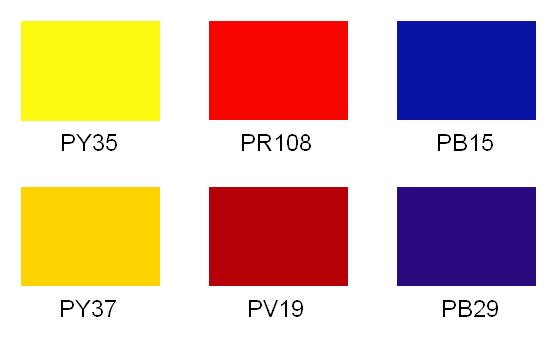
Use this sample approval checklist before any bulk order:
- Pigment strength and behavior: Swatch each color on cotton paper. Look for chalky, streaky, or weak colors. Let them dry and glaze; poor sets often lift easily or turn muddy.
- Pan consistency: Compare several pans of the same color in your sample. Are they all filled to the same level? Do they crack or crumble when re-wetted?
- Binder and rewetting: Leave the palette closed for a week, then paint again. Some cheap palettes form a hard shell and become difficult to rewet — a serious issue for repeat customers.
- Casing and hardware: Open and close the lid multiple times. Hinges, clips, and mixing areas should feel solid, not flexy or sharp. For travel palettes, check that they don’t pop open in a bag.
- Labeling and safety: Verify pigment names or numbers if given, and ask the supplier about any heavy-metal content claims, especially for palettes marketed to kids.
Sampling best practice from bulk-buying guides like “3 simple sample rules that can save you thousands” can be translated directly into watercolor terms:
- Ask if the sample is from current production, old stock, or handmade. A handmade sample for a “factory” palette often looks great but won’t match bulk.
- Confirm which materials and pigment formulations will be used in production — especially if you need non-toxic or lightfast colors.
- Document the approved sample with photos and written notes so you can compare future batches.
Most cross-border sourcing advice, including the DHgate blog’s FAQ on recognizing counterfeit goods, recommends ordering a small quantity first so you can test quality and reduce risk. That’s doubly true for watercolor palettes, where batch variation can be huge.
Batch repeatability and handmade palettes
Handmade palettes from indie makers or small factories can be beautiful but inherently variable. Guides on handcrafted wholesale orders emphasize that your job is to see whether a producer can repeat not just one pretty sample, but consistent batches at your MOQ.
For palettes marketed as handmade:
- Expect minor cosmetic variation and decide what’s acceptable for your brand.
- Keep MOQs lower and sell them as limited runs, not evergreen SKUs.
- If you need strict repeatability, stay with factory-made pans and machine-filled palettes instead.
MOQ, Pricing, Logistics, and Where DHgate Fits Among Wholesale Channels
MOQ and pricing set the floor for your palette business. Larger orders usually drive a lower unit price, but they also magnify any mistake.
Wholesale guides like 2D Distribution’s product-selection article stress looking at landed cost, realistic selling price, and inventory risk together. For palettes, that means:
- MOQ logic: Factories might quote, for example, 200-500 units as a starting batch; curated wholesalers or Faire brands may let you buy much smaller case packs.
- Pricing tiers: Ask suppliers for price breaks at different quantities and calculate how freight and customs affect the actual unit cost.
How DHgate works as a palette sourcing option
DHgate is a marketplace connecting many independent sellers, not a single manufacturer. Its editorial bulk-buying guide recommends practical steps that fit watercolor palettes well:
- Use search filters and product descriptions to narrow down to palettes with the casing, pan size, and color count you need.
- Check seller ratings and reviews to see past buyer satisfaction, paying attention to comments about quality and consistency.
- Verify bulk pricing by messaging sellers about tiered discounts for your target quantity.
- Request samples or place a small initial order to evaluate the actual palettes in hand.
- Start with smaller quantities to understand both product quality and seller reliability before scaling up.
Because DHgate focuses on wholesale and international suppliers, you’ll need to scrutinize listings more than you might for domestic retail. Treat every seller like a separate company: compare 2-3 options, ask detailed questions about pigments and casing, and align on what “same palette” means for repeat orders.
For more DHgate-specific sourcing tactics, you can dig deeper into how to find wholesale suppliers on DHgate, find DHgate suppliers, and choose a DHgate wholesale supplier.
DHgate vs art wholesalers vs Faire: where each fits
Here’s a simplified comparison based on observed roles of each channel, including Faire’s watercolor palette category and art-supply wholesalers like FCLUB Art Supply and Artist ColorFun:
| Channel type | Best suited buyers | Typical palette offer |
|---|---|---|
| Curated art wholesalers | Art stores, schools needing known brands | Branded student and artist-grade palettes |
| Faire (curated brands) | Boutiques, gift shops, indie online retailers | Designer/indie palettes with strong brand story |
| Factory-direct/OEM | Brands, serious ecommerce, educators at scale | Custom or generic palettes, private-label options |
| DHgate marketplace sellers | Small resellers testing imports, budget lines | Mix of generic palettes and factory-sourced sets |
If you want fast, brand-recognized palettes with minimal QA, a curated wholesaler or Faire brand is usually simpler. If you’re chasing margin and willing to invest in sampling and communication, factory-direct or DHgate sellers can be attractive — but only if you respect MOQ realities and prove repeatability before committing.
Worked example: evaluating a 200-unit reorder
Suppose you’re a small U.S. ecommerce shop that tested a generic 24-color metal palette from a DHgate seller with a 30-unit trial order.
Your next decisions before a 200-unit reorder:
- Re-swatch the trial palettes against your original sample photos to confirm color and casing are consistent.
- Ask the seller whether the 200 units will come from the same production line and materials as your test batch.
- Request a fresh pre-production sample if anything changed (new pigments, new box supplier).
- Calculate landed cost for 200 units and check that your selling price still leaves margin after fees and potential defects.
If the answers are vague or the fresh sample drifts in color or build quality, treat that as a stop sign and either keep reordering in small batches or move to a more controlled supplier, even if the unit price is higher.