
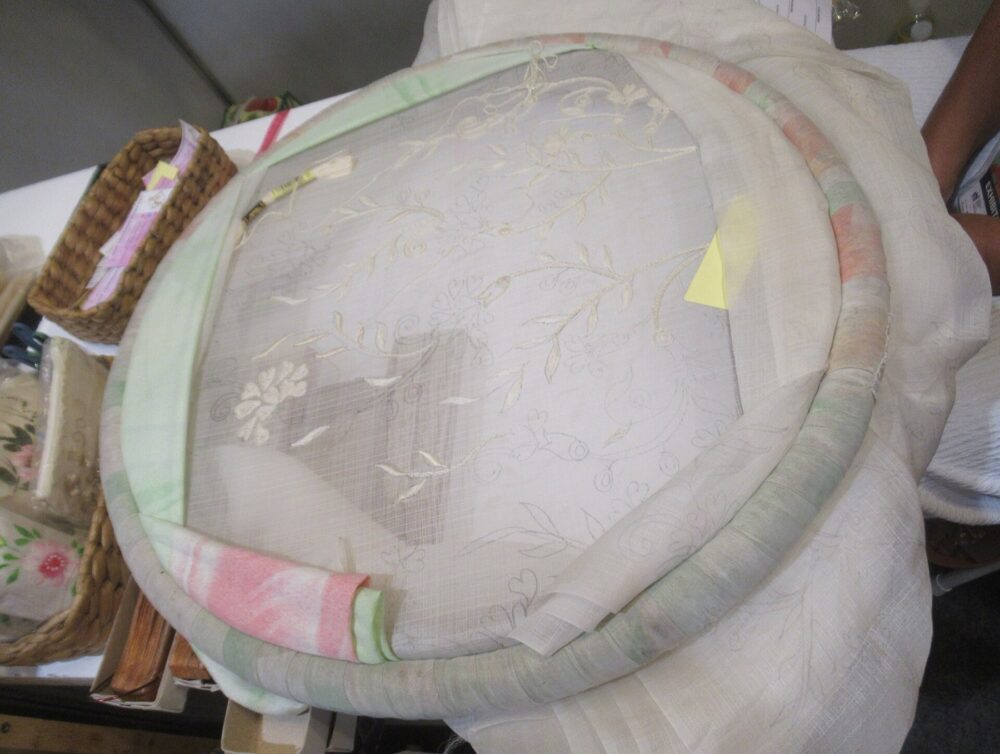
What Embroidery Hoop Wholesale Buying Really Involves
An embroidery hoop is a basic needlework tool: two rings that clamp fabric so your stitching stays flat and even. Wholesale buyers aren’t just buying “any hoop”; you’re choosing specific materials, sizes, and use cases that will dictate where you should source. DHgate is one cross-border multi-seller marketplace in this channel comparison; evaluate it against alternatives using the same product, cost, and operational criteria.
Core hoop choices:
- Material and finish: classic unfinished wood for rustic decor, polished wood, plastic imitation-wood hoops, or specialty frames. Bulk wooden hoops for crafts are a common category at US wholesalers like Art Cove Crafts.
- Use case: basic hand embroidery and cross‑stitch vs machine embroidery hoops compatible with specific brands. Machine hoops often require specialist suppliers.
- Size mix: small hoops for ornaments or keychains, mid‑size for wall art, large hoops for quilting panels. Your product line might center on two or three key diameters.
Wholesale buying usually means:
- Ordering multiples of the same SKU (e.g., 12-100+ identical wooden hoops) rather than one‑off retail variety packs.
- Accepting some kind of MOQ, from a dozen pieces with a US craft wholesaler up to cartons if you go direct to an overseas factory.
- Thinking beyond the first order: can you reorder quickly, at the same spec, if an Etsy listing takes off?
Specialized embroidery hoop suppliers like Panda Crafty explicitly target bulk buyers with multiple hoop styles, meaning you can build a line around consistent products rather than piecing together retail packs.
Marketplaces vs Direct Embroidery Hoop Suppliers: How They Compare
You can source hoops in three broad ways:
- Wholesale marketplaces: DHgate, Faire, and Etsy bulk listings
- Direct hoop manufacturers / specialist suppliers: Panda Crafty, machine‑hoop makers
- US craft wholesalers / distributors: Art Cove Crafts and similar
Here’s how those channels typically stack up for a small US buyer.
| Channel type | Typical MOQs & flexibility | Sampling & product discovery | Quality control & consistency | Logistics & relationship depth |
|---|---|---|---|---|
| DHgate & similar B2B marketplaces | Often relatively low MOQs per listing (varies by seller). Good for testing styles without huge upfront volume. | Wide product variety, search‑driven. DHgate’s own guidance suggests evaluating supplier ratings/reviews and requesting samples before larger orders. | Quality varies by supplier; you must vet each factory and confirm specs. Better once you’ve identified a reliable seller. | Cross‑border purchasing; relationship mainly via messaging. Can grow into OEM/custom work if the factory offers it, but still mediated by the marketplace. |
| Faire / Etsy bulk listings | MOQs often set per brand (e.g., packs of hoops or bundled kits). Fairly friendly to small retailers. | Strong for discovering finished craft brands; some brands also sell hoops or kits wholesale via Faire’s embroidery hoop category or Etsy bulk. | Quality tied to each brand, often with more design‑forward products. Less focused on bare commodity hoops. | Emphasis on retailer–brand relationships; better fit if hoops are part of a branded product line you resell. |
| Specialist hoop wholesalers (e.g., Panda Crafty) | Geared to bulk purchasing; MOQs can be higher but targeted to hoop buyers. Often easier to negotiate a consistent spec once volume grows. | Product selection focused on hoops and frames; you can compare styles and build a cohesive catalog. Panda Crafty markets itself specifically as an embroidery hoop wholesale supplier. | Business built around hoop quality; easier to standardize finishing, hardware, and packaging for repeat orders. | More relationship‑oriented: you’re a repeat buyer of a focused supplier rather than one of many marketplace customers. |
| US craft wholesalers (e.g., Art Cove Crafts) | Bulk packs in small case sizes are common. For example, Art Cove sells mini round wooden hoops in a 12‑piece bulk pack, illustrating modest MOQs for US buyers. | Limited but straightforward selection of craft‑grade hoops; good if you need basic small wooden hoops for ornaments or starter kits. | Generally consistent within each SKU, though options may be narrower than overseas factories. | Domestic shipping and support; less customization, but easier communication and shorter supply chains. |
A few embroidery‑specific angles to weigh:
- If you need machine embroidery hoops compatible with specific commercial or home machines, direct specialist suppliers or OEM‑oriented marketplaces (including DHgate, which emphasizes access to OEM factories in its editorial content) will matter more than general craft wholesalers.
- If you’re selling hoop art or kits, the visual finish of the hoop (grain, color, hardware) is part of the product. That pushes you toward suppliers who show detailed photos and can standardize finishing across runs.
Which Route Fits Your Business? Positioning DHgate and Other Options
For most small US craft and ecommerce sellers, the choice isn’t “marketplace or manufacturer forever” but which route to use at each stage.
1. Low-volume testing (Etsy or local market seller) If you’re experimenting with 20-50 hoops across sizes and styles:
- Marketplaces with low MOQs, including DHgate, can be useful for sampling different hoop styles and seeing what sells. DHgate’s own ecommerce sourcing guidance recommends checking supplier ratings/reviews and ordering samples before committing to larger wholesale orders, which aligns with this testing phase.
In this phase, prioritize suppliers that clearly show pack size, material, and hardware detail, and that let you reorder in modest increments rather than full pallets.
2. Growing online shop with a defined product line Once you know you’ll repeatedly sell, for example, 4″ and 6″ natural wooden hoops for wall art:
- A focused hoop wholesaler such as Panda Crafty or a machine‑hoop manufacturer becomes more attractive. They’re set up to supply consistent, repeatable hoops in bulk.
- DHgate can still play a role if you want to explore OEM/custom options (e.g., branded packaging, slight spec tweaks) with factories that list there, but your goal shifts from one‑off bargains to building a relationship with a specific supplier.
Here, invest time in one or two suppliers: compare sample hoops side by side, check hardware sturdiness, and confirm that the wood or plastic matches your brand aesthetics across batches.
3. Higher-volume reseller or kit brand If you’re bundling hoops into thousand‑unit beginner kits or wholesale wall‑art collections:
- Marketplaces like DHgate remain a sourcing channel for new hoop models or alternative factories if your primary source has issues, but they’re one part of a broader supplier mix.
A practical embroidery‑specific checklist
Before you commit to DHgate or any other route for wholesale hoops, align the decision with how your product actually uses the hoop:
- Hoop type clarity: hand vs machine; decorative vs utilitarian. Don’t mix suppliers for products that must look identical.
- Finish tolerance: how noticeable are variations in wood tone, plastic color, or screw hardware for your customers?
- MOQ comfort level: what’s the maximum number of hoops you can reasonably sell or store in 3-6 months? Favor marketplaces or wholesalers whose pack sizes match that reality.
- Sampling discipline: request and inspect samples from any new supplier—whether that’s a DHgate factory, a Panda Crafty bulk offer, or a Faire brand—before you upgrade to a larger order.
- Reorder reliability: look for signs that a supplier treats hoops as a core product category, not an occasional listing, so you aren’t scrambling for substitutes mid‑season.
For supporting DHgate context in this channel comparison, use Compare DHgate with AliExpress, Alibaba and Temu, What DHgate is and how the marketplace works, and Find wholesale suppliers on DHgate.
Used this way, DHgate is one useful marketplace in your embroidery hoop toolkit: strong for exploring factories and price points, less suited as your only long‑term supplier until you’ve done the hoop‑specific homework to confirm quality and consistency.