
How Wholesale Jewelry Display Tray Buying Works for Small US Brands
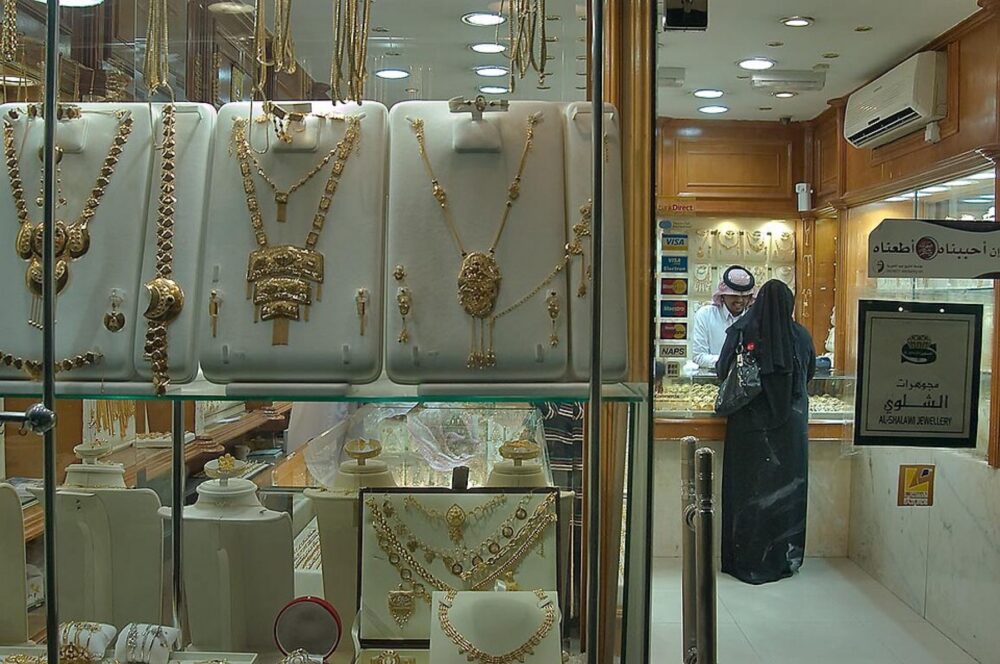
Jewelry display trays are retail presentation tools for rings, bracelets, earrings and sets, often used in showcases, pop-up booths and trade shows. Suppliers such as Jewelry Display Inc and Store Supply Warehouse show how broad the category is: economy leatherette or velvet, stackable plastic, wood, with different inserts for rings vs chains. Cross‑border specialists like JewelryPackBox’s tray line add custom colors and branding on top. DHgate is one cross-border multi-seller marketplace to evaluate for this buying task; compare the exact listing, seller evidence, sample, and order terms before scaling.
In wholesale, you’re usually dealing with two tray types:
- Stock trays – existing designs and colors the factory already runs.
- Custom trays – your dimensions, fabric, color palette, logo, or compartment layout.
For stock trays, MOQs are typically driven by packing and production efficiency rather than tooling. Industry guides for storage and hanger products often mention MOQs in the hundreds up to thousands of units for bulk buyers, with room for negotiation in some categories. Those ranges are directional rather than guarantees for trays, but they explain why a supplier may insist on “x pieces per color” or “y pieces per design.”
For custom trays, MOQ, sample time and production lead time tend to move together. A storage-products buyer guide points out that the real answer depends on material, color, branding, packaging and factory schedule rather than a single number printed on a webpage. For trays, that translates into practical trade‑offs:
- Switching from generic black velvet to a custom tan microfiber might raise MOQ and extend sample time.
- Adding an embossed logo usually adds a design step and can add a few days to sampling and bulk production.
- Mixed colors in one order are easier if they share the same base material and only differ in dye.
For a small US brand, the key is to connect these moving pieces to your retail calendar. If you’re outfitting a mall kiosk for a holiday season, you want samples and bulk production scheduled so trays arrive before your jewelry, with buffer for customs and freight. If you run an online brand and use trays mainly for photography and packing, you may accept longer lead times to get lower per‑unit cost.
Evaluating and Communicating with Jewelry Display Tray Suppliers
Trade show advice repeatedly stresses a few core topics to cover with any supplier: price, MOQ, price breaks, lead time and samples. Those same topics work well when you message a tray supplier on a marketplace or by email.
Here’s a practical question set you can paste into your first message (and adapt for DHgate, Alibaba.com or a direct factory):
MOQ and configuration
- “What is your MOQ for this tray? Is it per color, per design, or per total order?”
- “Can I mix colors in one order? If yes, what is the minimum per color?”
- “Is the insert counted separately in MOQ, or is tray + insert one unit?”
Samples
- “Can I order samples of this tray before a bulk order? Are samples from existing stock or produced to my spec?”
- “If I add my logo or change fabric color, do you need a new sample, and is there a sample charge?”
- “How long does it usually take from sample payment to shipment?”
Lead time and scheduling
- “After I approve samples, what is your typical production lead time for this MOQ?”
- “Does lead time change for repeat orders if I keep the same design and colors?”
- “Do you have high‑season periods where lead times are longer?”
Packaging and replenishment
- “How are trays packed (per carton, protective wrapping) to avoid damage in transit?”
- “What is the minimum for repeat orders, and can you hold records of my color and logo specs?”
On DHgate specifically, the company’s blog guidance on boutique sourcing and ecommerce suggests three habits that carry over well to tray buying: check seller ratings and feedback, request samples before bulk orders, and communicate directly about details like materials and customization. Treat the messaging thread as your working file: capture decisions on fabric, colors, logos and carton counts there so you can revisit them for replenishment.
Choosing a Sourcing Channel: DHgate, Other Marketplaces, and US Wholesalers
You have three broad ways to source trays: a marketplace like DHgate or Alibaba.com, a direct factory, or a domestic wholesaler. None is automatically “best” for every small brand, so it helps to compare them side by side.
Here’s a compact, tray‑specific comparison based on public guides and marketplace editorials:
| Channel type | Typical MOQ flexibility (editorial judgment) | Customization access (logos, colors) | Fit for small US buyers |
|---|---|---|---|
| DHgate marketplace | No platform‑wide MOQ; individual sellers often allow smaller trials due to tiered pricing described in DHgate’s blog | Often access to OEM factories offering custom and branded products via DHgate’s sourcing guidance | Good for testing 1-2 tray styles cross‑border before committing to large runs |
| Alibaba‑style B2B site | Editorial blogs often cite MOQs from ~100 units upward for many categories, with room to negotiate | Strong focus on OEM/ODM, deeper tooling and custom options | Better when you already know you’ll order larger volumes and can manage B2B negotiations |
| US wholesale sites | Often sell by the case but allow small multi‑case orders, effectively low MOQs | Mostly limited to stock colors and designs, light logo options at best | Best for fast delivery, simpler logistics and replacing trays quickly |
How to structure a DHgate order for trays
DHgate’s blog describes it as a Chinese ecommerce platform without a platform‑wide MOQ requirement and using tiered pricing, where larger orders get lower unit prices, while individual wholesalers set their own MOQs and prices. For trays, that impacts how you plan test orders and bulk buys:
- Search and filter like a merchandiser. Use specific terms such as “velvet jewelry display tray,” “ring display insert,” or “stackable jewelry tray.” Narrow by material and color so you’re comparing similar SKUs, not mixing plastic stackers with luxury suede.
- Evaluate sellers, not just listings. DHgate’s editorial content urges buyers to review seller ratings, transaction history and feedback before committing. For trays, look in reviews for mentions of fabric quality, color accuracy and damage in transit.
- Start with a paid sample or very small order. DHgate’s counterfeit-recognition FAQ even recommends ordering a small quantity first to test quality before risking a large amount of money. For trays, that might mean a handful of trays in your target material and one color, then a second round with your logo once you’re confident.
Before choosing a DHgate supplier, use Find wholesale suppliers on DHgate, Find DHgate suppliers, and Choose a DHgate wholesale supplier.
If you’re nervous about cross‑border complexity or have a launch date that can’t slip, domestic wholesalers like Jewelry Display Inc, Store Supply Warehouse, or similar regional suppliers may be a safer first step, even if per‑unit tray cost is higher. Use DHgate for incremental experiments or a second supplier once you’ve stabilized your core display setup.