
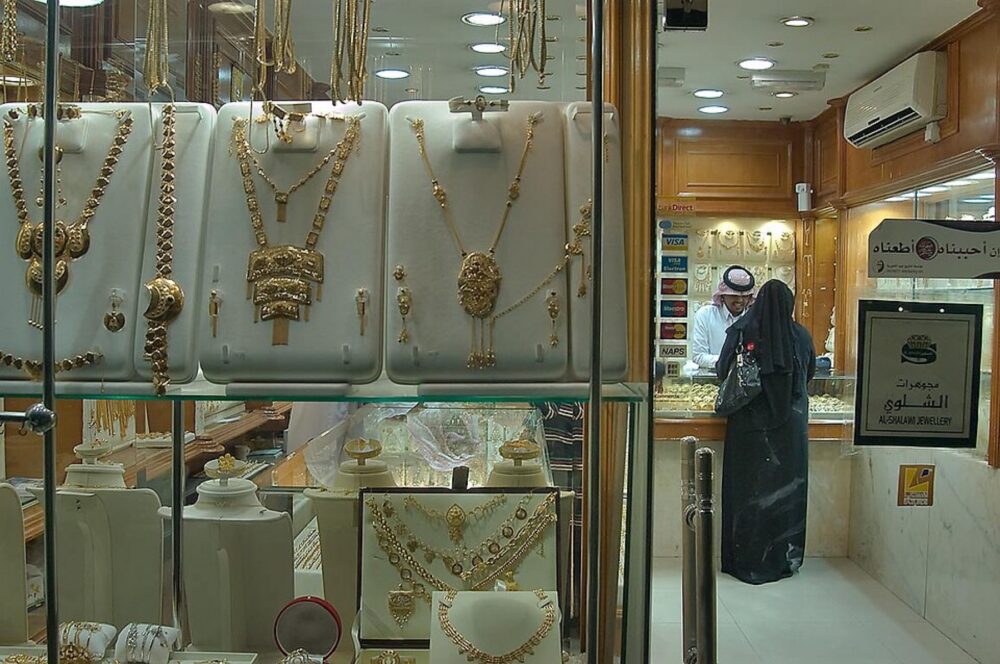
Wholesale buying of jewelry display trays means purchasing trays in bulk directly from manufacturers or display/packaging specialists, usually at a discounted per‑unit price. For many US retailers and craft vendors, that often points to Asia‑based suppliers and marketplaces like DHgate, Alibaba, or Made‑in‑China, alongside specialist display companies. Your real job is to decide whether cross‑border bulk trays make sense for your volume and brand, then pick a supplier you can reorder from without surprises on quality, fit, or freight.
If you sell jewelry in a physical store, at craft fairs, or online, trays are infrastructure: they organize your inventory, shape how customers perceive your brand, and determine how fast you can set up or pack down. Sourcing them smartly is less about chasing the absolute cheapest unit price and more about balancing material quality, stackability, weight, and long‑term supply.
How Wholesale Jewelry Display Tray Sourcing Works
Wholesale jewelry display trays are typically produced by manufacturers and packaging/display specialists, often in China and other Asian countries, then sold in bulk to retailers and exhibitors. A buyer guide from a display producer describes wholesale tray buying as retailers purchasing trays directly from manufacturers or suppliers at discounted rates to present merchandise professionally and manage costs over time.
Common tray types you’ll see in wholesale catalogs:
- Flat trays for mixed pieces or small sets
- Sectioned trays with individual compartments for rings, earrings, or pendants
- Insert‑based systems where a single outer tray accepts different foam or flocked inserts
Typical materials: MDF or lightweight wood with velvet or leatherette covering, PU or real leather, acrylic, and various foams. These choices affect durability, perceived quality, and—crucially for cross‑border buyers—weight and volume.
Specialist display suppliers such as Jewelry Display Inc’s tray and insert range sell exactly these formats to retailers, often with standardized sizes that fit showcase cases or safe drawers. That’s the same basic ecosystem you tap into when you buy trays wholesale through DHgate or other marketplaces; the difference is mostly channel, not the underlying product category.
For a small US business, cross‑border wholesale is attractive because:
- Unit prices on standard trays can be much lower at factory or near‑factory level.
- You can often customize colors, logos, or insert layouts once your volume is high enough.
- You’re not locked into a single domestic distributor’s catalog.
But it’s complex because you must manage MOQs (minimum order quantities), international shipping, quality consistency, and communication across time zones.
Evaluating Cross-Border Tray Suppliers and Channels
You have three broad sourcing routes:
- Global marketplaces (DHgate, Alibaba, Made‑in‑China): lots of suppliers, cross‑border pricing.
- Specialized display wholesalers (Jewelry Display Inc, EdsBox, StoreSupply, JewelryPackBox): curated tray catalogs aimed at retailers.
- Domestic distributors / local packaging suppliers: faster delivery, simpler communication, often higher pricing.
A few tray‑specific factors help you sort the good fits from the risky ones.
Channel fit: where each route shines
Here’s a compact view of how these options usually stack up for trays:
| Channel type | Best for | Typical strengths | Typical trade‑offs |
|---|---|---|---|
| Cross-border multi-seller / similar marketplaces | Budget‑sensitive buyers, testing small batches first | Lots of suppliers; marketplace search & filters; tiered pricing | Vetting each seller; variable communication; longer lead times |
| Specialist tray wholesalers | Brick‑and‑mortar stores needing standard displays | Consistent sizing; proven retail formats; easier reorders | Higher unit cost; less deep customization at low volume |
| Domestic distributors / packaging | Last‑minute needs, small top‑ups, simple logistics | Fast shipping; no customs; straightforward support | Limited selection; wholesale pricing may be higher |
Specialist display companies like Jewelry Display Inc or tray‑focused brands such as JewelryPackBox publish standardized dimensions, insert options, and materials—they’re designed for retailers who want to plug trays straight into showcases. That predictability can matter more than a low per‑unit price if your store has a specific case footprint.
DHgate is described in its own blog as a Chinese B2B marketplace connecting manufacturers and suppliers with buyers globally, offering millions of products and wholesale discounts with the ability to buy in small quantities. For trays, that means you might find both factory‑level and trading‑company listings, often with options to order a handful of units before committing to a pallet.
Listing- and supplier-level checks (not generic “reputation” advice)
On DHgate and similar marketplaces, you don’t get a single unified “tray supplier”; you get lots of individual sellers. DHgate’s editorial guidance suggests using several specific signals:
- Search filters: narrow by product type, minimum order quantity, payment method, and supplier type (manufacturer vs trader). That helps you avoid listings that only make sense for huge chains.
- Ratings, reviews, and transaction history: DHgate’s blog recommends reviewing these to gauge whether a supplier is established and how previous buyers felt about product quality.
For tray‑specific due diligence, combine those filters with practical questions:
- “Can you confirm the exact outer dimensions of this tray in inches and whether it fits standard showcase sizes?”
- “What is the material of the core (wood, MDF, plastic) and the covering (velvet, leatherette, PU)?”
- “Are these trays stackable, and do you offer matching lids or dust covers?”
- “What is the weight per tray and the typical packaging configuration (number of trays per carton)?”
Those questions matter because heavy trays drive up freight cost, and odd dimensions can fail to fit your existing cases or craft‑fair bins.
Scenario callouts:
- Brick‑and‑mortar store: prioritize standardized sizes, clean stitching, color consistency, and easy reorder. Specialized wholesalers or well‑rated DHgate suppliers with clear dimensions are a better fit than random bulk lots.
- Craft fair vendor: favor lightweight, stackable trays that pack in rolling cases. Cross‑border trays can be attractive if you’re buying 10-30 units; domestic choices may win if you need them next week.
- Online‑only seller: trays mostly live behind the scenes. You can accept more cosmetic flaws if the price is right, but you still need durability and organization.
Structuring Orders on DHgate and Alternatives: MOQ, Pricing, and Logistics
DHgate’s blog highlights several mechanics that are directly relevant:
- The platform is known for having no universal minimum order quantity, with many listings allowing buyers to purchase one or a few units.
- It describes a tiered pricing system where larger quantities typically get a lower per‑unit price.
- It recommends evaluating supplier ratings/reviews and ordering samples before committing to larger quantities.
Use those ideas, but apply them to trays in a disciplined way.
1. Start with samples and a small test batch
On DHgate:
- Use search filters to find “jewelry display tray” or related terms, then narrow by low MOQ.
- Message 2-3 suppliers: ask if they will ship 2-4 sample trays in your preferred color and insert style.
- Check real samples for:
- Surface finish (velvet/leatherette feel, color match vs your brand)
- Stitching and corner quality
- Stackability and rigidity
- How they survive a couple of setups and breakdowns
DHgate’s editorial guidance explicitly suggests requesting samples; treat that as non‑negotiable for trays, where touch and finish matter.
With specialist wholesalers like Jewelry Display Inc, you may be able to order a handful of trays straight from their catalog instead of dealing with custom samples. The trade‑off is fewer customization options at very low volume.
2. Negotiate MOQ and price tiers around your real needs
Once a sample passes your tests, move to a structured conversation. A simple script you can adapt for DHgate or other suppliers:
“We operate a small jewelry business in the US and are planning to buy display trays. Our first order target is 30-50 trays, but we plan to reorder if they perform well. Could you share: 1) your price breaks at different quantities, 2) your minimum order quantity for this design, and 3) whether you can keep this style available for at least the next 12 months?”
Points to clarify:
- MOQ flexibility: DHgate blog content notes that many suppliers will take small orders; still, each seller sets their own MOQ. Ask directly if they can bend it for an initial test order.
- Tiered pricing: request a simple price ladder (e.g., 20, 50, 100 trays) and run the math including estimated freight.
- Reorder expectations: trays are part of your brand identity. Confirm whether the supplier expects to keep the same fabric, foam, and dimensions in production.
For alternatives like JewelryPackBox or EdsBox, the MOQ is often simply “1 carton” or even single units, but wholesale discounts kick in at higher quantities—run the same freight‑plus‑unit calculations.
3. Get serious about logistics: weight, volume, and packaging
Cross‑border trays aren’t like tiny charms; they eat cubic feet. Before you finalize a DHgate or other marketplace order, ask for:
- Exact carton dimensions and weight for your target quantity.
- Photos of packing layout (trays nested vs separated, protective layers).
- Confirmation of whether trays come with dust covers or lids.
A simple email snippet:
“To estimate total landed cost, could you please confirm the carton size and weight for 40 trays of this model, and how they are packed (individually wrapped, nested, etc.)? We need this to plan our shipping budget and storage space.”
You then compare:
- The hidden savings from stackable, lighter designs vs heavier wood or acrylic trays.
4. Decide when DHgate is the right tool—and when it isn’t
DHgate can be a good fit if:
- You want to test multiple tray styles from different suppliers using small MOQs.
- You’re price‑sensitive and willing to do more vetting and communication.
You may be better off with specialist or domestic wholesalers if:
- You need trays within days, not weeks.
- Your brand demands very tight color and material control, and you’d rather pay for that predictability.
If you do choose DHgate, investing time in supplier search and vetting pays off. These DHgateWiki articles can help you go deeper on the mechanics:
The right tray sourcing plan is the one that keeps your display consistent, your margins healthy, and your reorders boring—in the best possible way.