
What Wholesale Padded Paper Mailers Buying Really Looks Like
Wholesale padded paper mailer buying means treating mailers as a repeat, spec‑driven packaging commodity: you define exactly what you need, test a few sources, then lock in a supplier for ongoing orders. DHgate is one cross‑border marketplace you can use for that process, but you still manage specs, sampling, and risk yourself.
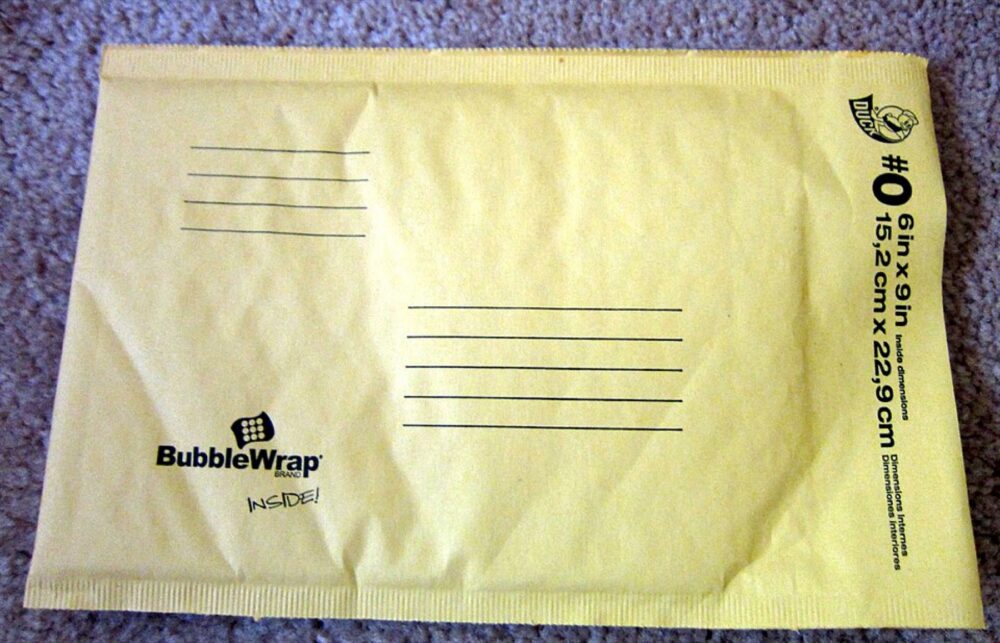
Padded paper mailers are envelopes with a paper exterior and an internal cushioning layer—often bubble or foam—to protect small and medium items in transit. US vendors such as ShopBubbleMailers show typical ranges: kraft bubble mailers from tiny #000 sizes up to large #7 formats, in plain or printed variants.
You’ll also see newer designs like recyclable flexible padded paper mailers where the padding is paper‑based rather than plastic bubble, such as Ecojacket‑style mailers sold by U.S. Plastic Corp. These can matter if your brand emphasizes eco credentials or wants to avoid mixed‑material packaging.
On the supply side you’re usually dealing with:
- Converters/packaging manufacturers that laminate paper and padding, then cut and seal mailers.
- Domestic wholesalers (for example, Package Mart) that carry stock sizes and resell in cases.
- Cross‑border sellers on marketplaces like DHgate, Alibaba, and Made‑in‑China who either own a factory or broker factory output.
For a small US ecommerce operation, “wholesale” often starts with case‑level orders per size and grows toward pallet‑level buying once you’ve proven a spec and supplier.
Specifying and Vetting Suppliers (Including DHgate Sellers)
Your biggest lever is a tight spec that you reuse across all suppliers. Instead of sending a fill‑in message, think in terms of a checklist you always include.
A mini spec you can reuse in quotes and messages
When you contact suppliers on DHgate or domestically, cover at least:
- Product type: Padded paper mailers (kraft or white, bubble or paper‑padded).
- Sizes: Interior dimensions and any postal constraints (for example, whether they must fit USPS standard or flat‑rate categories).
- Paper: Desired weight range (for instance, medium‑weight kraft), recycled content expectations, and color.
- Padding: Whether you want bubble, foam, or all‑paper padding, and how robust it needs to be.
- Sealing: Self‑seal strip, adhesive strength expectations, and whether you care about tamper evidence.
- Printing: Unprinted vs logo or full‑color; rough idea of coverage (small logo vs fully branded front).
- Eco / recyclability signals: Any requirements like plastic‑free construction or curbside recyclability claims from the supplier.
- Order details: Target quantity per size for the first order plus rough ongoing monthly volume.
- Outer packaging: Case quantities, carton dimensions, and whether palletization is available for larger orders.
Send the same spec to multiple suppliers and keep their responses organized so you can compare offers directly.
Using DHgate messaging and samples
DHgate’s importing guidance recommends using its internal messaging system to discuss specs, pricing, MOQs, customization options, and to request samples before larger orders. The blog advice is to:
- Introduce your business briefly and list your padded mailer requirements clearly.
- Ask specific questions on paper grade, padding type, and available sizes, rather than relying on generic listing text.
- Discuss different versions (printed vs unprinted) if you might add branding later.
Editorial packaging content from DHgate notes that packaging material sellers often send samples before you commit to a large run. Treat this as something to request rather than an automatic feature:
- Ask if they can send a small bundle of sample mailers in each proposed size and material.
- Confirm that the samples will match the final bulk run construction.
Once samples arrive, run practical tests rather than just visual checks:
- Pack your real products and ship them through USPS, UPS, or another common carrier.
- Inspect seams, adhesive strength, and how the padding behaves after a typical journey.
- Note any tearing at corners or edges and how the mailers handle stacking and compressive forces.
Practical supplier vetting signals
DHgate’s bulk‑buying editorial guidance highlights a few checks that translate well to padded mailers:
- Use search filters to narrow results by material and rough dimensions.
- Look carefully at seller ratings and reviews, especially buyer photos that show actual packaging.
- Message sellers to verify bulk pricing tiers and ensure that listing images and descriptions match the spec you’ve sent.
Outside DHgate, domestic sites like ShopBubbleMailers or Package Mart publish material details and standard case quantities for their mailers. You can treat those published specs as a benchmark when evaluating cross‑border proposals.
To keep your options straight, it often helps to summarize key differences in a simple table:
| Channel / supplier type | Typical spec flexibility | Sampling approach |
|---|---|---|
| DHgate seller | Often can adjust paper, padding, printing | Ask via DHgate messages; paid samples |
| US wholesaler (stock mailers) | Mostly fixed sizes/materials | Buy a case or mixed sizes as trial |
| Factory or brokered output | High flexibility, full customization | Negotiate pre‑production samples by mail |
This keeps your focus on how easily each option can match your spec and provide proof of quality before you commit.
MOQs, Pricing, Logistics and When DHgate Makes Sense
Minimum order quantities (MOQs), bulk pricing, and freight shape your total cost more than any single sticker price. You won’t find universal MOQ numbers for padded paper mailers, but you can expect patterns:
How DHgate’s editorial advice fits into your first order
DHgate blog FAQs recommend ordering a small quantity first to test product quality and seller reliability before a larger bulk purchase. Combined with the bulk‑buying guidance, this points to a conservative first‑order strategy:
- Shortlist several padded mailer listings that appear to match your spec.
- Use messaging to confirm details, ask about tiered bulk pricing, and request samples.
- Place a manageable first order rather than jumping straight to your full annual volume.
DHgate’s comparison content argues that its marketplace is generally more cost‑effective than Amazon for bulk orders because it focuses on wholesale pricing and discounts for higher quantities. Treat that as DHgate’s perspective and still run your own math.
A simple landed‑cost thought process
When you compare DHgate or other cross‑border options to domestic wholesalers, think through your costs qualitatively along these lines:
- Unit price on the platform – Cross‑border sellers may quote a lower per‑mailer price, especially at higher quantities.
- International freight and customs – For heavy or bulky mailers, international shipping can add meaningful cost and complexity; duties and brokerage fees can narrow the apparent savings.
- Domestic freight and handling – Buying from a US wholesaler often means simpler ground shipping and no customs paperwork, though unit prices are typically higher.
- Risk and cash‑flow impact – Larger cross‑border orders tie more cash into packaging inventory and extend your exposure if quality is off.
If, after including freight and risk, the cross‑border option still looks clearly cheaper and you have stable demand, DHgate may make sense. If savings are marginal or your volume is low and variable, domestic buying often remains the practical choice.
When DHgate is a good fit
Exploring DHgate for padded paper mailers is more attractive when:
- Your demand is reasonably stable and you can plan several months of usage.
- You’re willing to invest time in sampling and communication before committing.
- You need custom branding or nonstandard sizes that US stock lines don’t offer.
In that scenario, a typical workflow looks like:
- Use DHgate search and filters to find 3-5 padded mailer listings that broadly match your requirements.
- Message each seller with your spec checklist, ask for samples, and request clear tiered pricing and MOQs per size.
- Compare sample performance and responses, then choose one supplier for a small initial bulk order.
- If that order performs well, build a repeat‑order pattern and keep your spec document updated with any refinements.
If you want more detail on DHgate‑specific supplier searching and evaluation, see related sourcing guides such as finding wholesale suppliers on DHgate, finding DHgate suppliers, and choosing a DHgate wholesale supplier.
When domestic wholesale may be better
Domestic wholesale mailers often make more sense when:
- Your volume is low or unpredictable, and you prefer buying by the case as needed.
- You don’t need custom printing immediately and can live with standard kraft or white bubble mailers.
- You value fast, simple replenishment over chasing marginal unit‑cost savings.
In that situation, using published specs and case quantities from sites like ShopBubbleMailers or Package Mart is usually enough: you pick a few sizes, buy cases to test, and scale up only when your product mix and shipping patterns stabilize.