
If you’re shopping online for “turtle” or “sea turtle” aquariums, you’ll mostly find two very different products: real habitats for pet turtles and decorative tanks or ornaments that use turtle imagery. For pet-safe turtle tanks in the US, big retailers like Petco and Chewy carry most of the practical options. Decorative turtle or pseudo–“sea turtle” aquariums and novelty pieces are more common on global marketplaces and social platforms; DHgate is one place you may see unusual turtle-themed designs, but listing quality and seller reliability vary, so you have to vet each seller by their ratings, photos, and reviews.
For small ecommerce sellers, that split matters: you probably don’t want to import functional habitats sight unseen, but you might source themed decor cross-border and keep serious husbandry gear domestic. Before you choose a channel, you need to be clear on whether you’re housing a living turtle or just designing a turtle-inspired display.
What Buyers Mean by “Turtle and Sea Turtle Aquariums”
Most US buyers searching this phrase fall into one of these scenarios:
- Aquatic pet turtle habitat – a tank or enclosure for red-eared sliders, painted turtles, or similar species. This must be a life-support system: adequate water volume, swimming space, strong filtration, and a dry basking area under appropriate lighting, as outlined in care resources such as PetMD’s aquatic turtle sheet.
- Turtle-themed decorative aquarium – any fish tank or terrarium with turtle-shaped glass, turtle figurines, or a “sea turtle” aesthetic. These can be stylish, but they’re usually not engineered around real turtle welfare.
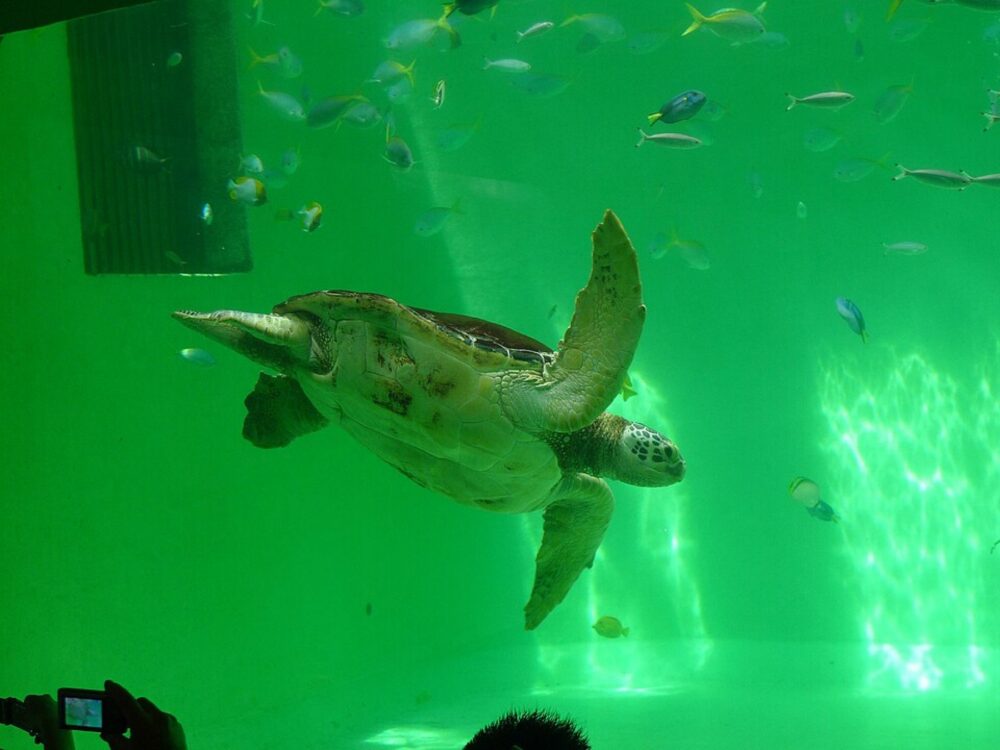
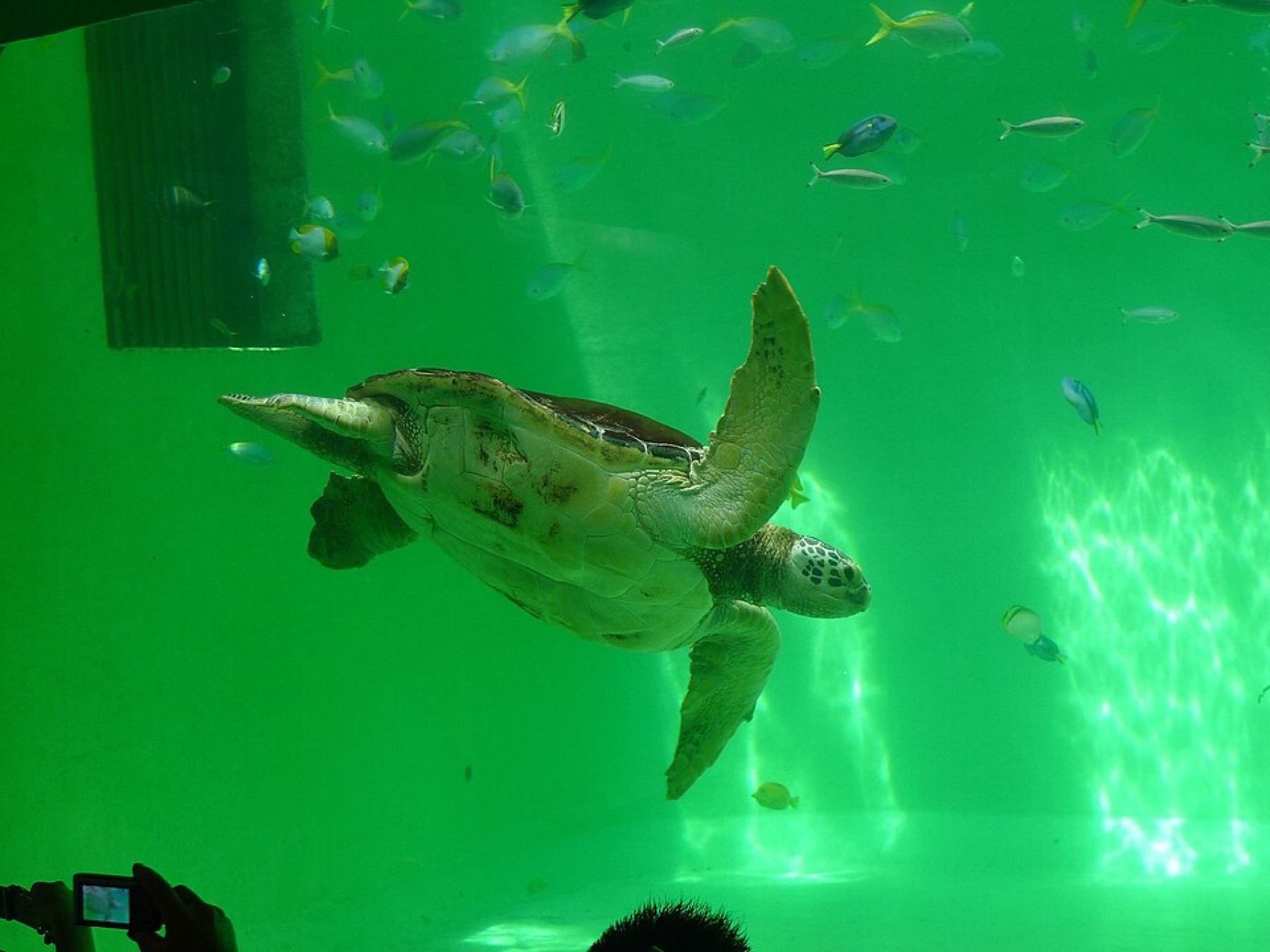
The phrase “sea turtle aquarium” is especially misleading. Sea turtles are large, migratory marine reptiles; sources such as Enviroliteracy and conservation programs like the South Carolina Aquarium’s sea turtle work emphasize that they belong in the open ocean or specialized rehabilitation and exhibit facilities, not home tanks. Space requirements and conservation concerns make true sea turtle aquariums a professional, not consumer, undertaking.
So if you see a “sea turtle ecological tank” online, assume it’s either:
- A standard fish or small-animal tank with turtle graphics, or
- A toy or building set using sea turtle imagery, not a real habitat.
For any live turtle, your task is finding a species-appropriate enclosure, not a cute shape.
Key Turtle Aquarium Types and Buying Factors
If your goal is a habitat for an aquatic pet turtle, online listings tend to fall into a few practical formats described by guides such as Infotortuga’s turtle aquarium overview and independent tank roundups:
- Standard glass aquariums – conventional rectangular fish tanks (often 40+ gallons) adapted for turtles. They give you volume for swimming and filtration plus room to mount a basking platform.
- Shallow turtle-specific tanks – lower, wider tanks with built-in docks or land sections along one side. These are marketed as “turtle aquariums” and aim to simplify the basking area.
- Land–water tubs and Waterland-style enclosures – large plastic tubs or sectional enclosures (for example, products from Waterland Products or land tubs sold by LLLReptile) that separate a swimming zone from a land basking area. These suit bigger or multiple turtles and can be used indoors or in protected outdoor setups.
Before you decide which format, online buying guides like AllTurtles’ tank picks and retailer education pages from Chewy highlight a few recurring factors:
- Tank size and growth – turtles grow substantially, and most guides favor larger aquariums that give headroom for adult size and plumbing. If a listing feels “cute” but tiny, it’s probably decor, not a habitat.
- Filtration capacity – compared with fish, turtles are messy. Strong external filters with space for media are common in recommended setups; bare-bones kits can leave you upgrading quickly.
- Basking platform and lighting – a secure dry area is non‑negotiable. Look for tanks that either include a solid dock or have space to add one, plus room above for heat and UVB lighting hardware.
- Materials and access – thick glass or sturdy plastic that you can easily clean, with top access for maintenance and feeding.
For a decorative turtle-themed aquarium, the buying criteria shift. Volume, filtration, and basking space only matter if you plan to keep live animals. If you’re just building a display (for fish, plants, or as an empty art piece), you’re mainly comparing:
- Overall design and turtle motif
- Glass clarity and seal quality
- Compatibility with standard filters or lights if you’ll stock fish or shrimp
Best Online Channels to Find Turtle and Turtle-Themed Aquariums (Including DHgate)
Once you know whether you’re buying a functional habitat or decor, the channel options become much clearer.
1. Major US pet retailers: safest for real turtle habitats
For US buyers, the most straightforward source for functional turtle tanks is the big pet chains:
- Petco – their reptile section includes dedicated turtle tanks and terrariums, plus bundled aquatic turtle kits from mainstream brands (see their turtle tanks and terrariums category). These are built around filtration and basking needs rather than aesthetics alone.
- Chewy – lists turtle tanks and larger aquariums in its turtle tank category, and pairs products with setup guides that stress tank size, dock strength, and lighting.
These channels excel if:
- You want gear that aligns with common husbandry advice.
- You’re a small seller bundling starter kits for beginner turtle owners; you can mirror what these retailers stock, rather than experimenting with unfamiliar cross-border hardware.
2. Specialist reptile channels: advanced setups and larger enclosures
If you’re housing larger turtles, multiple animals, or you want semi‑outdoor land–water systems, specialist reptile and enclosure makers offer formats you won’t usually see at big-box stores:
- Waterland-style tubs and enclosures from makers such as Waterland Products, which separate land and water in one unit.
- Reptile supply houses such as LLLReptile’s aquatic turtle accessories catalog, which bundle docks, filters, and other gear around turtle-specific use.
These sites are better suited to:
- Experienced keepers scaling up from small aquariums.
- Educators, nature centers, or retailers building display habitats where welfare must be defensible.
Cross-border sourcing from such specialists can be an option for businesses, but freight and support become real considerations, so many US sellers stick with domestic stock for life-support equipment.
3. Global marketplaces and social platforms: unique turtle-themed decor
For turtle-shaped tanks, sea-turtle-inspired glass, or novelty aquariums, you’ll see more variety on global marketplaces and social commerce channels than on pet-specific sites.
- Marketplaces host everything from small desktop turtle-shaped fish tanks to acrylic decor pieces, as well as toys that mimic “sea turtle ecological tanks.”
- Social platforms with shopping features (for example, TikTok Shop search pages for “turtle aquarium”) surface trending designs and influencer-made bundles.
DHgate falls into this group as a global marketplace where individual sellers list a wide range of products, including pet supplies and turtle-themed aquarium decor. For US buyers and small ecommerce sellers, its value is mainly in unusual, lower-volume designs you won’t see at Petco or Chewy. The tradeoff is that seller reliability and product quality differ from listing to listing, so you should treat each offer as its own micro‑brand: check photos closely, read buyer feedback, and verify that anything you plan to use with live animals actually supports filtration, volume, and basking needs rather than just looking like a turtle.
If your goal is reselling decor only (empty turtle-shaped tanks, turtle ornaments, or sea-turtle-themed display pieces), global marketplaces can be useful because design variety is high and you’re not depending on them to be primary life-support equipment.
Quick channel comparison
Here’s a compact way to map your use case to an online channel:
| Your goal | Best-fit channel type | Example sites | Why it fits |
|---|---|---|---|
| Long-term habitat for a single pet turtle | Major US pet retailer | Petco, Chewy | Tanks and kits that track mainstream care guides; easier returns and support. |
| Larger or multi-turtle enclosure (indoor or semi‑outdoor) | Specialist reptile/enclosure makers | Waterland Products, LLLReptile | Purpose-built land–water tubs and turtle-focused accessories. |
| Turtle-themed aquarium decor for home or office | Global marketplaces / decor-focused shops | DHgate (decor listings), niche decor stores | Wide variety of turtle-shaped or sea-turtle-themed designs; good for non-critical display pieces. |
| Inventory for a small ecommerce shop selling turtle decor only | Global marketplaces plus social commerce | DHgate, social platforms | Access to unique designs and cross-border wholesale; requires careful seller vetting and sample checks. |
If the product you’re considering will support real turtles, prioritize channels that are already aligned with care guidance and habitat engineering. If it’s strictly decorative, you have more freedom to chase distinctive turtle or sea-turtle aesthetics from cross-border marketplaces, as long as you stay clear on what is art and what is a true habitat.
Sources
- Turtle tank and habitat needs: PetMD – Aquatic Turtle Care Sheet
- Tank formats and buying guidance: Infotortuga – Turtle Aquarium Guide, AllTurtles – Best Turtle Tanks
- Sea turtle unsuitability for home aquariums: Enviroliteracy – How Big of a Tank Do You Need for a Sea Turtle, South Carolina Aquarium – Sea Turtle Conservation
- Retail and specialist channel examples: Petco – Turtle Tanks & Terrariums, Chewy – Turtle Tanks Category, Waterland Products, LLLReptile – Aquatic Turtle Accessories