
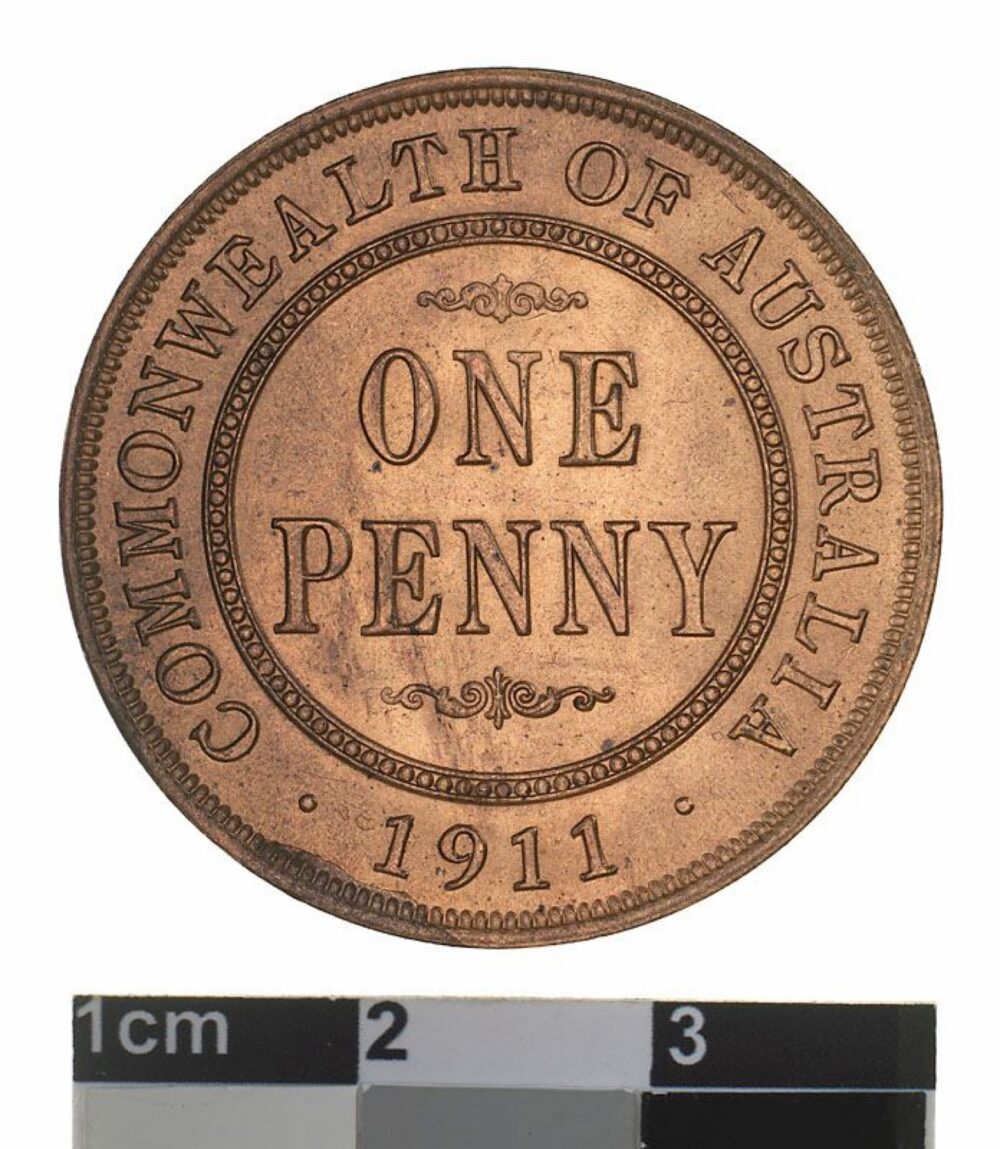
Genuine Australia Post Coins & Collectables are not supposed to show up as new, official stock on DHgate. Australia Post issues its own stamp-and-coin products and typically sells them through its online collectables site and participating post offices, not on global marketplaces. Any DHgate listing you find that mentions Australia Post, Bluey, Vegemite or similar themes should be treated as a replica, an unofficial themed item, or a private resale that requires strict scrutiny.
DHgate can still be useful if you’re chasing cheap, themed novelties or unofficial Bluey-style coins for kids or low-stakes merchandising. It is a poor fit if you care about numismatic value, official licensing, or building a serious Australia Post collection.
What Australia Post Coins & Collectables Really Are (and Why That Matters for DHgate)
Australia Post’s collectables range covers more than everyday stamps. It includes special stamp packs, postal numismatic covers (PNCs) that pair stamps with coins, and other themed items tied to events, TV shows, and Australian icons. These are presented across Australia Post’s own collectables hub, including its dedicated site at collectables.auspost.com.au.
Australia Post describes stamp-and-coin collecting and PNCs within its own ecosystem, emphasising that you explore and buy through its channels and community content rather than generic marketplaces.Source In practice, if you want an official Bluey PNC, an Australia Post Vegemite coin set, or a current-year thematic issue, you go to:
- The AusPost Collectables website
- Australia Post’s online shop section for collectables
- Participating post offices or recognised specialist dealers
Because these are branded, licensed postal and coin issues, they are organised through official distribution. DHgate, by contrast, is a general cross-border marketplace used by small and medium businesses to import goods from Chinese suppliers. That makes it a natural source of themed or lookalike items, but not of official Australia Post stock.
The practical takeaway: if a DHgate listing claims to be a brand-new official Australia Post coin or PNC, treat that as a red flag and assume you’re looking at either a misdescription or an unofficial product.
If You Still Search DHgate: How to Find and Screen Australia Post–Themed Listings
If your goal is low-cost themed stock (e.g., Bluey-style coins for party favours, generic “Australia” souvenir coins, or kids’ novelty sets), you can use DHgate as a discovery tool. Here’s how to do it with your eyes open.
1. Use targeted search terms
Start with DHgate’s search bar and combine themes with non-brand descriptors:
- “Blue cartoon dog coin” instead of “Australia Post Bluey coin”
- “Australian souvenir coins set” instead of “Australia Post collectible coins”
- “kids cartoon coin set” if you’re sourcing novelty pieces for resale
This reduces the chance of sellers misusing the Australia Post brand in their titles while still surfacing the kind of items you’re actually willing to buy.
2. Apply filters and sort intelligently
Once you have search results, use DHgate’s typical filters and sorting tools:
- Sort by Orders or Ratings to see which listings have actual buyer activity.
- Filter by Price range to avoid extremely low prices that often correlate with poor-quality replicas.
These are standard marketplace tools, but for coin-style items they help you see which products at least have a track record before you invest time checking them.
3. Read the listing like a coin collector, not a casual shopper
DHgate product listings usually include specifications, images, prices, and seller ratings.Source Don’t skim; treat each listing like an auction catalogue:
- Material: Does it clearly state base metal (e.g., alloy, zinc, copper) versus implying precious metal? If not stated, assume cheap base metal.
- Dimensions and weight: Genuine coins and serious replicas list diameter and weight. If these are missing, you’re likely looking at novelty tokens.
- Imagery: Compare photos to known Australia Post designs on collectables.auspost.com.au. If the design is close but not exact, assume it’s unlicensed art.
- Packaging: Terms like “PNC”, “first day cover” or “official folder” should be viewed skeptically unless the seller explains their source.
If any part of the description feels vague or too good to be true, treat the item as an unbranded souvenir and price it accordingly.
4. Vet the seller with objective thresholds
DHgate’s editorial shopping tips encourage buyers to check seller ratings and reviews, compare prices, and look for discounts before deciding.Source For coin-style items, set your own thresholds:
- Prefer sellers with multiple years of activity and substantial feedback, not brand-new accounts.
- Read buyer reviews specifically mentioning coin quality (finish, color, packaging), not just “fast shipping”.
- Be wary if many reviews mention “looks different to picture” or “very small” — common problems for cheap replicas.
You can deepen this by following DHgateWiki’s focused guides on marketplace basics such as what DHgate is and how the marketplace works and how to find trusted sellers on DHgate. Apply that trust lens specifically to your coin or PNC-style search, not just to bulk fashion or gadgets.
5. Decide if DHgate is only for novelties in your case
After all of this, ask a blunt question: “If this coin turns out to be a cheap token with no official status, am I still happy?”
- If you’re sourcing kids’ prizes or themed party bags, a low-cost Bluey-style coin could be fine.
- If you’re building a resale business for serious collectors, DHgate-sourced replicas are almost always the wrong stock.
Keep that line clear before you hit checkout; DHgate’s role for Australia Post–style items is novelty discovery, not authentic collectables.
When DHgate Is the Wrong Tool and Better Ways to Buy or Authenticate
There are clear situations where you should walk away from DHgate and use official or specialist channels instead.
Avoid DHgate if you care about authenticity or long-term value
If you’re chasing any of the following, DHgate is a poor fit:
- Current or recent Australia Post PNCs
- Limited-run thematic issues (e.g., official Bluey PNCs, Vegemite-branded postal coins)
- Pieces you expect to appreciate in value or anchor a collection
Australia Post’s collectables content explains stamp-and-coin basics and discusses genuine PNCs, including what these covers are and how they’re produced.Source That context alone shows how structured and specific official issues are compared to generic marketplace replicas.
Here’s a simple way to view your options:
| Your goal | DHgate fit | Better primary channel |
|---|---|---|
| Official Bluey or Vegemite PNC | Very poor – expect replicas | Australia Post Collectables |
| Long-term coin/stamp investment | Poor – no clear provenance | AusPost site + recognised specialist dealers |
| Cheap themed kids’ coins | Fair – as novelty source only | DHgate + local party suppliers |
| Authentic AusPost catalog research | None – listings are informal | AusPost collectables and stamp/coin guides |
Where to go instead for buying and authentication
For genuine Australia Post coins and PNCs:
- Use the AusPost Collectables site: collectables.auspost.com.au is the central hub for official products and collecting content.
- Explore its about collecting section for guidance on stamp-and-coin basics and genuine AusPost products.Source
For authentication questions on existing pieces (including Bluey or other themed items):
- Review Australia Post’s general collecting content to understand what an official PNC or stamp-coin pairing looks like.
- Consider contacting AusPost or a recognised numismatic dealer with clear photos and purchase history, especially for higher-value coins.
For DHgate shoppers, the rule of thumb is simple: use DHgate for cheap, clearly unofficial themed pieces only, and treat anything that looks like an official Australia Post issue as suspect until proven otherwise. Before any checkout, run through a marketplace-specific check like the DHgate order-readiness checklist — and if your gut says “this should really be bought from Australia Post,” listen to it.