
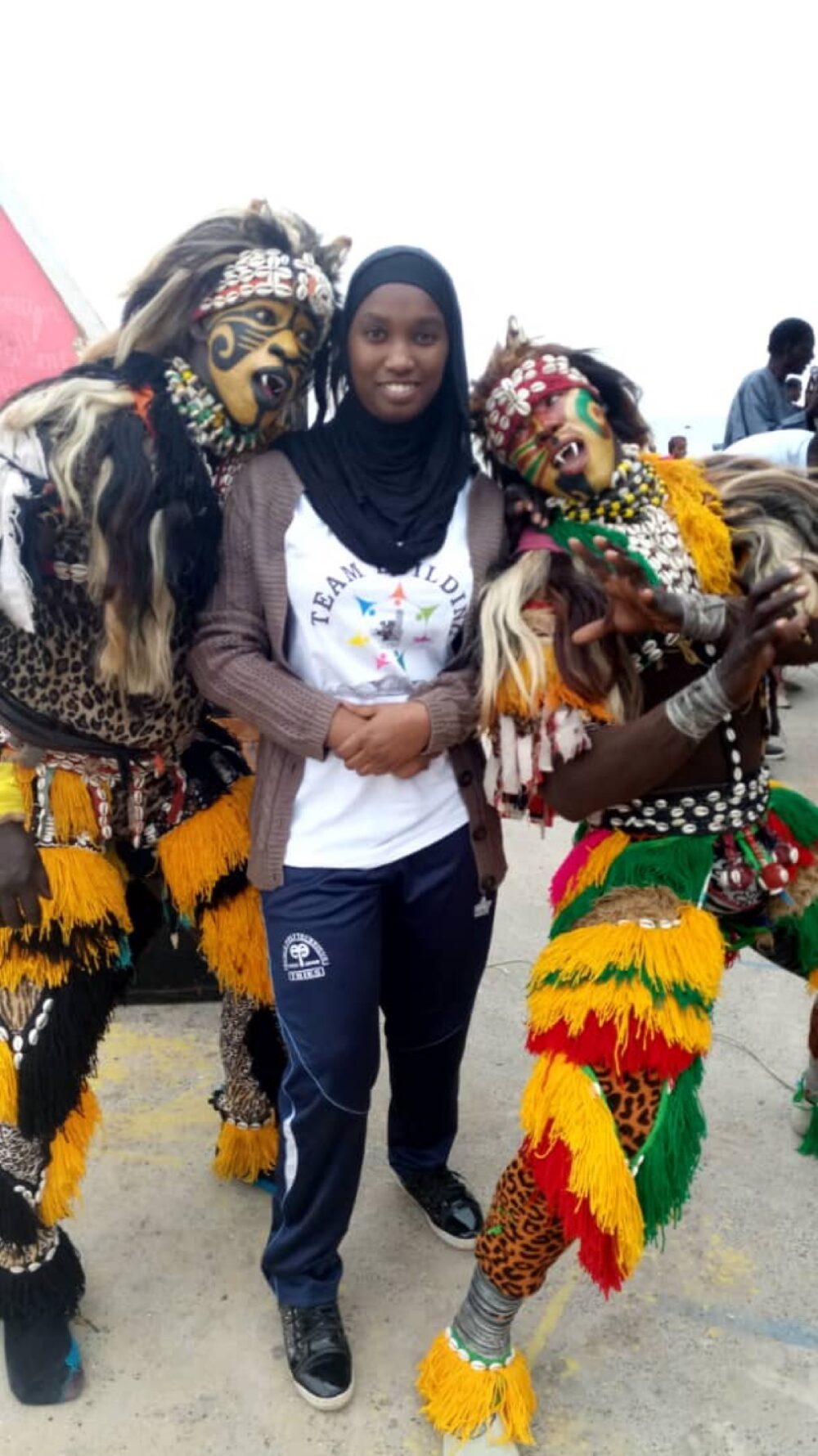
You choose lion faux fur fabric by deciding whether you’re building a mane, body, or trim, then matching pile length and density, fiber, color pattern, and backing to how the piece needs to look, move, and feel. Long-pile lion mane fabrics, like the “Lions Mane” flokati-style faux fur sold by Big Z Fabric, create dramatic volume, while medium-pile lion “mink” or body fur suits jackets, onesies, and décor. Once you know your spec, you can compare fabric-focused shops and craft marketplaces with broader platforms like DHgate or AliExpress; the latter can be useful for low-cost cosplay fur but often need stricter listing-by-listing checks.
What Counts as Lion Faux Fur Fabric and Where People Use It
“Lion faux fur” isn’t a single fabric. It’s any synthetic fur meant to mimic a lion’s coloring and texture:
- Mane fur: Very long, shaggy pile in golden, tan, or brown tones with darker tips.
- Body fur: Shorter, smoother pile in a uniform tan or light brown, sometimes sold under names like “lion mink”.
- Accent / trim: Narrow cuts or small pieces used for cuffs, collars, tails, pillows, and props.
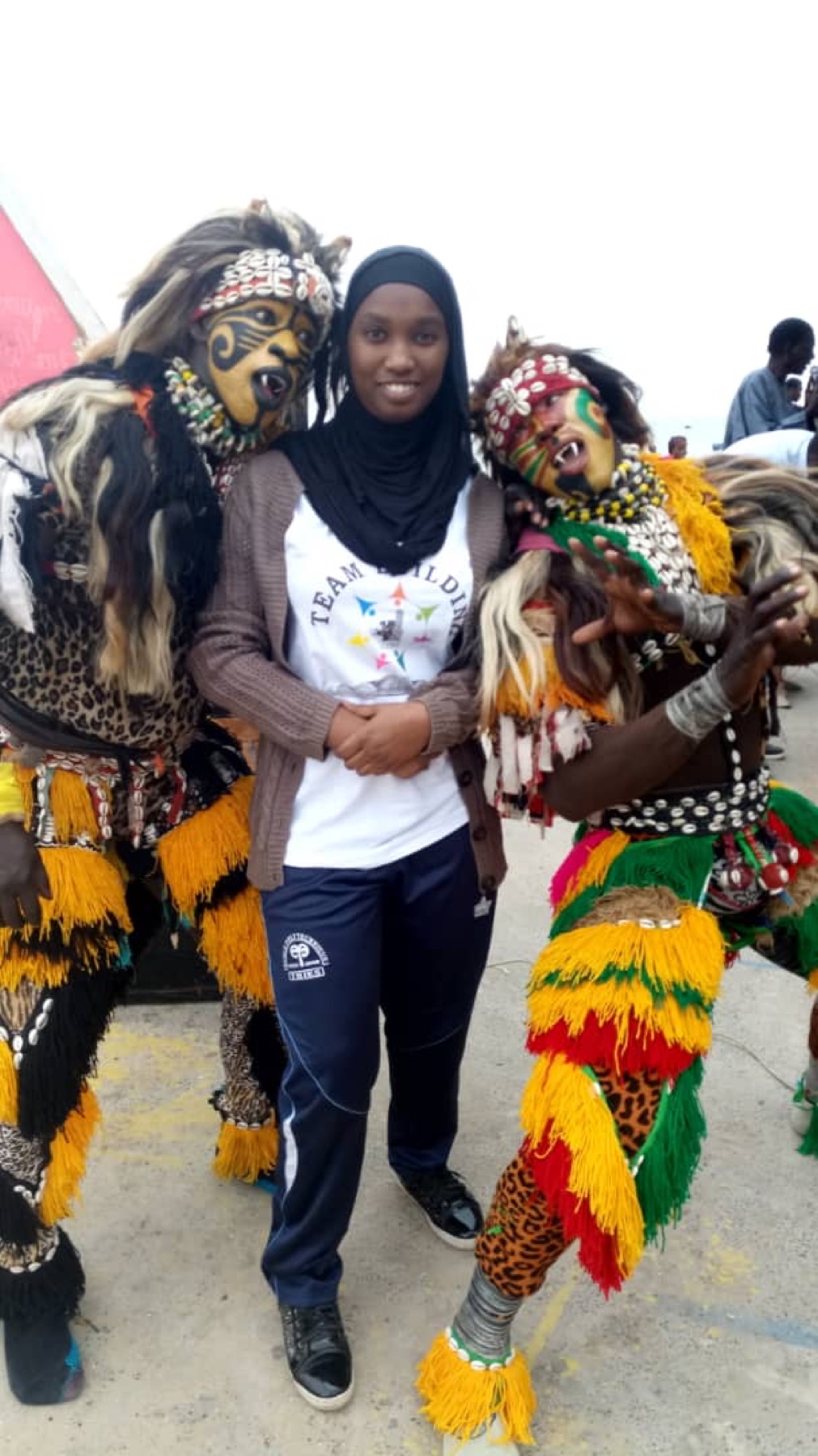
Costume and cosplay builders often split their shopping list into mane vs body fabrics. Big Z’s long-pile mane fabric is marketed toward costume and fursuit-style builds — that’s the kind of yardage used around hoods, masks, and shoulders for drama and motion. Medium-pile lion-style fabrics show up more in:
- Full-body lion kigurumi or onesies
- Stage costumes where performers need to move and dance
- Throw pillows or blankets in safari or jungle decor themes
Guides to adult lion costumes, like the one from Gadgetsfeed, emphasize the same tradeoffs you face for fabric yardage: visual realism, comfort against skin, and basic safety (no scratchy fibers around the face, no materials that overheat too quickly).
Mane vs Body: The Specs That Actually Change Your Result
General faux fur buying guides, such as Commercialtoolry’s overview, highlight a few specs that matter most: pile length, pile density, fiber composition, and backing. Fabric specialists like JX Faux Fur also point out how texture and backing drive drape, durability, and how easy the material is to sew.
Here’s how those specs translate specifically to lion faux fur:
Quick comparison: mane vs body lion faux fur
| Use area | Typical pile length | Look & movement | Backing feel |
|---|---|---|---|
| Mane / ruff | Long pile (around 3-4″) | Big volume, visible motion when you move | Often heavier; more structured |
| Body suit | Medium pile (about 0.8-1.4″) | Smoother silhouette, less bulk | Softer; easier to drape |
| Trim / tail | Short to medium (0.4-1″) | Defined edges, less shedding | Can be lighter or stiff, varies |
The Big Z lion mane fabric is an example of the long-pile end of this spectrum: shaggy pile in the 3-4 inch range, designed for visual impact. By contrast, medium-pile lion “mink” style fabrics in the 20-35 mm band (roughly 0.8-1.4 inches) are closer to what you’d use for body panels or throws.
Pile length and density
- Pile length drives how “wild” the mane looks. Longer than ~3″ starts to tangle and may need more brushing, but looks very dramatic on hoods and masks.
- Pile density (how packed the fibers are) affects realism and coverage. Sparse fur shows backing when stretched; very dense fur feels plush but is warmer and heavier.
For a single adult costume, a dense 3-4″ mane plus a medium-pile body fabric usually balances realism and wearability. For kids’ costumes or plush decor, shorter pile (under ~1.5″) is easier to manage and shed-less.
Fiber composition
Most lion faux fur is polyester, acrylic, or a blend. In practice:
- Acrylic-heavy blends tend to feel slightly more natural and can hold crimped or tipped fibers well.
- Polyester-heavy options often have better abrasion resistance and can be less prone to matting with everyday wear.
For pieces that touch skin (hood linings, collar edges), prioritize softer hand-feel over absolute realism — the same comfort/safety balance highlighted in the Gadgetsfeed lion costume guide.
Backing and sewability
Backing controls how the fabric behaves when you cut and sew:
- Sturdy woven or knit backing: Good for structured manes, collars, and upholstery-style decor; holds shape but can be thick under a domestic machine.
- Softer knit backing: Easier to drape for capes and onesies but may stretch if you don’t stabilize seams.
JX’s fabric guide stresses that backing choice changes drape and durability. For a fursuit-style lion head, a firmer backing under long pile makes sculpting and trimming easier. For a blanket, softer backing makes the piece less stiff on the sofa.
Scenario Snapshots: One-Off Costume vs Small Shop Ordering
Single costume or cosplay build
If you’re building one adult costume:
- Choose one long-pile mane fabric and one medium-pile body fabric that visually match; Big Z’s mane-style fabric plus a tan lion mink from a similar supplier is a common pairing.
- Favor comfort: avoid very scratchy synthetic fibers around the face and neck, echoing the comfort/safety emphasis from lion costume guides.
- Don’t overbuy: long-pile mane fur is bulky, and excess yardage is hard to store.
Small ecommerce shop or Etsy seller
If you’re making multiple lion hoods, tails, or throw pillows:
- Lock your spec: pile length range, backing type, and color code, then stick with it for consistency.
- Consider sampling from 2-3 sources — a specialist like Big Z Fabric, a craft marketplace like Etsy offering the same lions mane fabric, and a lower-cost bulk option — to feel differences in hand and backing before committing.
- Think about handling and returns on your side: long-pile mane fur sheds on cutting and may require extra prep time per unit.
Where Lion Faux Fur Shows Up Online, Including DHgate
Lion-style faux fur pops up across several kinds of sites:
- Specialist faux fur shops (Big Z Fabric, Fabric Empire, Shannon Fabrics, etc.): As the DHgate cosplay fur supplier roundup notes, these fabric stores carry diverse faux fur styles, often in both long and short pile, and are strong options when you need a specific color or pattern and predictable quality.
- Fabric and craft marketplaces (Etsy, Amazon Handmade): You’ll find the same lions mane fabrics sold by individual shop owners, plus unique hand-dyed or small-batch options. Good for small runs and matching niche aesthetics.
- Low-cost broad marketplaces (AliExpress, DHgate): Editorial comparisons of cosplay fur suppliers mention AliExpress as an example of a marketplace with very low prices but variable quality. DHgate sits in a similar lane: many independent sellers offer cosplay and costume fur, including lion-like colors, but you don’t get the same fabric curation as a dedicated fur shop.
For US buyers and small ecommerce businesses, here’s a practical way to decide whether to add DHgate-style marketplaces to your shortlist:
- If you need tight spec control and repeatable quality (same backing, same pile every batch), start with specialist fabric retailers and clearly described Etsy listings.
- If your priority is lowest unit cost for bulk cosplay pieces, and you have time to vet samples and accept more variation, including DHgate or AliExpress in your search can widen your options.
- Regardless of channel, judge each listing by the same fabric criteria: stated pile length range, fiber composition, clear photos of backing, and any clues about density and shed.
If you’re new to cross-border marketplaces, it can help to understand what DHgate is and how the marketplace works and to skim how to find trusted sellers on DHgate before adding lion faux fur listings to your cart. For bigger orders, the DHgate order-readiness checklist is a good sanity check to run through once you’ve chosen your fabric specs.